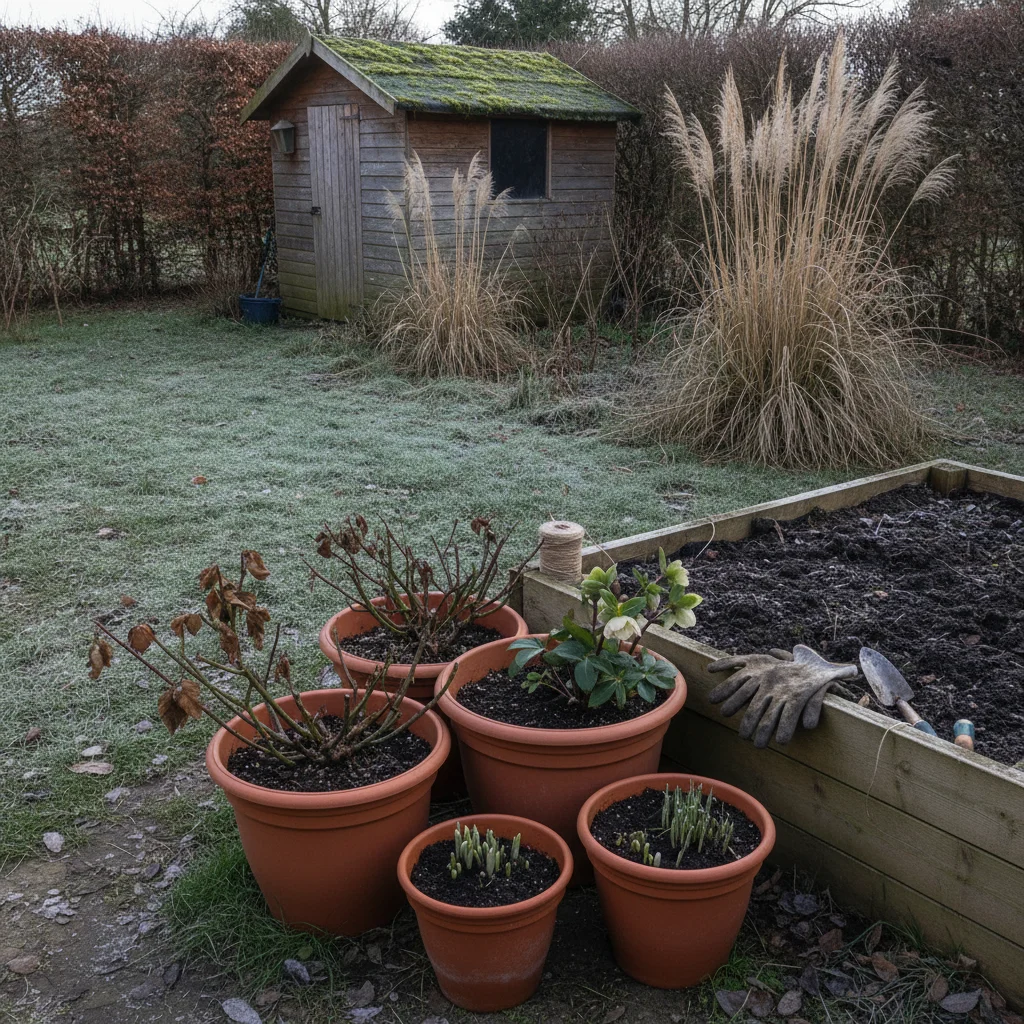
January often gets a bad reputation in the gardening world. We tend to think of it as a month of dormancy, where the only thing growing is the moss on the north side of the shed. But for those of us gardening in urban spaces, balconies, and small courtyards, January is actually one of the most exciting times of the year.
It is the month of potential. While the frost might be biting outside your window, this is the window of time where we set the stage for the entire year. You don't need a sprawling estate to feel the itch to get started; a few clean pots and a packet of seeds are enough to turn a grey morning into a productive session.
We have all been there, staring out at a damp patio and wondering if it is worth the effort. The truth is that the small wins we achieve now—the sharpened blades, the scrubbed containers, and the carefully chosen varieties—make the frantic rush of May much easier to handle. Let’s look at how we can make the most of this quiet month.
Planning Your Urban Oasis
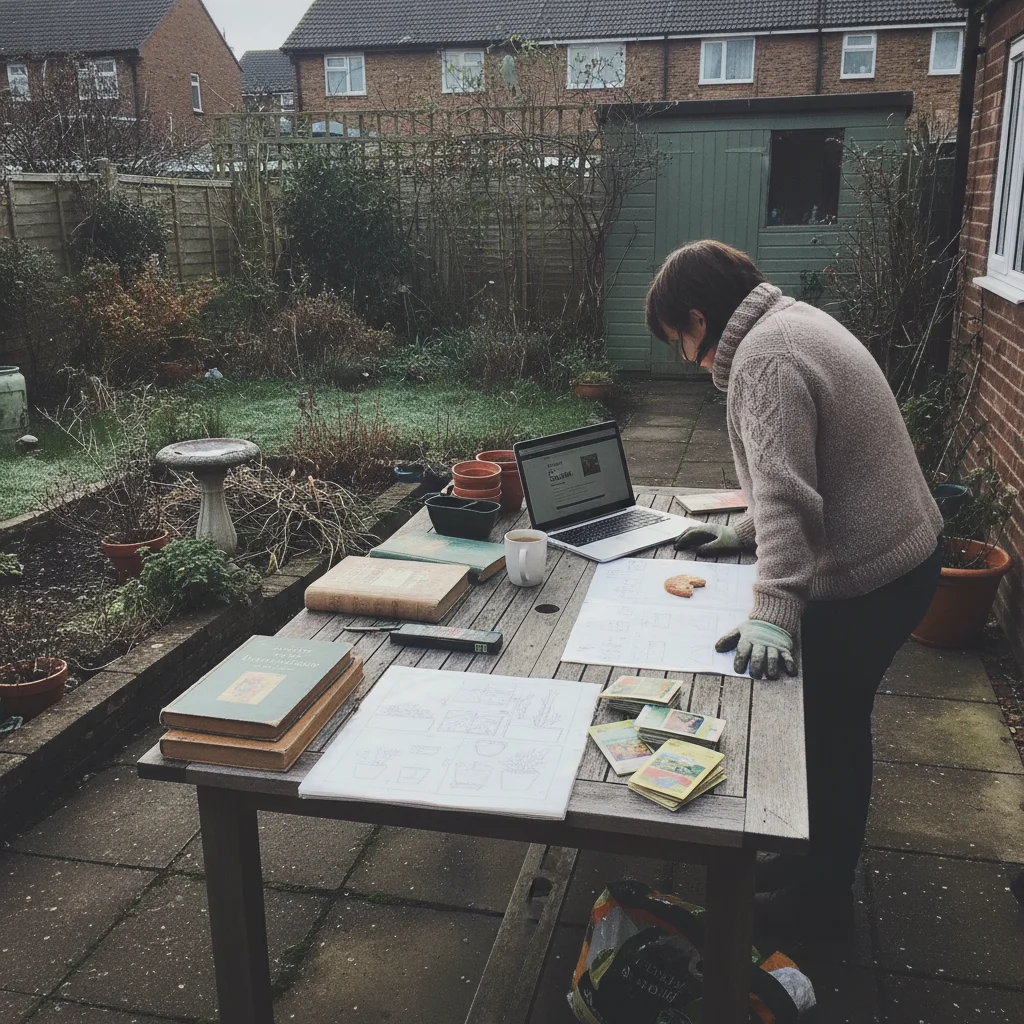
The first job of the year doesn't even require you to put on your boots. Grab a coffee, sit by the radiator, and take a long, hard look at your space. In a small garden or on a balcony, every square inch has to earn its keep. We don’t have the luxury of "wild corners" or forgotten borders, so we need to be tactical.
Think about how the light moved across your space last summer. Did that south-facing corner get too hot for your lettuce? Did the wind whip around the side of the building and batter your tall dahlias? Use this time to sketch out a rough layout. Moving a heavy pot is much easier on paper than it is when it’s full of damp compost and a growing shrub.
We should also be honest about what worked and what didn't. If those "patio" tomatoes were still a bit too sprawling for your window box, now is the time to look for even more compact varieties. I like to focus on verticality during this phase. If you have a small footprint, look at where you can add a trellis or a hanging basket to double your growing area.
The One Trowel Philosophy
Most urban gardeners don't have a massive shed filled with every gadget imaginable. We usually have a bucket, a trowel, and a pair of secateurs tucked under a bench or in a kitchen cupboard. January is the perfect time to give these hard-working tools some love.
Rust is the enemy of a clean cut, and blunt blades make pruning a chore. Take a bit of wire wool to any orange patches on your trowel and give your secateurs a sharpen with a whetstone. It only takes ten minutes, but it makes a world of difference when you start your spring chores.
If you find yourself needing to upgrade, look for multi-purpose tools. A high-quality Hori Hori knife is a fantastic investment for container gardeners because it can weed, dig, and even measure planting depth. Keeping our kit minimal but high-quality is the secret to stress-free gardening in a small space.
Pot Hygiene and Preparation
We often forget that pots can harbour pests and diseases over the winter. If you have empty containers sitting on your balcony, give them a good scrub with warm, soapy water. This is particularly important if you had any issues with aphids or mildew last year.
Cleaning your pots also gives you a chance to check for cracks. Terracotta is beautiful but can succumb to "frost heave" where the moisture in the clay freezes and expands, causing the pot to flake or shatter. If you find a damaged pot, don't throw it away; those broken pieces (crocks) are perfect for placing over drainage holes in other containers.
While you are at it, check your drainage. Urban gardens often suffer from "waterlogging" because we use heavy plastic pots that don't breathe. Ensure the holes aren't blocked by old roots or compacted soil. A little bit of maintenance now prevents your plants from sitting in freezing "wet feet" for the rest of the winter.
Pruning for the Patio
Pruning can feel intimidating, but in a small garden, it is essential for keeping plants from taking over. If you have a climbing rose on a trellis or a potted wisteria, January is the time to prune while the plant is dormant. You want to create a strong framework that will support all that summer growth.
For roses, look for the "three Ds": dead, damaged, or diseased wood. Cut these out first, then prune back the remaining stems to a healthy, outward-facing bud. This encourages the plant to grow away from the centre, improving airflow—which is vital in the often-stagnant air of a walled courtyard or balcony.
If you are growing fruit in pots, like blueberries or currants, a light prune now will encourage better yields. Remove about a quarter of the oldest wood to make room for fresh, productive stems. Just remember to use those sharp secateurs we talked about earlier to ensure the cuts are clean and heal quickly.
The Windowsill Nursery
You don't need a greenhouse to start sowing. A bright windowsill is the urban gardener's best friend. In January, we can start off seeds that need a long growing season to reach maturity. Chillies are a classic choice; they need that early start to ensure they have enough heat and light to ripen their fruit by August.
Sweet peas are another January favourite. Sowing them now results in much deeper root systems and sturdier plants than those sown in the spring. Use deep pots—old cardboard loo roll tubes are a great sustainable option—because sweet peas hate having their roots disturbed.
Keep an eye on the light levels. Even a south-facing window can be quite dark in a British January. If your seedlings start looking "leggy" (tall, thin, and leaning towards the glass), they are reaching for light. You can help them by reflecting light back onto them using a bit of cardboard covered in tin foil placed behind the pots.
Essential Items for a Balcony Cleaning Kit
Keeping your space tidy is half the battle when you are working in a small area. You don't need a pressure washer; a few simple items will do the trick.
- A stiff-bristled brush for scrubbing algae off paving or decking.
- A bucket of warm water with a splash of eco-friendly dish soap.
- A small hand-brush and dustpan for clearing up spilled compost.
- A spray bottle with a vinegar and water mix for cleaning glass or plastic panels.
- A bag of horticultural grit to top-dress pots and improve drainage.
Refreshing Your Container Soil
We shouldn't necessarily replace all the compost in our pots every year—it’s expensive and heavy to lug up to a balcony. However, the nutrients in a pot are usually exhausted after one season. January is the time to "top-dress" your permanent residents like shrubs, trees, or perennial herbs.
Scrape away the top two or three inches of old, tired soil and replace it with fresh, peat-free compost. You can mix in a handful of slow-release fertiliser granules to give the plant a steady supply of food as the weather warms up. This simple task can revitalise a plant that has been looking a bit peaky.
If you have large pots that are completely root-bound, you might need to be a bit more drastic. You can carefully lift the plant, trim a few of the thickest roots, and replant it with fresh soil. It sounds harsh, but it’s a standard technique for keeping container plants healthy for years without needing to constantly move to larger and larger pots.
Supporting City Wildlife
Even the smallest balcony can be a lifeline for wildlife during a cold UK January. Birds struggle to find water when the ground is frozen, so a shallow dish of fresh water can be a real draw. Just make sure to change it regularly so it stays clean.
If you have any old flower heads or hollow stems from last year, try to leave them until the spring. Many beneficial insects, like ladybirds and solitary bees, use these as "hotels" to survive the winter. In a city, these natural habitats are hard to find, so your small patch of "mess" is actually a vital resource.
We can also think about early-flowering plants for pollinators. If you have space for one more pot, consider planting some winter-flowering heathers or hellebores. They provide a rare source of nectar for any queen bees that might emerge early during a mild spell in late January or February.
Managing Wind and Frost
Winter in the UK isn't just about the cold; it’s about the wind. If you are gardening on a balcony or a roof terrace, the "wind-chill" factor can be significantly higher than at ground level. January is the month to check that all your pots are secure and that any tall plants are staked.
If a "Beast from the East" style frost is forecast, be ready to protect your more tender plants. A layer of horticultural fleece or even an old bubble-wrap sleeve can save a potted olive tree or a bay laurel. Just remember to remove the protection as soon as the temperature rises, as plants still need to breathe.
Weight is another consideration for balcony gardeners. Wet compost is much heavier than dry compost. If you are worried about the weight limit of your space, January is a good time to move pots closer to the structural walls of the building. This is generally the strongest part of the balcony and provides a bit more shelter from the elements.
Compact Varieties for Early Ordering
Before the spring rush begins, get your seed orders in. Choosing the right variety is the difference between a balcony that feels like a jungle and one that feels like a garden. Look for these specific terms in descriptions to ensure they are suitable for small spaces.
- 'Tiny Tim' or 'Terrenzo' tomatoes: These are determinate (bush) types that stay small and don't need pinching out.
- 'Patio Pride' peas: A dwarf variety that only grows to about 20cm, perfect for window boxes.
- 'Pot-Leek' varieties: These are bred to be shorter and thicker, making them easier to grow in deep containers.
- 'Bambino' aubergines: These produce clusters of small fruit on very compact plants.
- 'Thumbelina' carrots: A round, radish-shaped carrot that doesn't need deep soil.
Dealing with Grey Days
Gardening is as much about our own well-being as it is about the plants. January can be a tough month for motivation when the sun sets at 4:00 PM and the rain is horizontal. On these days, focus on the indoor tasks that make you feel connected to your green space.
We can spend time cleaning our indoor plants, wiping the dust off the leaves of a Monstera or a Snake Plant so they can photosynthesise more efficiently in the low light. You could even try growing some microgreens on the kitchen counter. They grow incredibly fast, and having something fresh and green to harvest in the middle of winter is a massive mood booster.
If you have a particularly dark balcony, consider adding some solar-powered fairy lights. They won't help the plants grow, but they make the view from your window much more inviting. Seeing your pots illuminated at night reminds you that the garden is still there, waiting for its moment to shine.
Looking Ahead to February
As January draws to a close, you will start to notice the first signs of life. The tips of daffodils and crocuses will be poking through the soil in your pots, and the days will be getting noticeably longer. Because you have done the hard work now, you will be ready to hit the ground running.
The beauty of gardening in a small space is that we can see the impact of our work immediately. A tidy balcony with pruned roses and clean pots looks infinitely better than a neglected one, even before the first flower appears. You have turned a dormant space into a launchpad for the coming year.
By the time the rest of the world is waking up to the idea of gardening in late March, your chillies will be growing, your tools will be sharp, and your plan will be in motion. You have already done the heavy lifting, leaving you more time to actually enjoy the sunshine when it finally arrives.
Once you have finished your planning and pot scrubbing, take a moment to look at your windowsill. If you haven't yet, get those first few seeds into some compost today. There is no better way to beat the January blues than by watching the very first green shoots of the year emerge right before your eyes.