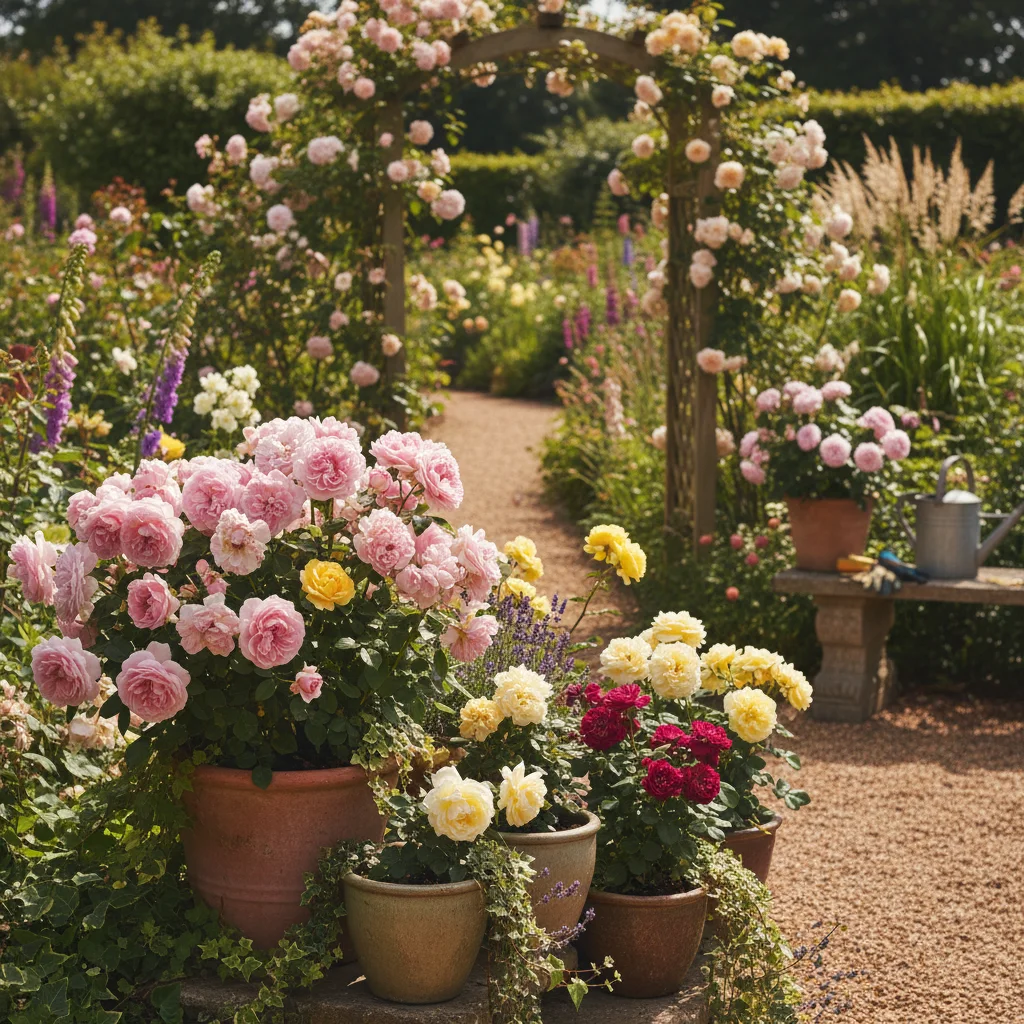
June is the month when the British garden truly comes alive, and nothing captures that magic quite like a rose in full bloom. Whether you have a sprawling lawn or just a couple of terracotta pots on a sun-drenched balcony, roses are far more adaptable than people think. We often associate them with grand country estates, but they are surprisingly hardy urban survivors that can thrive in the smallest of spaces.
I have grown roses in window boxes, on narrow fire escapes, and in tiny courtyard gardens across London. While they might seem like high-maintenance divas, they really only need a few specific things to perform their best as the summer heat begins to build. If you give them a little focused attention now, you will be rewarded with a flush of colour and scent that lasts well beyond the summer solstice.
The secret to those spectacular June displays isn't found in expensive equipment or complex horticultural degrees. It comes down to understanding the unique needs of a plant living in a confined space. From the way we water to the specific nutrients we provide, every small action helps the plant focus its energy on creating flowers rather than just surviving the city heat.
Pick the Right Rose for Your Space
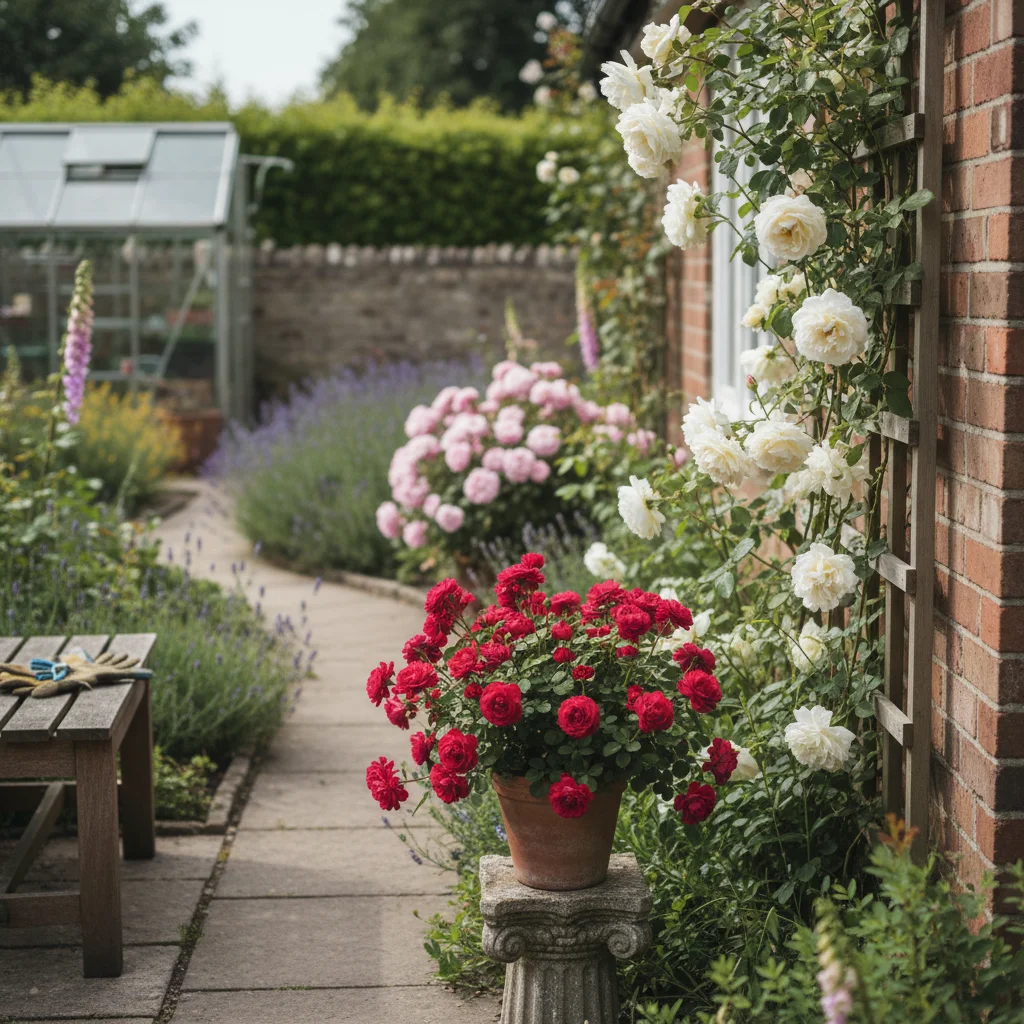
Before we look at care routines, it is worth remembering that not every rose is suited to every spot. If you are gardening on a balcony or a small patio, you want varieties that stay compact and don't mind having their roots in a container. Look for "Patio" or "Miniature" labels, as these have been bred specifically to stay tidy and floriferous without taking over your entire outdoor area.
I am a huge fan of the 'Flower Carpet' series for urban growers because they are incredibly resistant to the common diseases that often plague city plants. They don't need the perfect airflow of a country garden to stay healthy. If you want that classic English rose look, many David Austin varieties like 'Roald Dahl' or 'Desdemona' do brilliantly in large pots as long as they get enough sun.
When planting in containers, always choose the largest pot you can reasonably fit on your balcony or patio. Roses have deep taproots and they hate to be cramped or to dry out completely. A heavy pot also provides a sturdy base that won't blow over when those sudden summer gusts funnel between city buildings.
Essential June Watering Habits
Watering is the single most important task for your roses this month, especially if they are growing in pots. In an urban environment, the "heat island" effect means our balconies and patios stay much warmer than the surrounding countryside. This causes moisture to evaporate at an alarming rate, often leaving your roses parched before the day is even half over.
We have all made the mistake of thinking a quick splash from a watering can is enough, but roses prefer a deep soak. You want the water to reach the very bottom of the root ball to encourage those roots to grow downwards. If you only water the surface, the roots will stay near the top where they are most vulnerable to heat and drought.
I always recommend the "finger test" before you reach for the tap. Push your finger into the soil up to the second knuckle; if it feels dry at that depth, it is time to water. During a particularly hot June spell, you might find your container roses need a drink every single morning to keep those delicate petals from wilting.
Try to water early in the morning before the sun hits your space, or late in the evening when things have cooled down. Avoid splashing the leaves as much as possible, as damp foliage in a warm city environment is an open invitation for fungal issues. Aim your watering can or hose directly at the base of the plant to ensure every drop goes exactly where it is needed.
Feeding for Flower Power
Roses are "hungry" plants, meaning they require a lot of nutrients to produce those heavy, scented blooms. By the time June arrives, the nutrients in your potting compost have likely been used up by the spring growth spurt. To keep the flowers coming thick and fast, you need to supplement their diet with a high-quality fertiliser.
I prefer using a liquid rose feed or even a standard tomato fertiliser for my container roses during the flowering season. These are high in potassium, which is the specific nutrient responsible for flower and fruit production. A weekly feed from now until the end of summer will make a visible difference in the size and quantity of your blooms.
If you prefer a lower-maintenance approach, you can use slow-release granules at the start of the month. You simply scatter them on the surface and let the rain or your watering can wash the nutrients down over several weeks. However, for the best results in small pots, the quick boost of a liquid feed is hard to beat.
Never feed a plant that is bone dry, as this can actually shock the roots and cause "fertiliser burn." Always water your roses first, wait an hour for the soil to absorb it, and then apply your diluted liquid feed. This ensures the plant is hydrated and ready to take up the nutrients effectively.
The Art of Deadheading
Deadheading is the simple process of removing faded flowers, and it is the closest thing to a "magic trick" in gardening. When a rose flower fades and starts to drop its petals, the plant begins to shift its energy into producing seeds or "hips." By snipping off the old flowers, you trick the rose into thinking it hasn't finished its job yet, prompting it to produce more buds.
You don't need fancy top-of-the-range secateurs for this; a sharp pair of kitchen scissors or even your thumbnail can work for smaller patio varieties. The key is to cut back to just above the first strong leaf with five leaflets. This encourages a sturdy new shoot to grow from that point, which will eventually carry the next round of flowers.
I find deadheading to be one of the most relaxing parts of urban gardening. It only takes five minutes after work to tidy up a few pots, and it keeps your outdoor space looking fresh and intentional. It also prevents old, soggy petals from sticking to the healthy leaves, which can lead to rot during a typical British summer downpour.
If you are growing a variety that produces decorative hips for the winter, you might want to stop deadheading in late August. But for June and July, keep those scissors busy. The more you snip, the more the plant will reward you with that incredible scent every time you step outside.
Managing Pests and Diseases Naturally
In the close quarters of an urban garden, pests like aphids can seem to appear overnight. These tiny green or black insects love the soft, sappy new growth of June roses. While it is tempting to reach for a chemical spray, I always suggest a more gentle approach first to protect our city bees and hoverflies.
A sharp blast of water from a spray bottle or hose is often enough to knock aphids off the stems. You can also simply squish them between your thumb and forefinger if you aren't too squeamish. For more persistent infestations, a mixture of water and a few drops of environmentally friendly washing-up liquid works wonders at clearing them without harming the plant.
Blackspot and powdery mildew are the two main fungal issues we face in the UK. These often thrive when air circulation is poor, which is common on balconies with glass balustrades or in walled courtyards. To prevent this, try to leave a bit of "breathing room" between your pots rather than huddling them all together.
If you do spot leaves with black spots or a white dusty coating, pull them off immediately and pop them in the bin—don't put them in your compost heap. Keeping the area around the base of your rose clear of fallen leaves will also go a long way in stopping fungal spores from splashing back up onto the plant during rain.
Your June Rose Checklist
Maintaining a beautiful display doesn't have to be a chore if you break it down into small, manageable steps. Most of these tasks take less time than brewing a cup of tea but will significantly impact how your roses look by midsummer.
- Check the soil moisture every morning using the finger test.
- Apply a high-potassium liquid feed once a week after watering.
- Remove faded blooms every few days to encourage new buds.
- Inspect the undersides of leaves for aphids or signs of orange rust.
- Clear away any fallen petals or debris from the surface of the pot.
- Ensure your pots are secure and won't topple in high winds.
Best Compact Roses for Pots
If you are looking to add a new rose to your collection this month, there are several varieties that I have found to be particularly reliable in the UK’s urban climate. These choices offer a mix of great scent, repeat flowering, and a manageable size for container living.
- Flower Carpet Pink: Virtually indestructible and perfect for trailing over the edge of a balcony.
- Roald Dahl: A beautiful peach-coloured rose that is very hardy and repeat flowers reliably.
- Little Flirt: A vibrant orange and yellow miniature rose that adds a pop of colour to small tables.
- Desdemona: An exquisite white rose with an intense fragrance that carries well in small spaces.
- Sunblaze Red: A classic red miniature rose that stays very compact and tidy.
Protecting Your Blooms from Urban Heat
One challenge we face in the city is reflected heat from brick walls and paving stones. This can effectively "cook" a rose if the pot is sitting directly on a hot surface. To help your plants stay cool, consider using "pot feet" or even just a few flat stones to lift the container off the ground.
This simple gap allows air to circulate underneath the pot, preventing the roots from overheating. It also improves drainage, which is vital during those heavy June thunderstorms we often get in the UK. A well-drained rose is a happy rose, as they hate having "wet feet" for any length of time.
You can also add a layer of mulch to the top of your pots to help lock in moisture. A few handfuls of decorative gravel, slate chippings, or even some bark mulch will act as an insulating blanket. This keeps the soil temperature stable and means you won't have to water quite as frequently during a heatwave.
If your balcony is particularly windy, you might need to provide a little extra support. Even compact roses can get "wind rock," where the movement of the plant loosens the roots in the soil. A small bamboo cane or a decorative metal support pushed firmly into the pot will keep everything steady and prevent the stems from snapping.
There is nothing quite like the satisfaction of sitting out on a June evening with the scent of your own roses drifting through the air. By following these simple steps to feed, water, and tidy your plants, you can turn even the smallest urban corner into a floral sanctuary. Start today by checking your pots for moisture, and you’ll be well on your way to a spectacular summer display.