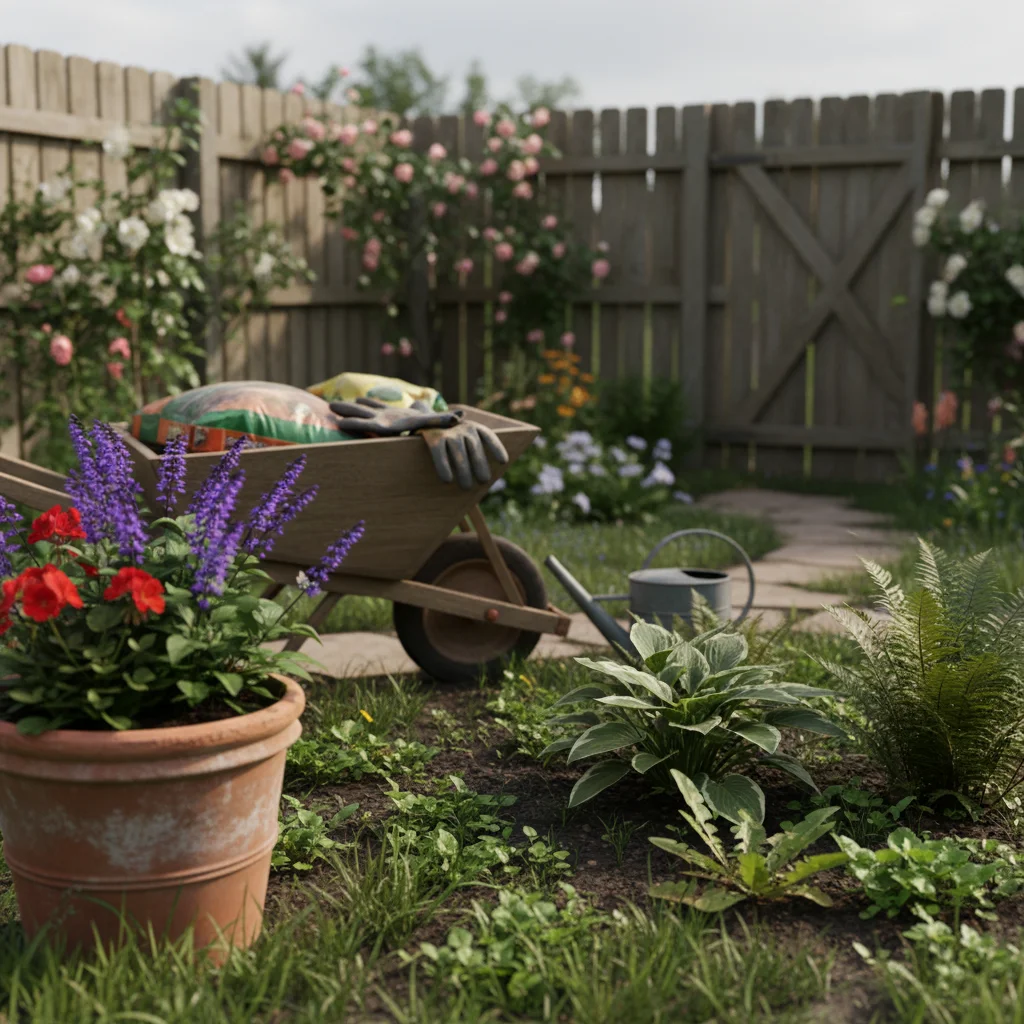
May is arguably the most beautiful month in the British gardening calendar. The tulips are bowing out, the alliums are taking centre stage, and the light has that crisp, hopeful quality that makes you want to spend every spare second outside. But as the temperature rises and the spring showers do their work, something else is waking up with terrifying speed.
If you have a small urban garden or even just a collection of pots on a balcony, you might think you are safe from the weed invasion. Unfortunately, weeds are the ultimate city survivors. They find their way into the smallest cracks in the paving and hitch a ride on the wind to land in your expensive potting compost.
The secret to keeping your space looking sharp isn't about spending hours on your hands and knees with heavy machinery. It is about understanding how weeds work in a small space and acting before they have a chance to set seed. In May, the growth is so rapid that a week of neglect can turn a tidy window box into a miniature jungle.
We have all been there, looking at a pot of herbs only to realise a dandelion has established a taproot that seems to go down to the Earth's core. By taking a few strategic steps now, you can ensure that your flowers and veg have the room they need to thrive without competing for nutrients and water.
Why May is the critical month for weeding
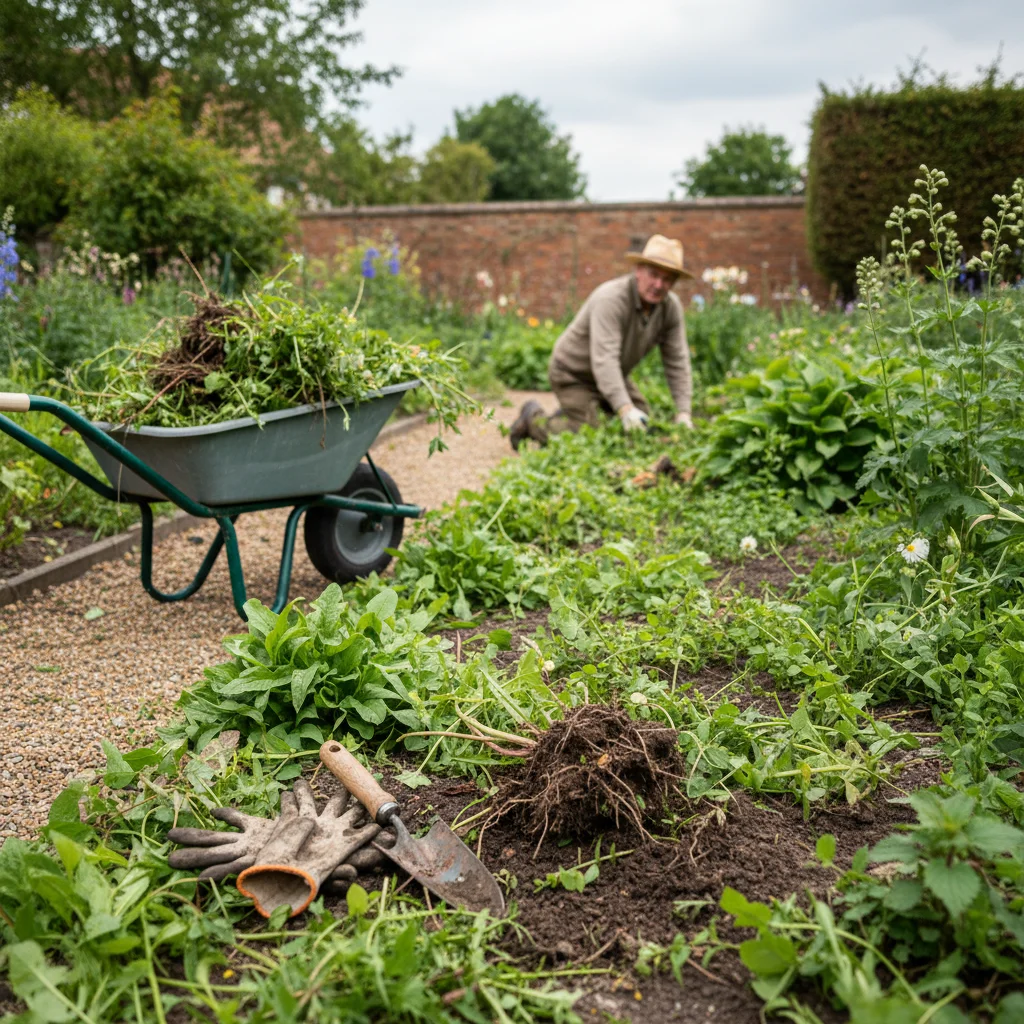
In the UK, May is the "sweet spot" for plant growth because the soil has finally lost the winter chill but still retains plenty of moisture. This creates a perfect germination chamber for weed seeds that have been lying dormant for months. If you can catch them now, you are essentially preventing thousands of future weeds from ever existing.
Most common garden weeds are either annuals or perennials, and both are currently in a race to flower. Annual weeds, like chickweed or groundsel, grow fast, flower, and drop seeds all in a few weeks. If you let them finish that cycle in May, you will be pulling their offspring out of your pots for the rest of the summer.
Perennial weeds are more stubborn because they come back from the same root every year. In May, they are pumping all their energy into new leafy growth. This makes them easier to spot against the bare soil of a newly planted container or a freshly cleared patch of ground.
For those of us gardening in the city, weeds often feel like an affront to our carefully curated tiny spaces. When you only have a few square metres of greenery, every weed is highly visible. Taking control now means you can spend June and July enjoying the view rather than feeling guilty about the state of your patio.
Common weeds to spot in small spaces
You don't need a degree in botany to identify the usual suspects, but knowing what you are looking at helps you decide how to deal with them. Some weeds are harmless enough to leave for a few days, while others require immediate eviction before they explode.
Hairy bittercress is the one that catches most urban gardeners out. It looks like a tiny, innocent rosette of green leaves, but as soon as the seed pods form, they become spring-loaded. One touch, or even a heavy raindrop, and they flick their seeds up to a metre away, often landing right in your neighbouring pots.
Dandelions are the classic garden foe, and they love the nutrient-rich compost we use for our balcony tomatoes. Their wind-blown seeds can reach even the highest apartment balconies. While they are great for early pollinators, their long taproots will quickly outcompete your cultivated plants for water.
Weeds you will likely see this month
- Hairy Bittercress: Small green rosettes with white flowers that "pop" seeds when touched.
- Chickweed: A sprawling, fleshy weed that loves damp corners of pots and shady patios.
- Groundsel: Upright stems with yellow flowers that quickly turn into white "clocks" like dandelions.
- Herb Robert: A pretty pink flower but a prolific self-seeder that can take over a window box.
- Dandelions: Deep-rooted perennials that are best removed before the yellow flower turns to seed.
- Fat Hen: A fast-growing weed that loves the high-nitrogen fertilisers we use for summer bedding.
Effective weeding for balconies and patios
When you are gardening in containers, you have to be more careful with how you weed. You cannot just go in with a large garden hoe because you risk damaging the delicate roots of your favourite plants. Hand-weeding is usually the best approach for the urban gardener, but there is a technique to it.
Always try to weed when the soil is slightly damp. If you have just watered your pots or it has rained overnight, the soil will be loose, and the roots will slide out much more easily. If the soil is baked hard, you are more likely to snap the top off the weed, leaving the root behind to regrow.
For deep-rooted weeds like dandelions or docks that have found their way into a large planter, use a long, thin tool. An old kitchen knife or a dedicated weeding tool can be pushed down alongside the root to loosen it. This ensures you get the whole thing out without disturbing the surrounding soil too much.
If you have weeds growing in the cracks of your paving or between the slats of a balcony deck, avoid using harsh chemical weedkillers. These can wash off into your pots or harm local wildlife. Instead, a kettle of boiling water poured directly onto the weeds is a remarkably effective and eco-friendly way to kill them off.
The little and often approach
The biggest mistake we make as busy city dwellers is waiting for a "gardening day" to tackle the weeds. By the time that free Saturday arrives, the weeds have already won the first round. Instead, try to integrate weeding into your daily routine, perhaps while you wait for the kettle to boil or when you first get home from work.
Spending just five minutes a day scanning your pots and pulling out anything that shouldn't be there makes the task feel effortless. It is much more satisfying to pull two or three small sprouts than it is to spend an entire afternoon clearing a neglected jungle. This also prevents the weeds from getting large enough to produce seeds.
I like to keep a small bucket or an old compost bag near my pots to toss the weeds into as I go. This saves me from having to make multiple trips to the bin and keeps the area tidy. If the weeds haven't flowered yet, you can often leave them on the surface of the soil to dry out and act as a very basic mulch, though this isn't always the prettiest look for a small balcony.
Focus on the areas where you have recently planted young seedlings. These "babies" are the most vulnerable to being smothered by aggressive weeds. A young basil plant or a newly sprouted lettuce doesn't stand a chance against a fast-growing weed that is hogging all the light and space.
Mulching to prevent future growth
Mulching is one of those gardening terms that sounds like it belongs in a massive country estate, but it is actually a lifesaver for small-space gardeners. Essentially, it just means covering the bare soil around your plants to block out the light. Since weed seeds need light to germinate, a good mulch can stop them in their tracks.
In a small garden or on a balcony, you can use decorative mulches that actually improve the look of your pots. Slate chippings, decorative pebbles, or even a layer of gravel can look very chic and modern. These materials are also great for retaining moisture, which is vital for pots that tend to dry out quickly in the wind.
For vegetable containers, you might prefer something organic. A layer of cocoa shells or even some straw around your strawberry plants will suppress weeds and keep the fruit off the damp soil. As these materials break down, they also add a bit of organic matter back into your potting mix.
If you have a slightly larger patio garden with small borders, bark mulch is a cost-effective option. Just make sure you pull any existing weeds before laying it down. A layer about two inches thick is usually enough to keep the majority of weeds at bay for the entire season.
Choosing your battles for wildlife
While we want our gardens to look their best, it is worth remembering that some "weeds" are actually incredibly beneficial for urban wildlife. In a city environment, our gardens and balconies act as vital corridors for bees, butterflies, and birds. Sometimes, leaving a few weeds can do more good than harm.
If you have a corner of a patio that isn't very visible, or a pot that you haven't got around to planting up yet, consider letting some wildflowers grow. Dandelions, for example, provide a crucial source of nectar for bees early in the season when other flowers are scarce.
The key is management rather than total eradication. You can allow a few weeds to flower, but make sure you snip the heads off before they turn to seed. This gives the pollinators the benefit of the nectar without you having to deal with hundreds of new weeds next month.
We can also choose to grow "pretty" weeds. Forget-me-nots are often considered weeds because they spread so easily, but they are beautiful in May and very easy to pull out where you don't want them. It is all about finding a balance that works for your aesthetic and the local environment.
Five quick tips for May weeding
If you are short on time but want to keep your urban oasis in check, these five steps will give you the biggest impact for the least effort. Weeding doesn't have to be a chore if you stay ahead of the game.
How to stay on top of weeds this month
- Check the base of stems: Weeds love to hide right at the base of your desired plants where they are harder to see.
- Don't shake the roots: When you pull a weed, resist the urge to shake the soil off the roots as this often scatters tiny weed seeds back into the pot.
- Use a sharp knife: A simple serrated kitchen knife is the best tool for slicing through weed roots in tight spaces between containers.
- Water before you weed: Dry soil holds onto roots; damp soil lets them go. Always weed after a rain shower or a watering session.
- Behead the survivors: If you don't have time to pull the whole weed, at least snap off the flower head to stop it from seeding.
Keeping your tools and space tidy
In a small garden, we often don't have the luxury of a shed to hide our mess. This means our weeding tools and the weeds themselves need to be managed efficiently. I find that having a dedicated "weeding kit" in a small bag makes it much easier to start the job when I have a spare few minutes.
A small hand fork, a sharp knife, and a pair of gardening gloves are all you really need. If you are gardening on a balcony, you might also want a small brush and dustpan to clear up any spilled compost. Keeping these items clean and dry will ensure they last for years, even if they are stored in an outdoor storage box.
Be careful about what you do with the weeds once you have pulled them. Most city councils provide a green waste bin, which is the best place for them. Do not put perennial weeds like dandelions or bindweed into a small home compost bin, as they are unlikely to get hot enough to kill the roots or seeds.
By staying on top of the weeding now, you are setting yourself up for a much more relaxing summer. May is a busy time, but the effort you put in today will be repaid tenfold when you are sitting outside in July with a cold drink, enjoying a garden that is full of flowers rather than frustrations.
Now is the perfect time to head out with a trowel and give your pots a quick once-over. Once those early weeds are gone, your plants will have all the nutrients and space they need to put on a spectacular summer show.