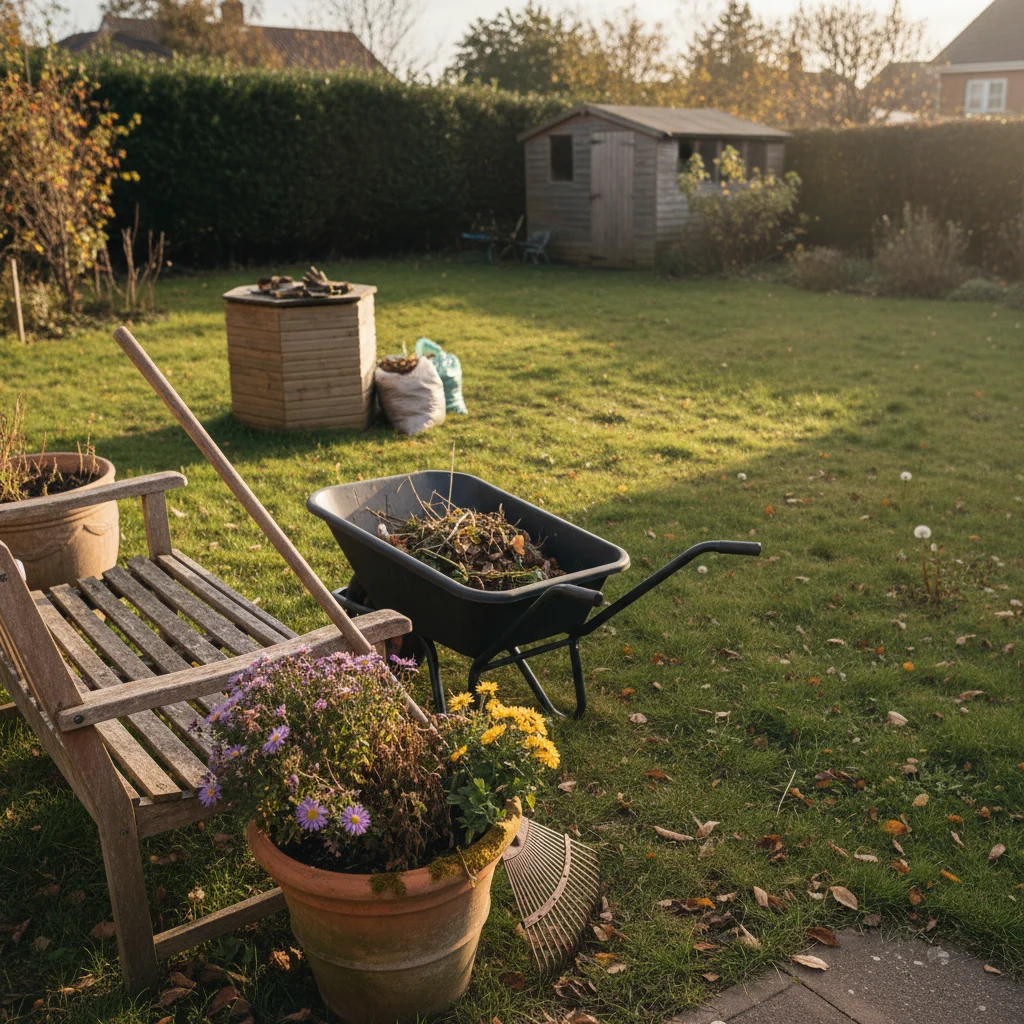
October in a UK garden is a bit of a balancing act. The morning dew stays on the grass a little longer, the air carries that familiar damp chill, and the light starts to fade by tea time. For those of us with smaller urban plots or even just a tiny patch of green tucked between the patio and the fence, this is the most important month of the year.
We often think of lawn care as a summer chore, something involving striped patterns and the smell of fresh clippings. However, what you do right now determines whether you’ll be looking at a lush green carpet or a mossy, waterlogged mess come April. In a city garden, where space is tight and light is often blocked by buildings or tall fences, our grass has to work twice as hard to stay healthy.
You don't need a shed full of expensive machinery or a degree in turf management to get this right. October is about finishing the season's growth and strengthening the roots before the first hard frosts arrive. By following a few realistic steps, we can tuck the lawn in for its winter sleep and ensure it wakes up ready to shine.
Raising the Height of Your Mower
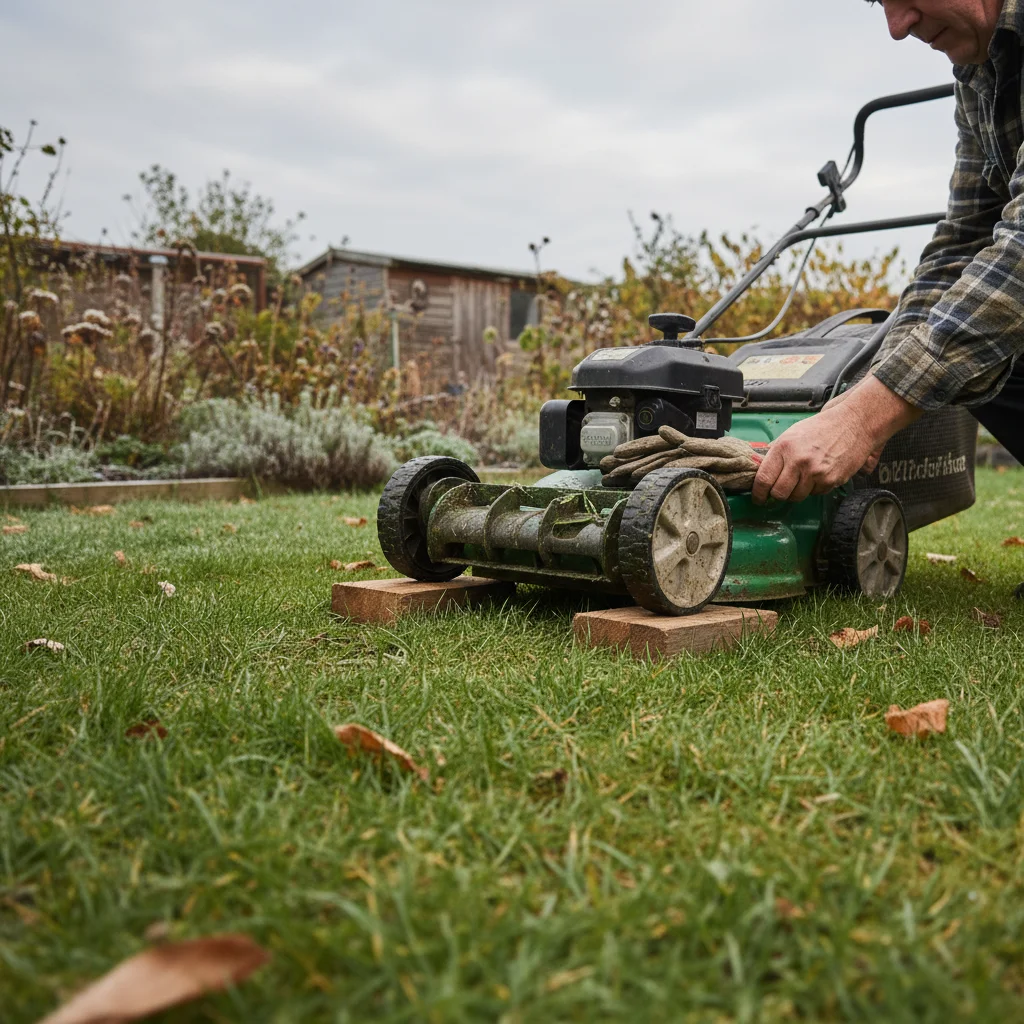
As the growth slows down in response to the cooling temperatures, it is time to change how we mow. Many of us are tempted to give the lawn one last "short back and sides" to keep it looking tidy over winter, but this is actually the worst thing you can do. Short grass is stressed grass, and in the low light of a UK autumn, it needs every millimetre of leaf blade to photosynthesise.
Set your mower blades to a higher setting, ideally around four or five centimetres. This extra height protects the crown of the grass plant from the upcoming frost and helps to shade out moss, which starts to thrive as soon as the grass goes dormant. If you have a very small lawn and use a manual push-mower or even shears, the same rule applies.
We want the grass to stay resilient rather than pretty during the winter months. Longer blades mean deeper roots, and deeper roots mean a lawn that can survive the inevitable January dry spells or the drenching rains we get in February. If the ground is already squelchy or frozen, stay off the mower entirely to avoid tearing the turf.
Feeding for Root Strength Not Leaf Growth
If you only do one thing for your lawn this month, make it a dedicated autumn feed. In the spring and summer, we use fertilisers high in nitrogen to encourage that bright green top growth. In October, that is exactly what we want to avoid. New, soft green shoots triggered by nitrogen will simply be killed off by the first frost, leaving your lawn vulnerable to disease.
Look for a fertiliser specifically labelled as an autumn lawn feed. These are high in potassium and phosphorus, which focus on strengthening the root system and toughening the cell walls of the grass. It is like giving your lawn a warm winter coat rather than a sugary snack.
For those of us with tiny gardens, you don’t need a massive 20kg bag. Small boxes are available that are perfect for a few square metres. Apply it on a day when rain is forecast so the granules are washed down into the soil, or give it a quick sprinkle with a watering can if the weather stays dry.
Dealing with Compaction in Small Spaces
Urban lawns suffer from compaction more than their suburban cousins. Because our gardens are often small, we tend to walk over the same patch of grass every time we hang out the washing or head to the shed. Over time, the soil particles get squashed together, squeezing out the air and making it impossible for water to drain away.
October is the perfect time to fix this before the ground becomes a swamp. You don’t need a motorised aerator; a simple garden fork will do the trick for most small lawns. Simply push the tines into the ground about ten centimetres deep every few inches and give the fork a little wiggle to crack the soil beneath the surface.
This allows oxygen to reach the roots and gives the autumn rain somewhere to go other than sitting in a puddle on top of your grass. If your soil is particularly heavy clay, you can finish by brushing some horticultural sand or top dressing into the holes. This keeps the air channels open all winter long and significantly reduces the risk of moss taking over.
Clearing Leaves and Preventing Moss
In a small garden, a few fallen leaves can quickly cover the entire lawn. While it might look like a lovely autumnal scene, those leaves are a death sentence for the grass underneath. They block out the already limited sunlight and create a damp, dark microclimate that is the perfect breeding ground for fungal diseases and moss.
Try to clear leaves at least once a week. You don't need a leaf blower; a light plastic rake or even a stiff brush is often better for small areas as it doesn't damage the grass. If you have a compost bin, those leaves are "brown gold" and will break down into beautiful leaf mould over the next year.
Moss is the great rival of the urban lawn, especially in north-facing gardens or areas shaded by walls. By keeping the lawn clear of debris and ensuring the soil isn't compacted, you are already winning the battle. If you do see moss creeping in, October is a good time to apply a gentle moss killer, but remember that moss is often a symptom of poor drainage or low light.
Repairing the Summer Wear and Tear
After a summer of garden chairs, kids playing, or just heavy foot traffic, your lawn might have a few bald patches. October is your last chance to get some seed down before the soil temperature drops too low for germination. The ground is still warm from the summer sun, and the autumn rains provide the perfect amount of moisture.
Gently scratch the surface of the bare patch with a hand fork to loosen the soil. Scatter a high-quality lawn seed mix—look for "shaded" or "tough" mixes if your garden is typical of an urban space. Cover the seeds with a tiny bit of compost to hide them from the local pigeons and keep them moist.
Essential October Lawn Tasks
- Raise the mower height to at least 4cm to protect the grass from frost.
- Apply an autumn fertiliser high in potassium to build strong, hardy roots.
- Aerate the soil with a garden fork to improve drainage and prevent waterlogging.
- Remove fallen leaves weekly to prevent moss and fungal diseases from spreading.
- Overseed bare patches while the soil is still warm enough for new growth.
Managing the Edges for a Tidy Look
One of the best ways to make a small lawn look incredible, even when the grass isn't at its best, is to maintain sharp edges. In a compact garden, the transition between the grass and your paving or flower beds is very visible. When these edges get "shaggy," the whole garden starts to look neglected.
Use a long-handled edging iron or even just a large pair of kitchen scissors to trim the grass that grows horizontally over your paths. This simple task takes about ten minutes but has a massive impact on the overall aesthetic of your outdoor space. It creates a clean line that defines the garden’s structure, which is especially important during the winter when there are fewer flowers to look at.
If the edge has crumbled away, you can use a spade to cut out a neat square of turf, flip it around so the straight edge faces the path, and re-fill the gap with a bit of soil and seed. It is a quick fix that makes a world of difference. Keeping the edges sharp also prevents the grass from creeping into your pots or gravel areas, saving you weeding time in the spring.
Considering Lawn Alternatives for Shady Corners
We have to be realistic about what grass can achieve in a city. If you have a corner of the garden that is in permanent shade or where the grass refuses to grow despite your best efforts, October is a great time to think about alternatives. Sometimes, fighting against nature in a small space is more trouble than it’s worth.
You could consider replacing a particularly stubborn patch of lawn with creeping thyme, which smells amazing when stepped on, or even a chamomile lawn. For very damp, shady spots, a deliberate moss garden can look stunning and requires almost no maintenance. These alternatives stay green all winter and don't require the same feeding and mowing regime as traditional turf.
Another option for tiny spaces is to use clover. Micro-clover is becoming increasingly popular in the UK because it stays green during droughts, requires less mowing, and actually fixes nitrogen into the soil, feeding itself naturally. It's a practical, modern solution for the busy urban gardener who wants a bit of green without the high-maintenance demands of a bowling-green finish.
Preparing Your Tools for the Winter
Once you’ve finished your final mow and fed the lawn, don't just shove your tools back into the corner of the balcony or the shed. A little bit of maintenance now will save you a lot of frustration in March. Wipe down your mower blades and, if you use a petrol model, consider draining the fuel or adding a stabiliser so it doesn't go stale over the winter.
For hand tools like shears and forks, a quick rub down with an oily rag will prevent rust from forming in the damp autumn air. We’ve all been there—reaching for the shears in spring only to find them seized shut. Taking five minutes now to clean off the mud and grass clippings makes the start of next season so much more enjoyable.
If you have a very small garden, you might not even need a mower. Many urban gardeners get by with a good pair of shears and a manual rake. Whatever you use, store them somewhere dry. If you’re limited on space, a small weather-proof storage box on a patio can keep your essential lawn kit safe from the elements without cluttering up your living space.
Giving your lawn this little bit of attention in October is the best gift you can give your future self. When the weather warms up next year and your neighbours are struggling with patchy, yellowing grass, yours will be waking up strong, green, and ready to enjoy. Take advantage of a dry Saturday morning this month to get these simple tasks done, and you can rest easy knowing your little patch of green is well-protected for the months ahead.