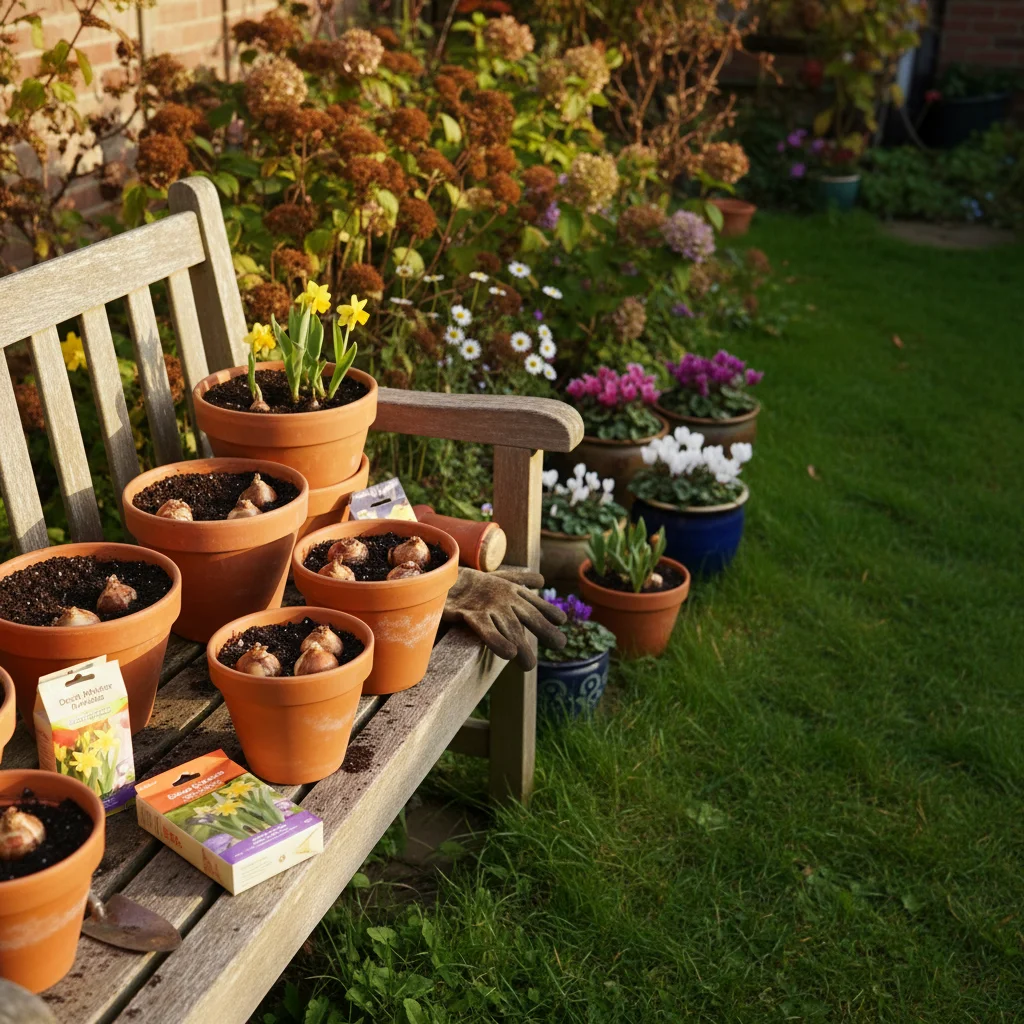
As the late summer sun begins to dip a little lower and the evening air takes on that familiar British chill, it is easy to feel like the gardening year is winding down. For those of us tending to balconies, small patios, or even just a few window boxes, the end of the flowering season can feel a bit flat. However, September is actually one of the most exciting months in the urban gardener's calendar. It is the moment we stop looking at what is fading and start planning for the first bright sparks of next year.
Planting bulbs in September is the ultimate low-effort, high-reward task. You are essentially burying a little time capsule of colour that will explode into life just when you need it most—during those grey, drizzly days of February and March. The beauty of bulbs is that they come with everything they need already packed inside. You don’t need a massive border or a greenhouse to get professional-looking results. A handful of pots and a bit of potting compost are more than enough to transform a concrete space into a spring sanctuary.
We often think of gardening as a hobby that requires hours of weekend graft, but bulb planting is different. It is a quick job that fits into a busy city schedule. You can get twenty bulbs in the ground—or in a pot—in the time it takes for the kettle to boil and a cup of tea to brew. By doing the work now, while the soil is still warm from the summer sun, you give these plants the best possible start to develop strong roots before the winter frosts arrive.
Why September is the perfect time
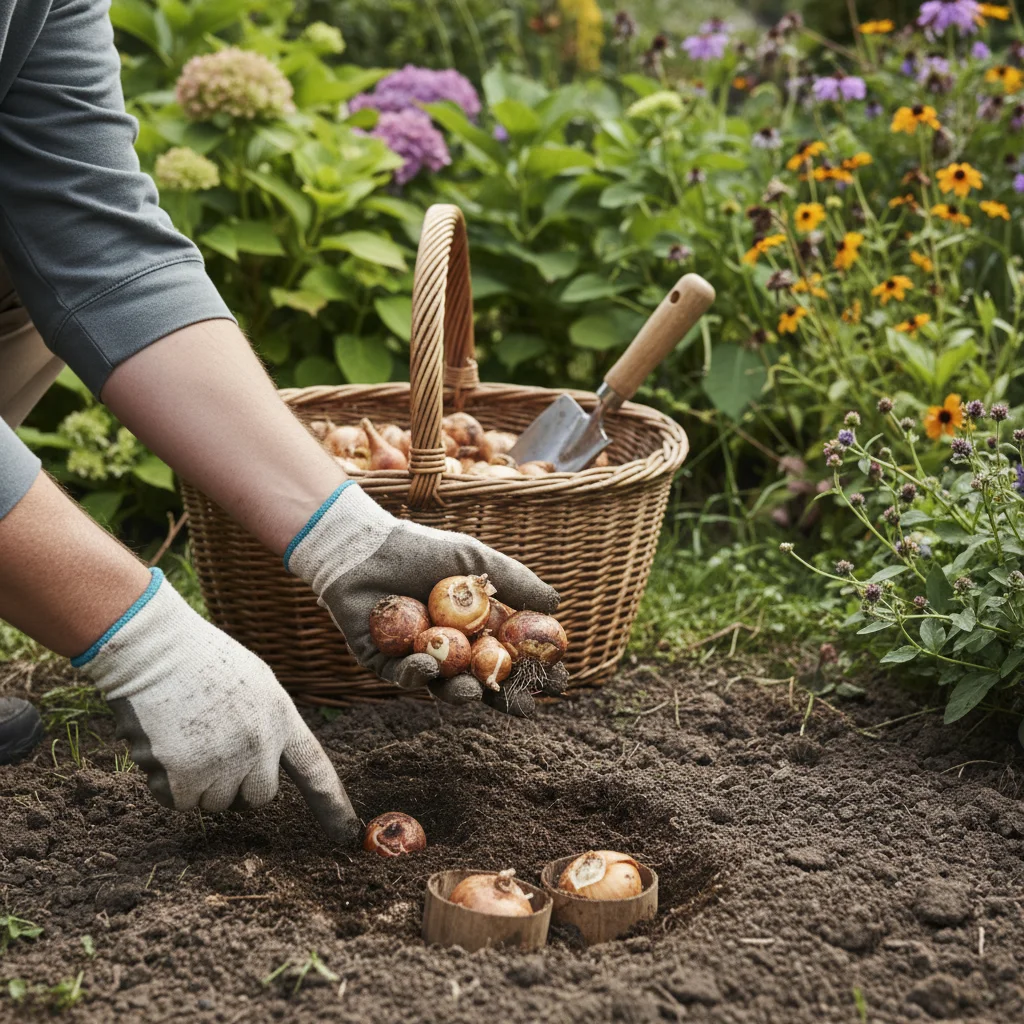
While you might see bulbs on the shelves of garden centres well into November, September is the sweet spot for many of our spring favourites. The soil temperature in the UK during early autumn is ideal. It is warm enough to encourage root growth but cool enough that the bulbs won't be tricked into thinking it is spring and sprouting leaves too early. This early root development is the secret to those sturdy, weather-resistant flowers that can stand up to a blustery London March.
Getting your bulbs into the ground or pots now also means you get the pick of the best varieties. If you wait until the end of the season, you are often left with the shrivelled remains at the bottom of the display bin. By shopping and planting in September, you ensure you are getting plump, healthy bulbs that are full of energy. For those of us with limited storage space, buying and planting immediately is also a practical win—no need to find a cool, dry place to store bags of bulbs for weeks on end.
It is worth noting that while September is great for most bulbs, we usually leave tulips until November to avoid "tulip fire" fungal diseases. But for crocuses, daffodils, and hardy little irises, now is the moment. These early bloomers are the ones that provide the first nectar for bees waking up in early spring, making your small urban space a vital pit stop for city wildlife.
Picking the right bulbs for small spaces
When space is at a premium, every plant has to earn its keep. On a balcony or a small patio, you want varieties that are compact, sturdy, and pack a punch in terms of colour or scent. Tall, lanky daffodils might look lovely in a sprawling country meadow, but on a windy fourth-floor balcony, they are likely to end up snapped or flattened. Instead, we look for "miniature" or "dwarf" varieties that stay low to the ground and have thicker stems.
Fragrance is another factor that urban gardeners should prioritise. Because our outdoor spaces are often close to our living areas, a scented bulb can fill a whole room with the smell of spring when the window is cracked open. Hyacinths are the classic choice here, but some of the smaller narcissi are surprisingly powerful. Choosing a mix of early and late-flowering varieties also ensures your display lasts for weeks rather than days.
Best bulbs for pots and window boxes
If you are wondering which varieties will thrive in the unique conditions of an urban garden—where light might be limited and pots can dry out quickly—these are my top recommendations for September planting.
- Crocus tommasinianus: These are incredibly tough and one of the first to flower. They don't mind a bit of shade, which is perfect for balconies tucked between tall buildings.
- Iris reticulata: These jewel-like flowers are tiny but spectacular. Their deep purples and bright yellows look stunning in a window box where you can see the intricate details up close.
- Narcissus Tête-à-tête: The gold standard for pots. They are short, multi-headed, and virtually indestructible, standing up to wind and rain without flinching.
- Muscari armeniacum: Also known as Grape Hyacinths. They provide a brilliant carpet of blue and are great for filling the gaps between larger bulbs.
- Hyacinthus orientalis: Choose varieties like 'Delft Blue' for that classic spring scent. They work beautifully in individual pots on a bistro table.
Mastering the bulb lasagna technique
One of the biggest challenges we face in small-space gardening is the "one and done" problem. You plant a pot, it flowers for two weeks, and then you are left with a container of dying leaves for the rest of the season. The "bulb lasagna" or layered planting method is the solution to this. It allows you to pack a huge amount of colour into a single pot by layering bulbs at different depths based on their flowering times and size.
Start with a large, deep pot. Make sure it has good drainage holes—this is non-negotiable for bulbs, as they will rot in soggy London winter soil. Place a layer of grit or broken crocks at the bottom, then a few inches of peat-free compost. The bulbs that flower latest and grow tallest go in first, at the bottom. Usually, this would be your tulips or large daffodils. Cover them with a layer of compost, then add your middle-layer bulbs, like hyacinths or smaller narcissi.
Finally, cover those with more compost and plant your smallest, earliest bulbs like crocuses or irises near the surface. You can even top the whole thing with some winter pansies or violas so the pot looks pretty while the bulbs are sleeping underneath. As spring progresses, the different layers will push through and flower in succession, giving you a continuous display from February through to May from just one footprint of space.
Dealing with urban gardening challenges
Urban gardening comes with its own set of hurdles. We deal with wind tunnels between high-rise buildings, the "urban heat island" effect that can make spring arrive a week early, and of course, the ever-present squirrels. Squirrels are the nemesis of the bulb planter; they seem to have a sixth sense for when you have just buried a fresh crocus. If you find your pots are being dug up, try a bit of chicken wire or some prickly holly leaves tucked just under the surface of the soil.
Drainage is another big one. In a garden, excess rain soaks into the ground, but in a pot on a balcony, it has nowhere to go. If the compost stays waterlogged, your bulbs will simply turn to mush before they ever have a chance to grow. Always use "pot feet" or even just a few flat stones to lift your containers off the ground. This allows water to drain away freely and prevents the base of the pot from becoming a swamp.
Don't worry if your balcony doesn't get eight hours of direct sunlight. Many spring bulbs, particularly those that naturally grow in woodland settings like Scilla or certain varieties of Narcissus, are perfectly happy in partial shade. The key is to avoid the darkest, most enclosed corners where the air doesn't circulate. As long as they get a bit of morning or afternoon light, they should perform beautifully.
Simple tips for healthy spring bulbs
To ensure your display is a success, keep these practical points in mind while you are out there with your trowel this month.
- Check for firmness: Only plant bulbs that feel solid. If they are soft, mushy, or have a lot of blue mould, throw them away.
- Pointy side up: Most bulbs have a clear "nose" and a flat base with roots. If you aren't sure, plant them on their side; the plant will usually figure out which way is up.
- Plant deep enough: A good rule of thumb is to plant bulbs at two to three times their own depth. This protects them from frost and squirrels.
- Don't overwater: Once you have watered them in after planting, the British autumn rain will usually do the rest of the work for you.
- Label your pots: It is very easy to forget what you planted where. Use a small marker so you don't accidentally dig them up later in the year.
Maintaining your pots through winter
Once your bulbs are in, they are remarkably self-sufficient. Unlike summer bedding plants that need constant deadheading and daily watering, bulbs are happy to be left to their own devices. During a particularly dry autumn, check the pots occasionally to make sure the compost hasn't dried out completely, but otherwise, you can largely ignore them until the first green shoots appear.
If we get a very hard frost, you might want to wrap your most exposed pots in a bit of bubble wrap or move them closer to the walls of the house for a bit of extra warmth. Small pots freeze much faster than the ground, and while most bulbs are hardy, the extreme cold can sometimes damage the flower buds if they are right against the edge of a thin plastic pot. Terracotta is better for insulation, but it can crack in the frost, so choose frost-hardy pots if you can.
When the flowers eventually fade next spring, resist the urge to cut the green leaves off immediately. Those leaves are the engine room for next year’s display. They use sunlight to create energy which is then stored back down in the bulb. Let them turn yellow and die back naturally. It might look a bit untidy for a week or two, but it ensures that your bulbs will come back even stronger the following year, saving you money and effort in the long run.
Taking an hour this weekend to tuck a few bulbs into a window box or a patio pot is the best gift you can give your future self. When the winter feels like it has gone on forever and the city feels a bit too grey, those first flashes of yellow and purple will be a reminder that spring is finally on its way. Grab a bag of bulbs, find a spare corner, and get planting—you’ll be so glad you did when February rolls around.