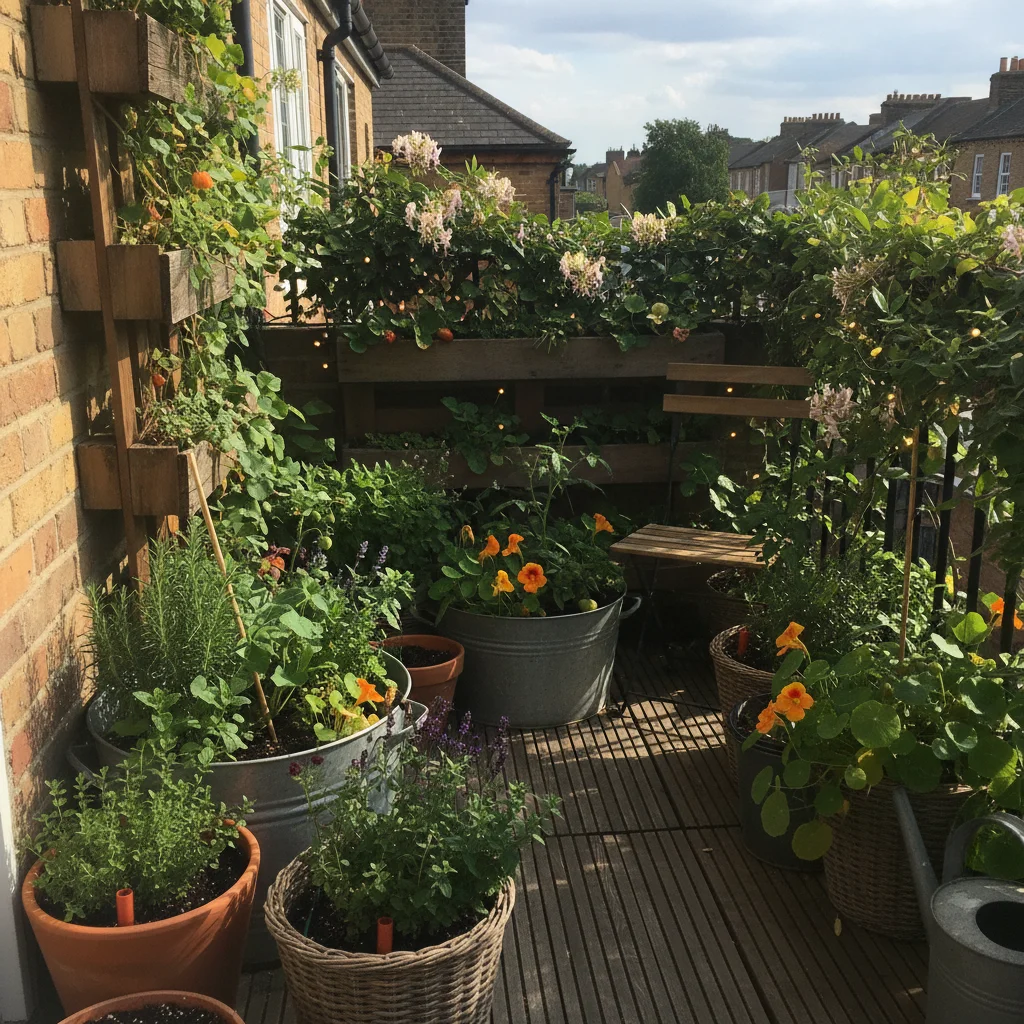
I used to think that gardening was something that only happened at ground level. When I moved into my first flat with nothing but a small, breezy balcony, I felt a bit lost. I missed the feeling of soil under my fingernails and the joy of watching a seedling poke its head through the earth. But I soon realised that you don't need a sprawling lawn or a massive allotment to create a beautiful, productive sanctuary. Whether you have a tiny Juliet balcony or a larger terrace, you can absolutely create a flourishing garden in the sky.
It is much easier than you think to get started. You don’t need to be a landscape designer or have a huge budget. All you really need is a bit of imagination, a few sturdy pots, and the right plants for your specific spot. In a typical UK summer, a balcony can actually be a wonderful place for plants because it often stays a few degrees warmer than the ground, protected by the heat soaking into the walls of the building.
Before you rush off to the garden centre, take a moment to look at your space. Gardening is all about working with what you have. I’ve spent years trial-and-erroring different crops in my own small spaces, and I’ve learned that a little bit of planning goes a long way. Let’s look at how you can turn that empty concrete patch into your favourite "room" in the house.
Understanding your balcony microclimate
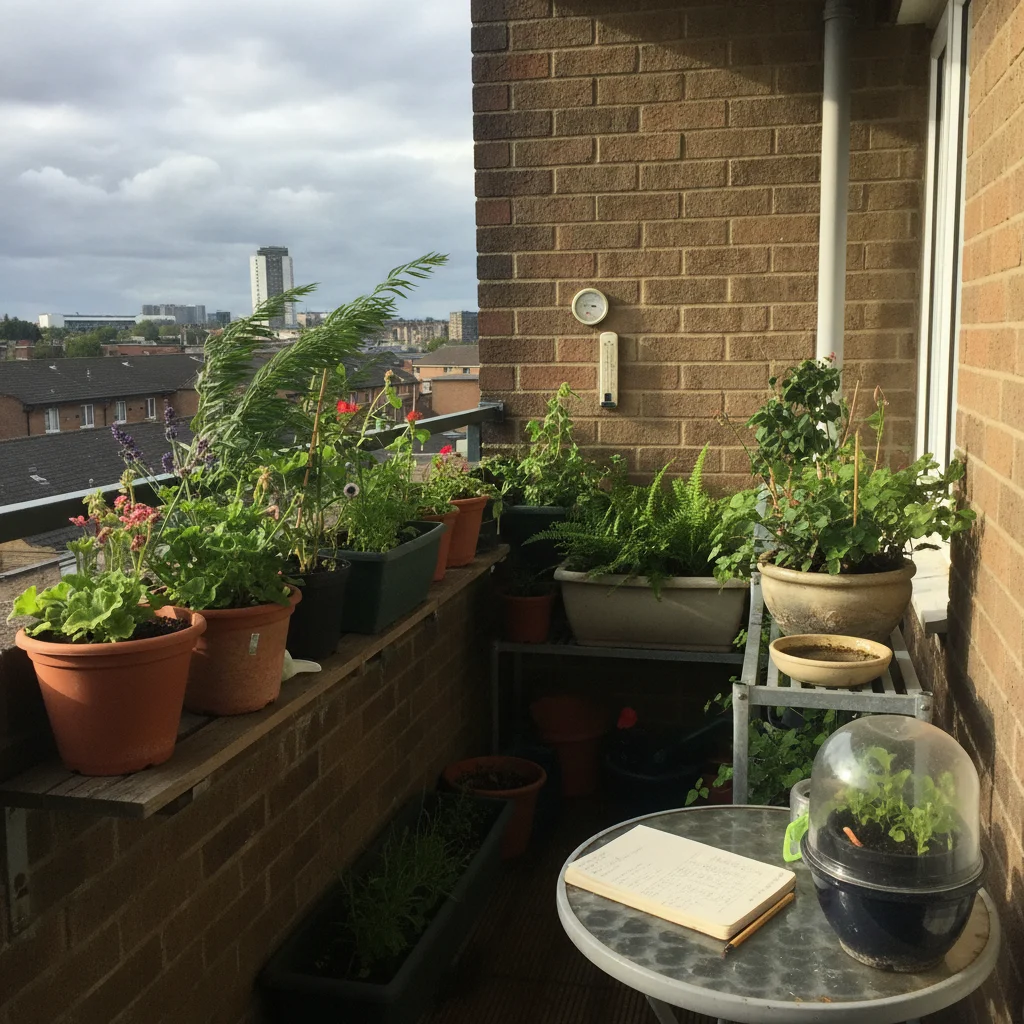
The first thing we need to talk about is the environment. A balcony isn't quite like a traditional garden. It has its own "microclimate," which is just a fancy way of saying the specific weather conditions on your balcony. You might find it’s much windier up there than it is at street level, or perhaps it’s a total sun-trap that gets incredibly hot in the afternoons.
Spend a day observing where the sun falls. Does it hit your balcony first thing in the morning, or is it a late-afternoon glow? This matters because a "sun-loving" plant like a tomato needs at least six hours of direct light. If your balcony is north-facing and mostly in the shade, you’ll want to focus on lush leafy greens and ferns instead. We want your plants to thrive, not just survive, so matching the plant to the light is the best way to start.
Wind is the other big factor. If you are several floors up, the breeze can be quite drying for plants. It can whip the moisture right out of the leaves and topple over top-heavy pots. I always suggest choosing heavier pots for the floor and looking for plants with flexible stems or low profiles if you’re in a particularly blustery spot. Think about how the wind moves around your space before you commit to tall, delicate flowers that might snap.
Making the most of vertical space
When floor space is limited, the only way is up. Vertical gardening is the secret weapon of every balcony gardener I know. Instead of cluttering the floor where you want to sit with a coffee, use the walls and railings. You can turn a plain brick wall into a living tapestry of green with just a few simple additions.
Trellises are a fantastic starting point. You can lean a simple wooden trellis against a wall or secure it firmly to allow climbers to scramble upwards. Plants like clematis or even climbing beans look beautiful and provide a natural screen. If you’re worried about drilling into walls, there are many free-standing tiered shelving units available that let you stack pots on top of each other like a floral staircase.
Don't forget the railings. Over-the-rail planters are brilliant for herbs and trailing flowers like lobelia or petunias. Just make sure they are very securely fastened. We’ve all seen a plastic pot take flight during a sudden British gale, and we definitely want to avoid that. Using the vertical plane not only gives you more room for plants but also creates a sense of being enclosed in a private, green cocoon.
Choosing the right containers for safety and style
The pots you choose are just as important as the plants themselves. On a balcony, we have to think about weight. While a massive stone trough looks lovely, it might be too heavy for some balcony structures once it’s full of wet soil. I usually recommend lightweight materials like resin, fibreglass, or even good-quality plastic that mimics the look of terracotta or lead.
Drainage is another essential point that often gets overlooked. Most plants hate having "wet feet," which happens when water sits at the bottom of the pot with nowhere to go. Always check that your pots have holes in the bottom. If they don’t, you’ll need to drill some. I like to put a few "crocks"—which are just broken bits of old clay pots or even large stones—over the holes to stop the soil from blocking them up.
Think about the size of the pots too. It’s tempting to buy lots of tiny, cute pots, but they dry out incredibly quickly in the sun and wind. Larger pots hold more compost (planting soil), which means they stay moist for longer and give the roots more room to grow. A few large, well-planted containers often look much more "designer" and are far easier to look after than a dozen tiny ones scattered about.
Picking plants that thrive in the wind and sun
Once you know your light levels, the fun part begins. If you have a sunny, south-facing balcony, you can go for a Mediterranean vibe. Lavender, rosemary, and thyme love the heat and don't mind a bit of wind. They also smell incredible when you brush past them. For a splash of colour, pelargoniums (often called geraniums) are absolute stalwarts for balconies because they are tough as boots and flower for months.
For those with shadier spots, don't despair. You can create a cool, woodland-style retreat. Hostas have magnificent foliage, and many ferns will happily wiggle their fronds in the shade. You can even grow some beautiful flowers like fuchsias or begonias that actually prefer to stay out of the harsh midday sun. These plants often have a lovely, calming effect and turn a grey corner into a lush hideaway.
If you are high up and the wind is a constant companion, look for "tough" plants with narrow or waxy leaves. Ornamental grasses are wonderful for this. They catch the light beautifully and make a lovely rustling sound in the breeze, which can help mask the noise of city traffic below. They are very resilient and add a modern, architectural feel to your sky garden without needing constant fussing.
Easy crops for balcony pots
Growing your own food is one of the most rewarding things you can do, and you don't need an allotment to do it. Many vegetables have been specifically bred to grow in containers. I’ve had great success with "dwarf" or "patio" varieties that stay compact but still produce a fantastic harvest. Here are a few of my favourite things to grow when space is at a premium:
- 'Tumbler' tomatoes: These are bred to trail downwards, making them perfect for hanging baskets or high shelves.
- Salad leaves: You can sow these "cut and come again" seeds in shallow troughs and have fresh greens in just a few weeks.
- Chilli peppers: They love a sunny windowsill or a warm balcony and look like little jewels as they ripen.
- Strawberries: These grow brilliantly in pots and even hanging pouches, keeping the fruit away from slugs.
- Radishes: These are the ultimate beginner crop because they grow so fast you can almost see them moving.
- Mint and Chives: These are incredibly hardy and will keep coming back year after year with very little help.
When you start sowing (planting seeds), remember that you don't have to do everything at once. Start with a few pots of herbs or a single tomato plant. There is nothing quite like the taste of a sun-warmed tomato that you grew yourself, and it’s a great way to build your confidence before moving on to more ambitious crops.
Watering and feeding your sky garden
Watering is the most frequent task you’ll have as a balcony gardener. Because pots are exposed on all sides, the soil dries out much faster than it would in the ground. In the height of summer, you might find you need to water every single day. I always suggest the "finger test"—stick your finger an inch into the soil. If it feels dry, it’s time for a drink.
If you have a busy schedule, self-watering pots can be a lifesaver. These have a reservoir at the bottom that the plant can drink from as needed. Alternatively, you can buy simple glass globes or plastic spikes that slowly drip water into the soil. For a larger collection of pots, a simple gravity-fed drip irrigation system can be set up quite easily, taking the stress out of a weekend away.
Plants in pots also need a bit of extra food because they eventually use up all the nutrients in their compost. After about six weeks, I start using a liquid seaweed fertiliser or a general-purpose plant food once a fortnight. It’s like giving your plants a multivitamin. It keeps the leaves green and encourages more flowers or fruit to grow. It’s a small step that makes a massive difference to how vibrant your balcony looks.
Creating a sanctuary for wildlife and yourself
Even high up in a block of flats, you’ll be surprised at how much wildlife will find your garden. Bees and butterflies are excellent at flying up to find nectar. By planting pollinator-friendly flowers like single-flowered dahlias or borage, you’re providing a vital pit-stop for these busy insects. It’s a lovely feeling to sit outside and hear the hum of a bumblebee visiting your flowers.
Your balcony should also be a place for you to relax. Think about how you want to use the space. If you want to read a book, make sure there’s a comfortable chair with a small table for your tea. If you like to entertain, maybe a foldable bench and some outdoor cushions would work better. Adding some solar-powered fairy lights or a small lantern can turn the balcony into a magical spot as the sun goes down.
Privacy is often a concern in urban areas. You can use your plants to create a natural screen. Tall bamboos in long troughs are excellent for this as they grow quickly and provide a dense, rustling wall of green. Alternatively, a trellis with a fast-growing climber like hops or honeysuckle can block the view from neighbours while filling the air with a beautiful scent.
Maintaining your garden through the seasons
Gardening isn't just a summer hobby; it’s something that can bring joy all year round. In the UK, we have to be mindful of the first frosts. Some of your more delicate plants, like fuchsias or chillies, might need to come indoors to a sunny windowsill for the winter. For the hardier plants that stay outside, you can wrap the pots in bubble wrap or burlap to stop the root ball from freezing solid.
As autumn arrives, you can swap out tired summer bedding for winter-flowering pansies, cyclamen, or evergreen shrubs that keep their leaves. This keeps the balcony looking alive even when the days are short and grey. I always find that seeing a bit of green through the glass door during a cold January morning does wonders for my mood.
Spring is the time for a bit of a "spring clean." Empty out any pots where the plants didn't make it, scrub them clean, and top up the soil with fresh, peat-free compost. This is also the perfect time to plant bulbs like tulips and daffodils. They take up almost no room but provide a massive burst of colour just when we need it most.
Getting started with your balcony oasis
The most important thing to remember is that there are no real rules—only what works for you and your space. Don't be afraid to move pots around if a plant looks unhappy, and don't worry if something doesn't grow perfectly the first time. We have all had a tray of seedlings go leggy or a plant that just refused to flower. It’s all part of the learning process.
Start small with a few things you love to eat or flowers that make you smile. You’ll find that as your little garden grows, so will your confidence. Before you know it, you’ll be the person with the "green balcony" that everyone looks up at as they walk past. It’s a wonderful way to reconnect with nature and create a little piece of paradise right outside your door.
The best time to start is right now. Go outside, take a look at that space, and imagine what it could be. Whether it’s a single pot of mint for your mojitos or a wall of climbing roses, your balcony is a blank canvas just waiting for a bit of green. You’ll be amazed at how much a few plants can transform not just your home, but your whole outlook on city living.