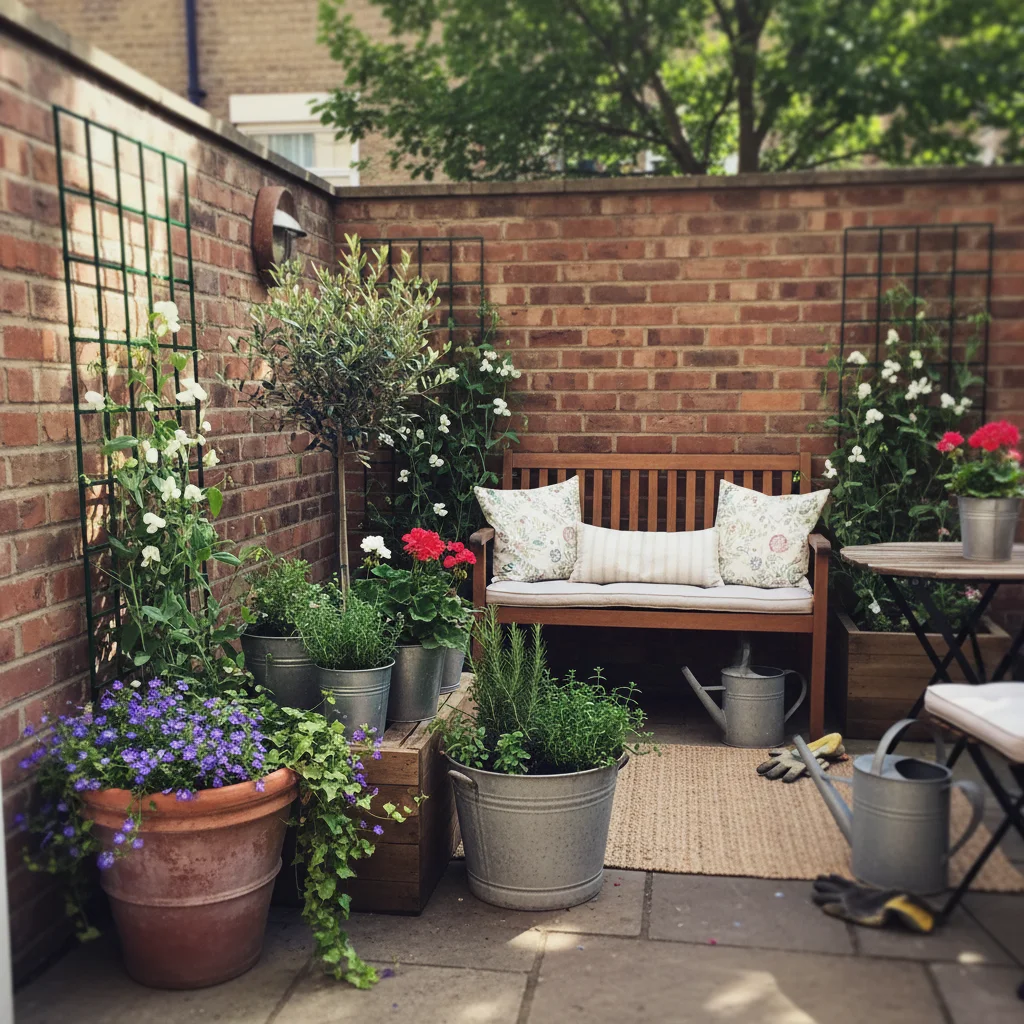
We have all looked out at a small, grey patio and felt a bit uninspired. It is easy to think that because you don’t have a rolling lawn or a massive allotment, you can’t have the garden of your dreams. I’ve spent years growing herbs and veg in my own small Yorkshire plot, and I can tell you that some of the most beautiful gardens I’ve ever seen were no bigger than a parking space.
Transforming a patio into a paradise is much easier than you think. It isn’t about how much room you have, but how you use every square inch. Whether you want a quiet spot for your morning tea or a lush jungle of edible plants, you can achieve it with a bit of planning and a few clever design tricks.
The first step is to stop seeing your patio as a storage area for old pots and a rusty barbecue. Instead, try to view it as an extra room of your house that just happens to be outside. Once you make that mental shift, the design possibilities start to open up, and you’ll find that even the smallest balcony or paved corner can become a functional, living sanctuary.
Think About How You Use the Space
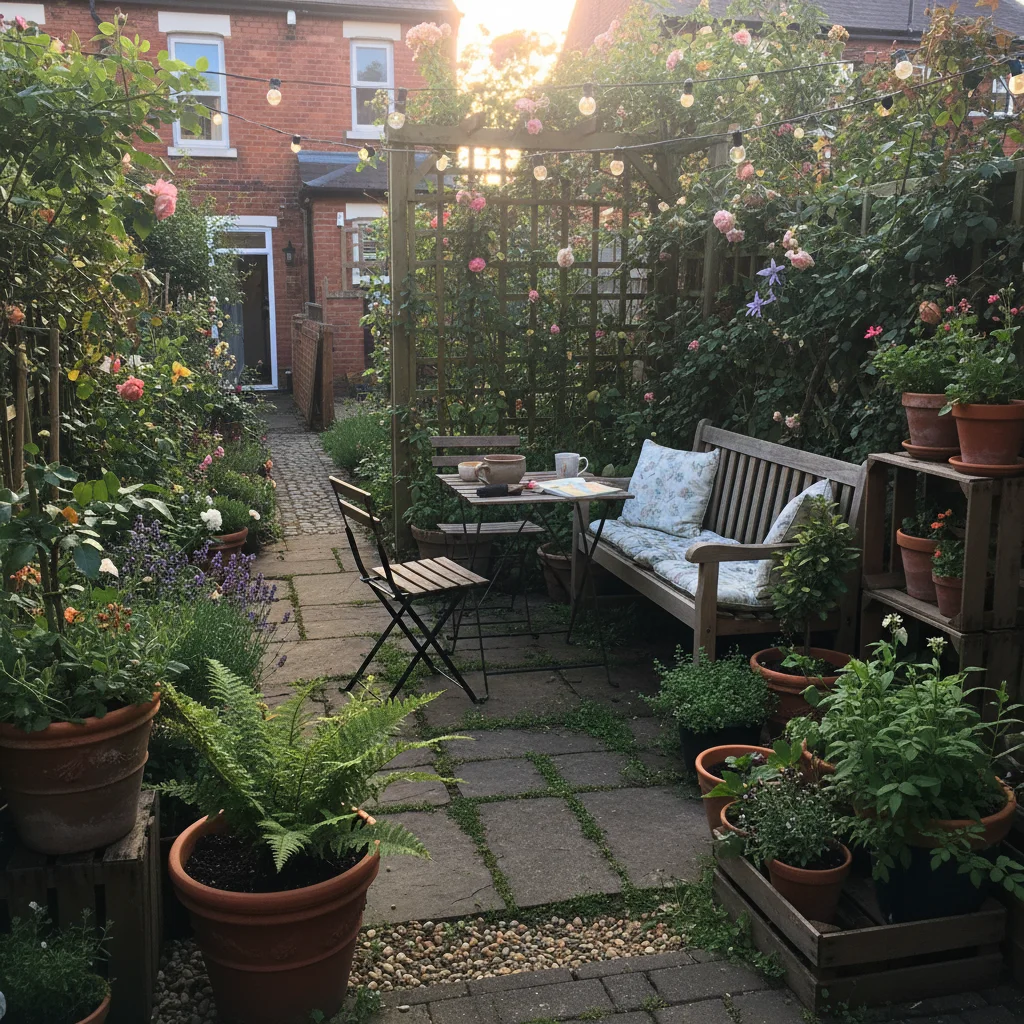
Before you buy a single bag of compost or a new chair, you need to decide what your patio is actually for. We often try to cram everything into a small space—a dining table, a sun lounger, a herb garden, and a play area—and end up with a cluttered mess. It is much better to pick one or two primary functions and design around them.
If you love cooking, you might want to focus on a "chef’s patio" filled with fragrant herbs and a small bistro set. If you need a place to unwind after a busy day, you should prioritise comfortable seating and soft, calming greenery. Think about when you’ll be using the space most; if it’s for evening drinks, you’ll want to consider how the light hits the patio in the late afternoon.
In a typical UK summer, our weather can be a bit unpredictable, so flexibility is your best friend. Choosing furniture that can be easily moved or folded away allows you to change the layout depending on your needs. You can have a clear space for the kids to play in the morning and a cosy dining spot by the time the sun goes down.
Make the Most of Vertical Space
One of the biggest secrets to small space garden design is to stop looking at the floor and start looking at the walls. When floor space is limited, the only way to go is up. Vertical gardening is a fantastic way to surround yourself with greenery without losing room for your table and chairs.
You can use trellises, wall-mounted planters, or even old wooden pallets to create a living wall. Climbing plants like Clematis or Star Jasmine (Trachelospermum jasminoides) are perfect for this. They grow quickly and provide a beautiful, scented backdrop that makes the patio feel much more private and enclosed.
Hanging baskets are another classic UK garden staple that work wonders on a patio. You can fill them with trailing flowers or even "Tumbler" tomatoes, which look lovely and provide a tasty harvest. By lifting your plants off the ground, you create a sense of depth and layers that makes the entire area feel much larger than it actually is.
Choose the Right Containers
When you are gardening on a patio, your containers are your flower beds. It is tempting to buy lots of small pots because they are easy to carry, but this is often a mistake. Small pots dry out incredibly quickly in the summer heat and can make a small space look cluttered and "bitty."
Instead, try to use a few large, statement pots. Large containers hold more moisture, which means you won't have to water them as often, and they provide a much more stable environment for your plants' roots. They also create a cleaner, more modern look that acts as an anchor for your design.
Think about the material of your pots too. Terracotta looks beautiful and classic, but it is porous and can dry out fast. Plastic or composite pots are lighter and hold onto water better, which is helpful if you have a busy schedule. Just make sure whatever you choose has plenty of drainage holes at the bottom so your plants don't end up with "wet feet" after a heavy British downpour.
Selecting the Best Plants for Your Patio
Choosing plants for a patio is the most exciting part, but it can be overwhelming. You want a mix of plants that offer different heights, textures, and colours. Because you’ll be sitting close to them, it’s worth picking varieties that have a lovely scent or interesting foliage that you can appreciate up close.
In a small space, every plant has to earn its keep. I like to choose varieties that offer more than one season of interest. For example, a blueberry bush has lovely white flowers in the spring, delicious fruit in the summer, and stunning red leaves in the autumn. It’s a hard-working plant that looks great year-round.
If you’re just starting out, here are a few reliable plants that thrive in the UK climate and look wonderful in patio containers:
- Lavender 'Munstead' — A hardy, compact lavender that smells divine and attracts bees.
- Rosemary — A tough evergreen herb that provides structure and can be used in your Sunday roast.
- Heuchera — Known for their incredible leaf colours, from lime green to deep purple, they love a bit of shade.
- Skimmia japonica — A fantastic evergreen shrub that produces bright red berries in the winter.
- Fuchsia — Perfect for hanging baskets or pots, providing a splash of colour all summer long.
- Erigeron karvinskianus — Also known as Mexican fleabane, this tiny daisy-like flower will happily grow in the cracks between paving slabs.
Adding Year Round Colour and Interest
We’ve all had that feeling in January when the garden looks a bit bleak and brown. However, a well-designed patio should look good even when the first frosts come. The key is to include plenty of evergreens and plants with interesting winter structure.
Box (Buxus) balls or small conifers can provide a permanent green framework for your patio. You can then tuck seasonal bulbs around them. In autumn, plant some tulips or daffodils in your pots; they will sit quietly underground through the winter and then provide a much-needed burst of colour in the spring.
Don't forget about winter-flowering plants like Hellebores (Christmas Roses) or winter pansies. These hardy little gems can withstand the cold and will brighten up your view through the window on those grey, rainy days. Adding a few decorative elements like lanterns or outdoor mirrors can also help reflect the limited winter light and keep the space feeling intentional.
Privacy and Screening for Small Spaces
One common problem with patios, especially in urban areas or new builds, is that they can feel a bit overlooked. You want your patio to feel like a private retreat, not a stage for the neighbours to watch. Creating a sense of enclosure is vital for making the space feel cosy and functional.
You don’t need to build a giant fence to get privacy. Tall, airy plants like Bamboo (in pots!) or ornamental grasses can create a soft, rustling screen that blocks the view without feeling heavy or oppressive. Stipa tenuissima is a lovely grass that catches the breeze and adds a sense of movement to the patio.
Another trick is to use a large parasol or a sail shade. Not only do these provide much-needed shade during a rare UK heatwave, but they also block the view from upstairs windows. By creating a "ceiling" for your outdoor room, you make the space feel much more intimate and protected.
Furniture and Decor for Tiny Patios
When it comes to furniture, the "less is more" rule usually applies to small patios. Huge, chunky rattan sets might look great in a showroom, but they can swallow up a small space and make it impossible to move around. Look for "bistro" style sets or slimline metal furniture that lets light pass through it.
If you really want a lounge feel, consider a built-in bench along one wall. This provides plenty of seating without the footprint of individual chairs, and you can even build in storage underneath for your bags of compost and watering cans. Adding a few outdoor cushions and a rug can instantly make the space feel more "finished" and comfortable.
Lighting is the final touch that turns a patio into a paradise. Solar-powered fairy lights or festoon lights are very easy to install and don't require an outdoor socket. In the UK, it’s worth investing in high-quality solar lights that can still charge on cloudy days, so you can enjoy a warm glow well into the evening.
Keeping Your Patio Garden Healthy
Maintenance in a small space is generally much easier than looking after a large garden, but it still requires a little bit of regular attention. Because patio plants are usually in pots, they rely entirely on you for their food and water. They can't send their roots deep into the ground to find moisture during a dry spell.
During the height of summer, you may need to water your pots every day, ideally in the early morning or late evening. It is also a good idea to use a liquid fertiliser every two weeks during the growing season. This replaces the nutrients that get washed out of the compost every time you water, ensuring your plants stay lush and healthy.
Deadheading—which just means snipping off faded flowers—is another simple task that makes a huge difference. It encourages the plant to put its energy into making new blooms rather than setting seed, which keeps your patio looking colourful for much longer. It’s a very therapeutic job to do with a cup of tea in hand on a Saturday morning.
The most important thing to remember is that your patio is a work in progress. You don't have to do everything at once. Start with a couple of nice pots and a comfortable chair, and see how you feel. You can always add more plants or a new bit of decor as you get to know the space and how the light moves across it.
If you start small and focus on the things that bring you joy, you will soon find that your patio is your favourite "room" in the house. Why not head to your local garden centre this weekend and pick out one beautiful, large pot to start your transformation? You’ll be surprised at how much of a difference a single plant can make to your outdoor living space.