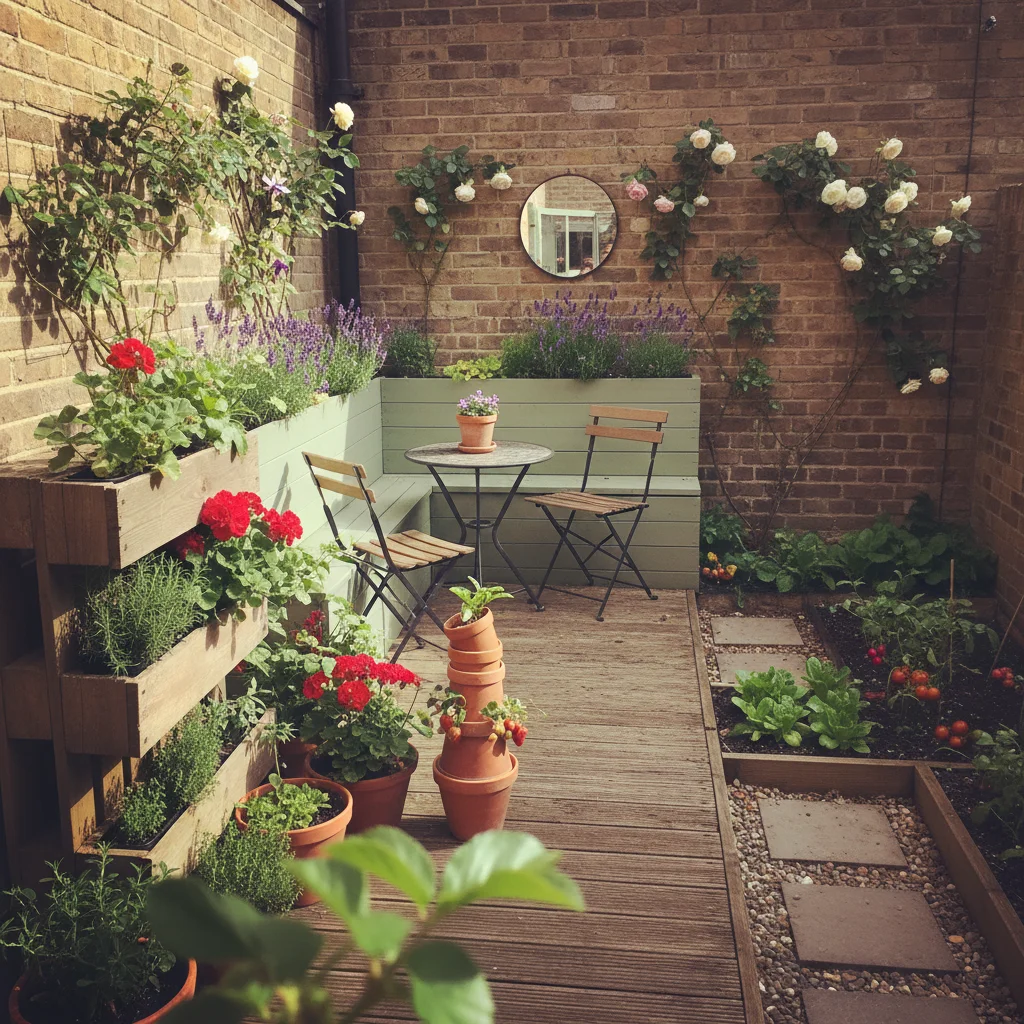
We have all stood in a small backyard or on a tiny balcony and felt a little bit stuck. It is easy to look at a narrow side-return or a concrete patio and think that a lush, productive garden is out of reach. I remember my first tiny plot in a rainy corner of Yorkshire where I was convinced nothing would grow.
The truth is that a small space is actually a wonderful opportunity. You do not need acres of land to create a sanctuary or grow your own food. In many ways, a smaller garden is easier to manage and much more rewarding to design. You can see the results of your hard work almost instantly, and every single plant choice makes a real difference.
It is much easier than you think to turn a grey corner into a green one. By thinking about your space in a new way, you can pack in far more than you might imagine. Whether you have a balcony, a courtyard, or just a few window boxes, you can achieve a big impact with just a few clever tweaks.
Think Upwards Not Outwards
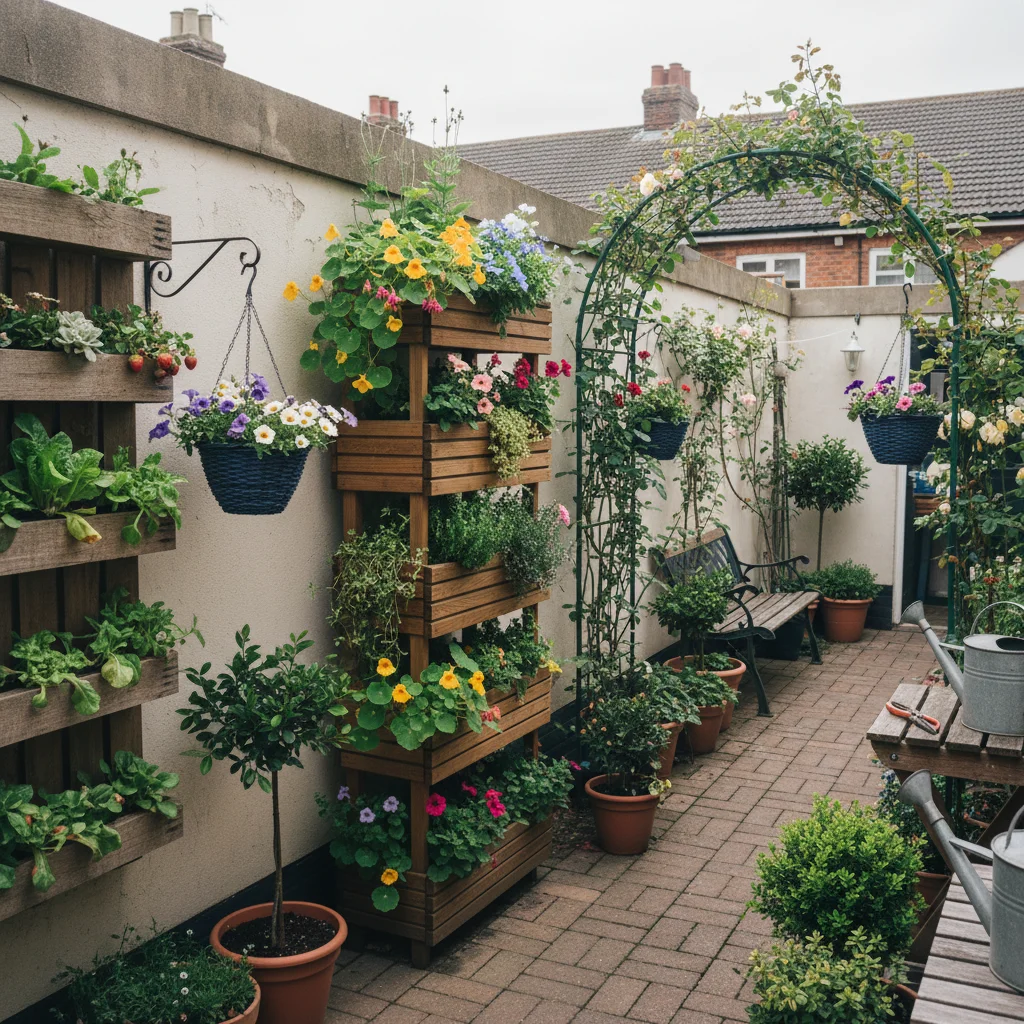
When floor space is limited, the only way to go is up. We often forget that walls, fences, and even the sides of sheds are prime real estate for growing. Vertical gardening is one of the most effective ways to double your growing area without taking up a single extra inch of patio.
You can start by attaching simple wooden trellises to your fences. These provide a sturdy framework for climbing plants like clematis or honeysuckle, which will fill the air with scent during the summer. If you want something edible, runner beans and peas are fantastic climbers that look beautiful and provide a great harvest.
Wall-mounted planters or living wall kits are another brilliant option. These are essentially pockets or pots that fix directly to a vertical surface. They are perfect for growing a living tapestry of ferns in a shady spot or a vibrant collection of succulents in a sunny one.
Hanging baskets are the classic space-saver for a reason. They keep the ground clear while adding splashes of colour at eye level. Just remember that baskets can dry out quickly in a typical UK summer breeze, so you might want to look for self-watering versions or add water-retaining granules to your compost.
Choose Plants That Work Harder
In a large garden, you can afford to have plants that only look good for a few weeks a year. In a small space, every plant needs to earn its keep. You want to look for "multi-taskers" that offer beautiful flowers, interesting foliage, and perhaps even a harvest.
Dwarf varieties are your best friends when space is at a premium. Plant breeders have spent years developing smaller versions of our favourite garden classics. You can now find patio fruit trees that stay naturally small but still produce full-sized apples or pears. These are often grown on "dwarf rootstock," which simply means the roots are bred to limit the height of the tree.
I always recommend looking for plants with long flowering periods. Hardy geraniums are a fantastic choice for UK gardens because they are tough and will flower for months on end. If you choose a variety like 'Rozanne', you will have beautiful blue blooms from early summer right through to the first frosts of autumn.
Don't forget about fragrance. In a small courtyard, scent can linger and create a truly immersive experience. A single pot of lavender or a jasmine climber can make the whole area feel like a luxury spa. It is all about choosing plants that provide the most "bang for your buck" in terms of sensory appeal.
Mastering the Art of Containers
If you are gardening on a patio or balcony, containers will be the backbone of your garden. The secret to a successful small space is to go for fewer, larger pots rather than dozens of tiny ones. A collection of small pots can often look cluttered and they are much harder to keep watered.
Large pots hold more compost, which means they retain moisture for longer. This is vital during those odd weeks of heat we get in July. A large, beautiful terracotta or glazed ceramic pot can also act as a focal point, drawing the eye away from any less attractive features like bins or drainpipes.
When you are planting up your pots, remember the "thriller, filler, and spiller" rule. The thriller is your tall, dramatic plant in the centre. The fillers are mid-sized plants that bulk out the pot, and the spillers are trailing plants that tumble over the edges. This simple technique makes any container look professional and lush.
Grouping your pots together in odd numbers, like threes or fives, usually looks more natural than a straight line. You can use pot feet or even old bricks to create different heights. This creates a "tiered" effect that mimics a traditional garden border and makes the space feel much deeper than it actually is.
Grow Your Own in Tiny Spaces
You do not need a big allotment to enjoy the taste of home-grown veg. Many edible plants are perfectly suited to life in a pot or a small raised bed. I have grown full salads on a windowsill and enough tomatoes for a summer of pasta sauces on a tiny balcony.
Herbs are the easiest place to start. Most Mediterranean herbs like rosemary, thyme, and oregano love the well-drained conditions of a pot. They are also quite happy if you forget to water them for a day or two. Having fresh herbs just outside your kitchen door makes a huge difference to your cooking.
If you want to try vegetables, look for varieties specifically bred for containers. These are often labelled as "patio" or "dwarf" varieties. They are designed to stay compact while still producing a generous crop.
Top Edibles for Small Spaces
- 'Tumbler' Tomatoes: These are bred to trail over the edges of hanging baskets or high pots.
- 'Patio Pride' Peas: A very compact variety that grows only about 20cm tall but produces sweet pods.
- Salad Leaves: You can sow these thickly in shallow trays and snip them as you need them.
- Chilli Peppers: They love the heat of a sunny patio and look like ornamental jewels as they ripen.
- 'Pot n' Patio' Blueberries: These stay small and love being grown in pots with ericaceous (acidic) compost.
Use Visual Tricks to Grow the Space
Gardening is as much about what you see as what you grow. You can use a few simple design tricks to make a small garden feel much larger than its physical boundaries. It is all about playing with perspective and light.
Mirrors are a classic tool for small gardens. If you place a large mirror on a back wall or fence, it can create the illusion of a hidden "secret garden" beyond. Just make sure to frame the mirror with climbing plants so the edges are hidden, and place it where it won't reflect direct, harsh sunlight into your seating area.
Light colours can also help to open up a space. Pale paving stones or light-coloured gravel reflect more light, making a shady courtyard feel brighter. If you are painting your fences, consider a soft sage green or a light grey rather than a dark brown. These colours tend to "recede" into the background, making the boundaries feel further away.
Zoning your garden can also help. It might sound counter-intuitive to divide a small space, but creating a dedicated area for sitting and another for plants can make the garden feel more organised and spacious. Even a simple change in flooring, like moving from a wooden deck to a small patch of gravel, can define these different areas beautifully.
Keep Your Garden Looking Fresh
Maintenance in a small garden is generally much quicker, but it does need to be done more regularly. Because you are closer to your plants, you will notice things like fading flowers or a few stray weeds much faster. A little bit of "deadheading" (removing finished flowers) every few days will keep your plants looking tidy and encourage them to produce more blooms.
Watering is the most important task, especially for container gardens. In the height of summer, pots can dry out in a matter of hours. If you find it hard to keep up, you might want to consider a simple drip irrigation system. These can be attached to an outdoor tap with a timer, so your plants get a drink even when you are busy.
Feeding is also vital for small spaces. Because the plants have a limited amount of soil, they will eventually use up all the nutrients. Using a liquid seaweed feed or a general-purpose fertiliser once a fortnight during the growing season will keep your foliage green and your flowers bright.
Don't be afraid to prune and move things around. One of the best things about a container garden is that it is mobile. If a plant isn't happy in a shady corner, you can simply pick it up and move it to a sunnier spot. This flexibility allows you to experiment and learn what works best for your specific little micro-climate.
The most important thing to remember is that your garden is for you to enjoy. It doesn't have to be perfect, and it certainly doesn't have to be big to be beautiful. Start with just one or two pots of your favourite flowers or herbs this weekend. Once you see that first green shoot appearing or pick your first sun-warmed tomato, you will be amazed at how much potential your small space really has.