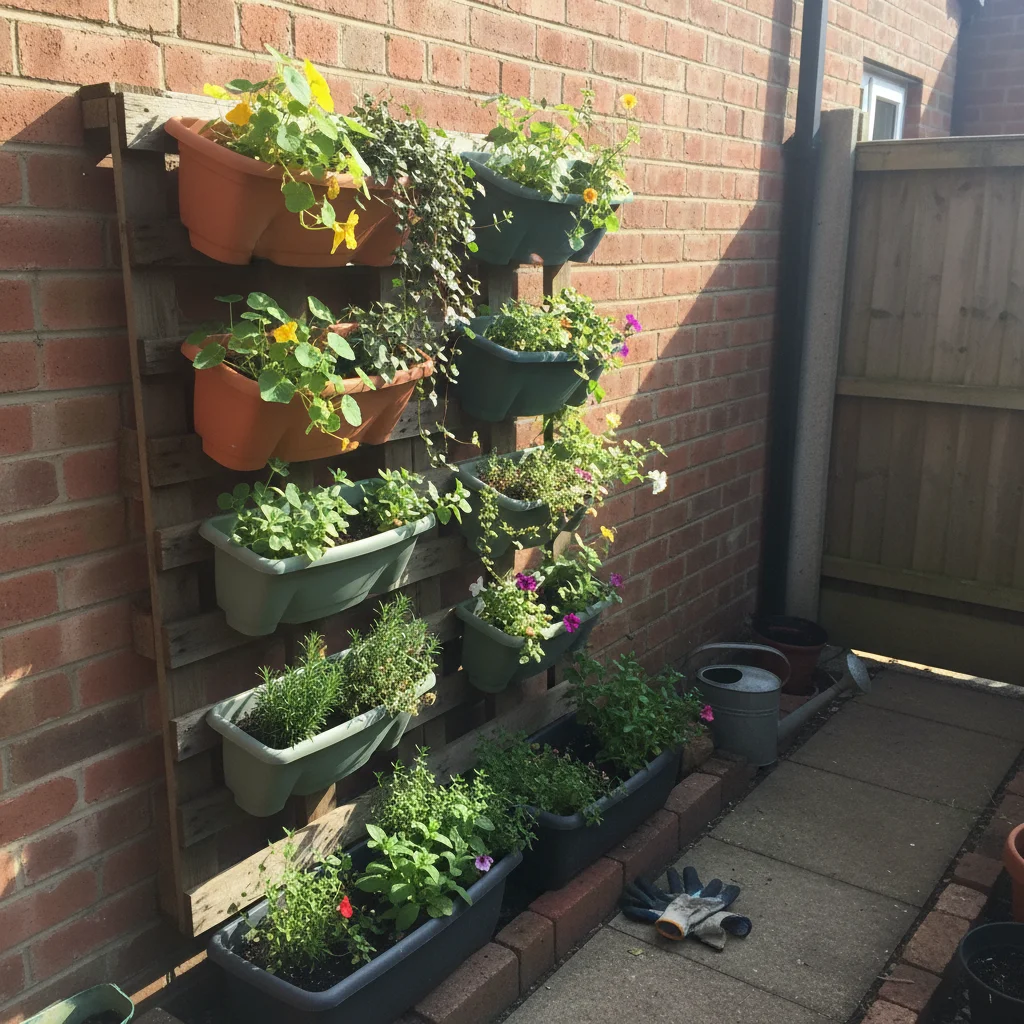
If you have ever looked at a tiny patio or a narrow balcony and felt you didn’t have enough room to grow anything, I have some wonderful news for you. Most of us in the UK are dealing with limited outdoor space, whether it is a small courtyard in a city or a compact patch in a suburban estate. For years, I struggled to fit everything I wanted into my own small plot until I realised that I was ignoring the biggest asset I had: the walls and fences.
Vertical gardening is simply the practice of growing plants upwards rather than outwards. It is the ultimate "cheat code" for small-space gardening because it allows you to double or even triple your growing area without moving a single paving slab. It’s easier than you think to get started, and you don’t need any expensive tech or a degree in engineering to make it work.
In this guide, I want to show you how to turn those bare, grey surfaces into lush, productive green walls. We will look at what structures work best for our climate and which plants will actually thrive when they are reaching for the sky. You will soon see that even the smallest corner can become a thriving haven for herbs, flowers, and even a few tasty vegetables.
The Magic of Growing Upwards
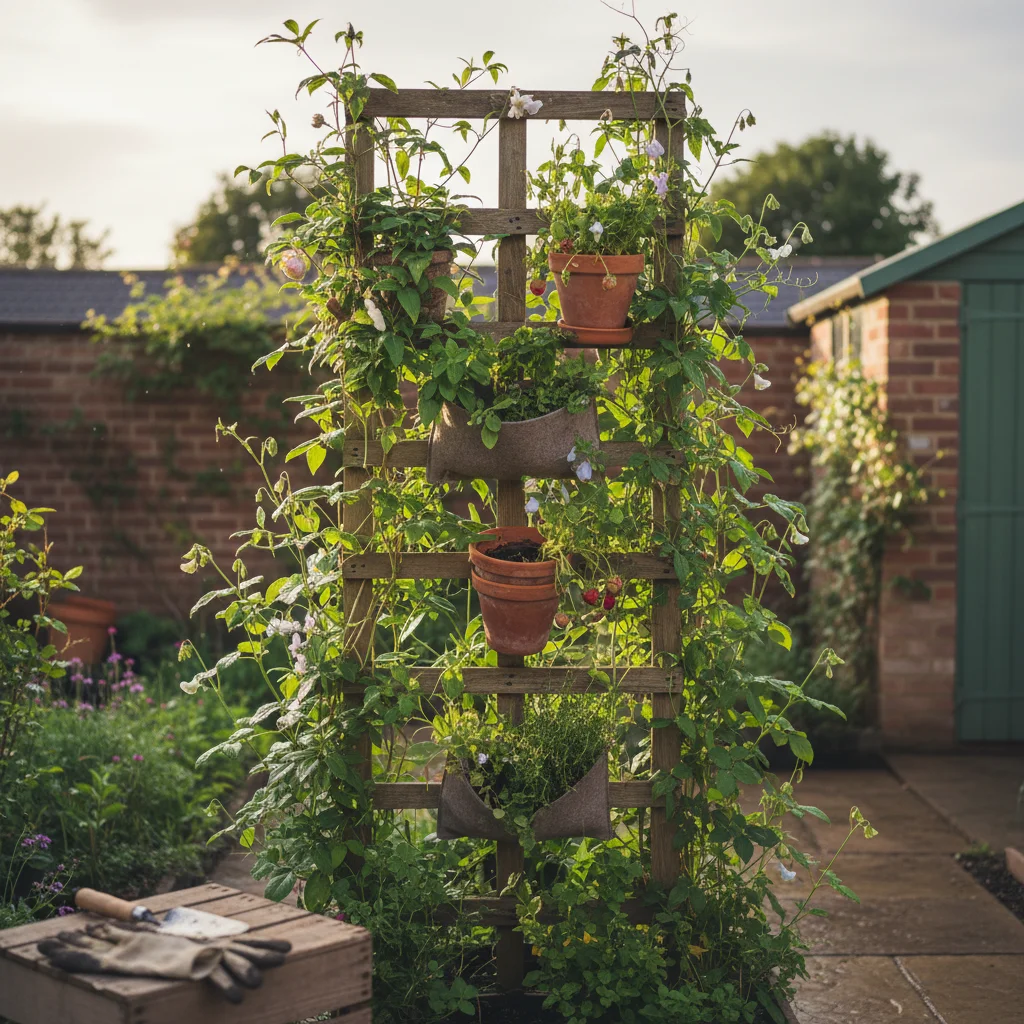
When we grow plants vertically, we aren't just saving space; we are also creating a much more interesting visual experience. In a typical UK garden, everything often happens at ground level, which can make a small space feel even smaller. By bringing the greenery up to eye level, you create a sense of enclosure and intimacy that makes a garden feel like a private sanctuary.
Growing upwards also has some practical benefits that might surprise you. Because air circulates more freely around plants that are spread out against a wall or trellis, they are often less prone to the mildews and rots that can plague damp UK gardens in late summer. It also keeps your precious crops away from some of the most common garden visitors, like slugs and snails, who find it much harder to climb a vertical surface than to slide across a flower bed.
If you are growing edibles, vertical gardening makes harvesting a joy. There is no more bending down and straining your back to find a hidden strawberry or a rogue bean. Everything is right there in front of you, easy to see and easy to pick. It really does change the way you interact with your plants on a daily basis.
Assessing Your Space and Sunlight
Before you go out and buy any kit, it is worth taking a few days to really look at your space. Not all walls are created equal, and the direction your wall faces will dictate what you can successfully grow. In the UK, a south-facing wall is the "gold standard" because it soaks up the sun all day and releases that heat back to the plants during the night.
If you have a north-facing wall, don't worry. While you might struggle with sun-loving tomatoes, you can still grow a beautiful vertical garden filled with ferns, ivy, and leafy greens like spinach or kale. These plants actually prefer the cooler, shaded conditions and won't wilt as easily when the sun does occasionally make an appearance.
You should also consider the wind. If your balcony or wall is particularly exposed, your vertical garden will act like a sail. We have all seen a trellis get caught in a gale and end up in a neighbour's garden. Make sure whatever structure you choose is securely fixed, and if you are in a very windy spot, look for structures that allow air to pass through easily rather than solid panels.
Choosing the Right Vertical Structure
There are so many ways to get your plants off the ground, and you can spend as much or as little as you like. One of the simplest ways to start is with a basic wooden trellis. You can pick these up at any local garden centre, and they are perfect for climbing plants that naturally want to scramble upwards using tendrils or twining stems.
If you have a solid brick wall, you might prefer wall-mounted pots or "living wall" kits. These are essentially pockets or containers that screw directly into the wall. They are fantastic for herbs and strawberries because each plant has its own little home. Just remember that smaller pots dry out much faster, so you’ll need to be more diligent with your watering can.
For those of us who like to recycle, an old wooden ladder leaned against a wall makes a brilliant tiered plant stand. You can place pots on each rung to create a waterfall of greenery. It’s a great way to add character to a patio without having to drill holes into your masonry, which is particularly helpful if you are renting your home.
The Best Plants for UK Vertical Gardens
Choosing the right plants is the most exciting part of the process. You want to pick varieties that are naturally inclined to climb or those that have a "trailing" habit, meaning they like to spill over the sides of their containers. Here is a list of some of the most reliable plants for beginners in the UK:
- Sweet Peas: These are a British garden classic. They are easy to grow from sowing (planting seeds) in early spring and will reward you with incredible fragrance and handfuls of flowers for your kitchen table.
- Clematis: Known as the "Queen of Climbers," there is a variety for almost every situation. Look for 'Jackmanii' for a reliable burst of purple flowers in mid-summer.
- Runner Beans: These are incredibly productive and have beautiful red flowers. They will happily scramble up a simple wigwam of bamboo canes or a trellis.
- 'Tumbler' Tomatoes: These are specifically bred to trail downwards. Plant them in a high wall-pot and let the fruit hang down like little red jewels.
- Trailing Rosemary: This herb smells wonderful and will spill over the edges of a wall-mounted planter, providing you with fresh sprigs for your Sunday roast all year round.
When you are starting out, try to mix and match. I love putting a few edible herbs in with my flowering climbers. It makes the vertical garden feel like a living larder as well as a beautiful feature. Just make sure you group plants with similar needs together, so you don't end up with a sun-loving herb next to a shade-loving fern.
Soil and Watering Essentials
One thing we must talk about is gravity. Because water naturally pulls downwards, the soil in vertical containers can dry out much faster than the soil in the ground. This is especially true in a typical UK summer where we might get a week of hot, drying winds. You will find that your vertical garden needs a drink much more often than your traditional flower beds.
When you are filling your pots or wall pockets, use the best quality compost you can find. I always recommend a peat-free multi-purpose compost mixed with a little bit of perlite or grit to help with drainage. Adding some "water-retaining granules" can also be a lifesaver, as they act like tiny sponges that hold onto moisture and release it when the plant needs it most.
If you have a lot of wall pots, you might eventually want to look into a simple drip irrigation system. These can be attached to your outside tap and a timer, so your plants get a little drink every morning without you having to lift a finger. But for beginners, a long-reach watering lance attached to your hose is usually all you need to reach those higher levels.
Safety Tips for Hanging Gardens
It is easy to get carried away when you see how beautiful a vertical garden looks, but we have to be mindful of the weight. A large pot filled with wet compost and a mature plant is surprisingly heavy. If you are attaching things to a garden fence, make sure the fence posts are sturdy and not showing signs of rot. I’ve seen many a flimsy lap-panel fence buckle under the weight of a few heavy hanging baskets.
If you are drilling into a brick wall, always use the correct wall plugs and screws. If you aren't sure, it’s worth asking someone with a bit of DIY experience to help you out. You want to make sure your beautiful garden stays on the wall where it belongs, especially during our more "energetic" autumn storms.
For those on balconies, always check your building's rules about weight limits and hanging things over the edge. It is usually much safer to hang pots on the inside of the balcony railing rather than the outside. This not only protects people below but also keeps your plants a bit more sheltered from the wind.
How to Get Started This Weekend
You don't need to wait for the "perfect" time to start. Even if it is mid-summer, you can buy established plants from a garden centre and get them onto your walls immediately. If you follow these simple steps, you can have your vertical garden set up in just a few hours:
- Choose your spot: Find a wall or fence that gets at least a few hours of sunlight and is easy for you to reach with a watering can.
- Fix your support: Screw your trellis or wall-planters into place, ensuring they are level and secure.
- Prepare your plants: Give your plants a good soak in a bucket of water before you move them into their new vertical homes.
- Fill and plant: Use fresh, peat-free compost and leave a little gap at the top of the pot so water doesn't spill over the edge when you're watering.
- Mulch the surface: Add a layer of gravel or decorative bark on top of the soil to help lock in moisture and keep things looking tidy.
Once everything is in place, give the whole wall a gentle water to help the soil settle. It might look a little sparse at first, but you will be amazed at how quickly plants like sweet peas or ivy will begin to explore their new vertical world. In just 6–8 weeks, the structure will start to disappear behind a curtain of green.
Dealing with Pests and Weather
While vertical gardening helps avoid some pests, it doesn't make your garden invincible. Aphids (those tiny green bugs) love the tender new growth of climbing plants. Keep an eye on the tips of your runners and roses. If you see them, a quick blast with the garden hose is often enough to knock them off without needing to use any harsh chemicals.
In the UK, our winters can be quite wet and cold. Some vertical structures, like terracotta pots, can crack if they get waterlogged and then freeze. If you can, choose frost-proof pots or move your most delicate plants into a more sheltered spot when the first frosts come in late October or November.
If you are growing perennials (plants that come back every year), they will appreciate a bit of a "haircut" in the spring. Cutting back the dead growth from the previous year makes room for the new shoots to come through. It also gives you a chance to check that your trellis or wires are still securely fastened before the plant gets heavy with new leaves.
Vertical gardening is one of the most rewarding ways to garden because it turns "dead space" into something living and breathing. Whether you start with a single pot of trailing herbs or a whole wall of climbing roses, you are making your home a little bit greener and a lot more beautiful. Take that first step today by picking out one bare wall, and you will soon wonder how you ever gardened without looking up.