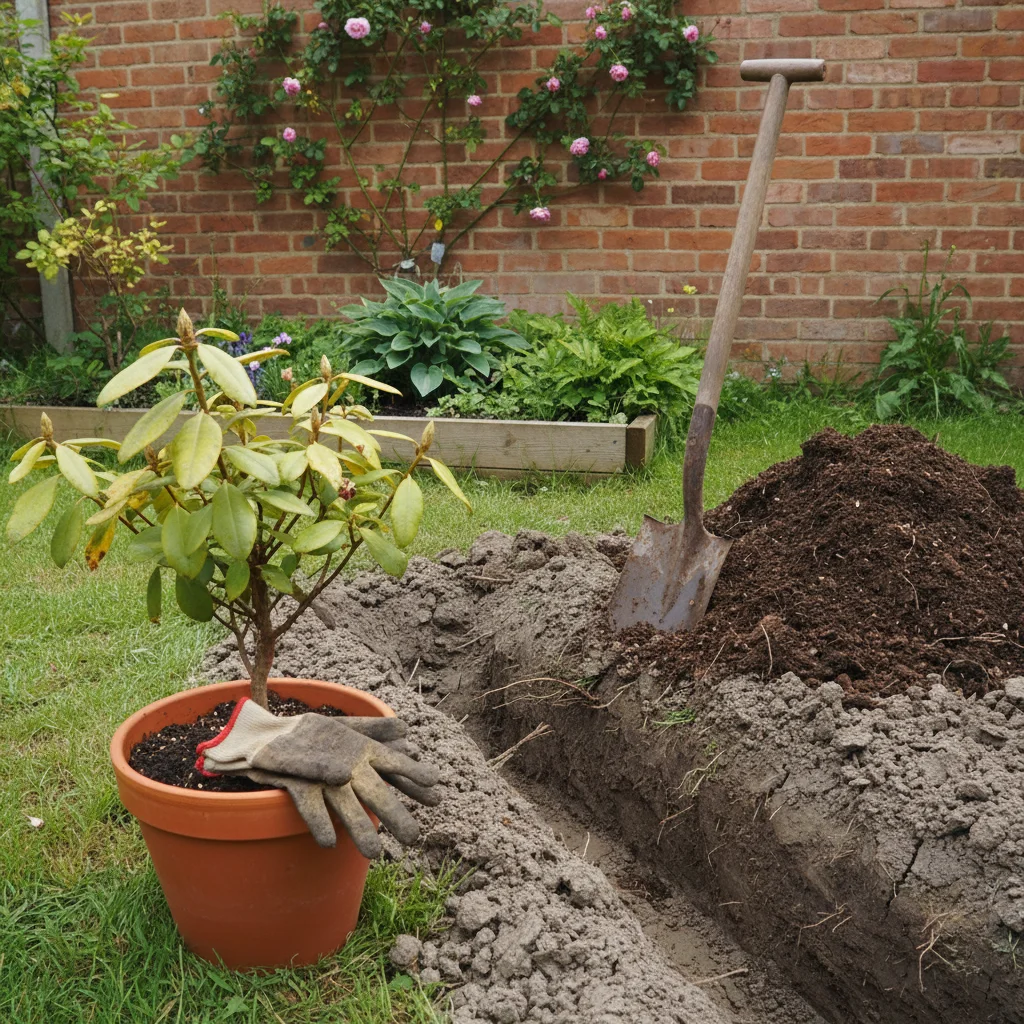
We have all been there on a damp Tuesday morning in November. You step out into the garden to move a shrub or tidy a border, and within three steps, you are two inches taller because of the thick, heavy clods of mud stuck to your boots. It is the classic sign of clay soil, and for many UK gardeners, it feels like a lifelong battle against the elements.
When it is wet, clay is a sticky, heavy mess that refuses to drain. When we get those rare, scorching British summer weeks, it bakes into something resembling a Roman brick, complete with deep cracks that seem to swallow your trowel whole. It is enough to make anyone want to give up and pave the whole lot over, but I promise you there is a better way.
The truth is that clay soil is actually a bit of a hidden treasure. While it is hard to work, it is naturally very high in nutrients and holds onto water much better than sandy soil. Once you learn how to manage its quirks, you can grow some of the most beautiful plants and productive vegetables imaginable. It just takes a little patience and the right approach to turn that "boot-stealing" mud into crumbly, dark earth.
Why your soil feels like glue
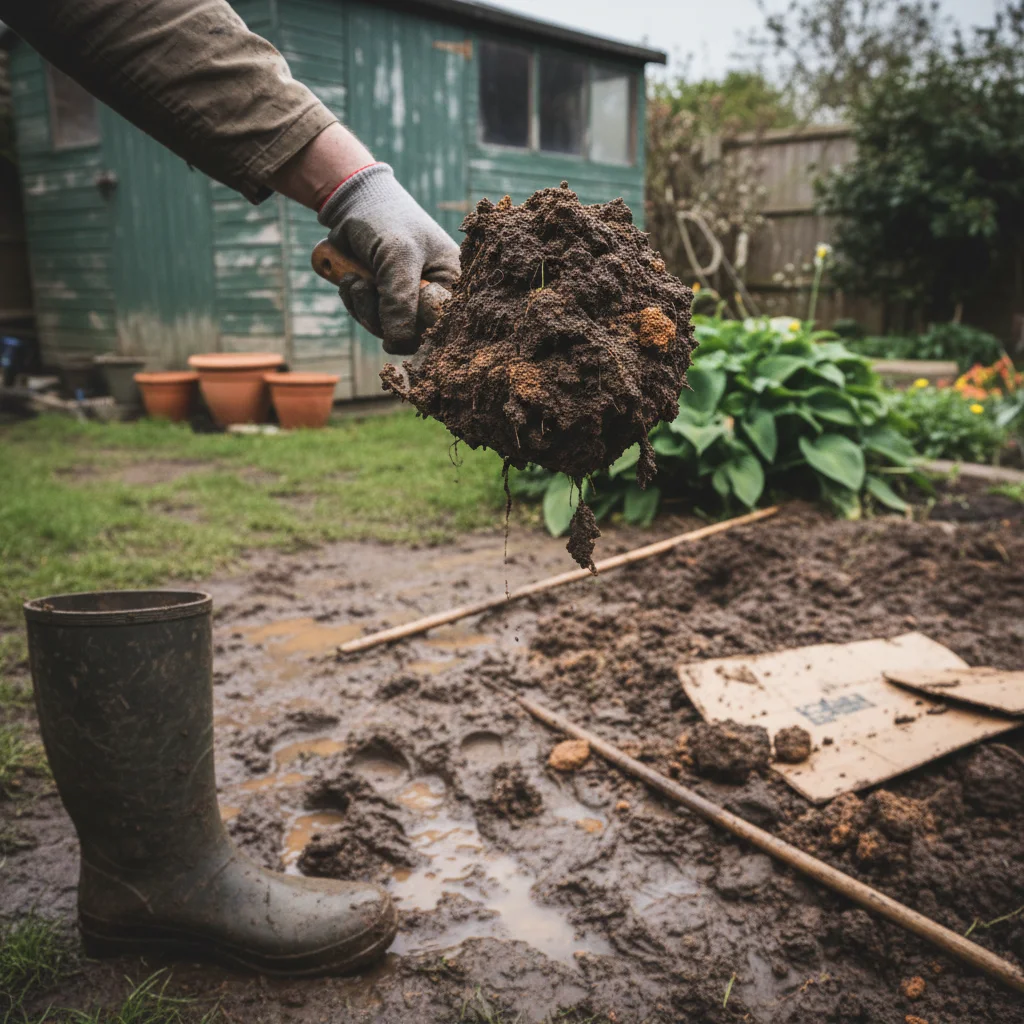
To fix the problem, it helps to understand what is happening under your feet. Clay is made up of tiny, flat particles that pack together very tightly. Because they are so small and flat, there is very little space between them for air or water to move through. This is why your garden might turn into a pond after a heavy downpour in a typical UK winter.
When these particles get wet, they slide over each other and stick together, creating that jammy texture we all know. When they dry out, they bond together so tightly that roots struggle to push through. It is essentially a drainage and aeration issue rather than a lack of "goodness" in the ground.
You can check exactly what you are dealing with by doing a simple "ribbon test." Take a small handful of damp soil and try to roll it into a sausage shape in your palm. If it holds together and you can even bend it into a ring without it breaking, you have heavy clay. It is a simple way to confirm your suspicions before you start spending money on supplies.
The power of organic matter
If there is one "magic" fix for clay soil, it is organic matter. This is the term we use for anything that was once living and is now breaking down. Think of well-rotted garden compost, leaf mould, or manure from a local farm. When you add these to your soil, they act like a wedge, pushing those tiny clay particles apart and creating space for air and water.
I have found that adding organic matter is the single most important thing you can do for a Yorkshire plot or a small London terrace. It doesn't just improve the texture; it feeds the worms and soil microbes. These tiny helpers do the heavy lifting for you, tunnelling through the clay and creating natural drainage channels.
You don't need to be a scientist to get this right. Start by spreading a thick layer of compost—about two or three inches deep—over your soil. You can do this in the autumn and let the winter frosts and the worms do the work of pulling it down into the earth. It is much easier than trying to dig it all in by hand, especially if your back isn't what it used to be.
Why no dig is a game changer
For years, the standard advice for clay was to get a heavy spade and dig it over every winter. We were told to leave the big clods of earth for the frost to break down. However, many of us have moved away from this because digging can actually make clay worse. Every time you turn the soil, you risk damaging the natural structure and squashing the air out of it.
This is where the "No-Dig" method comes in. Instead of breaking your back with a spade, you simply layer organic matter on top of the soil and let nature take its course. It is a much gentler way to garden, and it is incredibly effective for heavy UK soils. By not digging, you keep the worm tunnels intact and allow the soil biology to thrive.
If you are starting a new veg patch on a lawn or a patch of weeds, you can even lay down cardboard first. Cover the cardboard with a good layer of compost, and you have an instant bed. The cardboard kills the weeds and eventually rots away, while the clay underneath slowly becomes more workable thanks to the mulch on top.
Fixing drainage issues
While organic matter is the long-term fix, sometimes you need a more immediate solution for standing water. If your lawn looks more like a lake after every rainstorm, you might need to look at physical drainage. This doesn't always mean hiring a digger; sometimes small changes make a big difference.
For many small gardens, creating a slight slope or a "soakaway" can help. This is essentially a hole filled with large stones or rubble that gives excess water somewhere to go. If you are planting a new hedge or a specimen tree in clay, it is a good idea to dig a hole much wider than the root ball and mix in plenty of grit or sharp sand to help the water move away from the roots.
Another simple trick is to use raised beds. By building up, you are moving your plants' roots away from the waterlogged "sump" of the clay. You can fill these beds with a mix of topsoil and compost, giving your plants a flying start while the clay underneath slowly improves over the seasons.
When to work your soil
Timing is everything when you live with clay. There is a very specific "window of opportunity" in the UK seasons when the soil is just right—not too wet and not too dry. If you try to work clay when it is sodden, you will compact it, turning it into a solid mass that is even harder for roots to penetrate.
I always tell beginners to stay off the soil when it is wet. If the mud is sticking to your boots, stay on the paths. We use "stepping stones" or planks of wood to walk across the borders if we absolutely have to. This spreads your weight and prevents you from squashing the life out of the ground.
The best time to add your mulches or do any light planting is usually in the mid-spring or early autumn. This is when the soil is moist but not saturated. You’ll find it much easier to crumble the earth between your fingers, and your plants will settle in much faster without the stress of being "puddled in" or baked hard.
Plants that thrive in heavy ground
You don't have to fight your soil to have a beautiful garden. Many of our most beloved plants actually prefer the cool, nutrient-rich environment that clay provides. Instead of trying to grow Mediterranean herbs that love dry sand, choose plants that feel right at home in the heavy stuff.
When you choose the right plants, gardening becomes a joy rather than a chore. You won't be constantly worrying about them wilting or needing extra feed, because the clay is already doing that work for you. Here are a few reliable options for your clay garden:
- Roses: These are the absolute kings of clay soil. They love the heavy, nutrient-dense earth and will produce incredible blooms.
- Viburnum: These hardy shrubs are tough as nails and don't mind the damp or the heavy texture.
- Hostas: If you have a shady, damp corner, Hostas will thrive, though you’ll need to keep an eye out for slugs.
- Hydrangeas: These love the moisture-retention of clay and will reward you with huge flower heads all summer.
- Astrantia: Often called 'Masterwort', these delicate-looking flowers are surprisingly robust in heavy soil.
- Fruit trees: Apples and pears often do very well on clay, provided the spot isn't permanently underwater.
Using soil conditioners
Beyond compost and manure, there are a few other things you can add to help the process along. One common suggestion is Gypsum. This is a mineral that can help the tiny clay particles clump together into larger "crumbs," which improves drainage. It works best on specific types of clay, but it is worth a try in a small area to see if it helps.
Sharp sand and grit are also popular choices. However, be careful here—you need to add a lot of grit to make a difference. If you only add a little bit of sand to heavy clay, you can accidentally create something that behaves like concrete. I prefer to use "horticultural grit" or "6mm shingle" mixed with plenty of organic matter for the best results.
If you have a very acidic clay soil, a little bit of garden lime can also help. Lime helps the soil particles flocculate (clump together), making the soil easier to work. Always do a simple pH test kit from the garden centre first, as you don't want to make the soil too alkaline if you plan on growing acid-loving plants like Camellias.
The best tools for the job
Having the right kit makes a world of difference when the ground is heavy. A standard spade can be a nightmare in clay because the soil sticks to the flat blade, making every lift feel twice as heavy. I much prefer using a digging fork with sturdy, pointed tines.
A fork slides into the clay much more easily than a solid blade. It also helps to break up the clods without smearing the sides of the hole, which can create a "bucket effect" that traps water. If you are doing a lot of planting, it is worth investing in a few specific tools that are designed for the task.
- Stainless steel tools: Clay slides off polished stainless steel much better than it does off carbon steel.
- Long-handled forks: These give you better leverage, which is essential when the soil is heavy.
- A sturdy rake: This is vital for breaking down the surface into a "fine tilth" (a smooth, crumbly surface) for sowing seeds.
- A hand widger: This small, spatula-like tool is brilliant for popping seedlings into heavy ground without making a mess.
Growing in small clay spaces
If you only have a small patio or a tiny courtyard with heavy clay, don't feel like you are limited. You can still have a lush, green space by using a mix of containers and clever planting. In fact, clay is great for pots because you can mix it with a bit of multi-purpose compost to create a potting mix that doesn't dry out in five minutes.
For those with a small patch of heavy ground, I often suggest starting with one small raised bed. It feels much less overwhelming than trying to "fix" the whole garden at once. You can focus your energy and your compost on that one area, and you’ll see results much faster.
Even a few large pots of roses or hydrangeas can transform a clay-heavy garden. You get all the benefits of the plants that love the local environment, but you have more control over the immediate soil they are sitting in. It is all about working with what you have and making it work for your lifestyle and your space.
The most important thing to remember is that soil improvement is a journey, not a weekend task. Every bucket of compost you add and every worm you encourage is making your garden a better place for your plants. Start small by mulching just one flower bed this autumn, and you will be amazed at how much easier the soil is to handle by the time the first spring bulbs appear.