We have all been there. You spend a lovely Saturday morning at the local garden centre and come home with a boot full of beautiful plants. You spend hours digging and watering, only to find that a few months later, your new additions look a bit yellow and sad. It is a frustrating experience that many of us face, especially when we are just starting out.
Often, the problem isn't your gardening skills or how much you water. The secret usually lies hidden beneath your fingernails. Understanding your soil is the single best thing you can do to become a more successful gardener. It sounds a bit technical, but I promise it is much easier than you think.
Soil pH is simply a measure of how acid or alkaline your soil is. Think of it like a personality trait for your garden. Some plants love a bit of "sour" acidity, while others prefer "sweet" alkaline conditions. When you know what kind of soil you have, you can stop fighting against nature and start working with it.
Why soil pH matters for your plants
You might wonder why a simple number on a scale matters so much to a cabbage or a rose. The pH level actually controls how easily your plants can "eat." Even if your soil is full of lovely nutrients and home-made compost, a pH that is too high or too low can lock those nutrients away.
In a typical UK garden, we generally see pH levels ranging from very acidic (around 4.0) to quite alkaline (around 8.5). Most of our favourite garden vegetables and flowers are happiest in the "neutral" zone, which is between 6.0 and 7.0. This is the sweet spot where almost everything is available for the roots to soak up.
If your soil is too acidic, your plants might struggle to take up phosphorus, which they need for strong roots. On the other hand, if your soil is very alkaline, they might miss out on iron and manganese. This often shows up as yellowing leaves with green veins, a common sight on rhododendrons planted in the wrong spot.
Identifying your soil type by sight
Before we even pick up a testing kit, we can often find clues about our soil just by looking at what is already growing nearby. Nature is very good at telling us what is happening underground if we know what to look for. If you live in an area with lots of wild heather, gorse, or pine trees, there is a very good chance you have acidic soil.
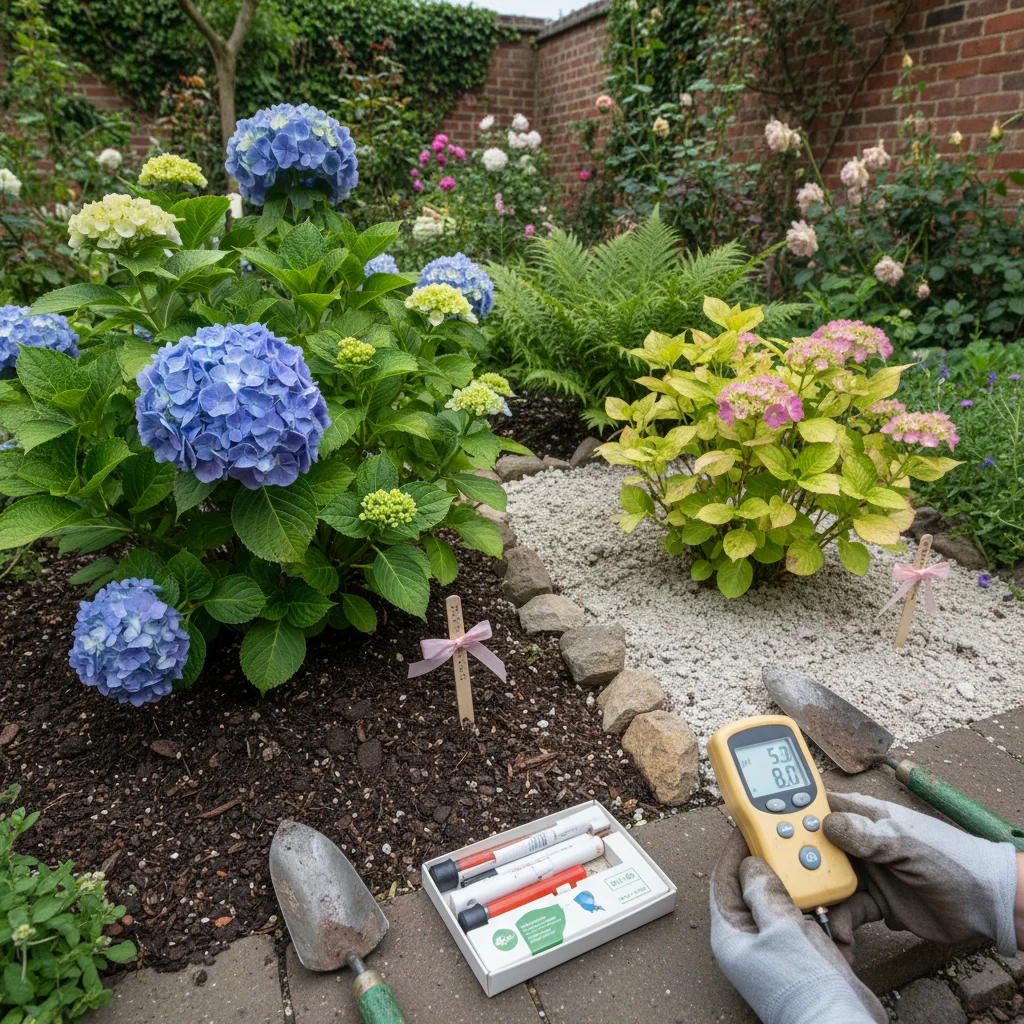
You can also look at your neighbours' gardens. If they have huge, thriving blue hydrangeas and lush camellias, they almost certainly have acidic soil. If those same hydrangeas turn pink, the soil is likely more alkaline. It is a simple trick that has saved me plenty of money over the years.
The local geology plays a massive part too. If you are gardening on a chalky South Downs hillside, you will be dealing with alkaline soil. If you are working a small plot in a moorland area or a peaty part of the country, you are likely on the acidic side. Knowing your local landscape helps set your expectations.
Simple ways to test your soil
Testing your soil doesn't require a lab coat or a degree in chemistry. In fact, you can get a rough idea using things you probably already have in your kitchen cupboards. While not as accurate as a shop-bought kit, a quick "fizz test" with vinegar and baking soda is a great way to get started with the kids.
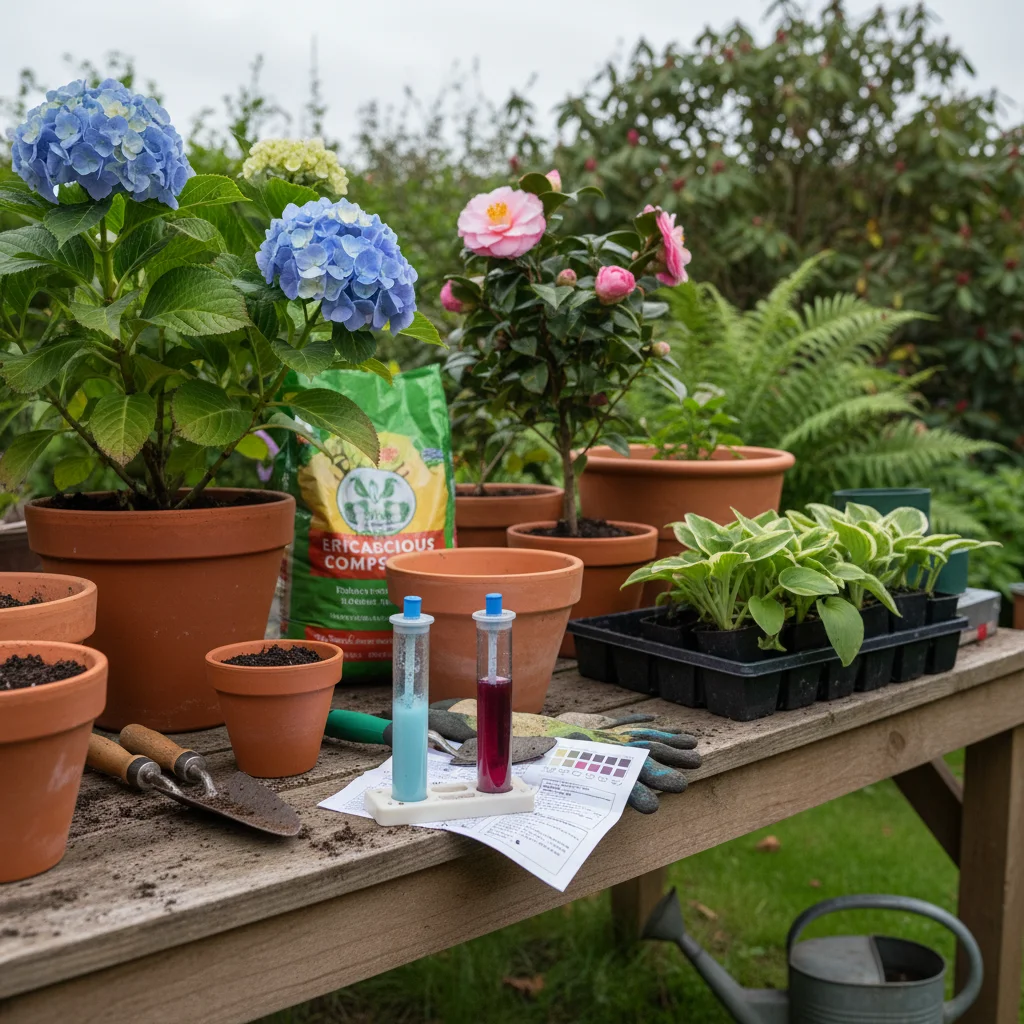
For a more reliable result, I always recommend picking up a simple DIY testing kit from a garden centre. These usually involve mixing a small amount of soil with a testing liquid or powder in a tube. The colour of the liquid then changes, and you compare it to a chart. It is quick, clean, and surprisingly satisfying to see the results.
If you prefer something reusable, you can buy a digital pH probe. You just push the metal spike into damp soil and read the needle. These are brilliant for checking different parts of the garden quickly, though they do need to be kept very clean to stay accurate. I find them particularly handy for checking my raised beds versus the open ground.
How to take an accurate soil sample
To get a result that actually reflects your garden, you need to be a bit strategic about how you collect your soil. Taking a pinch from the very surface won't tell you much because that is where your mulch and recent fertilisers sit. We want to know what the roots are experiencing further down.
It is also important to remember that soil can vary quite a bit even in a small space. Your vegetable patch might have a different pH than the area under your pine trees. I always suggest testing different "zones" separately rather than mixing everything into one big bucket.
- Find a spot away from any recently added compost or fertiliser.
- Use a clean trowel to dig a small hole about six inches deep.
- Slice a thin piece of soil from the side of the hole to get a vertical sample.
- Remove any stones, twigs, or large roots from your sample.
- Repeat this in a few spots within the same area and mix them in a clean jar.
- Use a small spoonful of this mixed soil for your actual test.
Understanding your test results
Once you have your number, it’s time to see what it means for your growing plans. If your result is 7.0, you have neutral soil, which is the "goldilocks" zone for most UK gardeners. You can grow almost anything from potatoes to peonies without much fuss.
If your number is lower than 7.0, your soil is acidic. A result of 5.5 or 6.0 is actually very common and is perfect for things like strawberries and tomatoes. However, if you hit 4.5 or 5.0, you are into "ericaceous" territory. This is where you’ll want to focus on plants that love those sour conditions.
If your result is higher than 7.0, you have alkaline or "calcareous" soil. This is often found in areas with lots of chalk or limestone. While it can be a bit more challenging for some fruit, it is absolutely fantastic for brassicas like kale and broccoli, as well as many beautiful Mediterranean herbs like lavender and rosemary.
Choosing the right plants for your soil
The easiest way to garden is to choose plants that already love the soil you have. We call this "right plant, right place." It saves you a lot of work and prevents the heartbreak of watching a plant slowly fade away. Many of us try to force plants to grow in the wrong conditions, but it is much more rewarding to work with what you've got.
If you have very acidic soil, you can lean into the beautiful woodland style. You’ll be able to grow stunning azaleas and pieris that gardeners in chalky areas can only dream of. If you have alkaline soil, you can embrace the silver foliage and scented flowers of a dry, sunny garden.
- For Acidic Soil: Blueberries, Rhododendrons, Camellias, Pieris, and Heathers.
- For Neutral Soil: Most vegetables, Roses, Lilies, and fruit trees like Apples.
- For Alkaline Soil: Lavender, Rosemary, Clematis, Honeysuckle, and Lilacs.
- For Brassicas: Cabbages and Cauliflowers actually prefer slightly alkaline soil to prevent clubroot.
- For Potatoes: They generally prefer slightly acidic soil to avoid a skin condition called scab.
- For Hydrangeas: Remember that these are the chameleons of the garden and will change colour based on your result.
How to adjust your soil pH
If you have your heart set on a particular crop that doesn't match your soil, you can make some adjustments. However, I always advise being patient. Changing the chemistry of the earth takes time, and it is much easier to make soil more acidic than it is to make it more alkaline.
To raise the pH of acidic soil (making it more alkaline), gardeners traditionally use lime. You can buy this as "garden lime" or "dolomite lime" in most shops. It is best applied in the autumn or winter so it has time to work before the spring planting. Always follow the packet instructions, as adding too much can cause its own set of problems.
To lower the pH of alkaline soil (making it more acidic), you can add sulphur or use organic matter like pine needles and composted bark. This is a much slower process. In my experience, if you have very chalky soil, it is often better to grow acid-loving plants in pots using ericaceous compost rather than trying to change the whole garden.
Maintaining healthy soil over time
Your soil pH isn't set in stone. Over time, heavy rain—which we get plenty of in the UK—can wash away minerals and make soil naturally more acidic. Regularly adding organic matter like well-rotted manure or garden compost acts as a buffer, helping to keep the pH stable and healthy for your plants.
I like to test my main growing areas every two or three years. It is a simple bit of maintenance, like checking the oil in your car. It keeps you in touch with your land and helps you spot any changes before they start affecting your harvests. Even in a small patio garden, checking the soil in your large pots can make a huge difference.
Remember that gardening is a journey of discovery. Finding out you have "difficult" soil isn't a failure; it’s just the first step in learning how to grow more successfully. Once you stop guessing and start knowing what is happening under the surface, you’ll find that your garden starts to reward you in ways you never expected.
Now that you know how to check your soil, why not head out this weekend and take a few samples? It is the perfect excuse to spend some time outside, and you might be surprised by what you find. Once you have your results, you can start planning your next trip to the garden centre with total confidence.