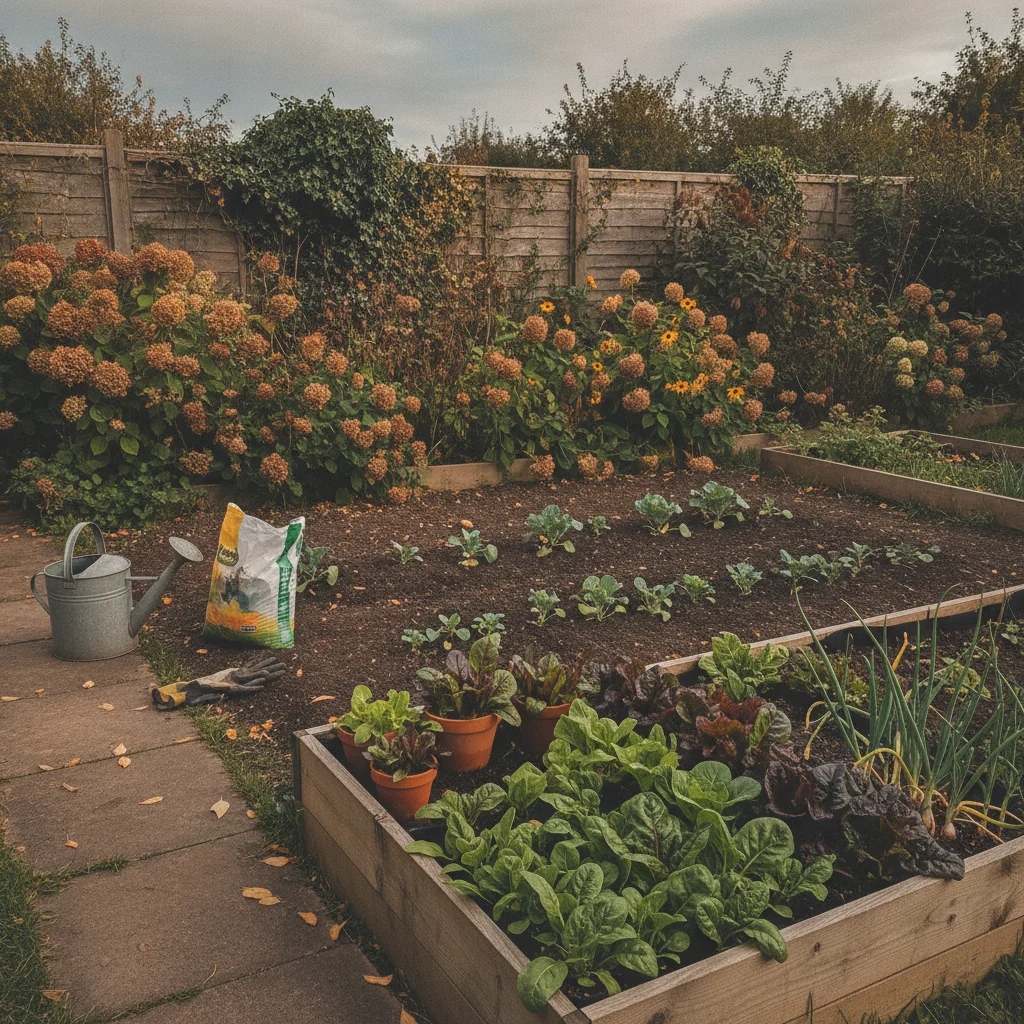
I always feel a bit of a shift in the air come September. The frantic energy of the summer harvest starts to wind down, and there is a temptation to just hang up the garden fork and wait for spring. But I’ve found over the years that the garden is far from finished. In fact, autumn is one of my favourite times to get stuck in because the pressure is off and the soil is still beautifully warm.
If you think your growing season ends when the tomatoes turn red, you are missing out on some of the most rewarding moments in the garden. Planting in autumn isn't just about squeezing out a few more salads before the frost. It is a clever way to get a massive head start on next year, ensuring you have food to pick while everyone else is still waiting for their seeds to germinate in April.
You really don't need a massive allotment or a professional greenhouse to make this work. Whether you have a few pots on a balcony or a small raised bed in a city garden, you can keep the green life going. It is much easier than you might think, and there is something incredibly grounding about being outdoors when the leaves are turning and the air is crisp.
Why the autumn soil is your secret weapon
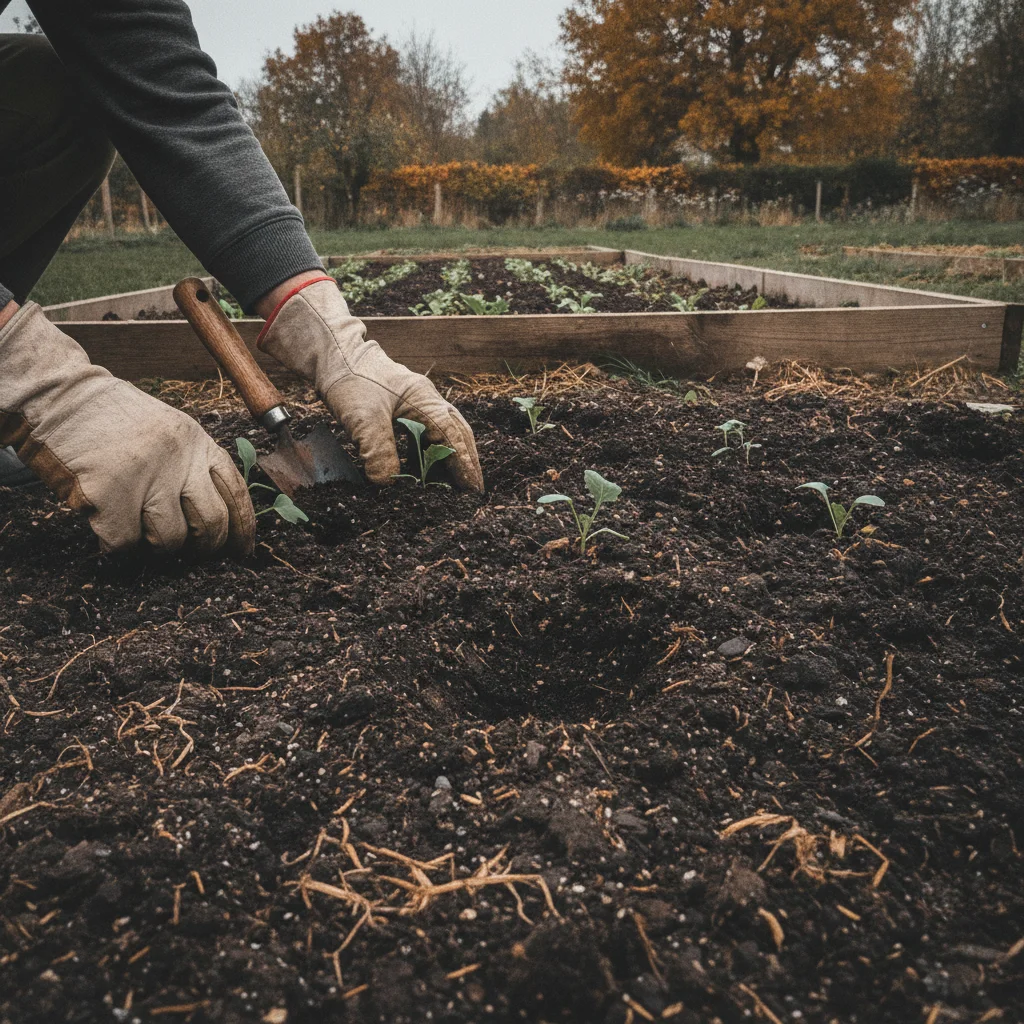
We often think of spring as the prime planting time, but the UK soil in September and October is often in much better condition for young plants. After a typical UK summer, the ground has soaked up months of warmth. This means that when you tuck a seed or a small plant into the earth, it experiences a burst of root growth that you just don't get in the chilly, waterlogged soil of March.
When we plant in the spring, we are often fighting against the lingering cold and the unpredictable "Beast from the East" type weather. In autumn, the cooling air temperature actually helps plants focus their energy downwards. Instead of rushing to produce flowers and seeds, they build a strong, resilient root system that will sustain them through the darker months.
You will also find that some of our most annoying garden enemies are less active now. The aphids that smothered your beans in June are disappearing, and the soil is generally easier to work with than it is after a long winter freeze. It is the perfect window of opportunity to set yourself up for success without the frantic pace of the spring rush.
Preparing your space for a second act
Before you start sowing, you’ll want to give your growing area a little bit of love. You don't need to do a massive deep-clean, but clearing away the spent remains of your summer crops is a great first step. I usually pull up my old, leggy tomato plants and any courgettes that have finally given up the ghost, making sure to leave the roots of legumes like peas or beans in the ground to add nitrogen.
I am a big fan of the no-dig approach, especially in a small plot. Instead of turning the soil over and disrupting all those helpful worms and fungi, I simply spread a thick layer of well-rotted garden compost over the surface. The autumn rains will do the hard work of washing those nutrients down to where the roots need them, saving you a lot of backache in the process.
If you are growing in containers, don't feel like you have to throw all your old compost away. You can refresh it by mixing in some fresh organic matter or a bit of chicken manure pellets. Just make sure the pots are moved to a spot where they will get as much of that precious autumn sunlight as possible, perhaps closer to the house where it stays a degree or two warmer.
Quick wins for the dinner table
If you want to see results before the year is out, you should focus on leafy greens and hardy salads. Many of these actually prefer the cooler, damper conditions of a British autumn over the scorching heat of July. When the sun isn't baking the ground, these plants are much less likely to "bolt," which is just a fancy way of saying they won't suddenly grow tall and turn bitter.
Radishes are the ultimate quick-win crop for beginners. Varieties like 'French Breakfast' can go from a tiny seed to a crunchy snack in as little as four weeks. I love tucking them into the gaps between other plants because they take up so little room. They are a great way to keep kids interested in the garden during the school term too.
Spinach and hardy lettuces like 'Winter Density' are also brilliant choices for this time of year. You can sow them now and start picking individual leaves in about six weeks. If you keep the plants small and just take what you need for a sandwich or a side salad, they will keep producing right through the first few frosts.
The best vegetables for autumn sowing
While many plants are heading for dormancy, some of our most reliable kitchen staples actually need the winter chill to perform their best. These are the crops that will sit quietly in the ground while you are tucked up inside with a cup of tea, doing all the hard work behind the scenes.
- Garlic: This is my absolute must-grow. It needs a period of cold to split the bulb into individual cloves, so planting in October or November is perfect.
- Onion Sets: These are small, immature onions that are much easier to handle than seeds. They will grow slowly over winter and give you a harvest weeks before spring-sown onions.
- Broad Beans: Varieties like 'Aquadulce Claudia' are incredibly tough. They will grow a few inches tall before winter, then take off like a rocket as soon as the days start to lengthen in February.
- Spring Onions: If you choose a hardy variety like 'White Lisle', you can sow them now for a very early spring crop that adds a bit of zing to your winter stews.
- Perpetual Spinach: This is one of the hardest working plants in my garden. It isn't a true spinach, but it tastes very similar and can survive almost anything the UK weather throws at it.
- Asparagus: While you won't harvest it this year, autumn is a great time to plant bare-root crowns to give them time to settle in before their big spring debut.
Protecting your plants from the British winter
While the plants we’ve talked about are hardy, they will still appreciate a little bit of protection when the temperatures really start to drop. We’ve all had that morning where we wake up to a heavy white frost covering the lawn. While a bit of frost can actually make things like kale and parsnips taste sweeter, it can be a bit of a shock to younger seedlings.
A simple roll of horticultural fleece is your best friend here. It’s a very thin, light fabric that lets light and water through but keeps the air around your plants a few degrees warmer. You can just drape it loosely over your veg and weigh the edges down with a few stones or bricks. It’s a cheap and effective way to extend your growing season by several weeks.
If you have a bit more space, a cold frame or a few cloches can make a world of difference. A cloche is essentially a mini-greenhouse that sits over an individual plant or a row. You can even make your own by cutting the bottom off a large clear plastic water bottle and popping it over your seedlings. It’s a great way to recycle and keep your plants snug at the same time.
Managing water and pests in the damp months
One of the best things about autumn gardening is that you can usually put the watering can away. With the regular rain we get in the UK, the ground stays naturally moist. However, do keep an eye on any pots or containers sitting under the eaves of your house or on a sheltered balcony, as they can still dry out quite quickly if the wind picks up.
The main challenge in a damp autumn is the slugs and snails. They absolutely love the cool, moist conditions and can make short work of a tray of young spinach seedlings overnight. I find that going out with a torch for a "slug patrol" in the evening is the most effective way to keep numbers down, but you can also use copper tape around the rims of your pots.
It is also worth keeping an eye out for birds, especially pigeons, who might find your young cabbage or kale plants very tempting when other food sources become scarce. A bit of simple netting held up with some bamboo canes is usually enough to deter them. It doesn't have to look perfect; it just needs to be functional enough to protect your hard work.
Growing in small spaces and containers
You don't need a huge plot to enjoy an autumn harvest. In fact, some of my most successful winter crops have been grown in troughs on a patio. Containers are actually easier to manage in some ways because you can move them around to follow the sun as it gets lower in the sky. If a particularly bad storm is forecast, you can even tuck them into a garage or shed for a night.
When growing in pots during the autumn, drainage is the most important thing to get right. Because it rains more and evaporates less, plants can easily end up with "wet feet," which leads to root rot. I always make sure my pots are lifted off the ground using "pot feet" or even just a few old bricks. This allows the water to drain away freely and prevents the pots from freezing solid to the ground.
Herbs are also fantastic for autumn containers. While basil will give up at the first sign of a chill, herbs like parsley, sage, and rosemary are incredibly tough. You can keep a pot of parsley on a sunny windowsill or just outside the back door, and it will keep providing fresh flavour for your cooking right through the darkest months of the year.
Everything you need to get started
You don't need a shed full of expensive gadgets to start your autumn garden. Most of us already have the basics, and for the rest, you can often find creative solutions around the house. Gardening is much more about timing and observation than it is about having the latest tools.
- A sturdy trowel: Essential for planting out your onion sets and garlic cloves.
- Horticultural fleece: To protect those tender young leaves from the first harsh frosts.
- Quality compost: To give your soil a nutrient boost after the busy summer season.
- Labels and a pen: It is so easy to forget what you planted where once the labels get washed by the rain.
- A pair of gloves: To keep your hands warm and dry while working in the damp autumn soil.
Looking forward to the spring reward
There is a unique kind of satisfaction that comes from looking out at a green, productive garden in the middle of January. While the rest of the world feels a bit grey and dormant, your little patch of earth is quietly working away. When those first warm days of March arrive, you won't be starting from scratch; you'll already be halfway to your first harvest of the year.
Taking these small steps now really does make a huge difference to your gardening success next year. It turns the "Hungry Gap"—that period in early spring when there is very little to harvest—into a time of plenty. You’ll be picking fresh broad beans and crisp spring onions while others are only just thinking about buying their seeds.
So, don't pack away your gardening boots just yet. Grab a packet of garlic or some hardy salad seeds this weekend and get them into the ground. It is a wonderful way to stay connected to nature as the seasons change, and your future self will certainly thank you when you’re harvesting fresh, home-grown veg in the middle of a chilly British spring.