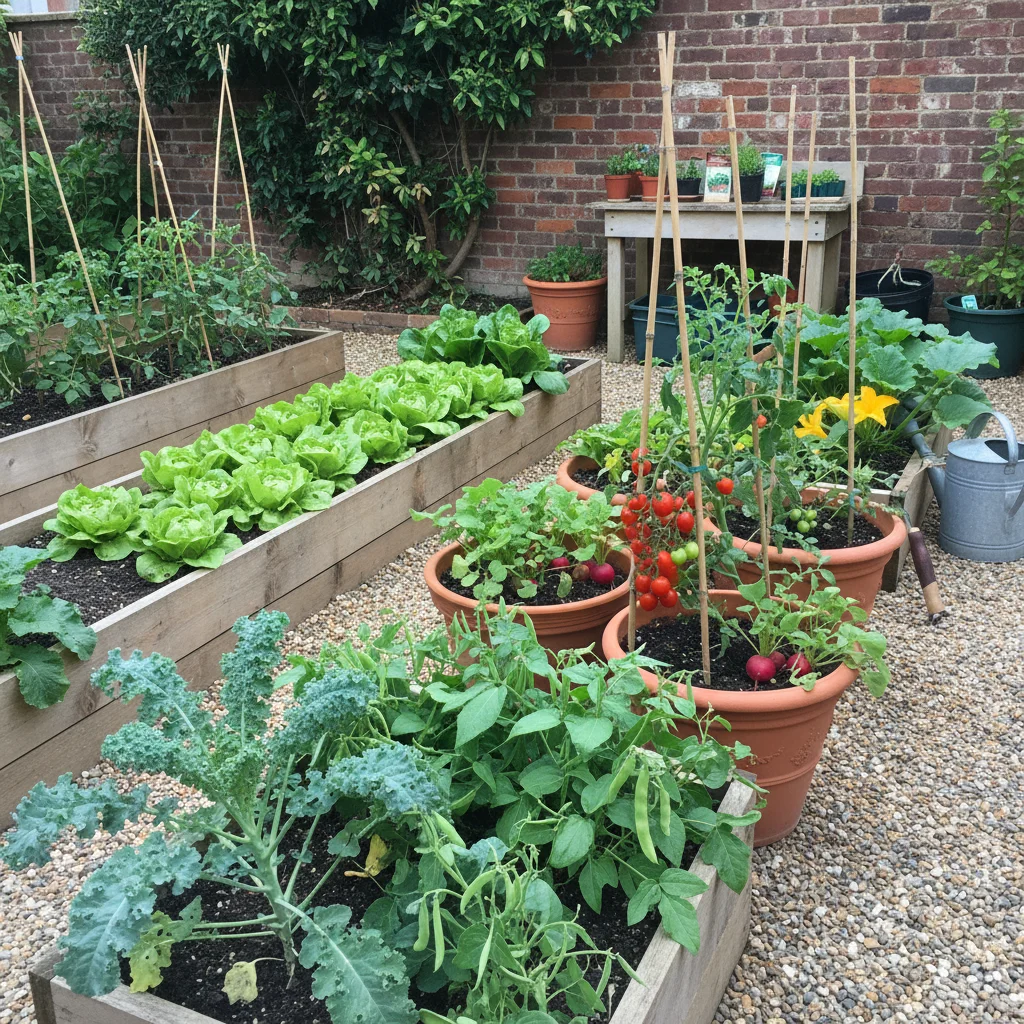
There is nothing quite like the taste of a vegetable you have pulled from the earth yourself. I still remember the first time I grew a radish in my small Yorkshire plot years ago. It wasn't the biggest or the most perfect specimen, but the crunch and the peppery kick were worlds away from anything I’d bought at the supermarket.
If you are new to gardening, it is easy to feel overwhelmed by the rows of seed packets and the technical jargon. You might worry that you don't have enough space or that you simply aren't "green-fingered" enough to keep something alive. I promise you that it is much easier than you think, and you don't need a sprawling allotment to get started.
The secret to success is choosing the right plants to begin with. Some vegetables are naturally more resilient and forgiving of a little neglect or the unpredictable British weather. By starting with these reliable winners, you can build your confidence and enjoy a rewarding harvest in your very first season.
Why starting small is the best way to grow
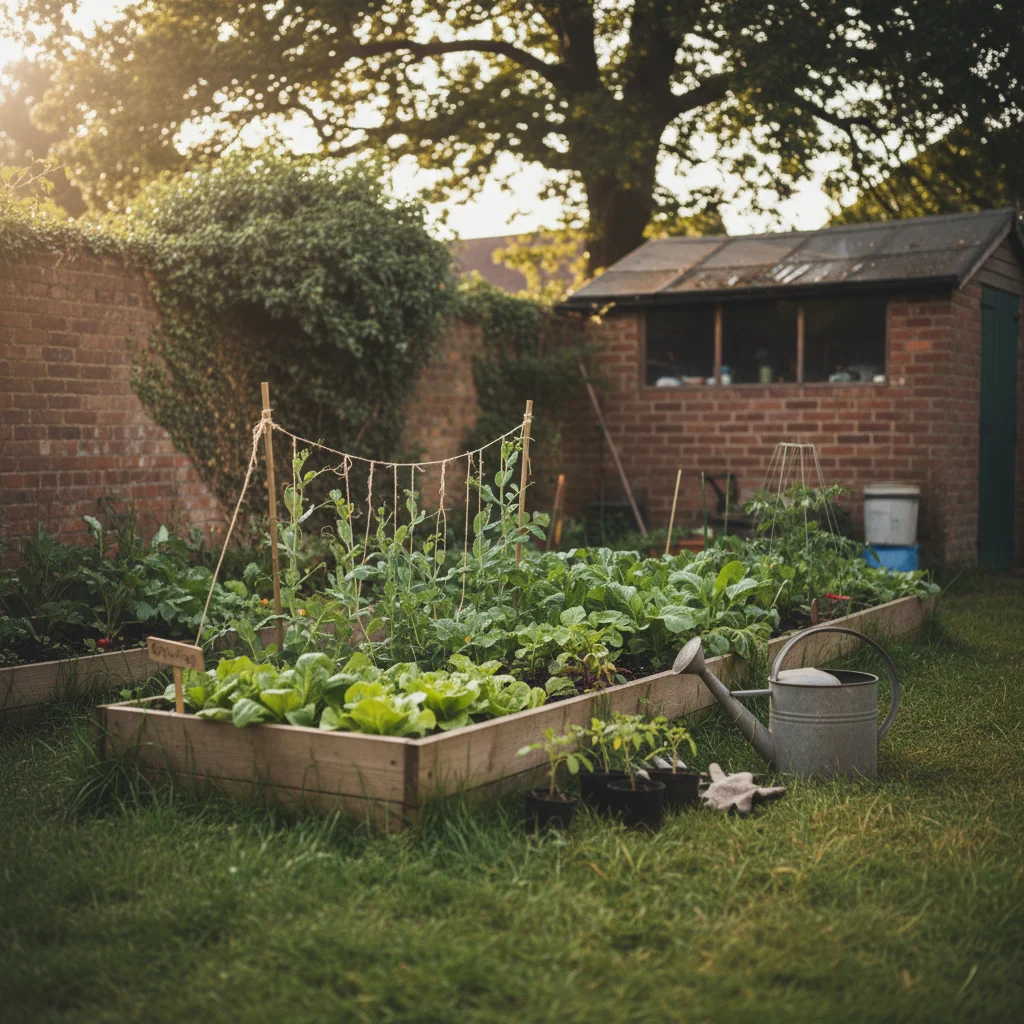
We have all been there, standing in the garden centre with a trolley full of ambitious plans. It is tempting to try and grow everything at once, but for your first year, less is definitely more. Starting with just three or four types of vegetables allows you to learn their habits without feeling like gardening has become a second full-time job.
You don't need a massive garden or even a dedicated veg patch to be successful. Many of the easiest vegetables thrive in pots on a patio or even in a sunny window box. If you have a balcony or a small courtyard, you can still produce a surprising amount of food in a very small footprint.
Focusing on a few "easy wins" helps you understand the rhythm of the seasons. You’ll learn when to water, how to spot a happy plant, and when it is time to harvest. Once you have seen those first sprouts push through the soil, you’ll be hooked for life.
The magic of cut and come again salad leaves
If you want the fastest possible results, salad leaves are your best friend. These are often called "cut and come again" because you can snip off the outer leaves for your dinner and the plant will keep growing from the centre. You can start sowing, which simply means planting the seeds, as early as March under a bit of cover or from April directly outside.
I always recommend a mixed bag of seeds like 'Lollo Rosso' or a spicy stir-fry mix. They are incredibly hardy and don't mind a bit of shade, which is perfect for typical UK gardens that might be overlooked by fences or trees. You can grow them in shallow trays, old mushroom punnets, or straight in the ground.
Within just four to six weeks, you will have enough leaves for a fresh bowl of salad. Because you aren't waiting for a single large head of lettuce to form, there is less risk of the plant "bolting" or going to seed too quickly. Just keep them well-watered during dry spells and they will reward you for months.
Radishes for the impatient gardener
Radishes are the undisputed champions of speed in the vegetable world. They are the perfect choice if you are gardening with children or if you simply want to see results fast. Some varieties, like the classic 'French Breakfast', can go from a tiny seed to a crunchy root in as little as three or four weeks.
You can tuck radish seeds into the small gaps between other, slower-growing plants. They don't need much depth, so they are ideal for shallow containers on a balcony. The key is to sow a few seeds every two weeks rather than a whole packet at once, so you have a steady supply rather than a sudden mountain of radishes.
They are generally very pest-resistant, though you might occasionally see tiny holes in the leaves from flea beetles. Don't worry about these; the plant is tough enough to handle it, and the root will still be delicious. Just pull them up when they are about the size of a large marble for the best flavour.
Growing potatoes in bags or borders
Many people think potatoes require a huge field and a tractor, but they are actually one of the easiest things to grow in a small space. Using "potato bags" or even large old buckets is a fantastic way to grow them on a patio. You can buy "seed potatoes," which are just special potatoes meant for planting, from late winter onwards.
I recommend starting with "First Earlies" like 'Swift' or 'Rocket'. These are planted in March or April and are ready to harvest much sooner than the main crop varieties. This means they often miss the dreaded potato blight that can sometimes hit later in the summer when the weather gets warm and humid.
The process is simple: put a little compost in the bottom of your container, pop the potato in, and cover it with more soil. As the green leaves grow upwards, you just keep adding more compost to cover the stem until you reach the top of the bag. This is called "earthing up" and it encourages the plant to grow even more potatoes along the buried stem.
The incredible abundance of courgettes
If you want a plant that makes you feel like an expert gardener, grow a courgette. Just one or two plants are usually enough to feed an entire family because they are incredibly productive. A variety like 'Black Beauty' is a classic choice that rarely fails in the UK climate.
Courgettes love a sunny spot and plenty of water, as they are very thirsty plants. You can start the seeds indoors in small pots in April and move them outside once the risk of frost has passed in late May. They do take up a bit of room, roughly a square metre per plant, but the sheer volume of fruit they produce makes them worth every inch.
The best part about growing your own courgettes is that you can pick them when they are small and sweet. Supermarket courgettes are often overgrown and watery, but a home-grown one picked at ten centimetres long is a revelation. You can even eat the beautiful yellow flowers stuffed with goat's cheese if you're feeling fancy.
Beetroot for colour and crunch
Beetroot is a fantastic dual-purpose vegetable because you can eat both the earthy roots and the colourful leaves. The leaves taste very similar to spinach and look beautiful in a salad bowl. A variety like 'Boltardy' is perfect for beginners because it is very resistant to running to seed if the weather turns cold.
You can sow beetroot seeds directly into the soil from April through to July. The seeds are actually small clusters of three or four individual seeds, so you will often see a little clump of seedlings pop up together. You’ll want to "thin them out" by removing the smaller ones to give the strongest plant enough room to grow a big, round root.
Beetroot doesn't need much fussing over once it is established. As long as the soil stays relatively moist, they will happily grow away until they are about the size of a golf ball. They also store remarkably well, so you can enjoy your harvest well into the autumn months.
Onions and garlic for set and forget success
If you are a busy person with limited time, onions and garlic are the ultimate "set and forget" crops. Instead of starting from tiny seeds, most beginners use "sets," which are miniature baby onions. You simply push them into the soil in autumn or spring, leaving just the very tip showing, and let nature do the rest.
Garlic is even easier; you just break a bulb into individual cloves and plant them about ten centimetres deep. Garlic actually needs a period of cold weather to develop properly, so planting it in the autumn is perfect for our UK winters. They will sit quietly through the frosts and start poking green shoots up as soon as the spring sun arrives.
These crops are rarely bothered by pests and don't require much watering unless we have a particularly scorching summer. You’ll know they are ready to harvest when the green leaves start to turn yellow and flop over. Once they are pulled and dried in the sun, they will keep in your kitchen for months.
What you need to get started
You don't need to spend a fortune on fancy gadgets to start growing your own vegetables. In fact, you probably have some of the things you need already lying around the house. Gardening is all about being resourceful and working with what you have.
While you can certainly buy professional seed trays, old yoghurt pots or egg cartons work just as well for starting seeds on a windowsill. The most important thing is to ensure your containers have holes in the bottom so that excess water can drain away.
- A sturdy hand trowel for digging and planting.
- A watering can with a "rose" attachment for a gentle spray.
- A few bags of good quality multi-purpose compost.
- A selection of seeds for the vegetables mentioned above.
- A sunny spot, whether that is a windowsill, balcony, or garden bed.
- Plant labels so you don't forget what you have sown.
Finding the right spot for your veg
Most vegetables are sun-worshippers and will be happiest in a spot that gets at least six hours of direct sunlight a day. If your garden is a bit shady, don't despair; leafy greens like salad and spinach will actually appreciate a bit of relief from the midday sun.
If you are planting directly into the ground, try to find a spot that isn't too tucked away. We often forget to water or check on plants if they are hidden at the very back of the garden. Keeping your veg patch close to the kitchen door makes it much easier to pop out and grab a handful of leaves for dinner.
For those using pots, remember that containers dry out much faster than the ground. A sunny patio can get very hot in July, so you might need to water your pots every evening. If you can, group your pots together as this helps create a little microclimate that holds moisture better than a single isolated pot.
Keeping your plants happy and hydrated
Watering is the most important task you’ll have as a new vegetable grower. The goal is to keep the soil consistently moist but not soaking wet. In the UK, our weather can be quite fickle, so it is always worth sticking your finger an inch into the soil to check if it actually needs water.
It is much better to give your plants a deep soak every few days rather than a light sprinkle every day. Deep watering encourages the roots to grow further down into the soil in search of moisture, which makes the plant stronger and more resilient. Try to water early in the morning or late in the evening to prevent the water from evaporating in the heat.
As your plants grow, they might benefit from a little extra food. You can buy liquid seaweed fertiliser or tomato feed that you simply mix into your watering can once every two weeks. This gives them a boost of nutrients, especially for hungry plants like courgettes or potatoes growing in containers.
Managing garden visitors and pests
It is a fact of life that if you grow delicious food, some of the local wildlife will want to share it. Slugs and snails are the most common visitors in a UK garden, especially during a damp spring. You don't need to reach for harsh chemicals to manage them, as there are plenty of bird-friendly ways to protect your crop.
I find that "barrier methods" work wonders for beginners. You can use copper tape around the rims of your pots or crushed eggshells around the base of your plants. If you see a few holes in your leaves, try not to panic; most plants can tolerate a bit of nibbling and will still produce a great harvest for you.
- Check your plants in the evening when slugs are most active.
- Encourage birds and frogs into your garden as they eat pests.
- Water the soil, not the leaves, to avoid attracting snails.
- Use netting to keep birds away from young seedlings or berries.
- Plant flowers like marigolds nearby to attract helpful insects.
- Keep your growing area tidy to give pests fewer places to hide.
Taking the first step today
The most important thing I have learned over the years is that there is no such thing as a perfect garden. Some things will thrive, and others might struggle, and that is all part of the learning process. Even the most experienced gardeners have the occasional failure, but that just makes the successes even sweeter.
Don't wait for the "perfect" time or for your garden to be "ready" before you start. You can pick up a packet of salad seeds and a bag of compost this weekend and have your first harvest within a month. Start with one or two of the vegetables we've discussed, and I promise you’ll be amazed at what you can achieve.
The best way to learn is by doing, so why not grab a trowel and get some seeds in the ground? You’ll be enjoying your very own home-grown feast before you know it.