We have all been there. You head to the supermarket, pick up a bag of mixed salad leaves, and by the time you come to use them two days later, they have turned into a sad, slimy mess at the bottom of the fridge drawer. It is frustrating, wasteful, and surprisingly expensive. But what if I told you that you could have a crisp, vibrant supply of greens right outside your back door, or even on your windowsill, for just the price of a packet of seeds?
Growing your own lettuce is one of the most rewarding things you can do in a UK garden. Whether you have a sprawling allotment in the countryside or a few pots on a sunny balcony in the middle of a city, you can achieve a constant harvest. The secret lies in a method called cut and come again. It is a simple technique where instead of waiting for a whole head of lettuce to grow, you harvest individual leaves as you need them, allowing the plant to keep producing more.
I remember when I first started growing veg in my small garden. I used to wait weeks for a single 'Iceberg' to heart up, only for a slug to find it the night before I planned to pick it. Switching to cut and come again changed everything. It took the pressure off, reduced the waste, and meant I always had something fresh to add to a sandwich or a dinner plate. If you are a beginner, this is the perfect place to start your "grow your own" journey.
Understanding the cut and come again method
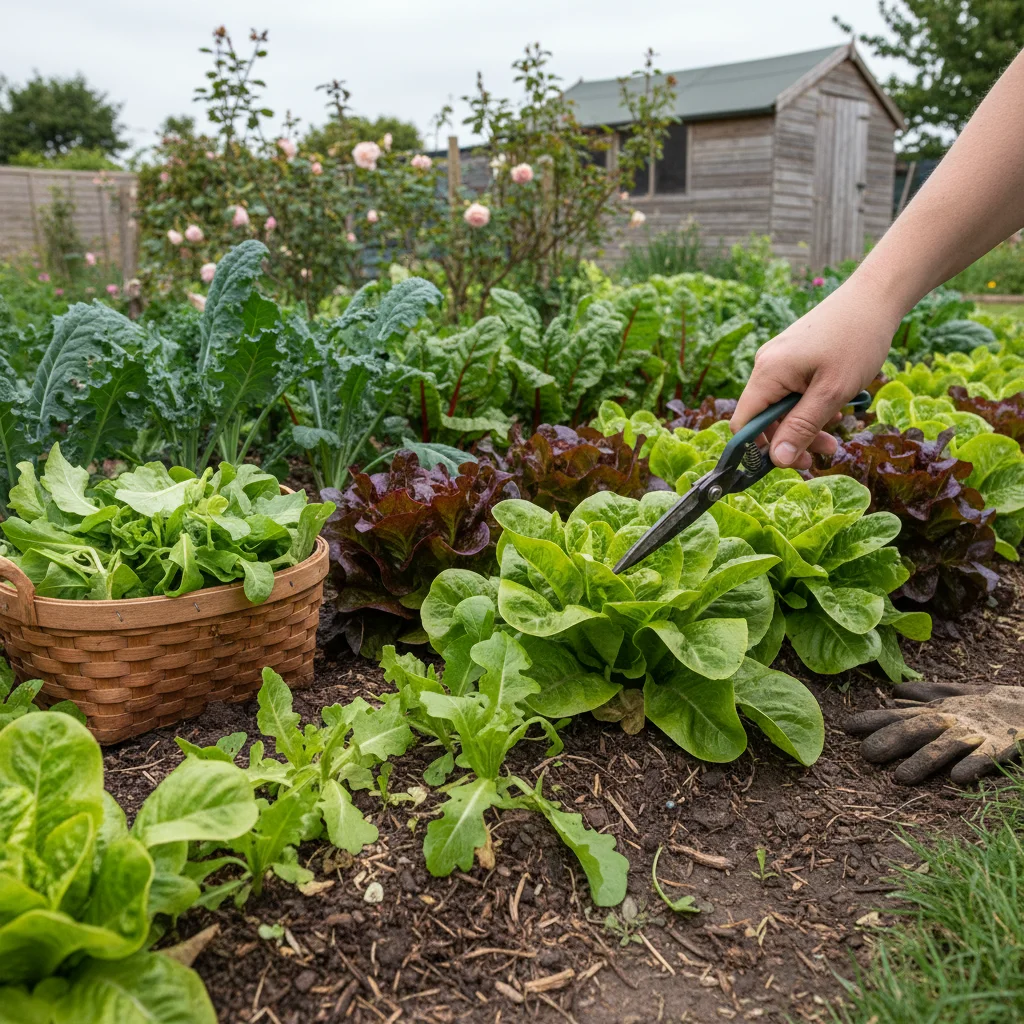
The beauty of this method is its simplicity. Most people think of lettuce as a vegetable that you plant, wait for it to grow big, and then pull the whole thing out of the ground. With cut and come again, we treat lettuce more like a herb. We sow the seeds thickly, and once the leaves reach about four inches in height, we snip off what we need.
As long as you leave the growing point—the very centre of the plant where the tiny new leaves emerge—undamaged, the plant will simply grow back. You can usually get three or four "flushes" of leaves from a single sowing before the plants start to get tired or bitter. This means you get a much higher yield from a very small amount of space.
In our typical UK climate, this method works brilliantly because lettuce actually prefers our cooler, damp spring and autumn days. While many vegetables struggle if it isn't scorching hot, lettuce is quite happy in a bit of light shade. This makes it an incredibly versatile crop for those tricky corners of the garden where other things might fail to thrive.
Choosing the best varieties for your garden
Not every lettuce is suited to this method, so picking the right seeds is the first step to success. You are looking for "loose-leaf" varieties rather than "hearting" types. Loose-leaf types naturally grow in an open habit, making it much easier to snip away at the outer leaves without bothering the rest of the plant.
When you are browsing the seed aisle or looking online, keep an eye out for packets specifically labelled as salad bowls or spicy mixes. These often contain a blend of different leaf shapes, colours, and textures, which looks beautiful in a bowl and in the garden. Here are a few of my personal favourites that have never let me down in my own plots:
- Salad Bowl (Green or Red): A classic variety that is incredibly reliable and slow to go to seed.
- Lollo Rossa: This one has wonderful frilly, dark red edges that add a bit of "wow" factor to your salads.
- Mizuna: Technically a brassica, but it adds a lovely peppery bite and is very hardy against the cold.
- Red Mist: A fast-growing leaf with a deep burgundy colour that stays tender even as it grows larger.
- Rocket: Perfect for those who like a bit of heat, though it does need plenty of water to stop it getting too spicy.
Preparing your soil or containers
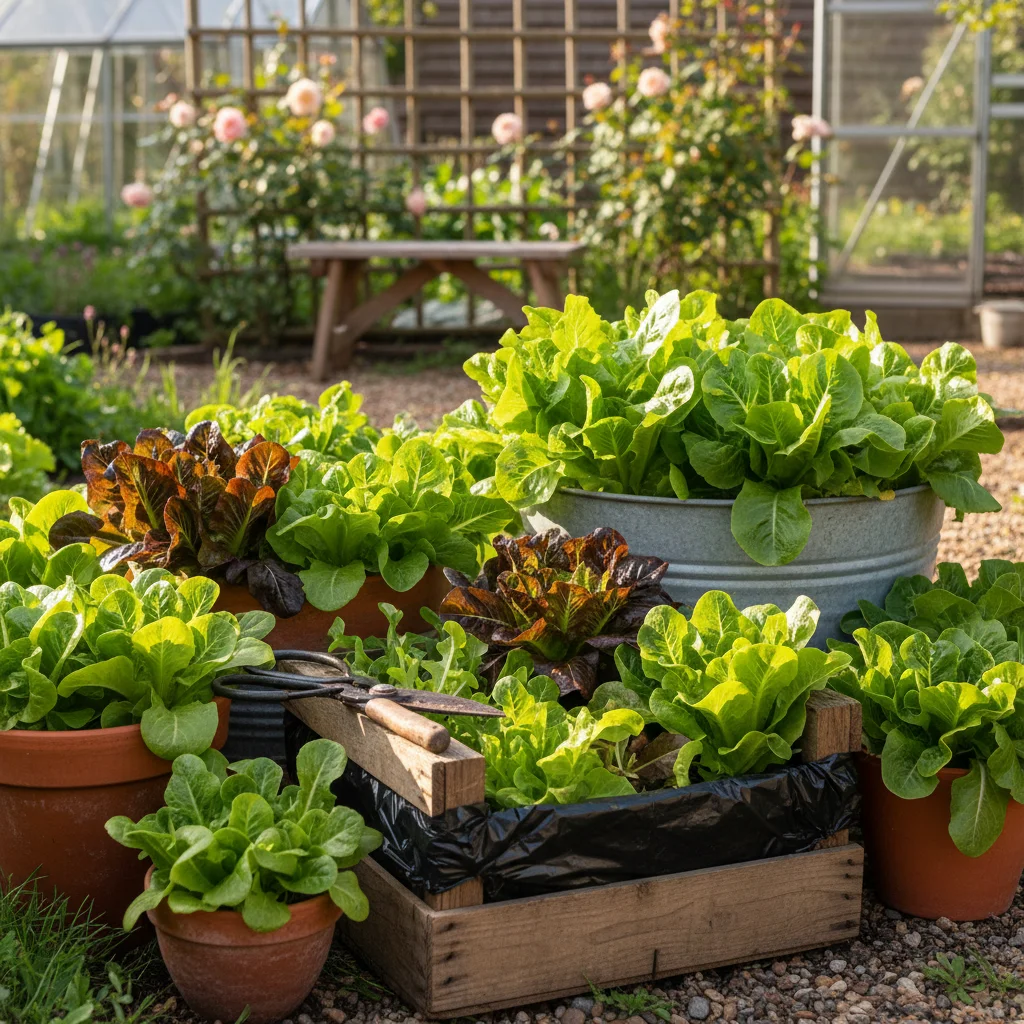
You don't need a lot of depth to grow lettuce. Their roots are quite shallow, which is why they are so well-suited to pots, window boxes, or even old wooden crates. If you are growing in the ground, give the area a quick weed and rake the soil until it looks like fine breadcrumbs. Adding a little bit of well-rotted garden compost will help hold onto moisture, which is the most important thing for juicy leaves.
If you are using containers, any multi-purpose peat-free compost will do the trick. I often suggest to beginners that they start with a few wide, shallow pots. Because you are sowing the seeds quite close together, you want a lot of surface area rather than a deep pot. Make sure whatever you use has holes in the bottom for drainage; lettuce likes to be damp, but it doesn't want to sit in a puddle.
If space is really tight, you can even grow these on a bright kitchen windowsill. You might find the leaves are a little more delicate than those grown outside, but the flavour will still be miles ahead of anything you can buy in a plastic bag. Just make sure the spot gets plenty of light but isn't directly over a hot radiator, as that will dry the soil out far too quickly.
Sowing your seeds for success
Sowing (which is just the gardener's word for planting seeds) is easier than you think. You don't need to worry about perfectly straight rows or exact spacing with cut and come again. I like to use the "scatter" method. Simply take a pinch of seeds and sprinkle them over the surface of the soil, aiming for them to be about a centimetre apart.
Once you have scattered your seeds, cover them with a very thin layer of compost—about the thickness of a pound coin. Lettuce seeds are tiny and they actually need a little bit of light to help them wake up and start growing, so don't bury them too deep. Give the area a gentle water using a watering can with a rose (the bit at the end that looks like a showerhead) so you don't wash the seeds away.
In the UK, you can start sowing outdoors from late March through to August. If the weather is still a bit chilly in early spring, you can cover your pots with a bit of clear plastic or a cloche to keep the warmth in. You should see tiny green shoots appearing in about 7 to 10 days. It is a wonderful feeling when those first bits of green start poking through the soil.
The secret to a constant supply
The biggest mistake people make is sowing all their seeds at once. You end up with fifty lettuces ready on the same day and nothing two weeks later. To get that "constant supply" I promised, you need to practice succession sowing. This sounds technical, but it just means sowing a small amount of seed every two weeks.
Start with one small pot or a one-foot square patch of ground. Two weeks later, sow another patch. By the time you have finished harvesting the first batch, the second one will be ready to go. This simple habit ensures you have a rolling harvest throughout the entire growing season, from early May right through to the first frosts of October.
If we have a particularly hot UK summer, you might find your lettuce wants to "bolt." This is when the plant suddenly shoots upwards, grows a thick stalk, and starts to produce flowers. When this happens, the leaves become bitter and tough. To prevent this, try to sow your mid-summer batches in a spot that gets a bit of afternoon shade, and keep them well-watered.
Watering and feeding your plants
Lettuce is mostly made of water, so it stands to reason that they need a regular drink to stay crisp. In a typical UK summer, a good soak every other day is usually enough, but in a heatwave, you might need to water them every morning. If the soil feels dry when you poke your finger an inch deep, it is time for a drink.
Try to water at the base of the plants rather than over the leaves. Getting the leaves wet in the evening can sometimes encourage mildew or rot, especially if the air is still. Morning is the best time to water, as it gives the plants a boost before the sun gets too high and helps them stay hydrated through the day.
You don't really need to use much fertiliser for cut and come again salad. If you have used decent compost, there should be enough nutrients to keep them going for their short life. However, if you notice the leaves are looking a bit pale or yellow, a liquid seaweed feed every two weeks will give them a gentle pick-me-up. It is organic, easy to use, and your plants will love it.
Dealing with uninvited guests
We can't talk about growing lettuce without mentioning slugs and snails. They love fresh salad leaves just as much as we do. In a damp garden, they can be a real nuisance, but don't let them put you off. There are plenty of ways to protect your crop without resorting to nasty chemicals that might harm birds or hedgehogs.
I find that growing in pots is the easiest way to keep the slugs at bay. You can wrap copper tape around the rim of the pot, which gives the slugs a tiny static shock and turns them back. If you are growing in the ground, try to keep the area around your lettuce clear of long grass or piles of wood where slugs like to hide during the day.
Birds can also be a bit of a problem, especially when the seedlings are very young and tender. Sparrows, in particular, seem to enjoy a bit of salad. A bit of simple netting or even some twigs pushed into the ground can be enough to stop them from landing and pecking at your hard work. Once the plants are a bit bigger, the birds usually lose interest.
How to harvest your leaves
This is the best part! You can usually start harvesting about four to six weeks after sowing. Wait until the leaves are about 10cm (4 inches) long. Use a sharp pair of kitchen scissors or garden snips to cut the leaves about 2cm above the soil level. It is important not to cut too low, as you want to avoid damaging the crown of the plant.
Only pick what you need for that specific meal. The flavour of a leaf that was attached to the plant five minutes ago is incomparable to anything from a shop. I like to head out to the garden with a small bowl just as I'm finishing off a dressing. By the time I've tossed the salad, the leaves are still full of life and crunch.
After you have given your patch a "haircut," give the plants a little water. This helps them recover from the shock and encourages them to start pushing out new growth. Within a week or so, you will see fresh green shoots appearing from the centre, and in another fortnight, you will be ready to harvest from the same plants all over again.
Keeping things simple for the best results
Growing your own food should be a joy, not a chore. If you find yourself getting overwhelmed, just remember that plants want to grow. You don't need a degree in horticulture or a shed full of expensive tools. A packet of seeds, some soil, and a bit of water are all it takes to start your journey toward self-sufficiency.
To help you stay on track, here is a quick summary of the most important things to remember as you get started:
- Sow small amounts of seed every two weeks to avoid a "glut" followed by a "gap."
- Always leave the central growing point intact when you are cutting your leaves.
- Keep the soil consistently moist to prevent the leaves from becoming bitter.
- Grow in pots or use copper tape if slugs are a major problem in your garden.
- Try mixing different varieties like Lollo Rossa and Rocket for a better range of flavours.
Once you have mastered the basic lettuce, you can start experimenting with other leaves that work with the cut and come again method. Spinach, Swiss chard, and even kale can be harvested as "baby leaves" using this exact same technique. It opens up a whole world of flavours that you simply cannot find on the supermarket shelves.
There is a wonderful sense of peace that comes from stepping outside and picking your dinner. It connects you to the seasons and the soil in a way that shopping never can. Plus, your wallet will thank you, and you will never have to deal with a bag of slimy supermarket salad ever again. So, grab a pot, find a sunny spot, and get some seeds in the ground today. Your future self will be very glad you did.