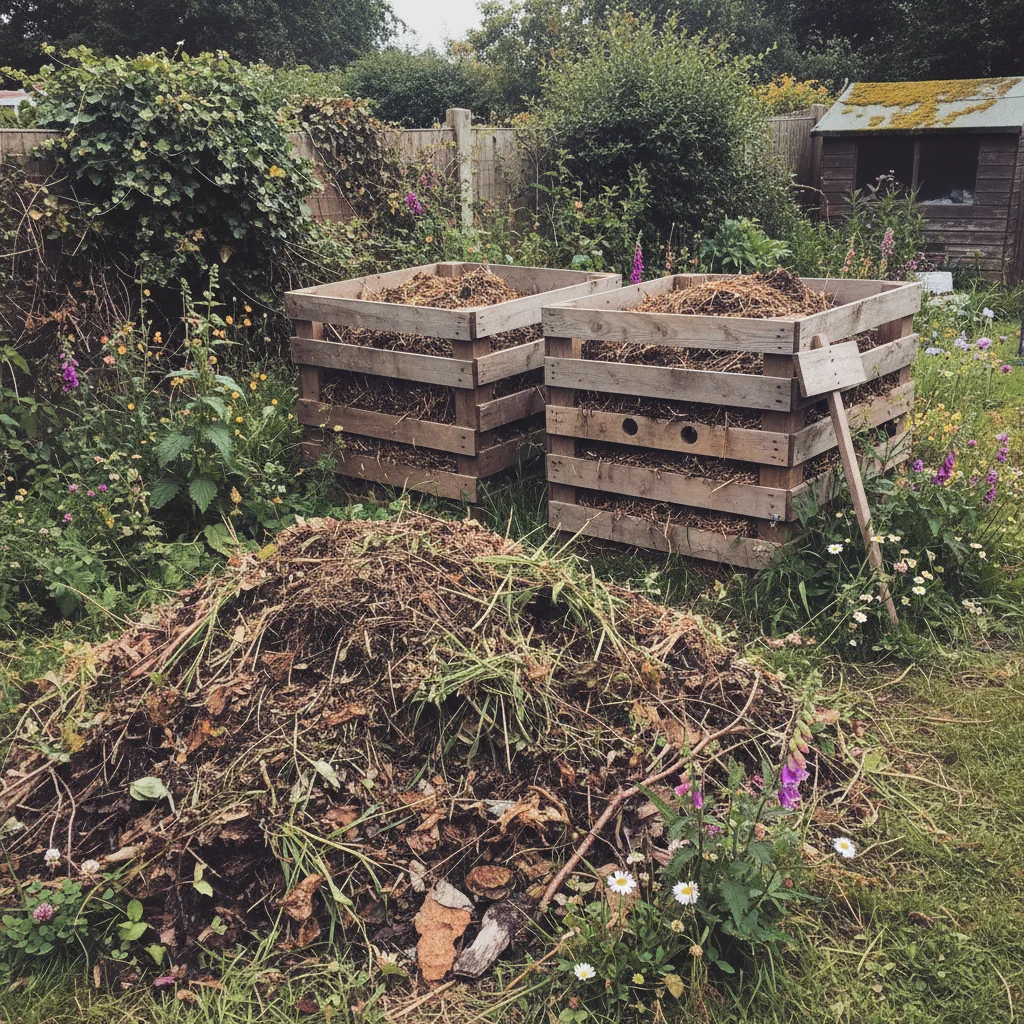
We often think of composting as a chore hidden away at the back of a large country garden. For those of us with a small London patio or a balcony three floors up, the idea of a rotting pile of veg can feel a bit out of reach. But composting isn't just about reducing what goes into your council bin; it is the single best way to bring a bit of "wild" back into our urban spaces.
Even a tiny compost setup acts as a five-star hotel and 24-hour buffet for the creatures that keep our city ecosystems running. When we create a space for decay, we are actually creating a foundation for life. From the microscopic fungi that break down your potato peelings to the birds that swoop down to find a snack, a compost bin is a living, breathing part of your garden.
You don't need a sprawling lawn or a massive wooden bay to get started. In fact, some of the most effective wildlife-friendly composting happens in small, managed containers that fit perfectly next to your pots of herbs. By the time you’ve finished this, you’ll see that your kitchen scraps are actually the most valuable resource you have for helping local nature thrive.
Why your tiny plot needs a compost heap
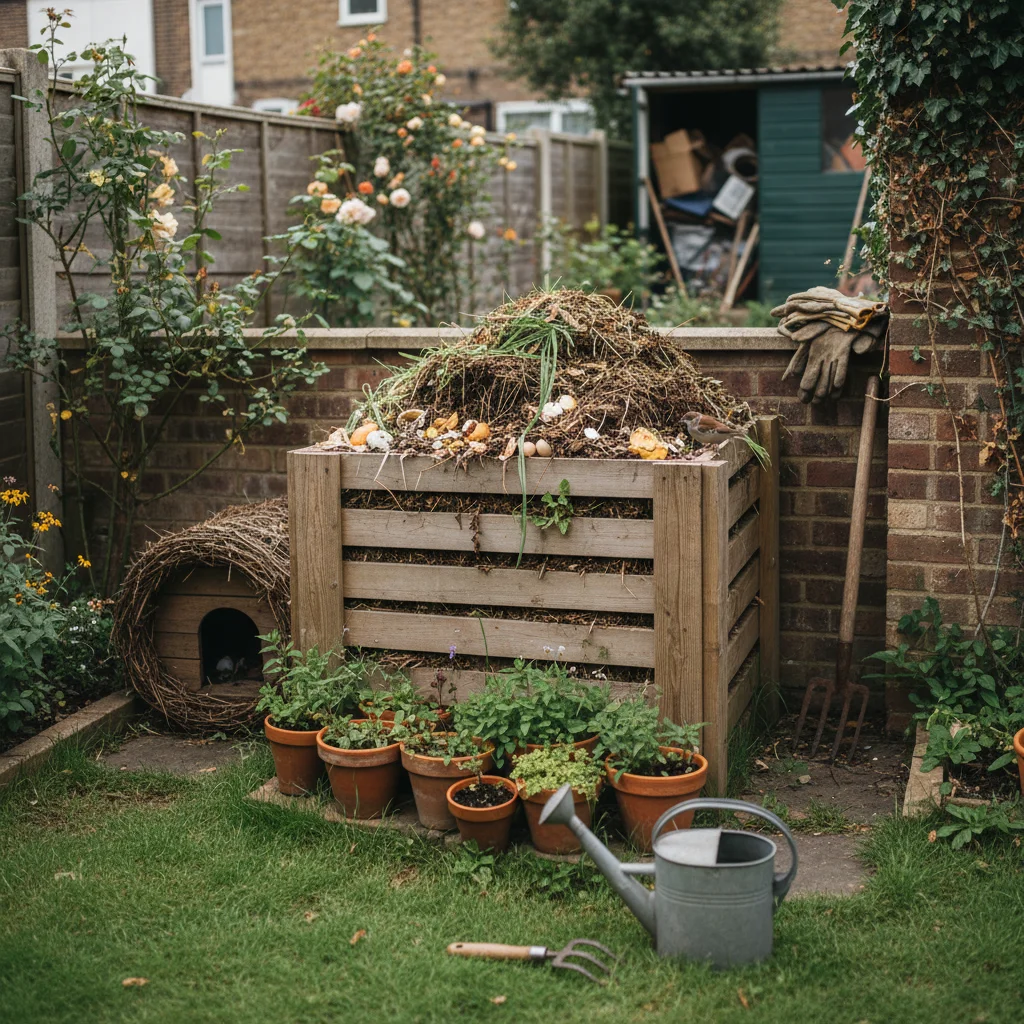
In a city, our gardens are often isolated islands of green in a sea of concrete. By starting a compost bin, you are creating a vital corridor for insects and soil life. This "bottom-up" approach to gardening means you aren't just looking after your plants; you are looking after the entire food chain.
The heat and moisture found in a compost heap provide a perfect microclimate for all sorts of "mini-beasts." We’re talking about woodlice, springtails, and various beetles that might otherwise struggle to find a home in a tidy urban environment. These insects are the unsung heroes of the garden, turning your waste into nutrient-rich fertiliser while providing food for larger visitors.
If you have a ground-level space, even if it’s just a tiny paved courtyard, your compost heap might attract bigger guests too. Frogs, toads, and even slow worms love the warmth of a decomposing pile. They’ll repay your hospitality by munching on the slugs that usually go for your hostas or young lettuce leaves.
For those on balconies, the benefits are more about the soil health and the smaller pollinators. The rich, organic matter you produce will be far better for your container plants than anything you can buy in a plastic bag at the DIY store. It helps your pots retain water during a hot British summer, which is a lifesaver when you’re busy and forget the watering can.
Choosing a bin that fits your life
The biggest hurdle for urban gardeners is usually space and aesthetics. We don’t want a smelly, dripping mess right next to our outdoor seating area. Thankfully, modern composting options are designed with small spaces and style in mind, meaning you can find something that fits your balcony or patio perfectly.
If you are working with a very small area, you might want to consider these practical options for urban composting:
- Wormeries: These are fantastic for balconies because they are compact, self-contained, and produce "liquid gold" fertiliser for your pots.
- Hot bins: These are insulated bins that work much faster than traditional heaps, reaching high temperatures even in small volumes.
- Plastic Dalek bins: The classic UK choice for small gardens; they are affordable, keep the rain out, and hold the heat well.
- Wooden slatted bins: Best for ground-level courtyards, as they allow easier access for larger wildlife like toads and hedgehogs.
- Tumble composters: Great if you have limited physical strength or space to turn a heap, as you simply rotate the drum.
Wormeries are particularly popular in London because they deal specifically with kitchen waste. You don’t need a lot of garden "browns" like dry leaves to make them work. The Tiger Worms do all the heavy lifting, and because the system is enclosed, you won't have any issues with unwanted visitors like mice or flies.
If you have a bit more room on a patio, a "hot bin" is a brilliant investment. They look like a wheelie bin but are made of thick insulation. They can turn your food scraps and grass clippings into usable compost in as little as 90 days, which is perfect if you’re impatient to see results in your window boxes.
The secret life of the compost heap
Once you set up your bin, you aren't just a gardener; you’re a zookeeper. The process of decomposition is driven by a massive variety of organisms. At first, the "primary consumers" like bacteria and fungi move in to start breaking down the soft green waste.
As the pile settles, larger creatures like mites, millipedes, and centipedes arrive. These are the predators of the compost world, keeping the population of smaller bugs in check. If your bin is in contact with the ground, you’ll soon see earthworms moving up through the soil to join the party.
One of the most exciting things about wildlife composting is seeing the birds take notice. Robins and blackbirds are incredibly clever; they’ll soon learn that your compost area is a prime spot for finding larvae and worms. You might find them perched on the edge of your bin every morning, waiting for you to turn the top layer over.
Even the "unpopular" insects play a role. Flies and gnats are often seen as a nuisance, but they are a vital food source for the spiders and bats that patrol our urban skies at night. By allowing a little bit of controlled "mess" in your compost bin, you are supporting a much wider web of life than you might realise.
Feeding the mini beasts correctly
To keep your mini-ecosystem healthy and smell-free, you need to get the balance of ingredients right. We often talk about "Greens" and "Browns." Greens are nitrogen-rich materials like vegetable peelings, coffee grounds, and soft green prunings. Browns are carbon-rich materials like shredded cardboard, egg boxes, and dried leaves.
In a small garden or on a balcony, we often have plenty of greens from the kitchen but struggle to find enough browns. It is essential to keep a stash of dry cardboard or newspaper nearby. Every time you add a handful of kitchen scraps, add a handful of torn-up cardboard to keep the air flowing and prevent the heap from becoming a soggy, anaerobic mess.
To keep your compost pile healthy and attractive to wildlife, try to include a variety of these items:
- Raw fruit and veg scraps: The staple diet for your compost worms and bacteria.
- Torn cardboard and egg boxes: Provides the essential "brown" carbon and creates air pockets for insects to hide in.
- Coffee grounds and tea leaves: A great nitrogen boost that worms absolutely love (just ensure tea bags are plastic-free).
- Annual weeds: As long as they haven't gone to seed, these add great bulk and nutrients to the mix.
- Crushed eggshells: These add calcium to the finished compost and help grit the digestive systems of worms.
Avoid adding cooked food, meat, or dairy, especially in an urban environment. These are the things that attract rats and cause unpleasant smells. Stick to raw plant waste and you’ll find that your compost bin smells like a fresh forest floor rather than a rubbish dump.
If you find your bin is getting a bit too wet—a common problem in our rainy British winters—just add more dry cardboard. I always keep a bag of shredded paper under the sink specifically for this purpose. It’s a great way to recycle your bank statements while helping the woodlice in your garden thrive.
Managing your heap through the British seasons
Composting isn't a static process; it changes with the weather. In the spring and summer, everything speeds up. The sun warms the bin, and the bacteria work at a frantic pace. This is when you’ll need to water your compost occasionally if it looks dry, as the insects need moisture to survive.
During the autumn, you’ll have a glut of material as you clear out your summer pots and window boxes. This is a great time to "tuck in" your compost bin for the winter. Adding a layer of old carpet or a thick piece of cardboard on top of the pile helps retain the heat as the temperatures drop.
Winter is the slowest time for composting in the UK. The worms will head to the bottom of the bin where it’s warmest, and the bacteria will go into a bit of a dormant state. Don't worry if nothing seems to be happening in January; just keep adding your kitchen scraps in small amounts.
When the first frost hits, your compost bin becomes an even more important refuge. It’s often several degrees warmer than the surrounding air. If you have a ground-level bin, leave the area around the base a bit "untidy" with some old leaves or twigs. This provides extra insulation for any frogs or insects that are overwintering nearby.
Troubleshooting common urban issues
Living in close quarters with neighbours means we have to be a bit more careful with our composting habits. The most common worry is the smell. A healthy compost bin should smell earthy, not sour. If it starts to pong, it usually means it’s too wet or has too much nitrogen. Simply stir in some dry leaves or cardboard to fix the balance.
Fruit flies can sometimes be a bit of a nuisance in the height of summer, especially if you’re composting a lot of fruit skins. A quick trick is to always cover your "greens" with a layer of "browns" or a bit of finished compost. This creates a barrier that makes it harder for the flies to reach the fresh waste.
If you’re worried about mice, make sure you choose a bin with a solid base or sit your bin on a piece of fine wire mesh. This allows the worms and drainage to work but stops any rodents from burrowing up from underneath. Most modern plastic bins are very secure as long as the lid is kept on tight.
Lastly, don't worry if you see "scary" looking bugs in there. Most of the time, they are just part of the process. Large beetle larvae, for example, might look a bit intimidating, but they are often the larvae of stag beetles or rose chafers, both of which are struggling in the UK and need our help. Embrace the weirdness of the compost world; it’s a sign that your ecosystem is working.
Putting your compost to work
After six months to a year, the material at the bottom of your bin should be dark, crumbly, and smell like a woodland walk. This is your "black gold." Even if you only have a few pots on a balcony, this homemade fertiliser is far superior to anything you can buy in a shop because it’s teeming with beneficial microbes.
You can use your compost as a mulch, spreading a thick layer over the top of your containers in early spring. This helps to suppress weeds, lock in moisture, and slowly feed your plants throughout the growing season. It’s particularly good for "hungry" plants like patio tomatoes or climbing clematis.
If you’re potting up new plants, mix your homemade compost with some coco coir or a little bit of grit. This creates a bespoke potting mix that is perfectly suited to your garden's conditions. Because you know exactly what went into it, you can be sure there are no nasty chemicals or peat involved.
Starting a compost bin is a small act that has a huge impact. It turns your daily waste into a source of life, supporting everything from the tiniest microbe to the birds singing on your roof. By giving a little bit of space to the process of decay, you are ensuring that your urban garden remains a vibrant, healthy haven for years to come.