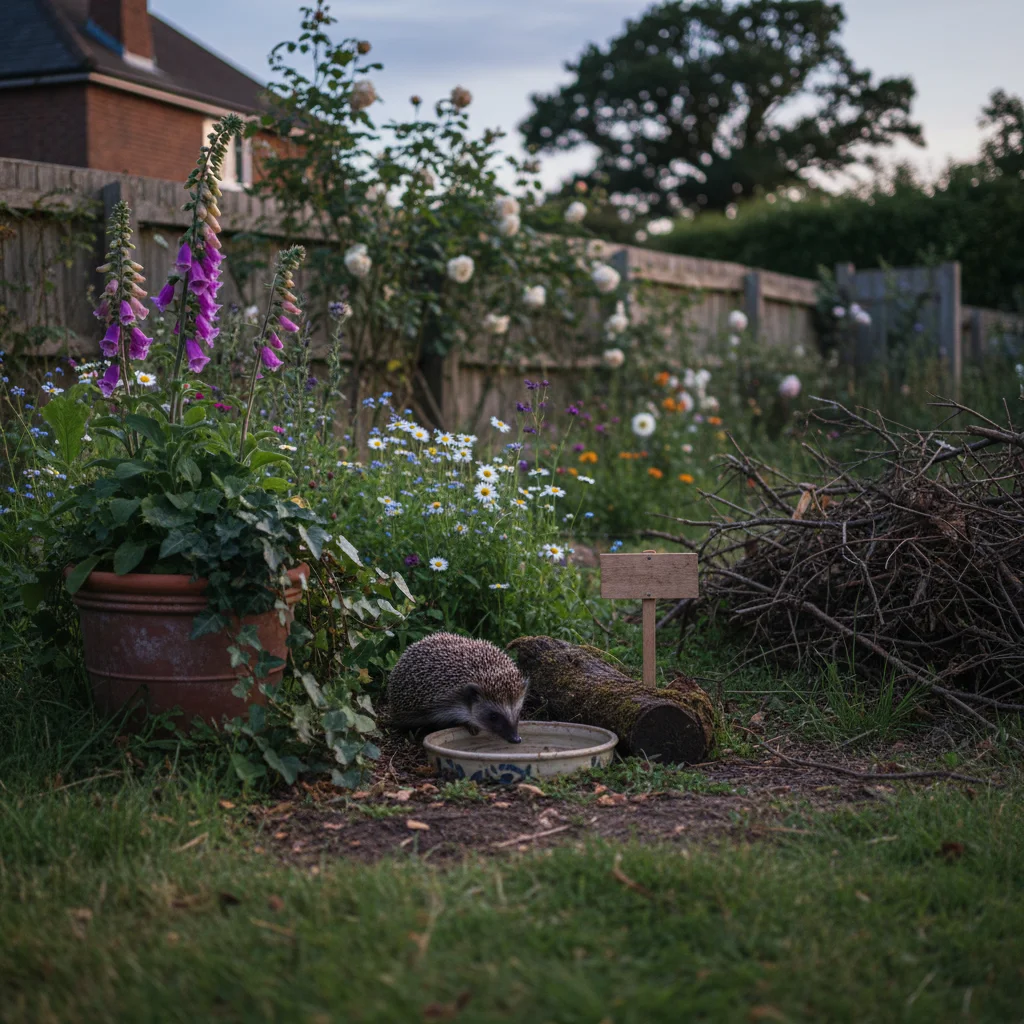
We often think of hedgehogs as creatures of the deep countryside, snuffling through vast hedgerows and ancient woodlands. The reality in the UK today is quite different. Our gardens, even the tiny ones in the heart of London or the paved courtyards of our terrace streets, have become vital lifelines for these iconic animals. As their natural habitats disappear, our back plots provide the food, shelter, and nesting sites they desperately need to survive.
If you have a small outdoor space, you might think there isn't much you can do to help. I used to think the same about my own compact patch. However, hedgehogs don't need a sprawling estate; they need connectivity and a few safe corners. You don't need to be a wildlife expert or have a shed full of expensive tools to make a difference. A few simple adjustments to how you manage your pots, fences, and borders can turn a sterile space into a thriving hedgehog haven.
The British hedgehog population has seen a worrying decline over the last few decades, but urban populations are showing some signs of stabilising. This is largely thanks to gardeners like us making small, conscious choices. Whether you have a tiny lawn, a gravelled courtyard, or a patio filled with containers, there are practical steps you can take tonight to welcome these prickly visitors.
Create a Hedgehog Highway
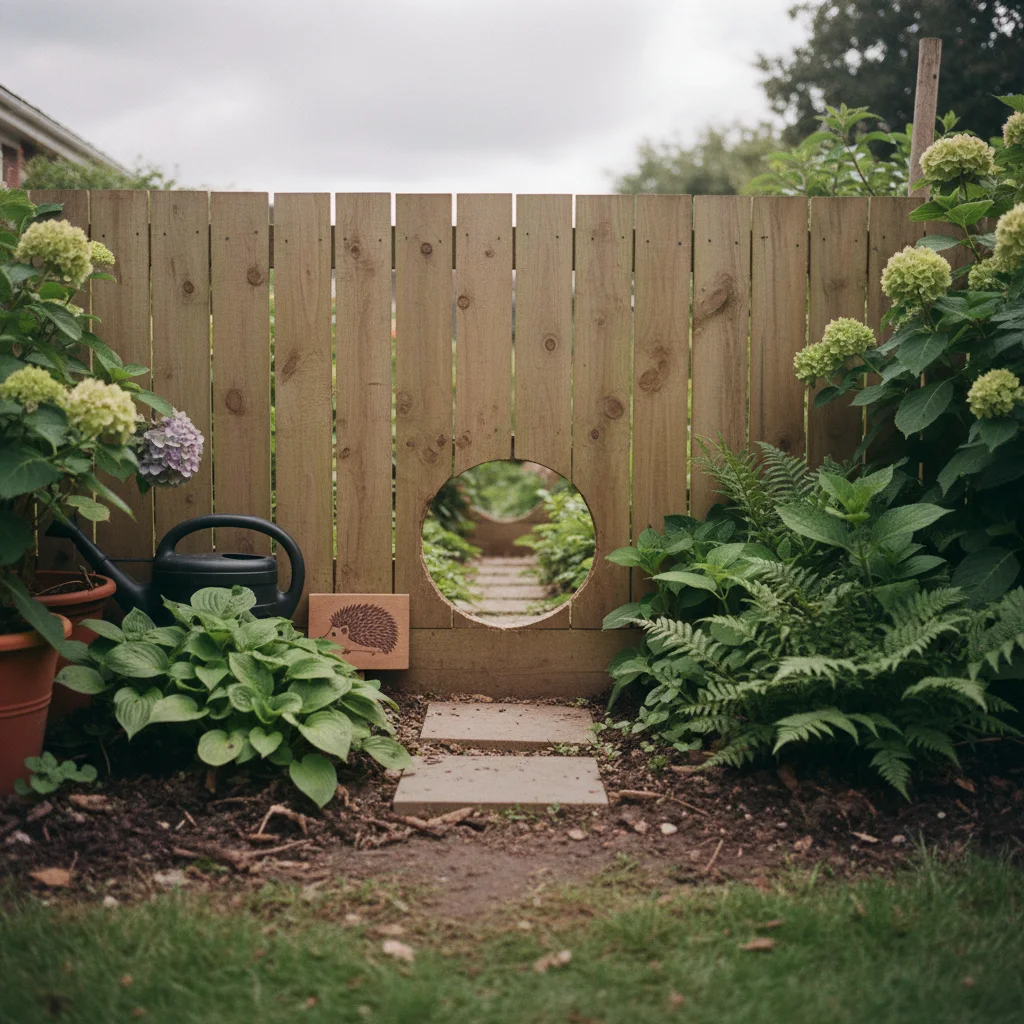
The single biggest challenge for an urban hedgehog is getting into your garden in the first place. These animals are surprisingly active, often travelling up to two kilometres in a single night to find enough food and a mate. In our modern towns, we’ve become very good at sealing off our gardens with impenetrable fences and gravel boards, effectively locking hedgehogs out of their foraging grounds.
A Hedgehog Highway is simply a small gap at the base of your fence or wall that allows them to pass through. It only needs to be about 13cm by 13cm—roughly the size of a standard CD case. This is too small for most pets to escape through but perfectly sized for a roaming adult hedgehog. If you have a wooden fence, you can carefully saw a small arch at the bottom of one panel.
If you’re worried about the look of a hole in your fence, you can buy or make small decorative frames to neaten the edges. It’s also worth chatting with your neighbours. A highway only works if it leads somewhere, so encouraging the person next door to make a similar gap creates a green corridor. We’ve all seen how fragmented our city habitats can be; this is the simplest way to stitch them back together.
For those with brick walls, removing a single brick at ground level does the trick. If you have a gate, check if there’s enough clearance underneath. Sometimes just digging a small channel in the soil under the gate is enough to let a hedgehog squeeze through. It’s a small change that has a massive impact on their ability to find the resources they need to thrive.
Provide a Reliable Water Source
Water is often overlooked in wildlife gardening, but it is the most essential thing you can provide. During a dry British summer, hedgehogs can struggle to find natural water sources. Dehydration is a major cause of death, especially for young hoglets. You don't need a fancy stone birdbath or a pre-formed pond to help; a simple shallow dish is perfect.
I use a heavy ceramic plant saucer in my garden because it’s difficult for the hedgehogs to tip over. It’s important to keep the water shallow so there’s no risk of them falling in and struggling to get out. If you do use a deeper container, make sure to put some large stones or pebbles inside so they have a ramp to climb out of if they take an accidental dip.
Clean water is vital, so try to refresh the dish every evening. You’ll be surprised at how quickly they find it. I’ve often sat out on my patio at dusk and heard the distinct lapping sound of a hedgehog having a long drink. It’s a small joy that reminds you why these little efforts are so worthwhile.
Never, ever give hedgehogs milk. This is an old myth that unfortunately still persists. Hedgehogs are lactose intolerant, and giving them milk can cause severe stomach upsets and dehydration, which can be fatal. Plain, fresh tap water is all they need to stay healthy and hydrated throughout the year.
Offer the Right Supplemental Food
While hedgehogs are excellent natural pest controllers, supplemental feeding can be a huge help, particularly in the autumn when they are trying to put on weight for hibernation. You don't need to buy specialist "hedgehog food," though many good varieties are available. Most of us already have something suitable in the kitchen cupboard.
The best things to offer are meat-based cat or dog food. Both wet food and dry kibble are fine, though dry food has the added benefit of being better for their teeth and less likely to attract flies in the summer. Look for chicken or turkey flavours, and try to avoid fish-based varieties as these aren't part of their natural diet.
If you’re worried about attracting the local cats or foxes to the food, you can build a simple feeding station. A plastic storage crate with a 13cm hole cut in the side, weighted down with a brick, works perfectly. Place the food at the back of the crate. This allows the hedgehogs to eat in peace while keeping larger animals out.
Consistency is key if you decide to feed them. They will start to rely on your garden as a food source, so try to put a small amount out at the same time every evening. Remember that supplemental feeding is just that—a supplement. Their main diet should still come from the insects and invertebrates they find while foraging in your borders and pots.
Set Up a Safe Nesting Spot
Hedgehogs need safe, dry places to sleep during the day, to raise their young in the summer, and to hibernate during the winter. In a tidy urban garden, these spots can be hard to find. We often clear away the very things they love: leaf litter, overgrown corners, and piles of old wood.
You can buy purpose-built hedgehog houses, and many of them look lovely nestled under a hedge or a large shrub. However, you can just as easily create a natural nesting site. A pile of logs in a quiet, undisturbed corner of the garden is a five-star hotel for a hedgehog. It provides shelter and also attracts the beetles and bugs that they love to eat.
If you have a very small space, even a pile of dry leaves tucked under some structural plants or behind a large pot can provide a temporary daytime retreat. The key is to leave these areas alone. We all want our gardens to look "done," but a little bit of mess is exactly what wildlife needs. Try to resist the urge to tidy up every single fallen leaf in the autumn.
When placing a house or creating a log pile, try to find a spot that is out of the wind and won't get waterlogged. A north-facing wall or a shaded corner behind a compost bin is often ideal. Once it’s in place, try not to keep checking it. Hedgehogs are easily spooked, and if a mother feels her nest is being watched, she may abandon her young.
Garden Safety Checklist
Our gardens can be full of hidden dangers for a small mammal. Before you head out to do your weekend gardening, it’s worth taking a few minutes to check for potential hazards. Many common garden features can be transformed from a trap into a safe environment with very little effort.
- Check before strimming: Always check long grass or the base of hedges for sleeping hedgehogs before using a strimmer or mower.
- Pond safety: Ensure all ponds have a shallow edge or a ramp made of stones or wood so hedgehogs can climb out.
- Netting heights: Keep garden netting, such as pea netting or football nets, at least 30cm off the ground to prevent entanglement.
- Ditch the chemicals: Stop using slug pellets and harsh pesticides; these can poison hedgehogs or remove their primary food source.
- Cover drains: Ensure all drains and deep holes are covered, as hedgehogs can easily fall in and become trapped.
- Bonfire checks: Always move a bonfire pile to a new spot just before lighting it to ensure no one has crawled inside to sleep.
By ticking these off, you’re not just helping hedgehogs; you’re making your garden safer for all kinds of wildlife. It’s about creating a space where nature can exist alongside us without unnecessary risks. Most of these checks take seconds but can literally be life-saving.
Planting for Hedgehog Prey
To truly support hedgehogs, we need to think about what they eat. They are insectivores, meaning their diet consists mostly of beetles, caterpillars, earthworms, and slugs. A garden full of plastic grass and sterile hybrid flowers won't provide the "insect buffet" a hedgehog needs to survive.
You don't need a meadow to attract insects. Even in a small patio garden, you can grow plants in containers that will bring in the bugs. Native plants are usually the best choice. Try a large pot of lavender or some honeysuckle climbing up a trellis. These attract moths, whose caterpillars are a favourite snack for hedgehogs.
Allowing a small patch of your lawn to grow long, or leaving a corner of your border unweeded, will encourage a huge variety of invertebrates. If you have a paved garden, consider adding a few "bug hotels" or simply a pot filled with decaying wood and leaves. This creates a micro-habitat for beetles right at the ground level where hedgehogs forage.
- Lavender: Great for pollinators and easy to grow in pots on a sunny patio.
- Honeysuckle: Provides cover and attracts moths for night-time foraging.
- Wildflowers: Even a window box of cornflowers can help boost local insect numbers.
- Native grasses: These provide nesting material and a home for various larvae.
- Foxgloves: Perfect for shady corners and very attractive to bumblebees and beetles.
By focusing on the bottom of the food chain, you’re ensuring that any hedgehog visiting your garden finds a high-quality meal. It’s much better for them to eat a variety of natural prey than to rely solely on the food we put out. Plus, a garden full of life is much more interesting for us to look at too.
Managing the Seasons
Hedgehogs have different needs depending on the time of year, and understanding the British seasonal cycle helps you provide the right support at the right time. In the spring, they emerge from hibernation often quite weak and dehydrated. This is when fresh water and a bit of supplemental food are most critical.
During the summer months, keep an eye out for "sun-bathing" hedgehogs. If you see a hedgehog out in the middle of the day, it is almost certainly in trouble. They are strictly nocturnal, so a hedgehog out in the sun is likely dehydrated or unwell. In this situation, place it in a high-sided box with a towel and a shallow bowl of water, and contact a local wildlife rescue immediately.
Autumn is the busiest time for both hedgehogs and gardeners. They are frantically trying to reach a target weight of at least 600g to survive the winter frost. This is the time to be generous with the cat food and to ensure your Hedgehog Highways are clear of fallen debris. It’s also the time to leave those piles of leaves alone so they have plenty of bedding material.
Winter is hibernation time, usually from November through to March, depending on how cold the British winter gets. During this period, keep the garden quiet and avoid disturbing any potential nesting sites. If we have a particularly mild spell, you might see a hedgehog wake up briefly to find a snack. Keeping a small amount of dry kibble and water out can help these mid-winter wanderers.
Watching Your Visitors
One of the most rewarding parts of making these changes is actually seeing the results. Because hedgehogs are active at night, you might not always see them in person, but there are plenty of ways to tell if your garden is being used. Look for their distinctive droppings—black, cylindrical, and often containing shiny bits of beetle wing.
If you’re curious, you can set up a simple footprint tunnel. This is just a cardboard triangle with some non-toxic ink (or charcoal mixed with vegetable oil) and paper inside. As the hedgehog walks through to get to some food, they leave little paw prints behind. It’s a fantastic way to involve kids in gardening and wildlife conservation.
For those who love a bit of tech, a cheap wildlife camera can reveal a whole secret world. I’ve spent many mornings watching footage of hedgehogs snuffling around my pots or having a standoff with a local cat over a bowl of kibble. It really brings home the fact that even our small, urban spaces are part of a much larger, living ecosystem.
Creating a hedgehog-friendly garden isn't about achieving perfection or having a massive budget. It’s about being a little less tidy, a little more observant, and making sure the door is always open. When you hear that first rustle in the undergrowth on a warm June evening, you’ll know that all your small efforts have truly made a difference.