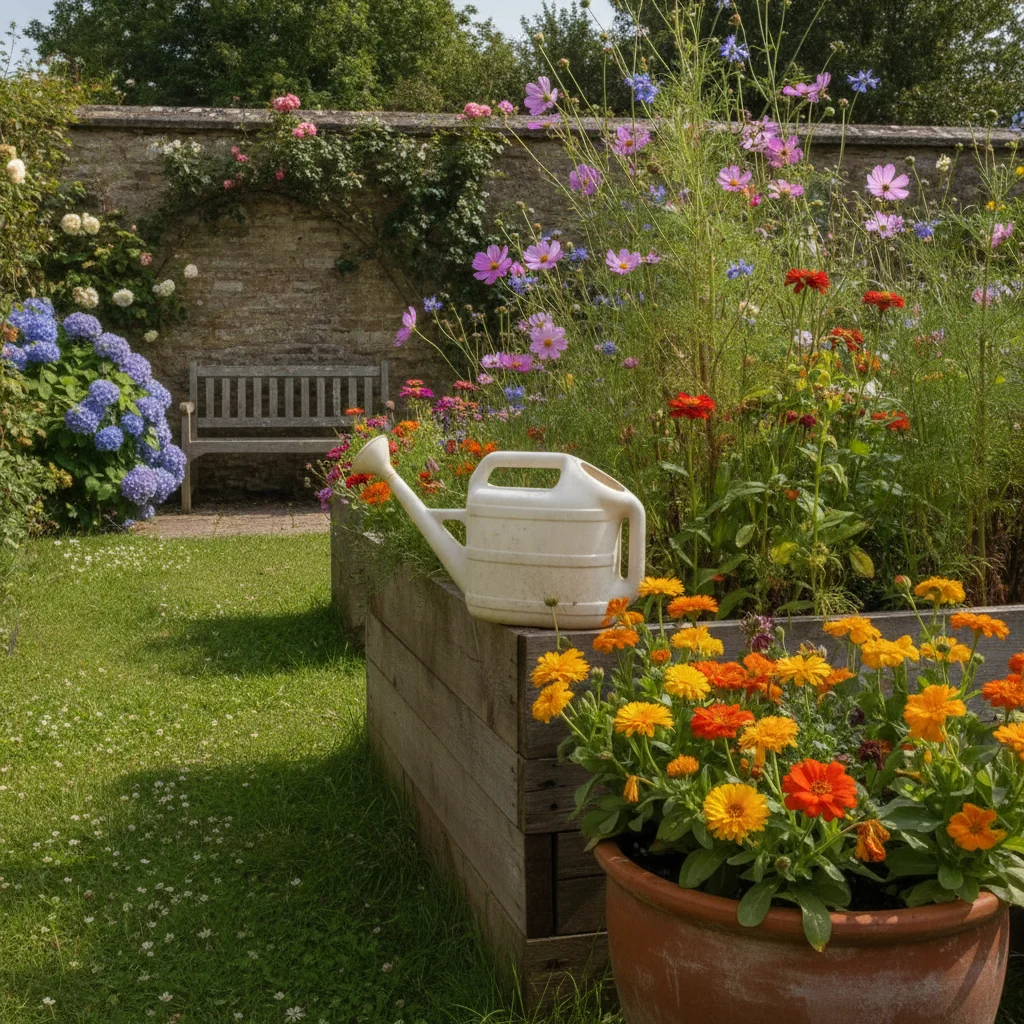
We have all been there, standing in the garden centre aisle, staring at rows of colourful seed packets and feeling completely overwhelmed. It is easy to think that you need a degree in botany or a Victorian walled garden to grow something beautiful. I used to feel exactly the same way when I started out on my small plot in Yorkshire, but I quickly learned that nature actually wants to grow.
The secret to a successful garden isn't spending every waking hour weeding or worrying about soil pH levels. It is about choosing the right plants that are tough enough to handle our unpredictable British weather. Whether you have a sprawling lawn, a tiny balcony, or just a few pots by the front door, you can create a stunning floral display without the stress.
Growing flowers is much easier than you think when you start with varieties that are naturally "hardy" or "vigorous." This just means they are strong and can survive a bit of neglect or a sudden chilly night. In this guide, I want to share my favourite "set and forget" flowers that will give you maximum colour for minimum effort.
Sunflowers for instant height and joy
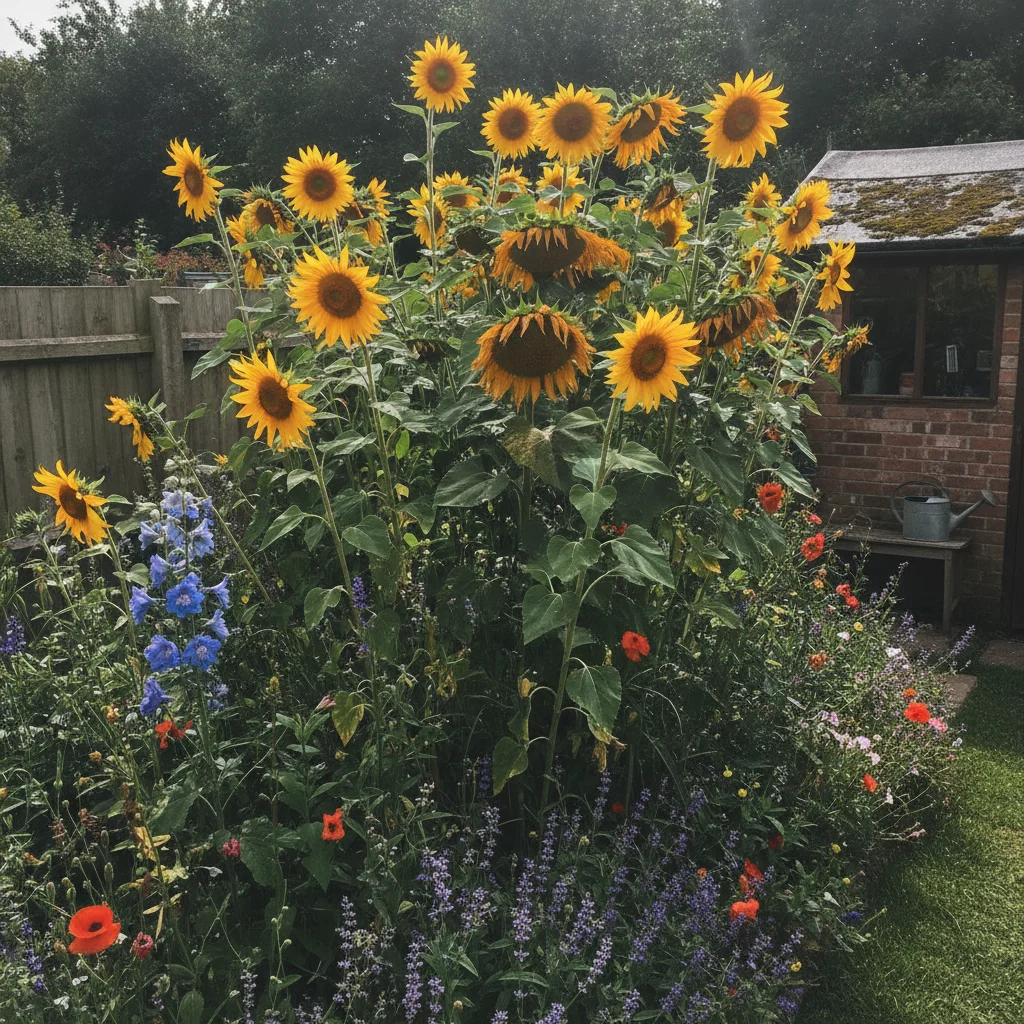
If there is one flower that makes everyone smile, it is the sunflower. They are perhaps the most rewarding plant for a beginner because they grow so quickly. You can practically see them getting taller every day during a warm spell in July.
Sowing (which is just the gardener’s word for planting seeds) sunflowers is a great project if you have children or grandchildren. The seeds are large and easy to handle, so you don't need any fiddly tools. I usually start mine in old yogurt pots on a sunny windowsill in April, but you can pop them straight into the ground in May once the risk of frost has passed.
For a classic look, try a variety like 'Giant Single' which can reach over two metres tall. If you have a smaller space or are growing in pots, look for 'Teddy Bear' or 'Little Dorrit'. These stay much shorter but still produce beautiful, fluffy yellow blooms that bees absolutely love.
Just remember to give them a sturdy stick or a bamboo cane for support as they grow. Our UK summer winds can be a bit cheeky, and a tall sunflower needs a little help to stay upright. Once they finish flowering, leave the heads on the stalks so the local birds can enjoy a feast of seeds in the autumn.
Nasturtiums the ultimate garden multitasker
If you want a plant that actually thrives on neglect, the nasturtium is your best friend. In fact, if you give them too much "good" soil or fertiliser, they will produce lots of green leaves but very few flowers. They prefer "poor" soil, making them perfect for those neglected corners of the garden.
These flowers come in vibrant oranges, reds, and yellows, and they have a wonderful way of spilling over the edges of pots or hanging baskets. I love 'Jewel Mix' for a splash of variety. They are also completely edible, with a peppery taste that goes brilliantly in a summer salad.
Nasturtiums are also fantastic for "companion planting." This is a simple trick where you grow certain plants together to help each other out. I always grow them near my vegetables because they act as a "sacrificial crop" for aphids. The pests go to the nasturtiums instead of my precious beans.
You can simply poke the large seeds into the soil about an inch deep in late spring. Within a few weeks, you will see the distinctive round leaves appearing. They grow so fast that they will quickly cover any bare patches of earth, acting as a living mulch to keep moisture in the ground.
Sweet peas for scent and soul
There is nothing quite like the scent of sweet peas drifting through an open window on a July evening. While they might look delicate, they are surprisingly tough and very easy to grow from seed. They are "climbers," which means they love to scramble up a fence, a trellis, or even a simple wigwam made of sticks.
I usually start my sweet peas in "root trainers" or deep pots because they like to grow long, straight roots. A common trick we use is sowing them in the cardboard middle of a toilet roll. When you are ready to plant them outside, you can put the whole cardboard tube into the ground, and it will naturally rot away.
To get the most flowers, you should try "pinching out." This sounds technical, but it just means nipping off the very top of the plant with your fingernails once it has two or three pairs of leaves. This encourages the plant to grow bushy and produce even more flower stems.
The best part about sweet peas is that the more you pick them, the more they grow. If you leave the flowers on the plant, they will turn into seed pods and the plant will stop blooming. By cutting a small bunch for a vase every few days, you are actually helping the plant stay productive all summer long.
Cosmos for a summer of blooms
Cosmos are the hard-working heroes of the summer border. They produce masses of daisy-like flowers in shades of white, pink, and deep maroon. They have feathery, fern-like foliage that looks beautiful even before the flowers appear, and they sway gracefully in the breeze.
These plants are incredibly "productive," meaning they will keep flowering from mid-summer right until the first frosts of autumn. I’ve often had cosmos still looking lovely in my garden in late October. They are very drought-tolerant, so you don't need to worry if you forget to water them for a day or two during a heatwave.
For beginners, I highly recommend the 'Sonata' series because they are slightly shorter and don't require staking. If you have a bit more room, 'Purity' is a stunning tall white variety that makes any garden look sophisticated. They are very easy to grow from seed on a windowsill in March or April.
Like sweet peas, cosmos benefit from "deadheading." This is just the process of cutting off the flowers once they start to fade and look a bit tatty. It prevents the plant from putting its energy into making seeds and forces it to make more flowers instead. It’s a very relaxing ten-minute job to do with a cup of tea on a Sunday morning.
Calendula the hardy hero
Calendula, often called the Pot Marigold, is one of the toughest flowers you can grow in the UK. It is a "hardy annual," which means it can handle a bit of frost and can be sown directly into the garden very early in the year. I’ve even seen them flowering in mild winters in sheltered spots.
The flowers are a brilliant, glowing orange or yellow and they are very attractive to "beneficial insects" like hoverflies, which eat garden pests. They are also great for the "no-fuss" gardener because they will happily self-seed. This means that next year, new little plants will pop up all by themselves without you doing a thing.
You can use Calendula petals to make your own soothing skin balms, or simply sprinkle them over salads for a pop of colour. They aren't fussy about where they grow, though they do prefer a bit of sunshine to really show off their bright colours.
To get started, just clear a small patch of soil, rake it until it is crumbly, and scatter the seeds thinly. Give them a light watering, and they will do the rest. It really is that simple to get a professional-looking splash of gold in your garden.
Nigella for effortless beauty
Nigella is commonly known as 'Love-in-a-Mist' because of its delicate, misty green foliage that surrounds the jewel-like blue or white flowers. It is one of those plants that makes you look like a much more experienced gardener than you might actually be.
This is another "sow and forget" variety. The seeds are tiny and black, and you can simply scatter them on the surface of the soil in spring or autumn. Once they are finished flowering, they produce very attractive, balloon-like seed pods that look wonderful in dried flower arrangements.
I find Nigella particularly useful for filling in gaps between other plants. Because the foliage is so light and airy, it doesn't crowd out its neighbours. It just weaves its way through the garden, adding a touch of romance and softness to the borders.
If you have a busy life and don't want to spend time transplanting seedlings, Nigella is perfect. It actually prefers not to be moved, so sowing it exactly where you want it to grow is the best approach. Once you have it in your garden, you will likely have it forever as it is a prolific self-seeder.
Getting started with the right kit
You don't need a shed full of expensive gadgets to start growing flowers. In fact, most of the things you need are probably already in your kitchen or under the sink. Gardening is much more accessible when you realise you can repurpose everyday items.
When you are starting your first seeds, think about the environment they need: warmth, light, and a little bit of moisture. You can use old egg cartons, yogurt pots, or even the plastic trays that fruit comes in as makeshift seed trays. Just make sure to poke a few holes in the bottom for drainage.
| Item | Use in the Garden |
|---|---|
| Old Spoon | Perfect for scooping compost or moving small seedlings |
| Empty Milk Carton | Poke holes in the lid to make a gentle watering can |
| Lolly Sticks | Write the plant names on them so you don't forget what is what |
| Twine or String | Essential for tying tall plants like sunflowers to supports |
Keeping things simple helps you stay focused on the joy of growing rather than the logistics. As you get more confident, you might want to invest in a proper trowel or a pair of secateurs, but for your first season, these household hacks work perfectly well.
Simple steps for sowing success
Even the easiest flowers need a little bit of a head start to ensure they thrive. Most of the varieties we have talked about follow a very similar routine. If you follow these basic steps, you will find that your success rate is much higher.
First, check the back of the seed packet for the "sowing date." In the UK, this is usually between March and May. If you plant too early when the soil is still freezing cold, the seeds might just rot. It is always better to wait for a bit of warmth in the air.
- Clear the area of any large weeds or stones and rake the soil until it looks like fine breadcrumbs.
- Make a shallow line in the soil (we call this a "drill") using a stick or the corner of a rake.
- Drop your seeds into the line, spacing them out as best as you can so they have room to breathe.
- Cover the seeds with a thin layer of soil and firm it down gently with the back of your hand.
- Water the area with a fine spray so you don't wash the seeds away.
- Keep the soil moist but not soaking wet until you see the first green shoots appearing.
Once the plants are a few inches tall, you might need to "thin them out." This just means pulling up a few of the smaller seedlings if they are growing too close together. It feels a bit cruel, but it gives the remaining plants the space and nutrients they need to grow big and strong.
Choosing between annuals and perennials
When you are looking at plants, you will see two main labels: "annuals" and "perennials." Understanding the difference is the key to planning a low-maintenance garden that looks good year after year. Both have a place in a beginner's garden, but they do different jobs.
Annuals, like the sunflowers and cosmos we discussed, live their whole life in one year. They grow, flower, set seed, and die all in one season. They are great because they grow very fast and provide a huge amount of colour, but you do have to replant them every spring.
Perennials are plants that come back every year. They usually die back to the ground in the winter and then pop back up again when the weather warms up in the spring. Examples like Hardy Geraniums (Cranesbill) or Lavender are brilliant for beginners because once they are established, they require very little work.
A good tip for a busy person is to have a "backbone" of perennials in your garden and then fill in the gaps with easy annuals. This gives you a permanent structure so your garden never looks completely empty, even in the middle of winter, while still giving you the chance to play with different colours each summer.
Bulbs for the ultimate lazy gardener
If you really want a garden that looks after itself, you cannot beat flower bulbs. Planting a bulb is like burying a little treasure chest that contains everything the plant needs to grow. You plant them in the autumn, and they reward you with flowers in the spring without you having to do anything at all in between.
Daffodils (Narcissus) are the gold standard for easy gardening. They are tough, they don't get eaten by squirrels, and they will "naturalise," which means they will multiply and spread over time. I particularly love the miniature variety 'Tête-à-tête' because they are sturdy and don't flop over in the spring rain.
To plant bulbs, the general rule is to dig a hole that is about three times as deep as the bulb is tall. Drop the bulb in with the "pointy end" facing up, cover it back over with soil, and walk away. It really is the most satisfying job you can do in a crisp October afternoon.
By choosing a mix of early-flowering bulbs like Snowdrops and Crocus, followed by Daffodils and then Tulips, you can have flowers in your garden from February all the way through to May. It is a fantastic way to beat the winter blues and remind yourself that spring is on the way.
Growing in small spaces and pots
You don't need a massive garden to enjoy these flowers. Most of the varieties I have mentioned will be perfectly happy in a pot or a window box. This is actually a great way for beginners to start because you have much more control over the soil and the watering.
When growing in pots, the most important thing is "drainage." Most plants hate having "wet feet," which happens when water sits at the bottom of the pot and can't get out. Always make sure your pots have holes in the bottom, and maybe put a few broken bits of old pottery or large stones at the base before adding compost.
Because pots have a limited amount of soil, they do dry out much faster than the ground. In the height of summer, you might need to water your pots every evening. A good test is to stick your finger an inch into the soil; if it feels dry, it is time for a drink.
Using a good quality "multi-purpose compost" will give your plants the best start. You can even buy compost that has "slow-release fertiliser" already mixed in, which means you don't have to worry about feeding your plants for the first few months. It is all about making things as easy as possible for yourself.
A final word of encouragement
Gardening is not about perfection; it is about the process. Some things will grow brilliantly, and occasionally, a snail might eat your favourite seedling overnight. We have all had those moments where a tray of seedlings goes "leggy" (tall and weak) because they didn't get enough light, or we forgot to water a pot during a busy week.
The flowers I have shared with you today are chosen because they are forgiving. They want to live, and they will do their best to reward you with colour and scent even if you are still learning the ropes. Start with just one or two of these varieties this season and see how you get on.
There is a unique kind of peace that comes from spending twenty minutes outside with your plants. Whether you are deadheading your cosmos or just watching the bees on your sunflowers, it is a wonderful way to slow down and connect with nature. You don't need to be an expert to have a beautiful garden—you just need to get started.
The best time to start planning is right now. Grab a couple of seed packets, find a sunny spot, and give it a go. You will be amazed at what you can achieve with just a little bit of soil and a handful of seeds. Before you know it, you’ll be cutting your own home-grown bouquets to brighten up your kitchen table.