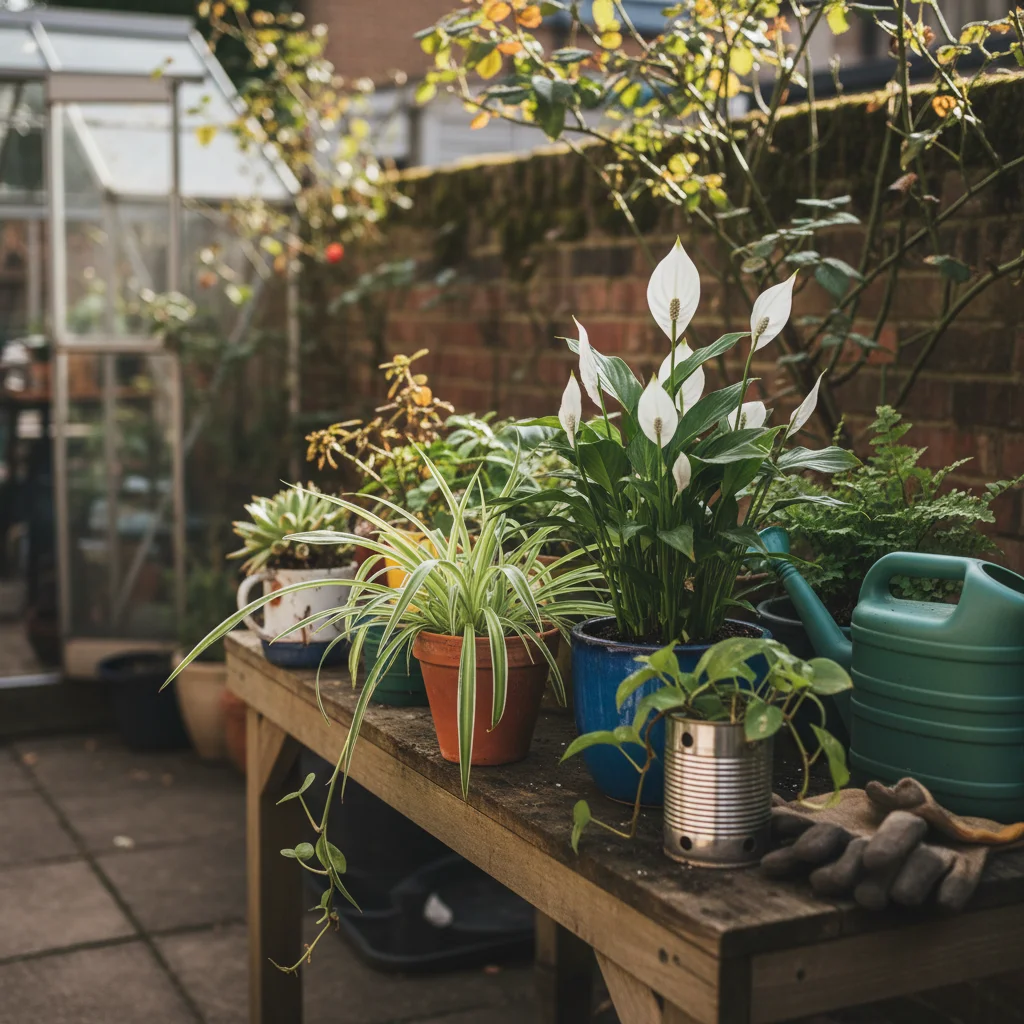
So, you've brought a beautiful new houseplant home, and you're determined to keep it alive this time? You're not alone! Many of us struggle to create the right environment for our leafy friends, especially with the ever-changing UK weather. But with a few simple adjustments to your care routine, you can transform your home into a thriving indoor jungle.
Understanding Your Houseplant's Needs
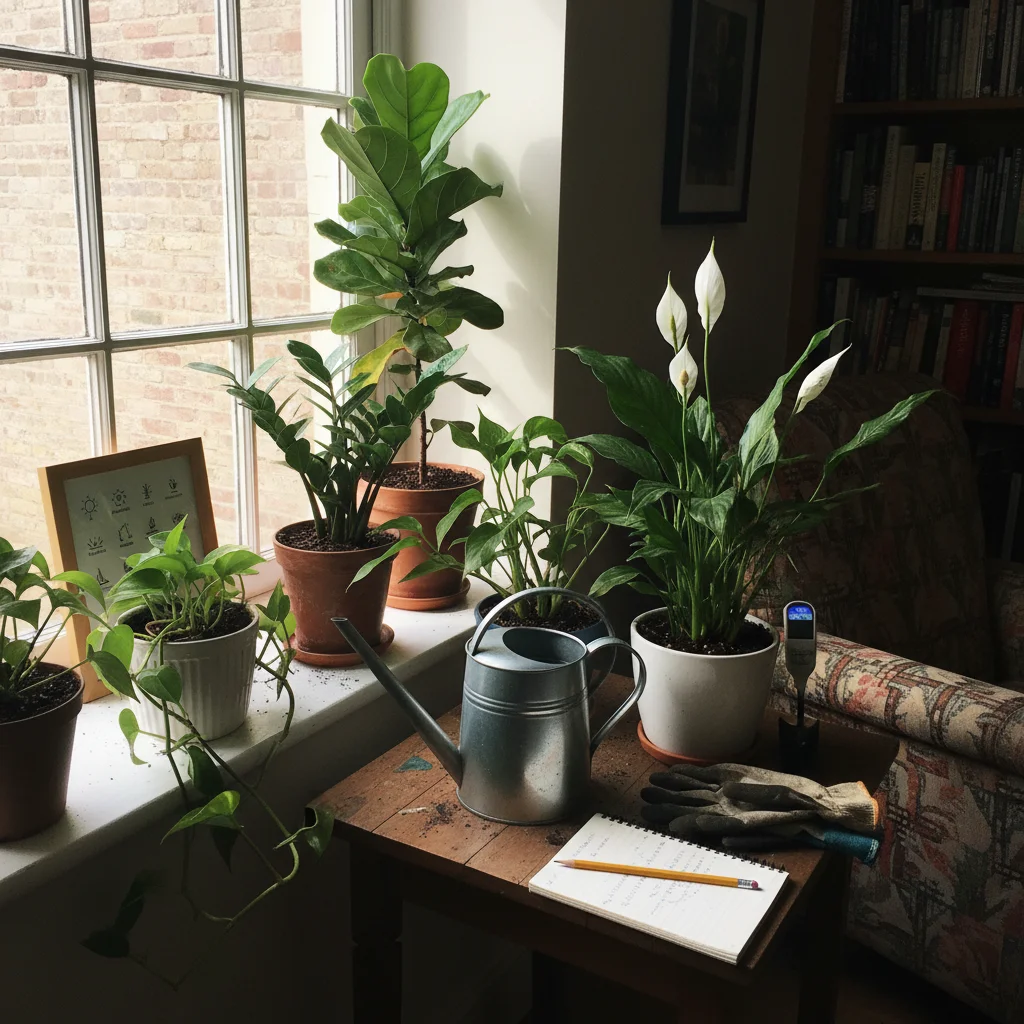
Before diving into specific tips, it's crucial to understand that every plant is different. What works for a succulent won't necessarily work for a fern. Take some time to research the specific needs of your plants. Consider things like their light requirements, watering preferences, and ideal humidity levels. This knowledge is the foundation of successful houseplant care.
Most houseplants come with a little tag or label that provides basic information. Don’t throw it away! Keep it handy, at least initially, so you can look up more details if needed.
Light: The UK's Biggest Challenge
Light is often the most challenging factor to manage, especially in the UK where we can have weeks of grey skies. Most houseplants need bright, indirect light. This means placing them near a window, but not in direct sunlight, which can scorch their leaves.
South-facing windows offer the most light, but can be too intense. North-facing windows provide the least light, so are best for plants that tolerate shade. East and West-facing windows offer a good balance. If you don't have enough natural light, consider using a grow light to supplement.
Watering Wisely
Overwatering is one of the most common reasons houseplants die. Roots need oxygen, and soggy soil deprives them of it. So how do you know when to water? The best way is to check the soil moisture. Stick your finger about an inch into the soil. If it feels dry, it's time to water. If it feels damp, wait a few days and check again.
When you do water, water thoroughly until water drains out of the drainage holes. Make sure your pot has drainage holes! Empty the saucer underneath the pot to prevent the plant from sitting in water.
Humidity: Creating a Tropical Escape
Many popular houseplants are native to tropical regions and thrive in humid environments. Unfortunately, UK homes, especially during winter with central heating, can be quite dry. Here are a few ways to increase humidity around your plants:
- Group plants together: Plants naturally create humidity as they transpire, so grouping them together creates a mini-ecosystem.
- Use a humidifier: A humidifier is a great way to increase the overall humidity in a room.
- Pebble tray: Fill a tray with pebbles and water, then place your plant on top. As the water evaporates, it will increase the humidity around the plant.
- Misting: Misting your plants with a spray bottle can provide a temporary boost of humidity.
Soil and Feeding
Using the right potting mix is essential for healthy houseplants. Avoid using garden soil, as it can be too heavy and compact. Instead, choose a well-draining potting mix specifically formulated for houseplants. You can find these at most garden centres.
Houseplants also need nutrients to thrive. During the growing season (spring and summer), fertilize your plants every 4-6 weeks with a balanced liquid fertilizer. Reduce or stop fertilizing during the winter months when plant growth slows down.
Common Houseplant Problems and Solutions
Even with the best care, houseplants can sometimes encounter problems. Here are a few common issues and how to address them:
- Yellowing leaves: This can be caused by overwatering, underwatering, or lack of nutrients. Adjust your watering schedule and consider fertilizing.
- Brown leaf tips: This is often a sign of dry air. Increase humidity around your plant.
- Pests: Common houseplant pests include aphids, spider mites, and mealybugs. Treat infestations with insecticidal soap or neem oil.
Choosing the Right Plants for Your Home
Not all houseplants are created equal. Some are easier to care for than others. If you're a beginner, start with low-maintenance options like snake plants, ZZ plants, or spider plants. These plants are tolerant of neglect and can thrive in a variety of conditions.
As you gain confidence, you can experiment with more demanding plants like ferns, orchids, or calatheas. Remember to research the specific needs of each plant before bringing it home.
Creating a thriving indoor garden in the UK climate is achievable with a little knowledge and effort. By understanding your plants' needs, providing the right light and water, and addressing any problems promptly, you can enjoy the beauty and benefits of houseplants for years to come. Start with one or two easy plants, and enjoy the journey of learning what works in your home.