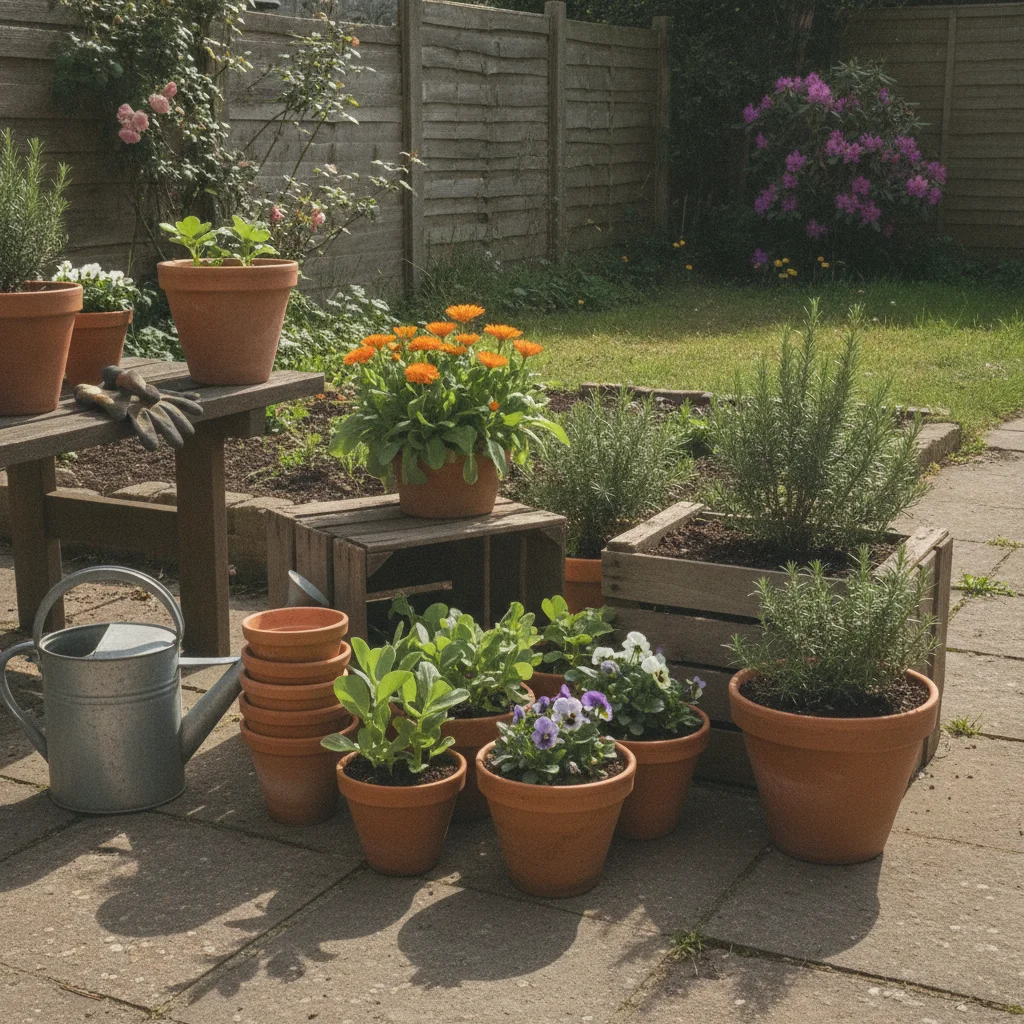
I still remember the first time I stood in my small Yorkshire garden with a packet of seeds and absolutely no idea what to do with them. It felt like there was a secret language to gardening that I hadn't learned yet. If you feel that way today, I want you to know that it is much easier than you think. You don't need a massive allotment or a degree in botany to grow something beautiful or delicious.
The most important thing I’ve learned over the years is that gardening is all about timing. In the UK, our weather can be a bit of a rollercoaster, but the plants usually know exactly what to do if we give them a gentle nudge at the right time. Whether you have a sunny windowsill, a few pots on a balcony, or a dedicated veg patch, you can start growing today.
This guide is designed to take the guesswork out of your year. We’ll look at what to plant each month so you can enjoy the rhythm of the seasons without feeling overwhelmed. Remember, it’s perfectly okay to start small. Picking just one or two things to grow this season is the best way to build your confidence.
Understanding the UK growing year
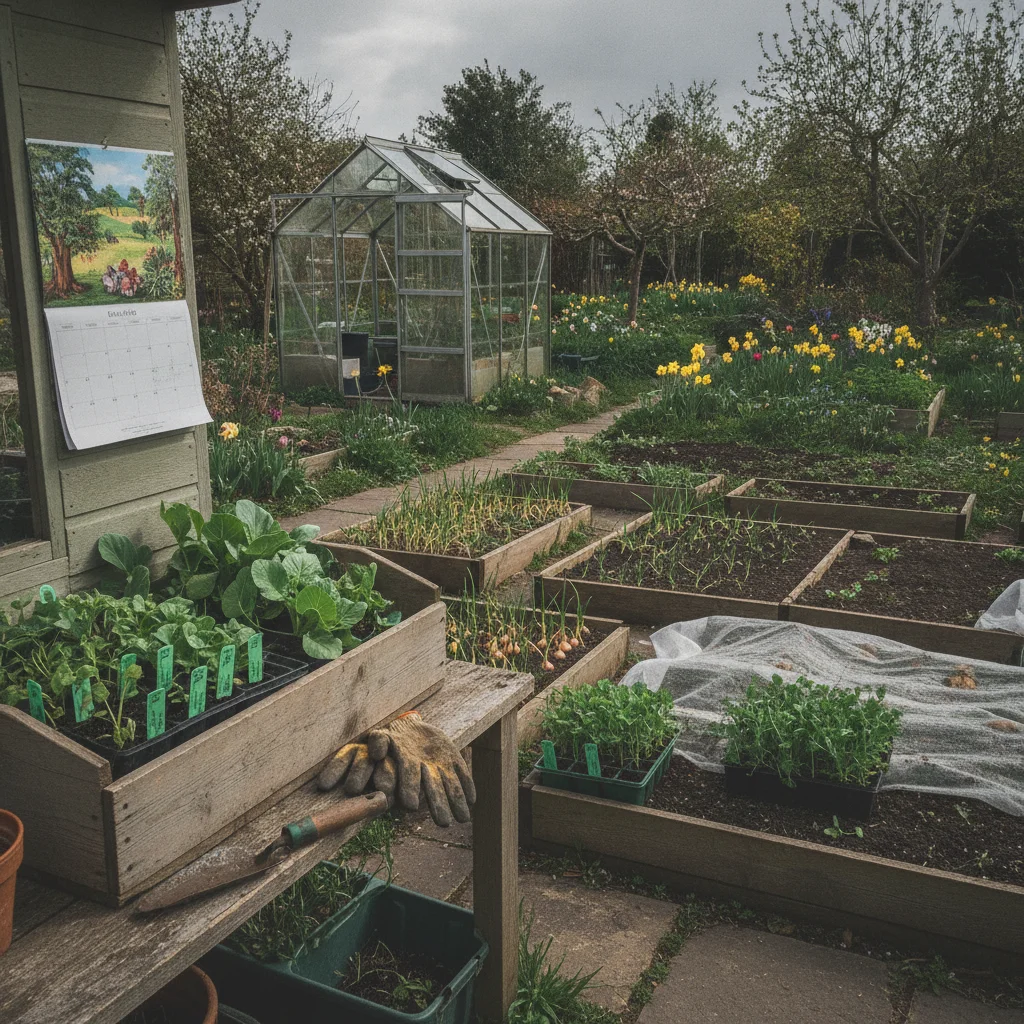
Before we dig into the months, it helps to understand how our climate dictates what we do. In the UK, we generally talk about "sowing" (which just means planting seeds) and "transplanting" (moving a young plant from a small pot into its final home). Our main challenge is usually the frost, which can linger into May in many parts of the country.
We also have to consider the light. In the depths of winter, plants grow very slowly because the days are short. As we head into spring, the "big awakening" happens, and everything starts to move much faster. By understanding these simple cycles, you can work with nature rather than fighting against it.
January and the windowsill start
January is often the coldest month, but it’s a wonderful time for planning. While the ground outside might be frozen or soggy, you can start a few bits indoors. If you have a bright, south-facing windowsill, you can try sowing some hardy herbs or even some early chillies.
Chillies need a long time to grow, so starting them now gives them the best chance of producing fruit in the summer. Just remember that they love warmth. If your house gets chilly at night, a simple heated propagator or even just a warm spot near a radiator can help those seeds wake up.
This is also the perfect time to "chit" your potatoes. This simply means putting your seed potatoes in an old egg carton in a light, cool room. You’ll see small green shoots start to emerge, which gives the plant a head start before it goes into the ground later in the spring.
February and the first signs of life
As the days start to get a tiny bit longer, you can feel the garden wanting to move. February is still risky for outdoor sowing, but you can start sweet peas indoors. These are some of my favourite flowers because the more you pick them, the more they grow.
We’ve all had a tray of seedlings go "leggy" at this time of year. This happens when the plants are searching for light and grow tall and thin. To avoid this, make sure your pots are in the brightest spot possible and turn them every day so they grow straight and strong.
If the soil isn't frozen, you can also plant garlic and shallots outdoors this month. They are incredibly tough and actually benefit from a bit of a cold snap to help the bulbs split into individual cloves. Just tuck them into the soil and let them do their thing.
March and the spring rush
March is when the gardening year truly begins. The soil is starting to warm up, and you’ll notice weeds beginning to grow—which is actually a great sign that it’s time to plant. You can now start sowing many things directly into the ground or into large outdoor pots.
It is worth considering using a bit of horticultural fleece (a thin, protective fabric) to cover your early crops. This acts like a light blanket, protecting them from the worst of the wind and any late frosts. It can make a huge difference in how quickly your seeds germinate.
| Plant Name | Where to Plant | Expected Harvest |
|---|---|---|
| Broad Beans | Outdoors | June/July |
| Carrots | Outdoors (deep pots) | July |
| Peas | Indoors or Outdoors | June |
| Spinach | Outdoors | May/June |
| Sunflowers | Indoors | Flowering in August |
If you are just starting out, I recommend trying the following seeds this month because they are generally very reliable:
- Broad beans (they are tough and have beautiful flowers)
- Radishes (they grow so fast you’ll see results in weeks)
- Early carrots (try the 'Nantes' variety for a sweet crunch)
- Sweet peas (for incredible scent all summer)
- Wildflower mixes (great for bees and very low maintenance)
April and the unpredictable showers
April is a busy month, but don't feel you have to do everything at once. This is the time to sow your main crops of beetroot, leeks, and salad leaves. I like to sow a small amount of salad every two weeks; this way, you have a steady supply rather than fifty lettuces arriving at the same time.
You can also start your tomatoes indoors now. If you’re short on space, look for "bush" varieties like 'Tumbler' which grow perfectly in hanging baskets or small pots. They don't need any complicated pruning, making them perfect for beginners.
Be careful with the "April showers." While the rain is great for the garden, it can make the soil very heavy and sticky. If the ground is too wet to walk on without it sticking to your boots, wait a few days for it to dry out before you start planting.
May and the final frost
In the UK, May is a bit of a transition month. It can feel like summer one day and winter the next. This is when we have to be most careful about frost. Most of our favourite summer plants, like dahlias, tomatoes, and courgettes, are very sensitive to the cold.
You’ll hear gardeners talk about "hardening off." This just means getting your indoor-grown plants used to the outside world. Take them outside for a few hours during the day and bring them back in at night. Do this for about a week before you plant them out permanently.
By the end of May, you can usually plant out your runner beans and French beans. These are great for small spaces because they grow upwards. A simple tripod made of bamboo canes is all they need to climb, creating a beautiful green pillar in your garden or on your patio.
June and the long days
June is a month of pure joy in the garden. Everything is growing at full speed, and you’ll likely be harvesting your first salads and radishes. This is the time to plant out your "tender" crops—the ones that love the heat.
Sweetcorn, pumpkins, and outdoor cucumbers can all go into their final homes now. If you have a balcony, you can plant up containers with summer bedding plants like petunias and geraniums. These will provide a splash of colour that lasts right through until the autumn.
Watering becomes more important now. It’s better to water deeply once every few days rather than a little bit every day. This encourages the plant's roots to grow deep into the soil to find moisture, which makes them much stronger and more resilient to dry spells.
July and the quick crops
By July, the main planting season has slowed down, but you can still sow "quick" crops. If you have gaps where you’ve already harvested early potatoes or salads, fill them up. You can sow more carrots, beetroot, and even some French beans for a late harvest.
This is also the time to keep an eye on your tomatoes. They are hungry plants, so start giving them a liquid fertiliser once a week. You can buy organic seaweed feeds that are very easy to use—just mix a capful into your watering can.
If we have a typical UK summer with a mix of sun and rain, your plants will be very happy. However, if it gets very hot, try to water in the evening or early morning. This prevents the water from evaporating before it reaches the roots and stops the sun from scorching the wet leaves.
August and the winter planning
It might feel strange to think about winter while you’re enjoying the August sun, but this is when you plant for the colder months. You can sow hardy greens like kale and winter cabbage now. They will grow slowly over the next few months and be ready to eat when there isn't much else in the garden.
You can also sow "overwintering" onions. These are varieties that sit in the ground through the winter and are ready to harvest much earlier next summer than spring-planted ones. It’s a great way to keep your soil busy and productive.
Don't forget to keep picking your flowers and veg. The more you harvest things like beans and sweet peas, the more the plant is encouraged to produce. If you let them go to seed, the plant thinks its job is done and will stop flowering.
September and the autumn shift
As the air turns crisp, the garden starts to change. September is a fantastic time for planting new perennials (plants that come back every year) and shrubs. The soil is still warm from the summer, but the autumn rains provide plenty of moisture to help the roots settle in.
You can also start sowing "green manures." These are plants like clover or vetch that you grow over winter to protect the soil. In the spring, you simply dig them back in, and they provide a wonderful boost of nutrients for your next crops.
If you have a herb garden, now is the time to take some cuttings or bring some pots indoors. Parsley, chives, and mint will often keep growing on a kitchen windowsill, giving you fresh flavours for your winter cooking even when the garden is sleeping.
October and the spring promise
October is all about looking forward. This is the main month for planting spring bulbs. There is something so satisfying about tucking a bulb into the dark earth, knowing it will turn into a bright tulip or daffodil in a few months.
When planting bulbs, a good rule of thumb is to plant them at about three times their own depth. If you have heavy soil, adding a little bit of grit to the bottom of the hole can help prevent the bulbs from rotting if the winter is particularly wet.
For a beautiful spring display, I recommend planting these bulbs this month:
- Daffodils (the classic sign of spring)
- Crocuses (great for early bees)
- Alliums (tall, purple globes that look stunning in May)
- Hyacinths (for incredible fragrance)
- Snake's head fritillaries (perfect for damp, shady spots)
November and the quiet garden
In November, the garden begins to rest. However, there is one last big job for the veg grower: planting broad beans and garlic. There are specific varieties, like 'Aquadulce Claudia', that are bred to survive the winter. They will grow a few inches tall and then wait for the spring sun to take off.
This is also the best time to plant bare-root trees and fruit bushes. These are plants sold without pots, usually just with their roots wrapped in a bit of damp sacking. They are much cheaper than pot-grown plants and often settle in much better during the dormant winter months.
If you have a small space, you can still participate. A large pot on a patio can house a fruit bush or even a small apple tree. Just make sure the pot is heavy enough that it won't blow over in the winter gales we often get in the UK.
December and the indoor garden
December is the quietest month outdoors, but you can still grow things on your windowsill. Microgreens—which are just very young vegetable plants—are a great choice. You can grow things like pea shoots or mustard seeds in a tiny bit of compost and harvest them in just two weeks.
It’s also a time for maintenance. Cleaning your pots and tools now will save you a lot of time and frustration when the spring rush starts again. I like to spend an afternoon in the shed with a bit of soapy water and an oily rag to keep my secateurs sharp and rust-free.
Most importantly, December is for dreaming. Grab a cup of tea, a notebook, and some seed catalogues. Think about what worked well this year and what you’d like to try next. Every year is a fresh start, and that is the real beauty of gardening.
Whether you start with a single pot of herbs or a whole row of beans, the act of planting something is a wonderful way to connect with the world around you. You'll find that your garden becomes a place of peace and a source of pride. Don't worry about making mistakes; every gardener has lost a plant or two along the way. The best thing you can do is get your hands in the soil and see what happens. Why not pick one packet of seeds today and see where it takes you?