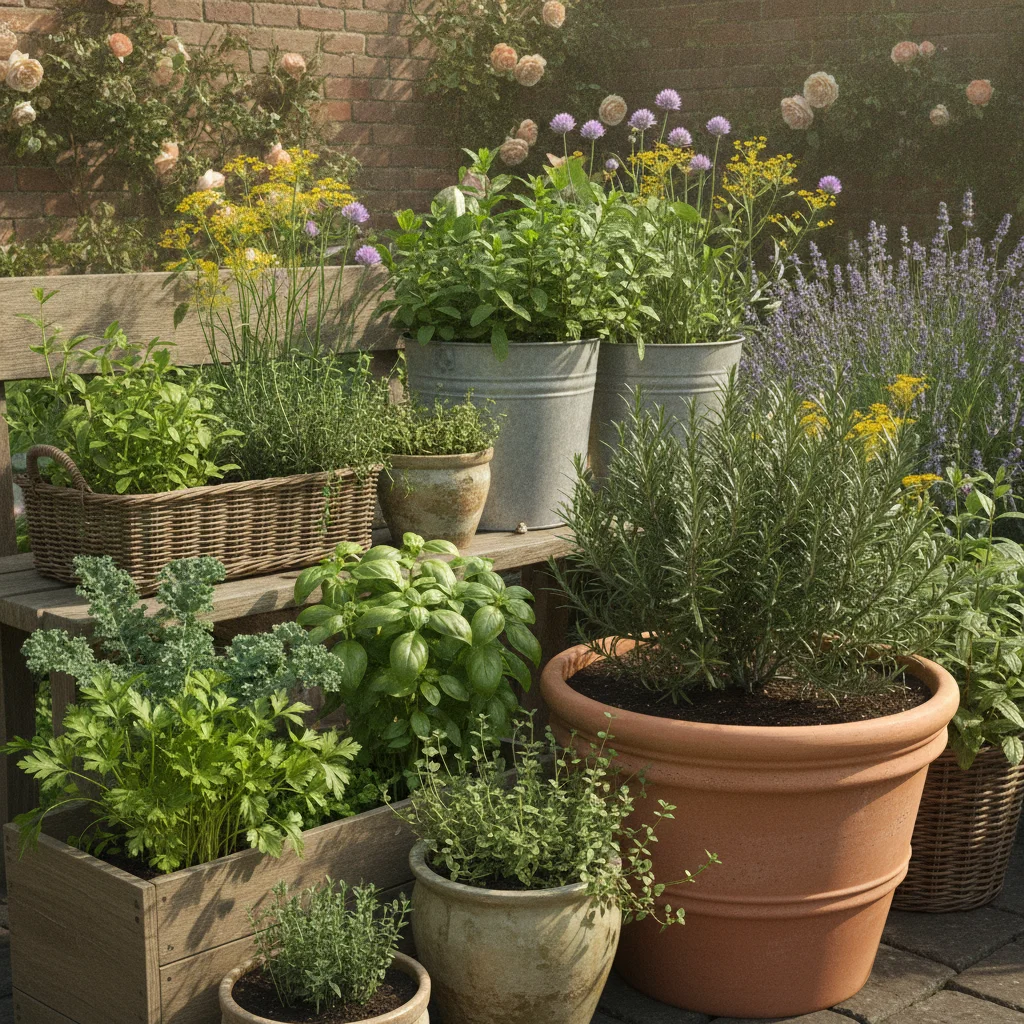
There is nothing quite like the scent of fresh rosemary or mint catching the breeze as you walk past your back door. For many of us, the dream of a sprawling kitchen garden feels a bit out of reach, especially if you are working with a small patio, a balcony, or just a sunny windowsill. But I have a little secret for you: herbs actually love living in pots.
Growing your own herbs in containers is one of the most rewarding things you can do as a gardener. It is easier than you think, and it puts incredible flavour right at your fingertips. You don't need an allotment or even a patch of grass to get started. All you need is a few pots, some decent compost, and a bit of sunshine.
We have all been there, standing in the supermarket aisle and picking up a plastic-wrapped bunch of coriander that wilts before we can even use it. When you grow your own, you can just snip off exactly what you need. It is better for your cooking, better for your pocket, and much better for the environment too.
The Joy of Homegrown Herbs
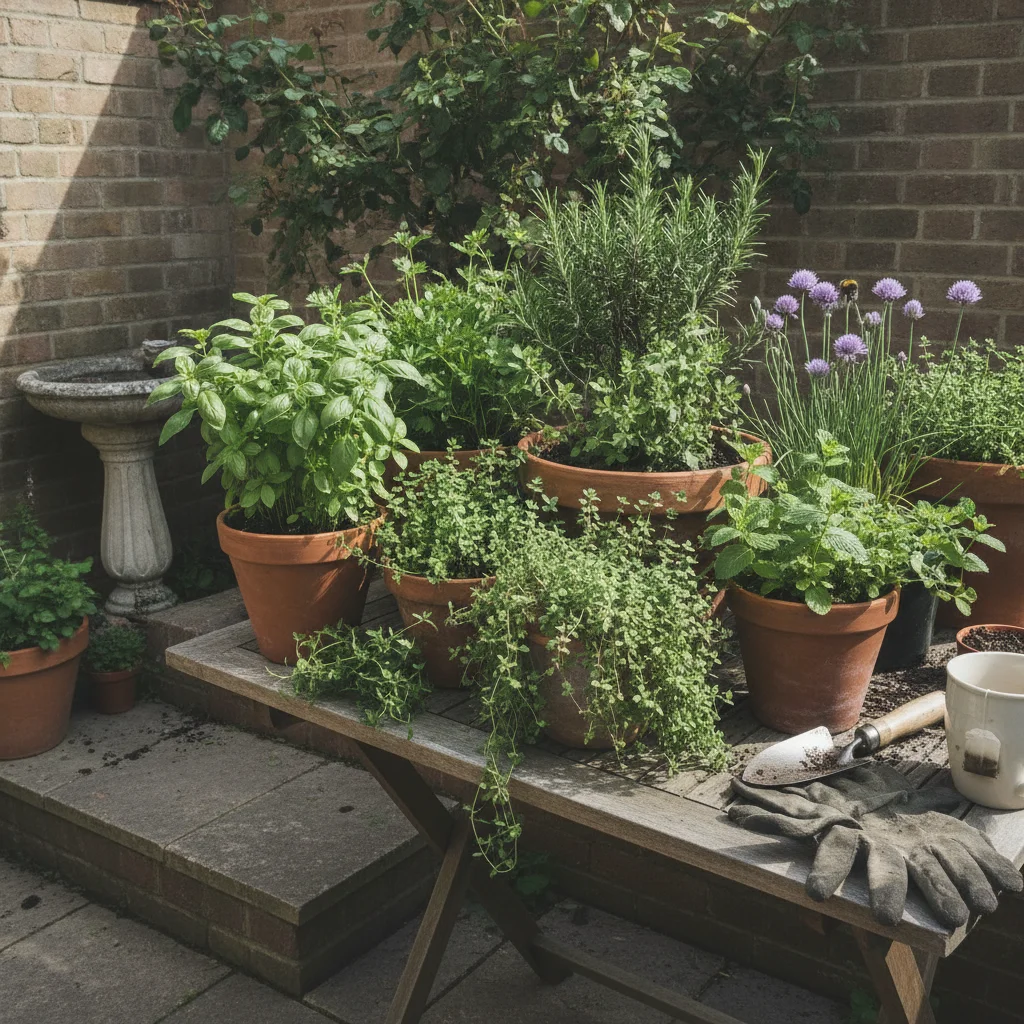
Starting small is the best way to build your confidence. When I first started gardening in a tiny courtyard in Leeds, I began with just three pots of herbs. That small start taught me more about plants than any book ever could. You learn how they react to the sun, how much water they really need, and the pure joy of a successful harvest.
Container gardening gives you total control over the environment. If the British weather decides to take a turn for the worse, you can simply pick up your pots and move them to a sheltered spot. This flexibility is a huge advantage, especially when dealing with our unpredictable late-spring frosts.
Herbs are also incredibly beautiful. A well-planted herb container can be just as attractive as a pot of petunias. With their varied textures, silver-grey foliage, and delicate flowers, they add a real sense of style to your outdoor space. Plus, the bees and butterflies will absolutely love you for it.
Choosing the Best Containers
When it comes to picking pots, you can let your creativity run wild. I have seen herbs growing happily in everything from traditional terracotta pots to old olive oil tins and even sturdy wooden crates. The most important thing is that the container has holes in the bottom for drainage.
Herbs hate having "wet feet." If water sits at the bottom of the pot, the roots will rot and the plant will struggle. If you find a beautiful pot that doesn't have a hole, you can usually drill one yourself, or simply use it as an outer "sleeve" for a plain plastic pot with drainage.
The size of the pot matters more than you might think. While a small pot looks cute on a windowsill, it will dry out very quickly in the summer heat. I usually recommend choosing a container that is at least 20–30 centimetres deep. This gives the roots plenty of room to grow and helps the soil stay moist for longer.
Terracotta is a classic choice because it is breathable, which many Mediterranean herbs love. However, plastic or resin pots are much lighter and hold onto moisture better. If you have a sunny balcony that gets quite hot, plastic might actually be the easier option for you.
Getting the Soil Right
The foundation of any healthy herb garden is the soil. Please don't be tempted to just dig up some dirt from a corner of the garden. Garden soil is often too heavy for pots and can contain pests or weed seeds that will compete with your young herbs.
Instead, look for a good quality peat-free multi-purpose compost. It is light, airy, and designed to provide the right nutrients for container plants. Because herbs like good drainage, I always mix in a couple of handfuls of horticultural grit or perlite. This helps the water flow through and keeps the roots healthy.
Think of the grit as a way to "fluff up" the soil. It creates tiny air pockets that allow the roots to breathe. This is particularly important for herbs like rosemary and thyme, which naturally grow in rocky, well-drained soils in warmer climates.
Essential Herbs for Beginners
If you are just starting out, it is tempting to buy one of everything. However, you will have much more success if you pick a few favourites that you know you will actually use in your kitchen. Here are my top recommendations for a first-time herb container.
- Rosemary: A hardy evergreen that smells divine and thrives on neglect.
- Thyme: Perfect for tucking into the edges of pots where it can spill over the side.
- Mint: Incredibly easy to grow, but it must have its own pot or it will take over.
- Chives: These produce beautiful purple flowers that are also edible.
- Parsley: A kitchen staple that grows happily in slightly cooler, shadier spots.
Once you have mastered these, you can start experimenting with more adventurous varieties like lemon verbena or Thai basil. But for your first season, sticking to the classics will give you a huge boost of confidence.
Understanding Sun and Shade
Most of the herbs we love to eat come from the Mediterranean. This means they are sun-worshippers. To get the best flavour and scent, you should aim to place your herb containers in a spot that gets at least six hours of sunlight a day. A south-facing patio or a sunny balcony is perfect.
However, don't despair if your garden is a bit shadier. Some herbs actually prefer a break from the midday sun. Mint, chives, and parsley are much more tolerant of partial shade. In fact, in a very hot UK summer, parsley can sometimes bolt (go to seed too early) if it gets too scorched.
If you are growing on a windowsill, remember to turn your pots every few days. Plants naturally grow towards the light, and turning them ensures they grow evenly rather than becoming "leggy" and leaning towards the glass. It is a simple trick that keeps your herb garden looking lush and full.
Grouping Herbs by Their Needs
One of the biggest mistakes new gardeners make is planting all their herbs together in one big trough. While this looks lovely, different herbs have different "personalities" and needs. It is much better to group them with companions that like the same conditions.
Rosemary, thyme, and sage are all best friends. They like it hot, dry, and don't mind if the soil is a bit poor. You can plant these together in a large container and they will be very happy. They don't need much feeding and can handle a bit of a drought if you forget to water them for a day or two.
On the other hand, leafy herbs like basil, coriander, and parsley are much thirstier. They like richer soil and regular watering. If you plant basil next to rosemary, one of them is going to be unhappy. Either the basil will dry out, or the rosemary will get too much water. Keeping them in separate pots is the easiest way to keep everyone healthy.
How to Plant Your Herb Container
Once you have your pots, compost, and plants ready, the actual planting is the fun part. It is a great way to spend a Saturday morning, and it is a very tactile, grounding experience. Here is the simple way to get your herbs settled into their new homes.
- Cover the drainage holes with a few broken bits of old pot or some large stones to stop the soil washing out.
- Fill your container about two-thirds full with your peat-free compost mix.
- Gently remove your herb plant from its nursery pot by squeezing the sides and sliding it out.
- Place the plant in the new pot, ensuring the top of the root ball is about two centimetres below the rim.
- Fill in the gaps around the edges with more compost and firm it down gently with your fingers.
- Give the pot a good drink of water to help the roots settle into their new home.
Make sure you don't bury the stem of the plant too deeply. You want the soil level to be the same as it was in the original pot. This prevents the base of the plant from rotting.
Watering and Feeding Your Herbs
Watering is the most important part of container gardening. Unlike plants in the ground, potted herbs can't send their roots deep down to find moisture. They rely entirely on you. In the height of summer, you might need to water your pots every single day, especially if they are in small containers.
The best way to tell if your herbs need water is the "finger test." Stick your finger a couple of centimetres into the soil. If it feels dry, give them a drink. If it still feels damp, leave them for another day. It is always better to water deeply and less often than to give them a tiny sprinkle every day.
When it comes to feeding, herbs are actually quite low-maintenance. If you use fresh compost, it will usually have enough nutrients to last for about six weeks. After that, you can give your leafy herbs a liquid seaweed feed every fortnight. For woody herbs like rosemary, you really don't need to feed them much at all; too much fertiliser can actually dilute their wonderful flavour.
Keeping Your Herbs Productive
The more you harvest your herbs, the more they will grow. It sounds counter-intuitive, but regular snipping encourages the plant to branch out and become bushier. If you leave a herb plant alone, it will eventually flower and go to seed, at which point the leaves can become bitter.
When harvesting, always use sharp scissors or snips. Try not to take more than a third of the plant at any one time. This ensures the herb has enough foliage left to keep photosynthesising and growing. For herbs like basil, "pinching out" the tips of the stems will stop them from becoming tall and spindly.
If you see flower buds starting to form on your basil or parsley, pinch them off immediately. We want the plant to put its energy into growing delicious leaves, not making seeds. Of course, with chives, the flowers are part of the charm, so feel free to let those bloom and then toss the petals into a salad.
Rescuing Supermarket Herbs
We have all bought those "living herbs" from the supermarket and watched them die within a week. The reason they fail is that they are actually dozens of tiny seedlings crowded into one tiny pot. They are stressed, hungry, and have no room to grow.
You can actually rescue these plants and turn them into a thriving herb garden. When you get home, take the plant out of the pot and gently pull the clump apart into four or five smaller sections. Plant each section into its own small pot with fresh compost.
This gives the individual plants room to breathe and access to fresh nutrients. I have grown some of my best basil plants this way. It takes a little bit of patience, but it is a very satisfying way to save a few pounds and reduce waste.
Protecting Your Herbs in Winter
As the nights draw in and the first frosts arrive in our UK gardens, some of your herbs will need a little extra care. Hardy herbs like rosemary, sage, and thyme will usually survive a typical winter outside, provided they aren't sitting in waterlogged soil.
I always recommend lifting your pots onto "pot feet" or even just a few bricks during the winter. This keeps the pots off the cold, wet ground and helps the water drain away more freely. If a really hard frost is forecast, you can wrap the pots in a bit of bubble wrap or horticultural fleece to protect the roots.
Tender herbs like basil won't survive the frost at all. You can try bringing them indoors to a sunny windowsill, but they often struggle with the dry air from our radiators. I usually treat basil as an annual, enjoying it all summer and then starting fresh with new seeds or plants the following spring.
Dealing with Common Pests
One of the great things about herbs is that their strong scents often act as a natural deterrent to pests. However, you might still find a few uninvited guests. Aphids (those tiny green or black flies) sometimes cluster on the soft new growth of mint or chives.
The easiest way to deal with aphids is to simply blast them off with a gentle spray from the garden hose. You can also use a mild solution of soapy water, but make sure to rinse the leaves before you eat them! Usually, if you keep your plants healthy and well-watered, they can handle a few pests without any trouble.
In some parts of the UK, the rosemary beetle can be a bit of a nuisance. They are quite beautiful, with metallic green and purple stripes, but they love to munch on rosemary and lavender. The best way to deal with them is to pick them off by hand and move them elsewhere.
Starting your own herb container garden is one of the simplest ways to bring a bit of nature into your daily life. Whether you are snipping mint for a refreshing tea or tossing fresh thyme into a Sunday roast, the flavour is incomparable to anything you can buy in a shop. It is a small investment of time that pays off every single time you sit down to eat. Just grab a pot, some soil, and your favourite herb, and you will be amazed at how quickly your little kitchen garden begins to flourish.