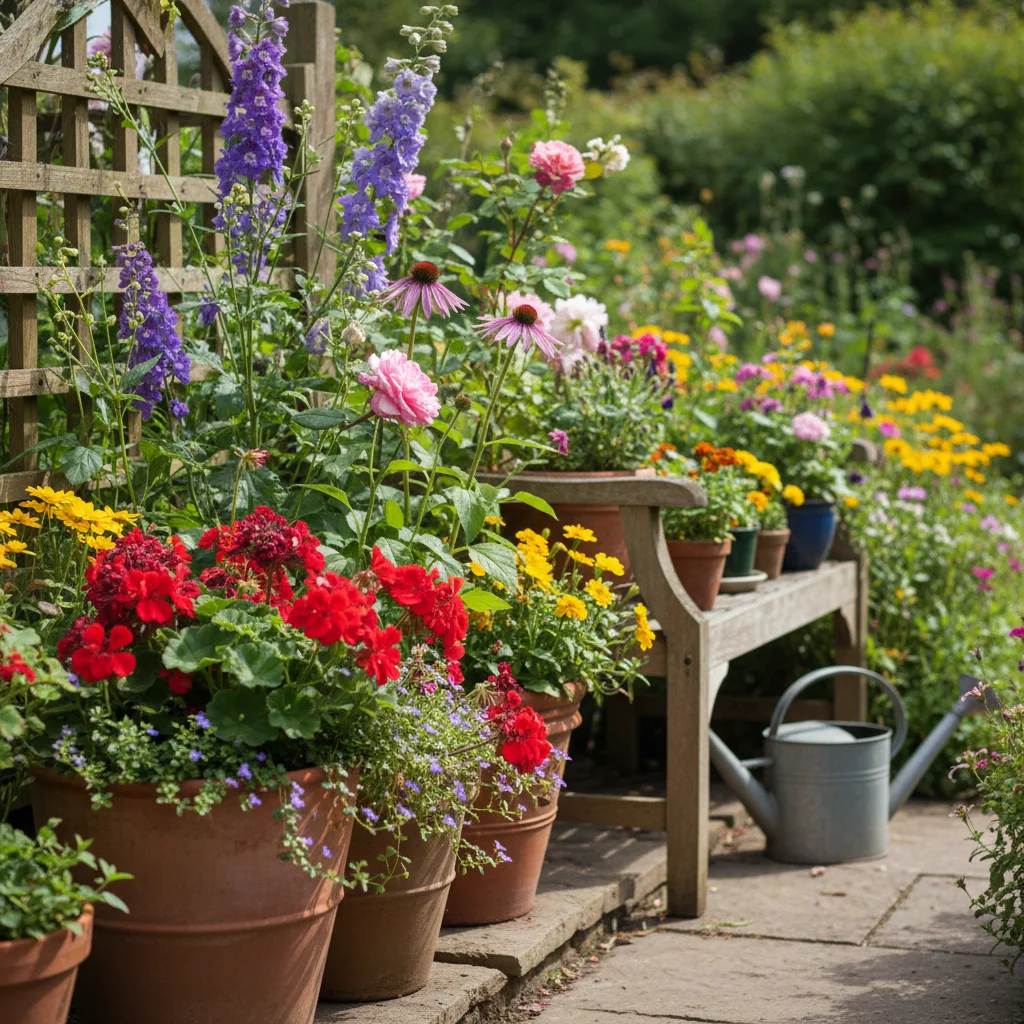
We have all been there. You spend a sunny Saturday morning at the garden centre, carefully picking out the most vibrant petunias and geraniums for your balcony pots. For the first few weeks, everything looks spectacular, a riot of colour right outside your window. Then, as the British summer rolls on, the blooms start to fade, the stems get leggy, and suddenly your outdoor space looks a bit more "neglected alleyway" than "urban oasis."
It is a common frustration, especially when you are working with limited space. In a small garden or on a balcony, every plant has to earn its keep. We simply do not have the room for foliage that isn't performing. The good news is that there is one simple, almost meditative task that can completely transform the lifespan of your floral display. It is called deadheading, and it is the closest thing we have to a magic wand in the gardening world.
Deadheading is nothing more than the removal of faded or dead flowers from a plant. While it might seem like a purely aesthetic chore, like dusting your shelves, it actually triggers a powerful biological response. By understanding how this works and making it part of your routine, you can keep your window boxes and containers looking lush well into the autumn frosts.
Why your plants need a little haircut
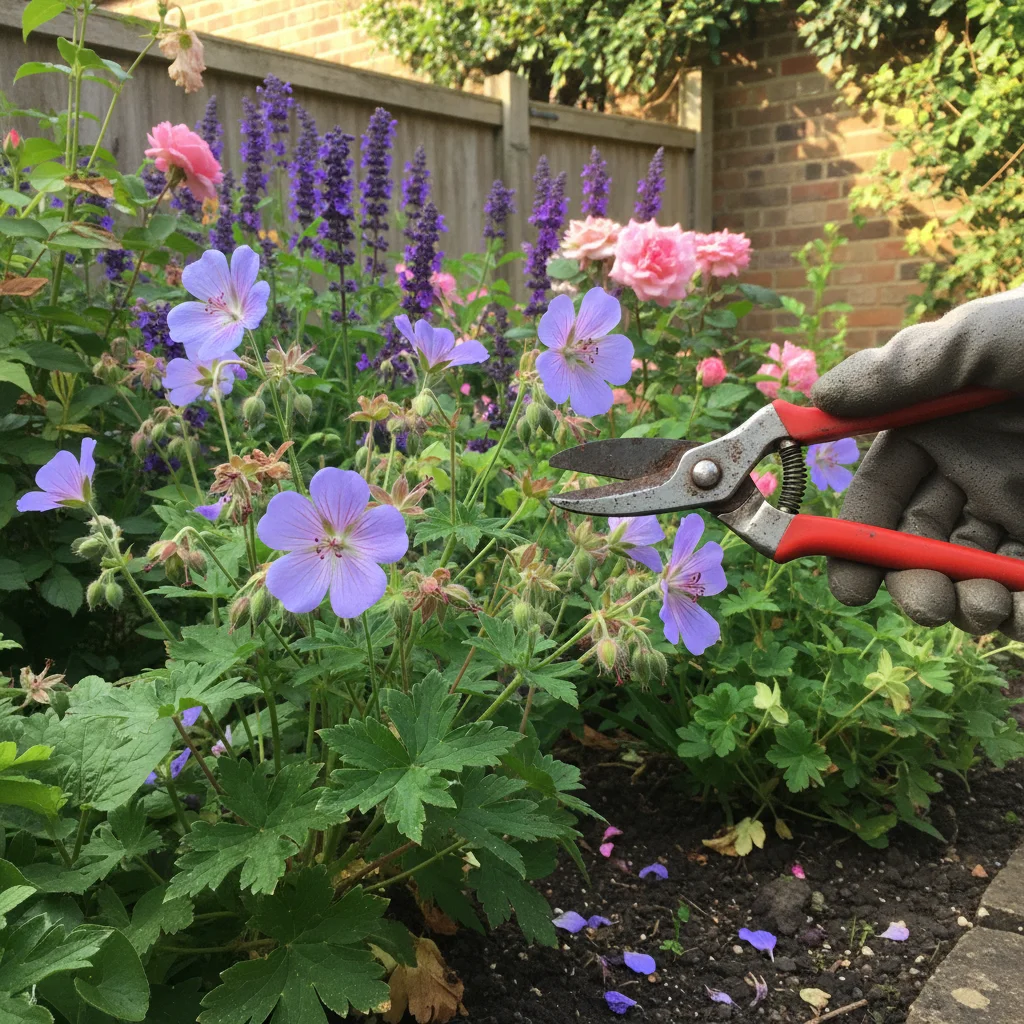
To understand why deadheading works, we have to think like a plant. A flowering plant has one primary goal in life: to reproduce. Those beautiful petals are essentially a giant neon sign designed to attract pollinators. Once a flower has been pollinated and begins to fade, the plant shifts all its energy away from making new flowers and puts it into developing seeds.
In the wild, this is a success story. In a decorative pot on a London terrace, it is the end of the show. Once a plant thinks it has successfully produced enough seeds to ensure the next generation, it often stops flowering altogether. It has fulfilled its biological mission and can now relax.
When we deadhead, we are essentially tricking the plant. By removing the fading flower before it can form a seed head or a pod, we tell the plant that its mission is not yet complete. Frustrated but determined, the plant will redirect its energy into producing a fresh flush of buds. For many of our favourite summer bedding plants, this cycle can be repeated dozens of times, resulting in a much longer flowering season than nature originally intended.
Beyond the boost in flower production, deadheading also keeps your plants healthy. Spent blooms can often become soggy in our unpredictable British weather. If left on the plant, these damp, decaying petals can encourage grey mould or other fungal issues, which spread quickly in the cramped conditions of a container or window box. Keeping things tidy is the easiest way to prevent disease without reaching for chemicals.
Essential items for your balcony toolkit
One of the best things about deadheading is that you really do not need a shed full of expensive equipment. If you are gardening in a small space, you probably already have everything you need in a kitchen drawer or a small toolbox.
- A sharp pair of florist snips or micro-tip pruners for delicate stems.
- Standard kitchen scissors for tougher, herbaceous perennials.
- Your own thumb and forefinger for soft-stemmed plants like petunias.
- A small bucket or even a recycled food waste caddy to collect the snips.
- A pair of lightweight gardening gloves if you are handling prickly roses.
For most of the plants we grow in pots, your fingernails are actually the most efficient tool. I often find myself deadheading while I’m waiting for the kettle to boil or having a morning coffee on the balcony. It is a great way to check in on your plants and spot any aphids or watering needs before they become a real problem.
If you are using scissors or snips, just make sure they are clean. I usually give mine a quick wipe with a bit of surgical spirit or even just hot soapy water between plants. This prevents the accidental spread of any viruses from one pot to another, which is especially important if you have a prized rose or a collection of special dahlias.
Mastering the simple snip technique
The most common mistake people make when deadheading is just pulling off the dead petals. If you leave the green base of the flower (the ovary) behind, the plant will still try to grow seeds there. To do it properly, you need to remove the entire flower head and the little stalk it sits on.
Look closely at the stem where the flower meets the rest of the plant. You want to follow that thin flower stalk down to where it joins a main stem or sits just above the first set of full, healthy leaves. This point is often called a "node." By cutting just above this node, you are leaving the plant's growth points intact, which is exactly where the new flower buds will emerge.
For plants that produce flowers on long, leafless stalks, like lavender or some types of salvia, you should follow the stalk all the way down to the base of the plant. Don't leave "dead man's fingers"—those brown, woody stalks sticking up above the foliage. They look untidy and won't produce any more flowers, so snip them off right at the bottom to keep the plant looking compact and fresh.
If you are dealing with a plant that has clusters of flowers, like a geranium (pelargonium), wait until the whole cluster has started to look tatty. You can pick off individual dead florets to keep it looking tidy for a few days, but eventually, you should snap off the entire thick stalk at the base. Geranium stems are quite brittle, so you can usually do this with a quick downward "click" of your thumb.
Keeping up with balcony favourites
Petunias and Calibrachoa (Million Bells) are the backbone of many UK window boxes, but they can be high maintenance. These plants are prolific bloomers, which means they produce a lot of dead heads. They are also notoriously sticky. If you spend ten minutes deadheading a hanging basket of petunias, your fingers will feel like you’ve been playing with Sellotape.
Despite the stickiness, it is vital to keep on top of them. Because they grow so fast, they can go from "glorious" to "gone to seed" in a matter of days during a heatwave. I find it easiest to just pinch the base of the flower between my nails. If the plant starts to look very leggy and thin in the middle of August, don't be afraid to give it a more radical haircut. Cutting the trailing stems back by half will encourage a fresh burst of bushy growth.
Sweet peas are another classic that require constant attention. These are the ultimate "cut and come again" flower. The more you pick them for indoor vases, the more they will bloom. However, if you miss a few and they start to form flat green pea pods, the plant will stop flowering almost immediately. On a balcony, where you might only have one or two large pots of sweet peas, you need to be vigilant. Check them every single evening and remove any developing pods.
Dahlias have become incredibly popular for urban pots recently, especially the more compact "gallery" varieties. They are fantastic for deadheading because they respond so vigorously. The trick with dahlias is telling the difference between a new bud and a spent flower head. New buds are usually round and firm, like a little green marble. Spent heads are more pointed or cone-shaped. If you aren't sure, wait a day; the spent head will soon start to turn brown and mushy at the tip.
Managing roses and perennials in small spaces
If you are lucky enough to have a patio rose or a climbing rose in a large container, deadheading is essential for a repeat show. Most modern bush roses are "remontant," meaning they flower in waves. When the first flush of roses begins to fade, cut the stem back to the first leaf with five leaflets. This is usually a strong point on the stem that can support the weight of the next heavy bloom.
For those of us growing lavender on a sunny windowsill or balcony, deadheading is more of a seasonal event. Once the purple colour has faded and the bees have moved on, you can shear off the flower spikes. This keeps the lavender from becoming too woody and leggy, which is a common problem in pots. Just be careful not to cut back into the old, brown wood, as lavender often struggles to regrow from there.
Hardy geraniums (cranesbill) are also brilliant for small gardens. They often have a massive explosion of colour in June and then look a bit sad. If you cut the whole plant back—leaves and all—to about an inch above the soil after the first flowering, it will reward you with a fresh mound of bright green leaves and often a second, smaller flush of flowers later in the summer. It feels brave the first time you do it, but they are incredibly tough.
The deadhead and feed routine
Deadheading is only half the battle. Because we are forcing the plant to work overtime by producing extra flowers, we need to make sure it has the fuel to do so. Plants in containers have a very limited amount of soil and nutrients available to them. Once they have used up the fertiliser in the compost, they rely entirely on us.
I like to pair my deadheading with a liquid feed. Every week or two, after I have spent a few minutes tidying up the pots, I give them a high-potash feed. Tomato food is perfect for this. Potash is the nutrient responsible for flower and fruit production, so it is exactly what the plant needs to build those new buds we have just encouraged.
Watering is also crucial during this process. A thirsty plant is a stressed plant, and a stressed plant will drop its buds to save itself. On a windy balcony, pots dry out much faster than they do in a sheltered garden. Even if it has rained, the "rain shadow" from the building or the foliage of the plant itself might mean the soil is still bone dry. Always check the soil with your finger before you start your deadheading session.
Knowing when to put the shears away
As much as we love continuous colour, there comes a time in the UK season when it is better to stop deadheading. As we move into late September and October, the growth of the plants naturally slows down. The bees and other pollinators are also looking for later sources of food, and eventually, the birds will appreciate the seeds.
If you have plants with attractive seed heads, like certain types of poppies or ornamental grasses, you might choose to leave them standing for winter interest. In a small city garden, a frost-covered seed head can look just as beautiful as a flower. Leaving some seed heads also provides a vital food source for birds like goldfinches, which are a joy to watch from a window.
For most of our tender summer bedding, like fuchsias and begonias, the first hard frost will eventually end the season anyway. At that point, deadheading won't help. It is better to enjoy the final few blooms and then start planning your winter containers with pansies and cyclamen, which will need their own gentle deadheading throughout the colder months.
Taking those few minutes each day to tend to your blooms is about more than just garden maintenance. It is a chance to slow down, breathe some fresh air, and connect with the small patch of nature you’ve created. By mastering these simple deadheading secrets, you ensure that your urban retreat remains a vibrant, flowering sanctuary for as long as the British weather allows. Grab your scissors and head outside; your plants will thank you for it with a spectacular show.