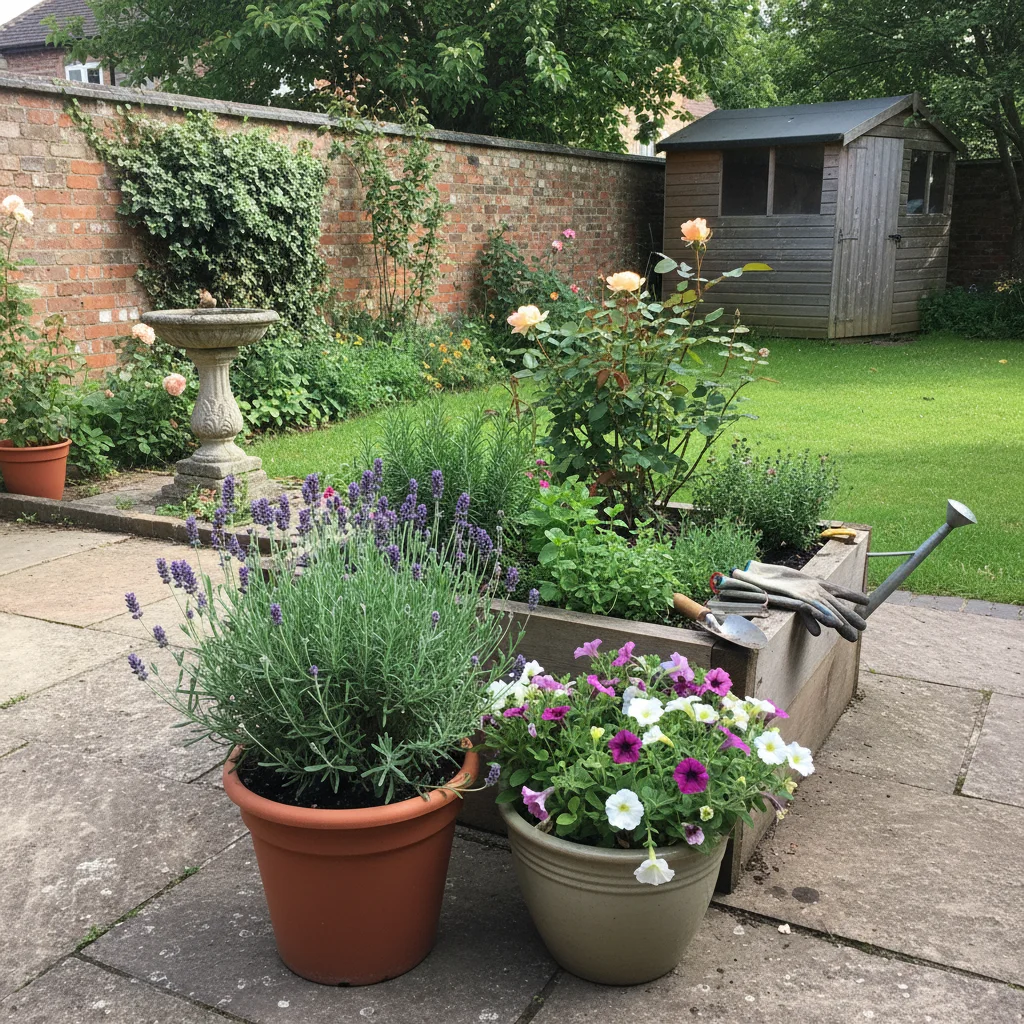
Garden maintenance is a booked round of mowing, weeding, pruning, and seasonal jobs so the garden does not slip. You are hiring time and judgement, not a one-off makeover.
Maintaining a garden is a rewarding endeavour, but for many UK homeowners, the sheer volume of tasks required to keep a space thriving can become overwhelming. Professional garden maintenance is far more than a simple weekly mow or a quick tidy-up of fallen leaves. It is a structured, horticultural approach to stewardship that ensures your outdoor space remains healthy, biodiverse, and aesthetically pleasing throughout our distinct British seasons.
When you hire a professional gardener, you are investing in technical expertise and a long-term vision for your soil and plants. Understanding what this service entails allows you to set clear expectations and build a productive relationship with your gardener. Whether you have a sprawling country estate or a compact urban courtyard, the principles of professional maintenance remain the same: health, structure, and timing.
A well-maintained garden should feel like an extension of the home, providing a sanctuary that evolves beautifully over the years. By focusing on the underlying health of the ecosystem, from the microscopic life in the soil to the structural integrity of the oldest trees, a professional ensures that your garden doesn’t just survive the winter but flourishes in the spring.
The rhythm of regular maintenance visits
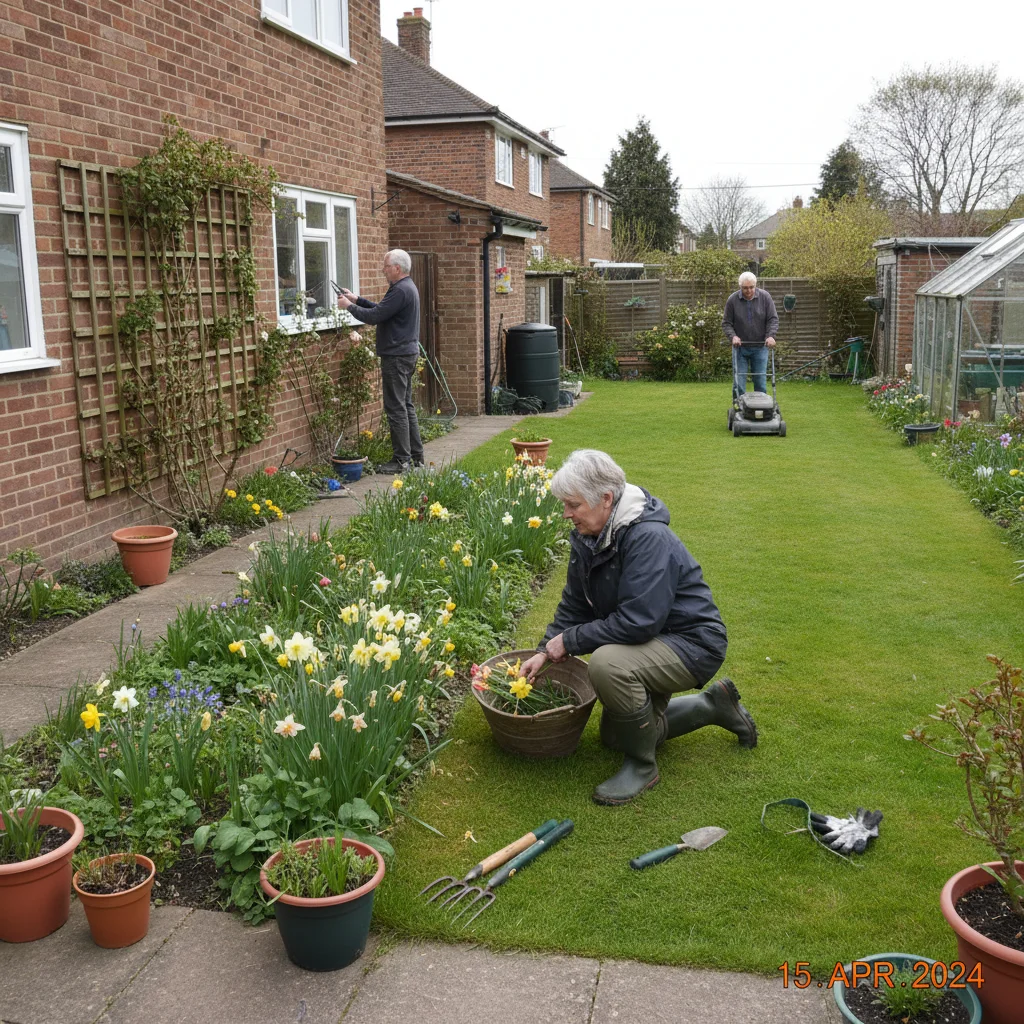
Most professional maintenance schedules operate on a fortnightly or weekly basis during the growing season, which typically runs from March to October. These visits are timed to stay ahead of the garden’s natural growth spurts, ensuring that weeds never take hold and lawns remain crisp. A standard visit usually lasts between two and four hours, depending on the size and complexity of the borders and features.
During these visits, a gardener will prioritise tasks based on the weather and the immediate needs of the plants. If we have experienced a sudden dry spell, the focus may shift heavily toward deep irrigation and mulching to preserve moisture. Conversely, a damp, warm week might require extra time spent on lawn health and managing the rapid spread of opportunistic weeds.
In the dormant months from November to February, visits often move to a monthly schedule. This period is vital for structural work that cannot be performed when plants are in full leaf. It is the time for "winter washing" fruit trees, renovating overgrown hedges, and clearing the debris that can harbour pests or pathogens. Consistency is the key to a low-maintenance garden in the long run; missing these winter windows often results in more work during the frantic spring months.
Lawn care beyond the mower
A professional approach to lawn care involves much more than just reducing the height of the grass. A gardener will adjust the cutting height of the mower depending on the season and the health of the turf. During a hot UK summer, for example, it is better to leave the grass slightly longer to shade the soil and reduce evaporation, preventing the lawn from turning brown and dormant.
Edges are the hallmark of a professionally maintained lawn. Using a half-moon tool or long-handled shears to maintain a sharp, vertical break between the turf and the flower beds provides an instant sense of order. This prevents invasive grass species from creeping into your borders and competing with your ornamental perennials for nutrients and space.
Feeding and aeration are also essential components of the maintenance calendar. Your gardener might apply a high-nitrogen fertiliser in the spring to encourage lush green growth, followed by a potash-rich feed in autumn to strengthen the roots for winter. They will also look for signs of compaction—where the soil has become too hard for air and water to penetrate—and use a garden fork or mechanical aerator to relieve the pressure.
Managing borders and ornamental beds
The heart of most gardens lies in the borders, and this is where a gardener’s horticultural knowledge truly shines. Maintenance here starts with the soil. We avoid leaving soil bare, as this leads to erosion and nutrient leaching. A professional will likely suggest mulching with well-rotted garden compost or leaf mould to improve the soil structure and suppress weeds.
Weeding is a precise task that requires identifying the difference between a self-seeded wildflower and an invasive perennial weed. A gardener will ensure that weeds are removed by the root, particularly stubborn species like ground elder or bindweed, which can regenerate from the smallest fragment left in the ground. This proactive approach saves hours of labor later in the season.
As the season progresses, the gardener will manage the "deadheading" of flowers. Removing spent blooms prevents the plant from putting its energy into seed production, often triggering a second flush of flowers. They will also provide structural support, staking taller perennials like delphiniums or peonies before they have a chance to flop over in a summer rainstorm.
Pruning for health and structure
Pruning is perhaps the most technical aspect of garden maintenance. It is not just about size control; it is about the "Three Ds": removing dead, damaged, and diseased wood. By thinning out the canopy of a shrub, a gardener improves airflow and light penetration, which are essential for preventing fungal issues like powdery mildew or black spot.
Timing is critical when it comes to pruning. Shrubs that flower in early spring, such as Forsythia, should be pruned immediately after flowering, whereas those that flower in late summer are often best left until the following spring. Pruning at the wrong time can mean cutting off next year’s flower buds, a common mistake that professional gardeners are trained to avoid.
Hedge cutting is another major task, usually performed once or twice a year. A professional will maintain a "taper" or "batter," where the bottom of the hedge is slightly wider than the top. This ensures that light reaches the base of the plants, preventing the bottom from becoming thin and leggy. They will also be mindful of the Wildlife and Countryside Act, checking for nesting birds before any significant cutting takes place between March and August.
Seasonal priorities for the UK garden
The tasks in a garden change significantly as we move through the year. A professional gardener will have a mental or written calendar that dictates their focus for each visit. This ensures that nothing is forgotten and that the garden is always prepared for the next phase of its life cycle.
- Spring prep: Focus on mulching, applying organic fertilisers, and planting new additions while the soil is moist.
- Summer maintenance: Prioritising watering, deadheading, and keeping the lawn at a resilient height during dry spells.
- Autumn transitions: Clearing fallen leaves to prevent lawn rot and planting spring bulbs like narcissus and tulips.
- Winter structure: Hard pruning of deciduous hedges, cleaning greenhouse glass, and repairing any damaged supports or trellis.
- Soil health: Testing pH levels and adding soil conditioners like lime or organic matter where necessary during the dormant season.
How to brief your gardener effectively
Communication is the foundation of a successful partnership with a gardener. When you first hire someone, it is helpful to walk the garden together and discuss your priorities. Do you prefer a manicured, formal look, or are you aiming for a more relaxed, wildlife-friendly space? Being clear about your aesthetic preferences helps the gardener choose the right techniques.
You should also discuss the practicalities of the site. This includes the location of water taps, whether you have a preferred area for a compost heap, and how green waste should be handled. Most professionals will be happy to manage a compost system for you, which is a sustainable way to recycle nutrients back into your own soil rather than having them hauled away by the council.
Finally, clarify the tool situation. Many professional gardeners prefer to use their own high-quality tools, which they know are sharp and well-maintained. However, if you have specific equipment you would like them to use, or if the site requires specialist machinery, this should be agreed upon upfront. A clear brief ensures that the gardener can work efficiently from the moment they arrive.
Identifying high-quality horticultural work
It can sometimes be difficult for a homeowner to distinguish between a "handyman" and a professional gardener. "Good" maintenance is visible in the details. Look at the pruning cuts; they should be clean, angled away from the bud to shed water, and made just above a healthy node. Ragged cuts are a sign of blunt tools and can lead to dieback or infection.
Plant health is the ultimate indicator of quality work. You should see plants that are well-supported, free from obvious pests, and showing vigorous growth. The soil should look dark and friable, rather than baked hard or covered in a crust of moss. A professional gardener will also be proactive, suggesting improvements or spotting potential problems, such as a box hedge showing early signs of blight, before they become disasters.
Professionalism also extends to the way the garden is left at the end of a visit. Paths should be swept, tools should be cleared away, and the overall appearance should be one of order. Even in the depths of winter, a well-maintained garden has a sense of structure and "good bones" that reflects the care it receives throughout the year.
Sustainability and soil health
In modern UK gardening, sustainability is no longer an optional extra; it is a core component of good maintenance. A professional gardener will likely advocate for peat-free composts and organic fertilisers. They understand that a healthy garden starts underground, and they will work to foster a rich community of mycorrhizal fungi and beneficial bacteria in your soil.
Water management is another area where expertise pays off. Instead of frequent light sprinklings, which encourage shallow rooting, a pro will recommend deep, infrequent watering that encourages roots to head down into the cooler, moister layers of the soil. This makes your plants far more resilient to the increasingly common summer droughts we experience in the UK.
By encouraging a diverse range of plants and avoiding harsh chemical pesticides, a professional helps create a balanced ecosystem. This means you will have more natural predators, like ladybirds and lacewings, to manage aphids, reducing the need for intervention. This holistic approach ensures your garden remains a thriving haven for both you and the local wildlife for many years to come.
Investing in regular garden maintenance is the most effective way to protect the value of your outdoor space and ensure it remains a source of joy rather than a burden. By understanding the technical requirements of your plants and soil, you can work alongside a professional to create a garden that is not only beautiful today but continues to mature and improve with every passing season.
Frequently asked questions
What does garden maintenance include?
Typically lawn care, border weeding, light pruning, and leaf or waste handling on an agreed schedule. Design, decking, and tree surgery are separate.
Weekly or fortnightly?
Weekly in peak growth if the lawn is formal. Fortnightly is the usual compromise. Monthly in winter for structure and storms.
How do I compare gardeners?
Ask what a visit includes, how they handle wet weather, insurance, and green waste. Walk the garden together once before you lock a price.