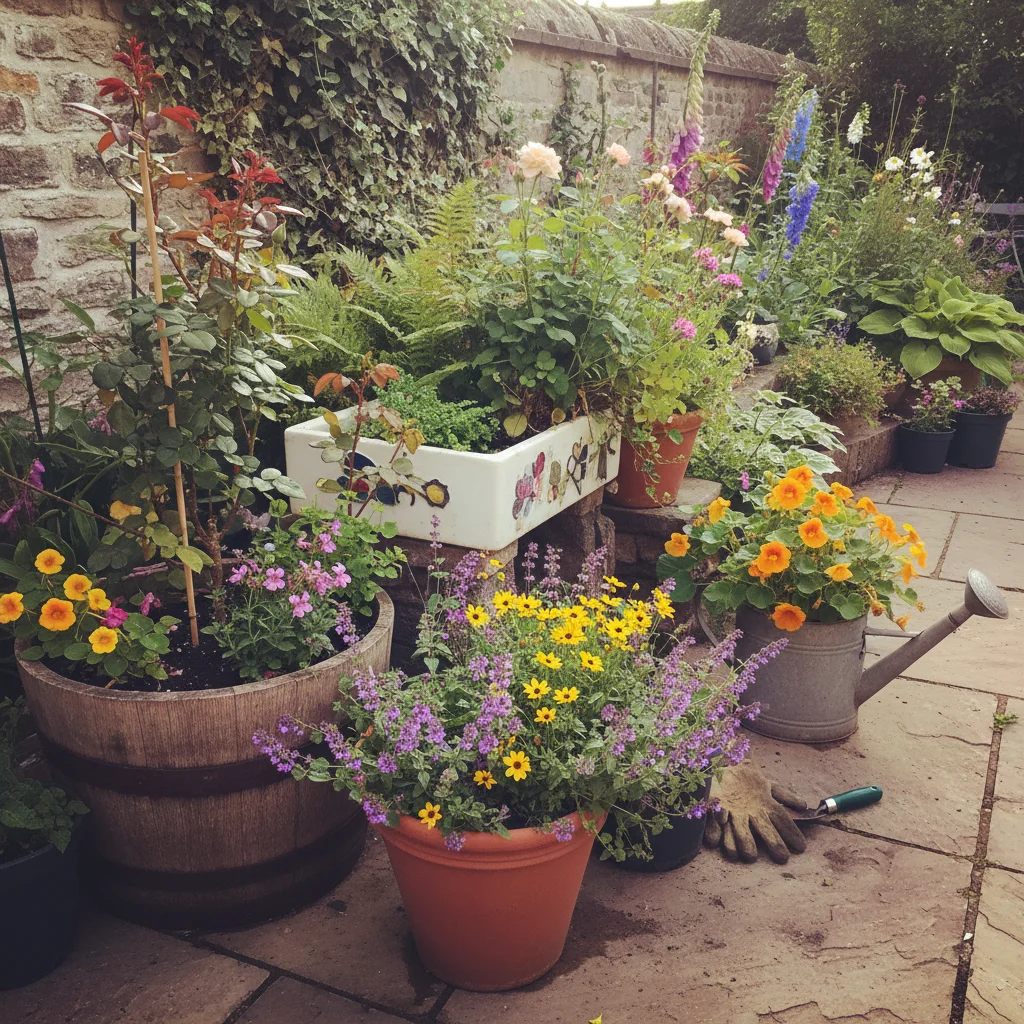
We have all been there on a sunny May bank holiday. You head to the local garden centre and end up spending a small fortune on trays of petunias, geraniums, and lobelia. By the time you have filled a few window boxes and a couple of hanging baskets, your budget has vanished. While those instant hits of colour are tempting, there is a much more rewarding and affordable way to fill your space.
Propagating your own bedding plants is the ultimate gardening hack for those of us with limited space and a keen eye on the pennies. Whether you are working with a tiny London balcony or a compact patio in a windy coastal town, growing from scratch gives you total control. You are no longer limited to the three varieties the supermarket happens to have in stock.
Growing your own plants also means you can start them earlier and ensure they are tough enough for your specific microclimate. Many mass-produced plants are raised in pampered, climate-controlled greenhouses and can struggle when they hit the reality of a breezy British balcony. When you propagate them yourself on a sunny windowsill, they are ready for the real world from day one.
The simple joy of seeds
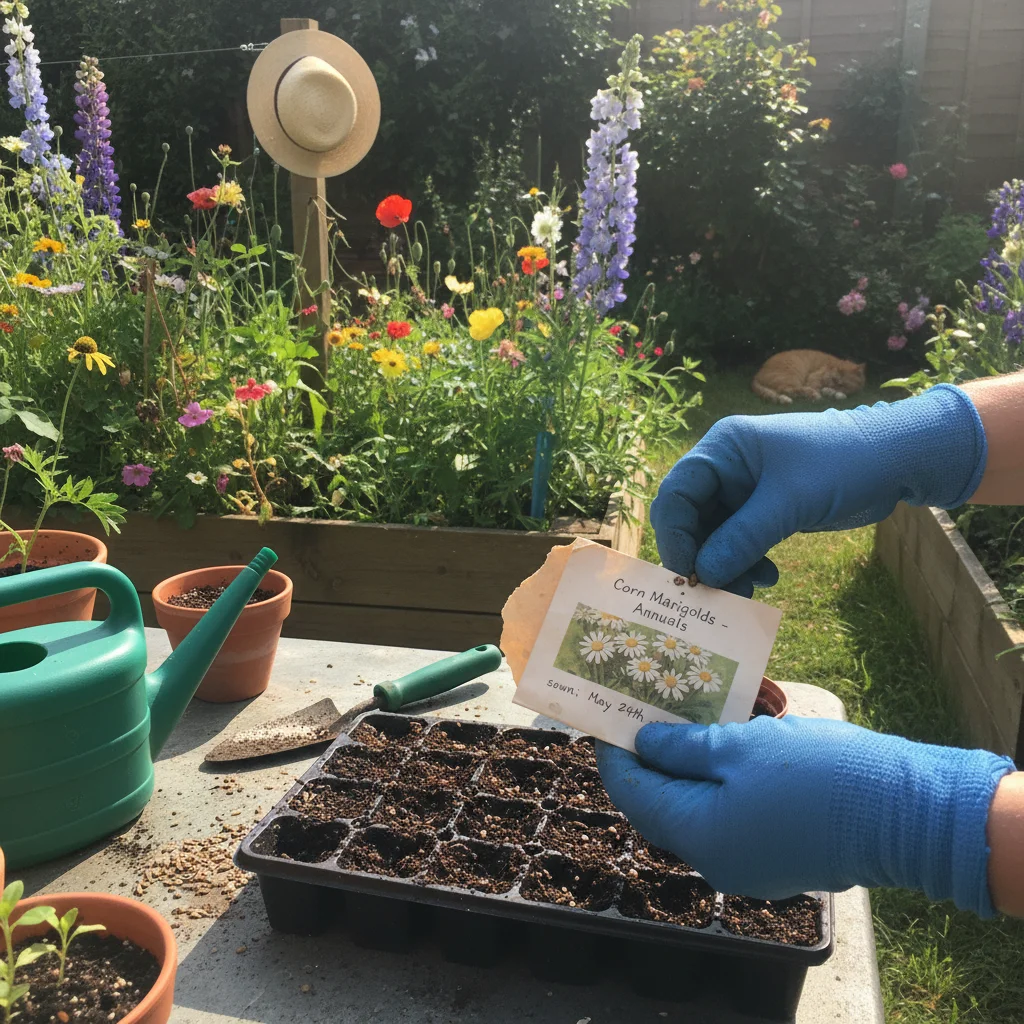
Starting bedding plants from seed is the most cost-effective way to get hundreds of flowers for the price of a single takeaway coffee. For urban gardeners, this usually happens on the "windowsill greenhouse." You do not need a fancy heated propagator to get started with many of our favourite summer staples.
Focus on varieties that are easy to handle and quick to germinate. Cosmos, zinnias, and marigolds have relatively large seeds that are easy to space out in small pots. This is particularly helpful if you are working on a kitchen table and don't want to be faffing with microscopic dust-like seeds that end up all over the floor.
Use a good quality peat-free seed compost and small modular trays. If space is really tight, you can even use cleaned-out yoghurt pots or egg cartons, provided you poke plenty of drainage holes in the bottom. We often forget that drainage is the single most important factor for young plants in a city environment where air circulation can be poor.
Once your seeds have sprouted and have their first set of "true" leaves, they will need more room. This is the stage where you "prick them out" and move them into their own individual pots. For a balcony gardener, this is a great time to start thinking about your final container displays and how many plants you actually have room for.
Master the art of softwood cuttings
If you want to replicate a plant you already love, cuttings are the way to go. This is essentially cloning, and it is remarkably easy with many common bedding plants like Pelargoniums (often called geraniums), Fuchsias, and Coleus. It feels like a magic trick the first time you see a plain stem sprout its own root system.
The best time to take these cuttings is in spring or early summer when the plants are puting on lots of fresh, green growth. You are looking for a healthy side shoot that hasn't started flowering yet. Energy spent on making a flower is energy taken away from making a root, so look for the leafy bits rather than the buds.
Use a sharp pair of snips or even a clean kitchen knife to take a piece about four inches long. You want to cut just below a "node," which is the little bump on the stem where the leaves emerge. This area is packed with the natural growth hormones the plant needs to create new roots.
Strip off the lower leaves so you have a bare stem to insert into the compost. If the remaining leaves are very large, you can even snip them in half to reduce water loss. Place the cuttings around the edge of a pot filled with a gritty compost mix, as the extra drainage at the sides of the pot often encourages faster rooting.
Best plants for easy cuttings
If you are new to this, start with these reliable performers that rarely fail to root.
- Pelargoniums thrive in pots and are incredibly easy to snap off and grow.
- Fuchsias root quickly in a glass of water or damp compost.
- Coleus offers amazing foliage colour and roots within days.
- Petunias can be pinched back and the offcuts used for new plants.
- Verbena rigida spreads beautifully and takes well from small stem tips.
Managing the windowsill transition
The biggest challenge for the urban propagator is the lack of a "halfway house" like a cold frame or a porch. Moving a tender plant from a warm, still living room directly onto a windy, chilly balcony is a recipe for disaster. This process is called "hardening off," and it is vital for the survival of your home-grown babies.
Start by putting your plants outside for just an hour or two during the warmest part of the day. Make sure they are in a sheltered spot, perhaps tucked against a wall or behind a larger, established pot. Avoid direct, scorching midday sun for the first few days, as the glass-grown leaves can actually get sunburned.
Gradually increase the time they spend outside over the course of a week or two. If the forecast predicts a late frost, which can happen well into May in many parts of the UK, bring them back inside or cover them with a bit of horticultural fleece. We have all been caught out by a sudden cold snap, so keep a close eye on the weather app.
If you have a very exposed balcony, consider creating a temporary shelter using a clear plastic storage bin turned on its side. This acts as a miniature greenhouse, protecting the young plants from the worst of the wind while they find their feet. It is a simple solution that doesn't require any permanent garden structures.
Watering and feeding in small containers
When you are growing your own plants in pots, you are their entire life support system. Unlike plants in the ground, they cannot send roots deeper to find moisture. This is especially true for young plants you have just propagated, as their root systems are still quite shallow and vulnerable.
Check your pots every morning, especially if you live in a high-rise where the wind can dry out compost in a matter of hours. The "finger test" is the most reliable method; stick your finger an inch into the compost. If it feels dry, it is time to water. If it is still damp, leave it for another day to avoid rotting the delicate new roots.
Once your plants are established and starting to grow vigorously, they will need a bit of a boost. Most peat-free composts only have enough nutrients to last for about six weeks. After that, a weekly feed with a liquid seaweed fertiliser or a high-potash tomato feed will keep the flowers coming all summer long.
Pinching out the growing tips is another essential task for the container gardener. When your plant is about four inches tall, snip off the very top of the main stem. This might feel counter-intuitive, but it encourages the plant to branch out from the sides, resulting in a bushier, more flower-filled plant rather than one long, lanky stem.
Avoiding common propagation pitfalls
Even the most experienced gardeners have the occasional failure, but most problems are easy to fix. The most common issue with windowsill seedlings is "legginess," where the plants grow tall, thin, and weak. This is almost always caused by a lack of light as the plants stretch towards the window.
To prevent this, turn your trays or pots every single day so the plants don't lean in one direction. If you can, move them to the brightest spot in your home, ideally a south-facing window. If they are already too leggy, you can sometimes save them by planting them slightly deeper when you move them to their next pot.
Damping off is another frustration, where young seedlings suddenly collapse at the base and die. This is usually a fungal issue caused by overwatering or poor air circulation. To avoid it, always use clean pots and fresh compost, and try to water from the bottom by sitting the tray in a little bit of water rather than pouring it over the top.
Top tips for success
Follow these simple rules to ensure your home-grown plants thrive.
- Always use peat-free compost to protect vital peatland habitats.
- Label everything immediately because you will forget what is what.
- Keep your tools clean to prevent the spread of plant diseases.
- Don't start too early as plants will get stressed waiting for spring.
- Group small pots together to help maintain a humid microclimate.
Sustainability and the city garden
Propagating your own plants isn't just about saving money; it is also a much greener way to garden. Most shop-bought bedding plants come in single-use plastic trays and have been transported hundreds of miles. By growing your own, you are cutting down on plastic waste and reducing your carbon footprint.
You can also choose to grow varieties that are specifically good for urban pollinators. Many modern "double" flowers are bred for looks but offer no nectar for bees. When you grow from seed, you can pick "single" varieties of dahlias or marigolds that provide a vital food source for the bees and hoverflies that visit our city spaces.
There is also a wonderful sense of community that comes with propagation. If you find yourself with twenty more tomato plants or petunias than you have room for, you can swap them with neighbours or leave them on a "free plants" stall at the end of your street. It is a great way to meet fellow gardeners in your local area.
As the summer progresses, you can even start thinking about next year. Many bedding plants will produce seeds that you can collect and dry on a bit of kitchen paper. Store them in a paper envelope in a cool, dry place, and you will be ready to start the whole cycle again next spring without spending a penny.
Getting started with propagation is the best way to turn a few pots into a lush, flowering sanctuary. Once you see those first green shoots appearing or the first roots on a cutting, you will be hooked on the process. Take the first step today by grabbing a packet of seeds or taking a sneaky cutting from a leggy geranium, and watch your garden grow.---