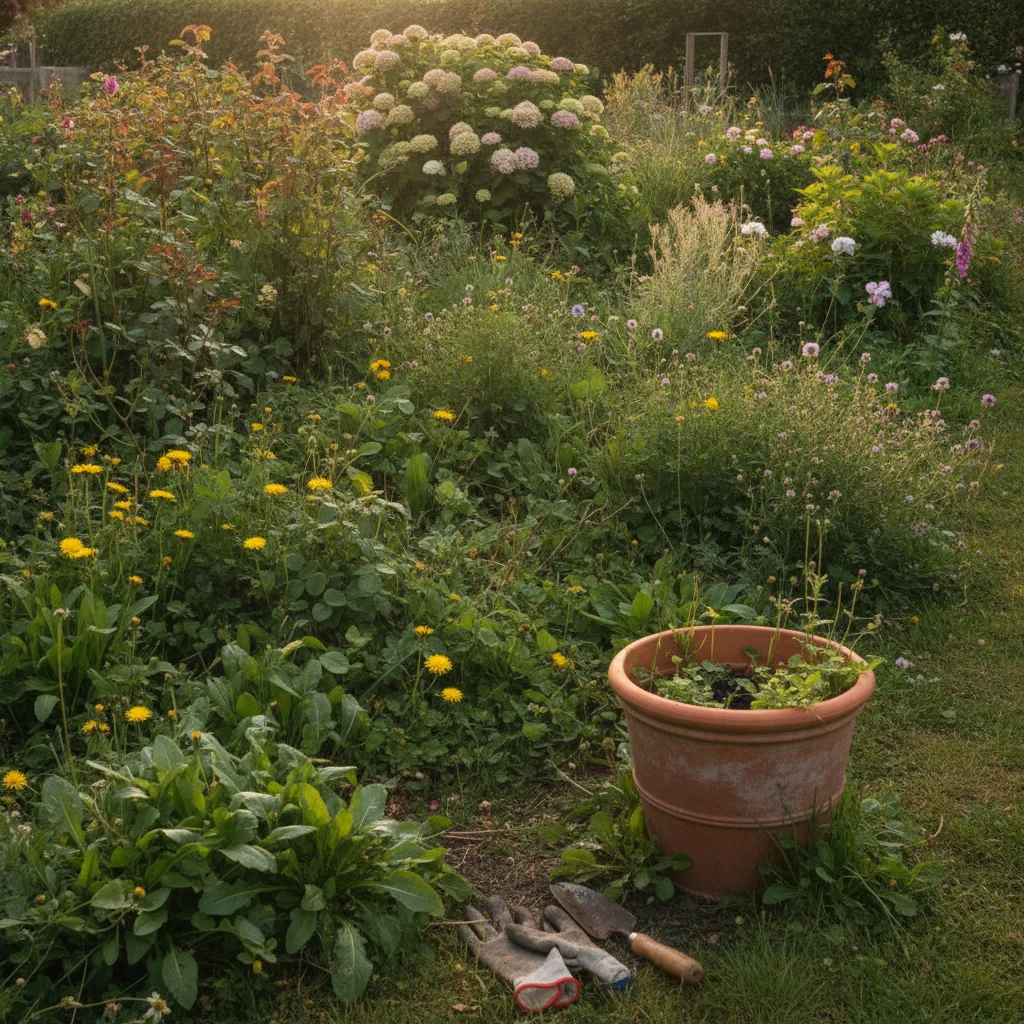
Weed control tips for a border that is already full start with identifying annuals versus perennials, then clearing roots, and only then mulch. Pulling tops and walking away is why it returns in a fortnight.
There is nothing quite as disheartening as looking out at a carefully planned herbaceous border only to see it choked by groundsel, dandelions, or the dreaded couch grass. As a former head gardener, I have spent decades battling these opportunistic plants, and I have learned that the secret to a clean border isn't a one-off miracle cure. It is a combination of understanding plant biology and staying one step ahead of the seasons.
Weeds are simply plants that have evolved to be incredibly efficient at colonising bare soil. They compete with your prize perennials for water, light, and essential nutrients like nitrogen, phosphorus, and potassium (NPK). If left unchecked, they can quickly smother slower-growing garden plants and provide a sanctuary for pests like slugs and aphids.
The goal isn't necessarily to achieve a sterile, weed-free environment, which is almost impossible in a living garden. Instead, we want to create a manageable system where your chosen plants have the competitive edge. By using a methodical approach, you can significantly reduce the time you spend kneeling on a garden kneeler and increase the time you spend enjoying your outdoor space.
Identify the Type of Weed Before Acting
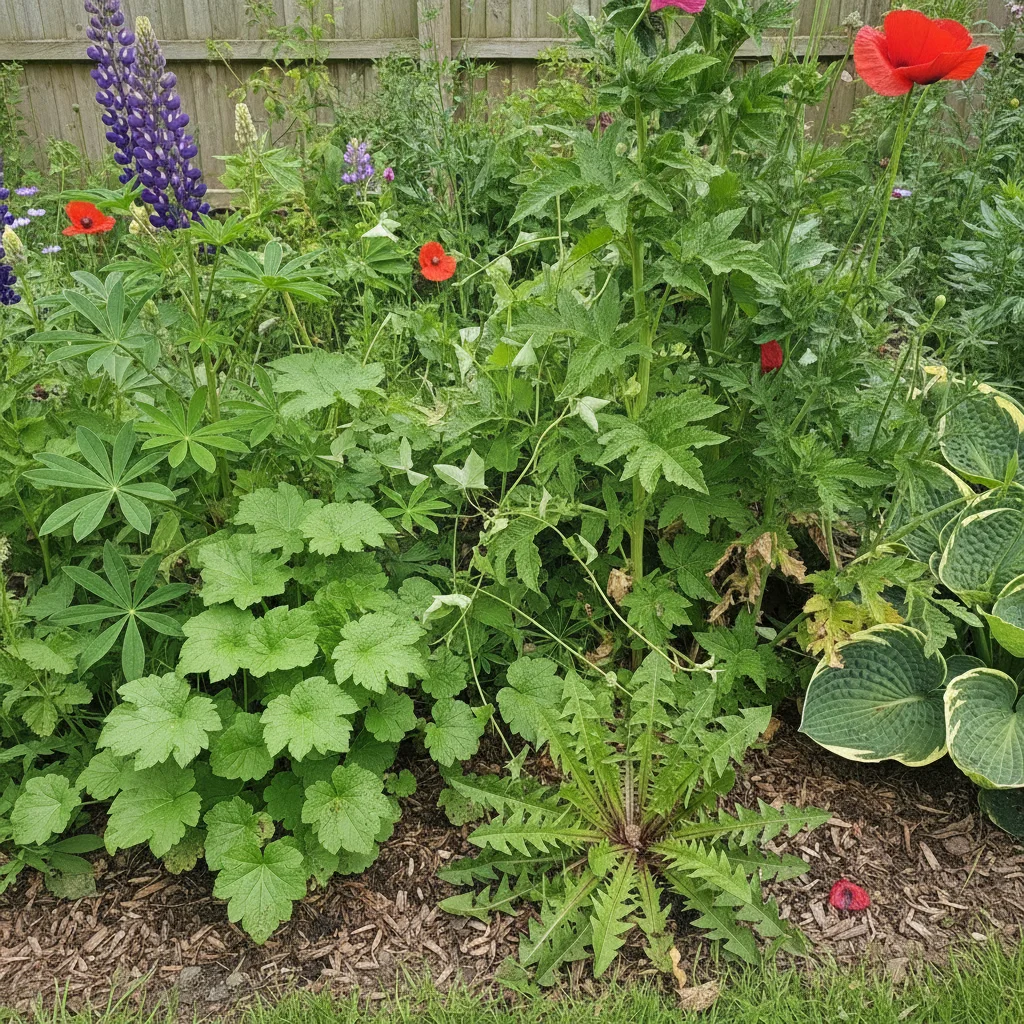
Before you reach for the hoe or a spray, you must know what you are dealing with. Weeds generally fall into two categories: annuals and perennials. Annual weeds, such as bittercress or chickweed, complete their entire life cycle in a single season. They produce thousands of seeds that can lay dormant in your soil for years, waiting for a bit of light to germinate.
Perennial weeds are a more formidable foe. Plants like bindweed, ground elder, and docks have deep taproots or creeping underground stems called rhizomes. If you snap a piece of root and leave it in the soil, many of these plants can regenerate from that tiny fragment. This is why simply pulling the tops off perennial weeds often results in them coming back even stronger a few weeks later.
Take a moment to observe how the weed is growing. If it has a long, carrot-like root, it is likely a tap-rooted perennial like a dandelion. If it has thin, white, brittle roots that seem to travel horizontally under the surface, you are likely dealing with couch grass or bindweed. Identifying these growth patterns dictates whether you can simply hoe them off or if you need to dig deep to remove every last inch of the root system.
The Art of Hand Weeding and Hoeing
Hand weeding is often seen as a chore, but when done correctly, it is the most effective way to clear a border without damaging your existing plants. The best time to weed is shortly after it has rained. When the soil is moist, the structure is more lubricated, allowing roots to slide out much more easily than when the ground is baked hard in the summer sun.
If you are working in tight spaces between delicate plants, a hand fork is your best friend. Insert the fork vertically next to the weed, lever it gently to loosen the soil, and then grasp the weed at the base of the stem. Pulling from the top often results in the foliage snapping off, leaving the root behind to regrow. By loosening the soil first, you ensure the entire root system comes away in one piece.
For larger, open areas of the border, a hoe is a far more efficient tool. A sharp Dutch hoe or an oscillating stirrup hoe allows you to slice through the necks of annual weeds just below the soil surface. This is best done on a dry, sunny day. By leaving the severed weeds on the surface of the soil, the sun will wither them within hours, preventing them from re-rooting and effectively turning them into a very thin layer of green manure.
Essential Tools for Border Maintenance
Having the right equipment makes the difference between a quick task and a back-breaking ordeal. You do not need a shed full of gadgets, but a few high-quality items will last a lifetime and perform much better than cheap alternatives.
- A sharp Dutch hoe: Perfect for skimming the surface of the soil in open borders.
- A long-handled hand fork: This gives you extra reach and leverage for stubborn taproots.
- An oscillating stirrup hoe: This tool cuts on both the push and pull stroke, making light work of large areas.
- A sturdy garden kneeler: Protecting your joints is essential for long sessions in the garden.
- A pointed trowel: Excellent for precision weeding in rockeries or tight perennial clumps.
Keep your hoes sharp using a whetstone or a simple metal file. A blunt hoe will bounce off the weeds or simply push them over rather than cutting through them cleanly. It is also worth cleaning your tools after use to prevent the spread of soil-borne diseases or stubborn weed seeds from one part of the garden to another.
Mulching for Long Term Suppression
If I could give only one piece of advice for weed control, it would be to mulch your borders every single year. Mulching is the process of applying a thick layer of organic matter over the surface of the soil. This serves two primary purposes: it blocks the light that weed seeds need to germinate, and it improves the overall health and structure of your soil.
Apply your mulch in late winter or early spring, just as the bulbs are starting to poke through but before the weeds have had a chance to take hold. Ensure the soil is moist and free of existing perennial weeds before you start. A layer at least 5cm to 7cm thick is required to effectively suppress weeds. If the layer is too thin, weeds will simply grow through it, and you will find it harder to hoe them out.
Beyond weed suppression, mulch is a fantastic way to recycle nutrients. As worms and soil microbes break down the organic matter, they pull it into the soil, improving drainage in heavy clay and moisture retention in sandy soils. It also protects the soil surface from "capping"—where heavy rain creates a hard crust that prevents water and air from reaching plant roots.
Choosing the Right Mulch for Your Border
Not all mulches are created equal, and the best choice depends on your soil type and the plants you are growing. We always want to aim for sustainable, peat-free options that contribute to the local ecosystem rather than stripping resources from elsewhere.
- Well-rotted garden compost: The gold standard for soil health, though it may contain some weed seeds if your heap didn't get hot enough.
- Composted bark or woodchips: Excellent for long-term suppression as they take a long time to break down.
- Leaf mould: A gentle, nutrient-rich mulch that is perfect for woodland-style borders and shade-loving plants.
- Mushroom compost: Highly nutritious but can be alkaline, so avoid using it around acid-loving plants like rhododendrons or camellias.
- Strulch: A patented straw mulch that is excellent at deterring slugs while suppressing weeds.
Avoid using fresh grass clippings as a mulch in your borders. They tend to mat together, creating an anaerobic layer that smells unpleasant and can prevent water from reaching the soil. Fresh woodchips should also be used with caution; as they break down, they can temporarily "lock up" nitrogen in the surface of the soil, though this is rarely an issue for established deep-rooted shrubs.
The No Dig Method and Cardboard
For borders that have become completely overrun, the "no-dig" method is a sustainable and highly effective way to reclaim the land. Instead of digging over the soil—which often brings thousands of dormant weed seeds to the surface—you smother the existing vegetation. This is particularly useful for clearing large patches of annual weeds and weakening perennials.
Start by cutting any tall weeds down to ground level. Cover the entire area with a layer of plain, brown corrugated cardboard, making sure to overlap the edges by at least 15cm so no light can peek through. Wet the cardboard thoroughly with a hose to help it settle and begin the decomposition process. Then, pile at least 10cm of well-rotted compost or mulch on top of the cardboard.
Over the next few months, the cardboard will rot away, but in the meantime, it will have starved the weeds of light. You can plant directly through the cardboard by cutting a small "X" and tucking your plant into the soil beneath. This method preserves the delicate fungal networks (mycorrhizae) in the soil, which help your plants take up water and nutrients more efficiently.
Managing Tough Perennial Weeds
Sometimes, despite our best efforts, we encounter weeds that refuse to go quietly. Bindweed and ground elder are the classic examples. Their roots can travel deep underground, sometimes reaching depths of over a metre. If you have these in your borders, you need a strategy of exhaustion.
If you prefer to avoid chemicals, the best approach is constant vigilance. Every time you see a green shoot appear, snap it off or hoe it out immediately. By never allowing the plant to develop leaves, you prevent it from photosynthesising and sending energy back down to the roots. Over two or three growing seasons, the root system will eventually starve and die. It requires patience, but it is a very effective organic method.
If you do choose to use a herbicide, use it sparingly and with precision. Glyphosate-based products are systemic, meaning they are absorbed by the leaves and transported down to the roots. To protect your garden plants, do not spray on a windy day. Instead, use a "gel" formulation or a paintbrush to apply the liquid directly onto the leaves of the weed. This ensures the chemical only affects the target plant and doesn't leach into the surrounding soil or harm beneficial insects.
Planting for Weed Prevention
A well-planted border is its own best defence against weeds. In nature, bare soil is a vacuum that the environment seeks to fill. By filling your borders with desirable plants, you leave no room for the interlopers. This is often referred to as "living mulch."
Choose ground-cover plants that knit together to form a dense canopy. Geraniums, Alchemilla mollis, and Heucheras are fantastic for this. When the foliage of your garden plants touches, they shade the ground, making it much harder for weed seeds to get the light they need to germinate. This doesn't just look beautiful; it significantly reduces your maintenance workload.
Consider the spacing of your plants when you first design a border. While it is tempting to space things out to give them "room to grow," leaving large gaps of bare soil is an invitation for weeds. Plant in drifts and layers, using taller perennials at the back and lower, spreading plants at the front. This creates a tiered system that maximises light capture for your flowers and minimises it for the weeds.
Maintaining a Weed Free Border
Consistency is the final piece of the puzzle. It is far easier to spend ten minutes once a week walking through your borders with a hand fork than it is to spend an entire weekend clearing a jungle. Make it a habit to pull out a few weeds while you are out with your morning coffee or evening drink.
Pay particular attention to the edges of your borders. Weeds often creep in from lawns or gravel paths. By keeping a sharp, clean edge on your beds using a half-moon edging tool, you create a physical barrier that makes it harder for grass and weeds to migrate into your flower beds. If you have a particularly persistent problem with grass creeping in, consider installing a permanent metal or plastic edging strip.
By combining these methods—identification, moisture-timed weeding, thick organic mulching, and dense planting—you will find that your garden becomes much more resilient. You are not just fighting weeds; you are building a healthier, more vibrant ecosystem where your chosen plants can truly thrive. Start by applying a fresh layer of mulch this weekend, and you will see the benefits for the rest of the growing season.
Frequently asked questions
Should I dig the whole border over?
Not if you can avoid it — digging brings more seed up. Lift perennials, fork out roots, then mulch. Sheet mulching can help the worst beds.
When do I need a gardener?
When the weeds are perennial and the border is too big to finish in a weekend, or you cannot tell the plants you want from the ones you do not.
Will weedkiller fix it?
It can knock back some perennials, but you still need planting and mulch afterwards. In a mixed border, herbicide is easy to get wrong.