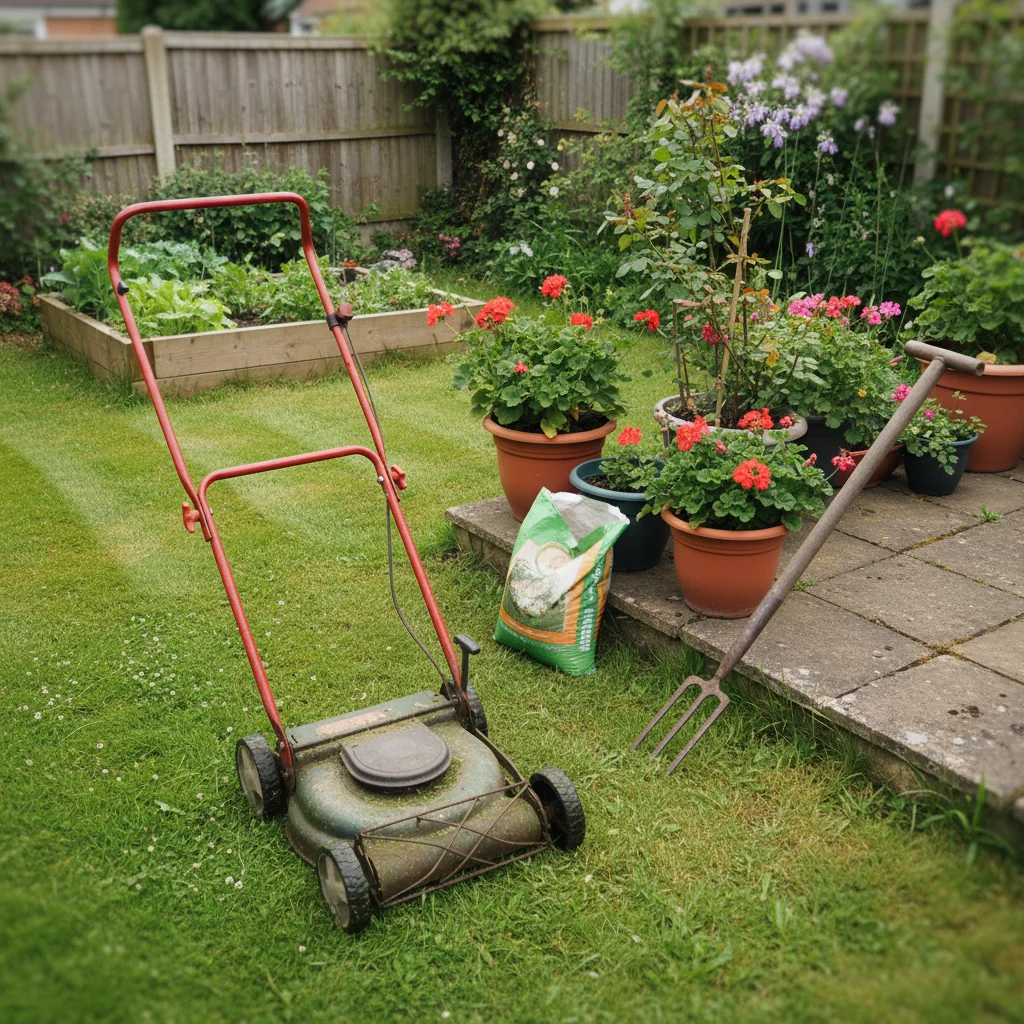
Lawn care in the UK mowing, feeding, aeration and basics

Lawn care in the UK mowing, feeding, aeration and basics – featured image

A healthy lawn is often the centrepiece of the British garden, providing a lush, green canvas for our borders and a soft space for family life. However, achieving that resilient, velvet-like finish requires more than just an occasional pass with the mower. It involves understanding the grass as a living community of plants that responds to the specific rhythm of our UK seasons.

The secret to a great lawn lies beneath the surface in the soil health and the root structure. When we focus on the biology of the grass rather than just the aesthetic, the result is a lawn that can withstand drought, resist disease, and outcompete weeds naturally. We should view our lawns as a long-term investment in our garden’s ecosystem.

The art of proper mowing

The art of proper mowing – Lawn care in the UK mowing, feeding, aeration and basics

Mowing is the most frequent task in the gardening calendar, yet it is often the one where the most mistakes are made. Most gardeners tend to cut their grass too short, hoping to increase the time between mows. This actually stresses the plant, reducing its ability to photosynthesise and forcing it to use up energy reserves stored in the roots.

I always recommend the one-third rule: never remove more than one-third of the grass blade height in a single session. If your lawn has grown particularly long during a rainy spell, bring the height down gradually over several mows. This approach keeps the grass plants vigorous and prevents the "scalped" look that allows moss and weeds to take hold.

The height of your cut should also change with the seasons and the weather. During the peak of summer or in periods of drought, raise your mower blades to leave the grass slightly longer. This extra length provides shade to the soil, reducing water evaporation and protecting the delicate crowns of the grass plants from scorching.

Sharp blades are non-negotiable for a healthy lawn. Dull blades tear the grass rather than cutting it cleanly, leaving jagged edges that turn brown and provide entry points for fungal diseases. I make it a habit to check my mower blades at the start of every spring and sharpen or replace them if they look nicked or blunt.

Feeding your soil and grass

To keep a lawn looking its best, we must replace the nutrients that are lost every time we remove grass clippings. A balanced diet for your lawn revolves around three primary elements: Nitrogen (N) for lush green leaf growth, Phosphorus (P) for strong root development, and Potassium (K) for overall plant health and disease resistance. Together, these are known as NPK.

In the spring and early summer, your grass needs a fertiliser high in nitrogen to kickstart growth after the winter dormancy. This helps the lawn recover from any winter damage and build up a dense sward that naturally crowds out weeds. It is best to apply these feeds when the soil is moist and rain is forecast, or to water them in thoroughly to avoid scorching the grass.

As we move into autumn, the requirement shifts toward phosphorus and potassium. An autumn-specific feed encourages deep root growth and strengthens the cell walls of the grass, preparing it for the frosts and waterlogging of a British winter. Avoid using high-nitrogen spring feeds late in the year, as the soft, sappy growth they produce is easily damaged by cold weather.

Sustainability is key when feeding, so I often suggest using organic or slow-release fertilisers. These break down gradually over several months, providing a steady stream of nutrients rather than a sudden surge. This not only prevents "flush" growth that requires constant mowing but also supports the beneficial microbes and earthworms living in your soil.

Relieving compaction through aeration

One of the most overlooked aspects of lawn care is the air content within the soil. Grass roots need oxygen just as much as they need water and nutrients. Over time, the soil beneath our feet becomes compacted through foot traffic, play, and even the weight of the mower, squeezing out the air pockets that roots rely on.

Aeration is the process of creating holes in the lawn to allow air, water, and nutrients to penetrate deep into the root zone. For small gardens or mildly compacted areas, a garden fork can be used to spike the ground at regular intervals. For larger lawns or heavy clay soils, a hollow-tine aerator is much more effective as it removes small plugs of soil entirely.

The best time to aerate is during the autumn or spring when the grass is growing strongly and can recover quickly. If you have heavy clay soil, which is common in many parts of the UK, you might find that your lawn becomes waterlogged in winter. Regular aeration improves drainage significantly, preventing the anaerobic conditions that lead to root rot and moss growth.

After aerating, you can apply a top dressing of sharp sand or a loam-based mix. Brushing this into the holes helps to keep the new channels open and improves the overall soil structure over time. This simple act can transform a thin, struggling lawn into a thick, resilient carpet of green by encouraging deeper and more extensive root systems.

Managing thatch and moss with scarifying

Over the course of a year, a layer of organic matter consisting of dead grass, moss, and old clippings builds up at the base of the grass plants. This is known as thatch. While a thin layer of thatch can provide some cushioning, a thick layer acts like a waterproof sponge, preventing moisture and nutrients from reaching the soil.

Scarifying is the process of vigorously raking the lawn to remove this debris. It can be a shock to see your lawn immediately after scarifying, as it often looks ragged and bare, but this is a vital part of the rejuvenation process. By clearing away the "choke-hold" of thatch, you give the individual grass plants the space they need to breathe and spread.

Heavy scarifying is best reserved for the autumn, as this allows you to follow up with overseeding to fill in any bare patches before winter. A lighter rake in the spring can also be beneficial to clear out any moss that has developed over the damp winter months. Always ensure the grass is growing actively before you begin, as this ensures a speedy recovery.

Moss is a common frustration for UK gardeners, but it is usually a symptom of an underlying problem rather than the cause itself. Moss thrives in damp, shaded, or compacted conditions where the grass is weak. While you can use moss killers to remove it temporarily, the moss will return unless you address the core issues through aeration, feeding, and improving light levels.

Dealing with weeds and pests

A thick, healthy lawn is the best defence against weeds, as the dense grass leaves no room for opportunistic seeds to germinate. However, even the best-kept lawns will occasionally see dandelions, daisies, or clover. I prefer a targeted approach to weed control, removing individual weeds by hand with a daisy grubber or a small trowel to avoid the widespread use of chemicals.

If you find that weeds are taking over, it may be a sign that the grass is under-stressed. Check your mowing height and your feeding regime. Some "weeds," like white clover, are actually beneficial to the soil as they fix nitrogen from the air, but if you prefer a pure grass lawn, regular maintenance will keep them in check without the need for heavy herbicide use.

UK lawns also face occasional challenges from pests like leatherjackets (the larvae of crane flies) or chafer grubs. These larvae live in the soil and eat the roots of the grass, causing yellow patches that can be easily lifted like a piece of carpet. If you notice birds, such as starlings or crows, pecking aggressively at your lawn, it is often a sign of an infestation.

To manage these pests sustainably, I recommend using nematodes. These are microscopic organisms that hunt down the larvae in the soil without harming other wildlife or the environment. They should be applied when the soil is warm and moist, typically in late summer or early autumn, to be most effective against the young larvae.

Essential tools for your lawn

Having the right equipment makes lawn maintenance much more manageable and ensures you get the best results for your efforts. You don't need a shed full of expensive machinery, but a few well-chosen, high-quality tools will last for years and help you maintain a professional finish.

  • A reliable lawnmower with adjustable cutting heights to suit different seasons.
  • A sturdy garden fork or a hollow-tine aerator for relieving soil compaction.
  • A spring-tine rake for light scarifying and clearing autumn leaves.
  • A half-moon edging iron to keep the borders crisp and tidy.
  • A broadcast spreader for even application of fertilisers and grass seed.
  • A sharp pair of long-handled lawn shears for trimming edges where the mower can't reach.

Investing in tools with ergonomic handles can reduce the physical strain of gardening. I also suggest cleaning your tools after each use, especially the underside of the mower, to prevent the spread of weed seeds or fungal spores across your garden.

Your seasonal lawn care calendar

The British weather can be unpredictable, but the needs of your lawn generally follow a predictable cycle. Following a seasonal schedule ensures you are doing the right task at the right time, working with the natural growth patterns of the grass.

Season Primary Tasks
Spring First light mow, apply spring fertiliser, light scarifying, and moss removal.
Summer Regular mowing (higher cut in dry weather), watering if necessary, and spot-treating weeds.
Autumn Heavy scarifying, aeration, overseeding, and applying autumn/winter fertiliser.
Winter Keep off the grass during frost or waterlogging, and service the mower.

During the winter months, the grass is largely dormant. The most important thing you can do is avoid walking on the lawn when it is frozen or saturated with water. This protects the soil structure and prevents the grass blades from being crushed and damaged, which can lead to unsightly brown patches in the spring.

When to call a professional

While most lawn care can be handled by a keen gardener, there are times when the expertise and heavy-duty equipment of a professional are required. If your lawn has severe drainage issues that require the installation of land drains, or if you are dealing with a massive infestation of pests, a specialist can provide a targeted solution.

Lawn renovation is another area where professionals excel. If a lawn has been neglected for many years and is more moss than grass, a professional can use industrial-grade scarifiers and aerators to strip the lawn back and rebuild it from scratch. This is often faster and more effective than trying to nurse a dead lawn back to health with domestic tools.

Furthermore, if you find that you simply don't have the time to keep up with the weekly demands of a lawn, a regular maintenance service can take the pressure off. They can manage the chemical applications and mechanical tasks, leaving you to enjoy the beauty of the garden without the hard labour.

Caring for a lawn is a journey of understanding the unique conditions of your own garden. By observing how your grass responds to the weather, the soil, and your maintenance routine, you will develop a feel for what it needs. A lush, healthy lawn is more than just a garden feature; it is a testament to the care and attention you give to the land beneath your feet.