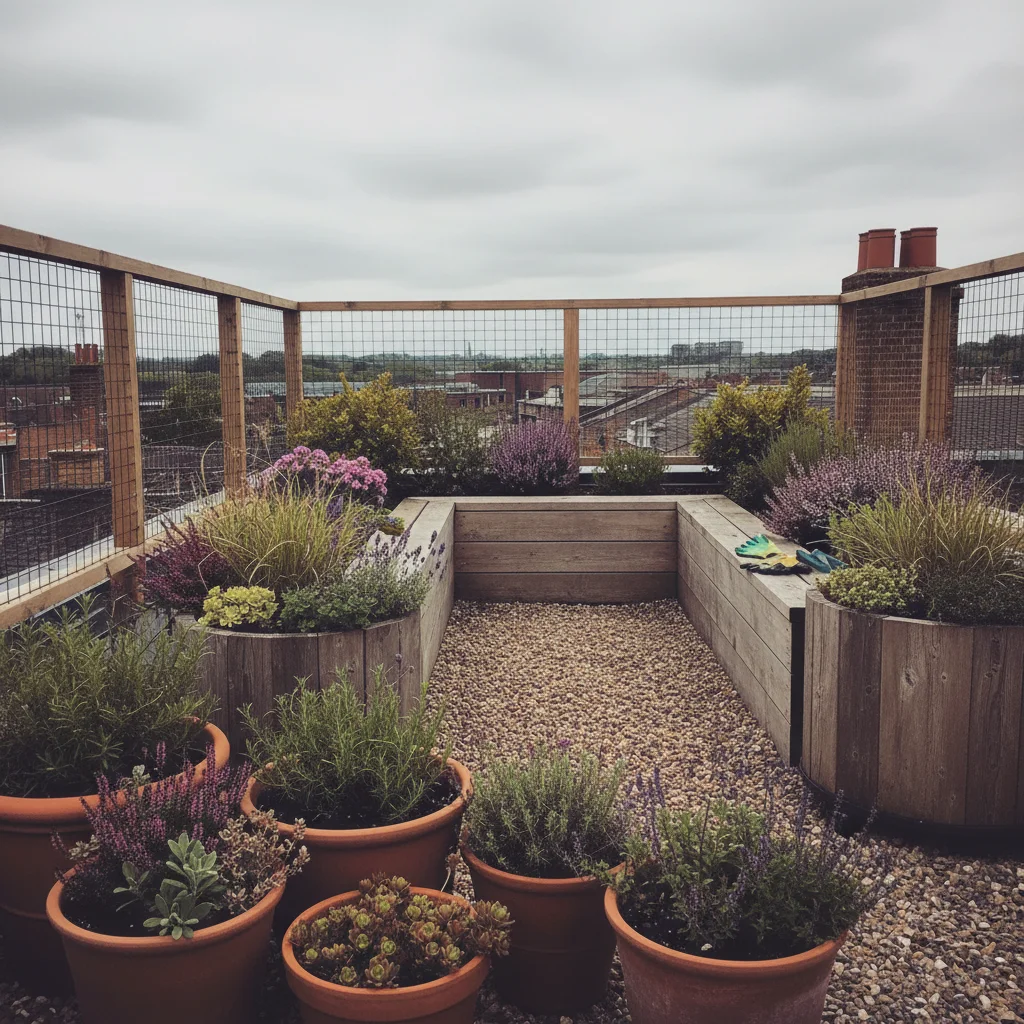
A roof garden is a waterproofing and weight problem first, and a planting problem second. Hire people who will talk to a structural engineer before they talk about lavender.
Turning a flat roof into a lush, green sanctuary is one of the most rewarding projects a homeowner can undertake. In our increasingly crowded urban environments, the space above our heads offers a unique opportunity to reclaim a bit of nature, improve our local biodiversity, and create a private retreat. However, gardening at height is fundamentally different from tending to a traditional back garden, and it requires a methodical approach to ensure the safety of your home and the health of your plants.
When we plant in the ground, we rarely have to worry about the earth collapsing under the weight of a new shrub or a heavy watering can. On a roof, every kilogram matters. We are essentially building a living ecosystem on top of a man-made structure, which means we must respect the engineering of the building as much as the biology of the plants. From the way water moves across the surface to the fierce winds that batter high-altitude pots, rooftop gardening is an exercise in careful planning and smart material choices.
Before you buy your first bag of compost or a single terracotta pot, it is vital to understand that a roof garden is a technical installation. While the result looks soft and natural, the foundation must be rigid and scientifically sound. By taking the time to understand the unique pressures of rooftop cultivation, you can create a space that flourishes for years without compromising the integrity of your property.
The critical importance of weight and load
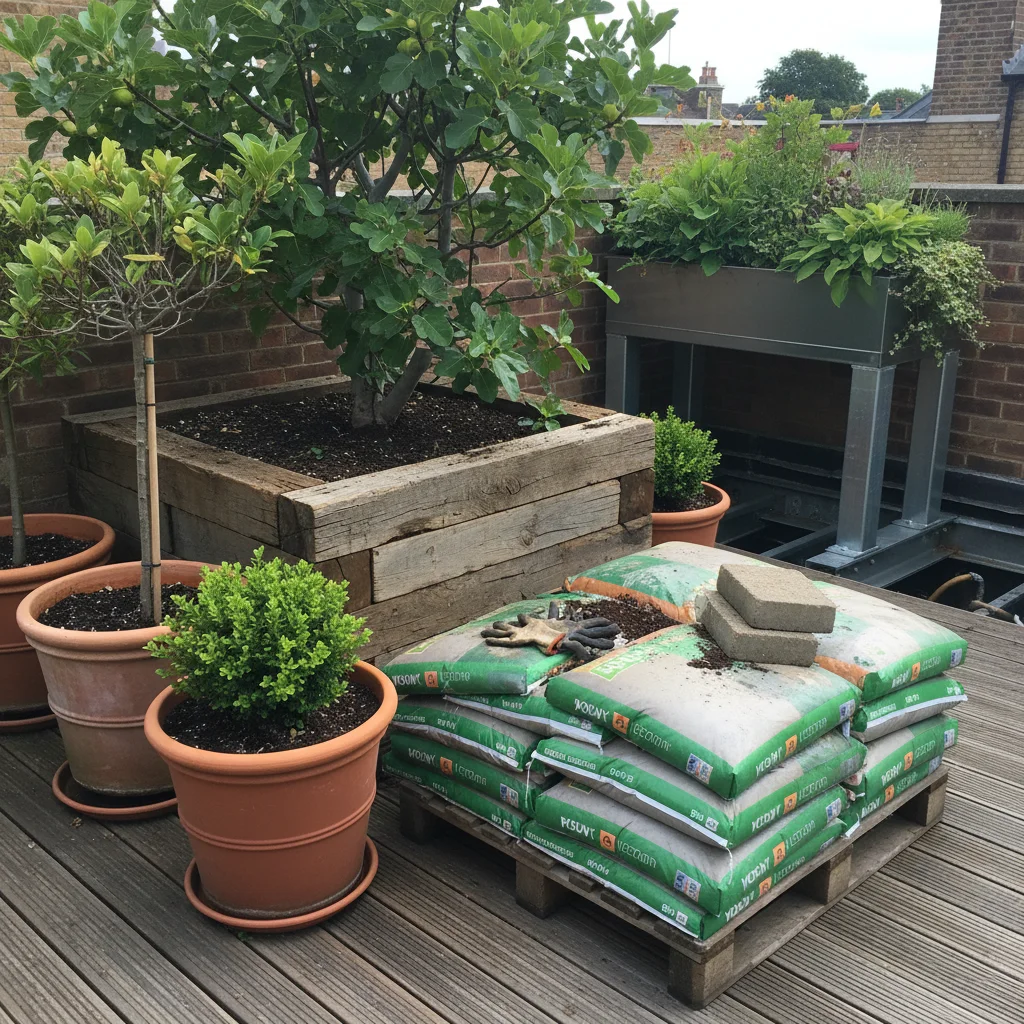
The most significant factor in any rooftop project is the structural load-bearing capacity of the building. Every element you add—the plants, the containers, the growing media, and even the people using the space—exerts downward pressure. We categorise this into "dead load," which is the weight of the permanent fixtures, and "live load," which includes moving elements like furniture and visitors.
It is easy to underestimate how heavy a garden can become, especially after a heavy British downpour. Water is incredibly heavy, and a saturated container can weigh three or four times as much as a dry one. This is why we must never assume a roof is strong enough just because it looks solid or can support the weight of a person walking across it for maintenance.
Standard domestic roofs are often designed only to support the weight of the roofing materials and occasional maintenance access. Adding a layer of soil, even a shallow one, can push a structure beyond its safety limits. This is particularly true for older extensions or garages that may not have been built with modern load-bearing standards in mind.
You should always involve a qualified structural engineer before starting any significant rooftop planting project. They will calculate the "point loads" of heavy planters and the "distributed load" of your entire garden layout. This professional oversight is not just a recommendation; it is a fundamental safety requirement that protects your home and your neighbours.
When to call in the professionals
While many aspects of gardening are perfect for the enthusiastic DIYer, the structural and waterproofing elements of a roof garden are best left to the experts. Knowing when to step back and ask for professional help is the hallmark of a responsible gardener. It ensures that your green oasis doesn't become a structural nightmare further down the line.
A structural engineer is your first port of call to determine what is physically possible. However, you may also need to consult a roofing specialist to inspect the existing waterproof membrane. A roof garden will keep the surface of your roof damp for much of the year, and any tiny existing leak will quickly be exacerbated by the presence of roots and constant moisture.
There are specific scenarios where professional intervention is non-negotiable to ensure the longevity of your project.
- When you are planning to install large, permanent planters or raised beds.
- If the roof is more than ten years old and the waterproof membrane has never been replaced.
- When you intend to use the space as a social area with heavy furniture or decking.
- If you notice any sagging, cracking, or water pooling on the roof surface.
- When you are unsure if your roof has a "root-resistant" layer to protect the structure.
Mastering drainage and waterproofing
In a ground-level garden, excess water eventually filters down into the subsoil and the water table. On a roof, that water has nowhere to go unless we provide a clear, unobstructed path. Proper drainage is the difference between a thriving garden and a stagnant, heavy bog that threatens the waterproof seal of your home.
A typical rooftop planting system consists of several layers. At the bottom is the waterproof membrane, followed by a root-protection barrier to prevent adventurous roots from piercing the seal. Above this sits a drainage layer, often made of dimpled plastic sheets or lightweight aggregate, which allows water to flow freely beneath the soil toward the roof outlets.
We must also consider the "filter fleece," a thin fabric layer that sits between the soil and the drainage layer. This prevents fine particles of compost from washing down and clogging the drainage system. Without this, your roof outlets could eventually become blocked with silt, leading to dangerous "ponding" where water sits deep on the roof, adding immense weight and increasing the risk of leaks.
Regular maintenance of these drainage points is essential. At least twice a year, usually in autumn and spring, you should check that all gutters and downpipes are clear of debris. Even a small amount of fallen foliage can cause a backup that puts your entire system at risk.
Choosing the right growing media
One of the most common mistakes in rooftop gardening is using standard garden soil or heavy multi-purpose compost. These materials are far too dense and heavy for use at height. Instead, we use "lightweight growing media," which is specifically engineered to provide the right balance of water retention, aeration, and low mass.
These specialised mixes often contain inorganic materials like perlite, vermiculite, or LECA (lightweight expanded clay aggregate). These volcanic or clay-based pebbles are full of tiny air pockets, making them incredibly light while still providing the structure that plant roots need to anchor themselves. They don't compact over time like traditional soil, which ensures that oxygen can always reach the roots.
Sustainability is a key concern here, and I always recommend choosing peat-free lightweight mixes. Peat bogs are vital carbon sinks, and we should avoid using them in our gardens whenever possible. Modern peat-free alternatives, often based on wood fibre or coconut coir, perform exceptionally well in rooftop environments when blended with the right minerals.
Because these lightweight mixes drain so quickly, they can dry out faster than traditional soil. We often incorporate water-retaining granules or organic matter to help bridge the gap between waterings. However, we must always balance this with the need to keep the overall weight of the system as low as possible.
Managing wind exposure and microclimates
The higher you go, the more the environment changes. A roof garden is often several degrees warmer than the ground due to "urban heat island" effects, but it is also significantly windier. Wind on a rooftop doesn't just buffet the plants; it acts like a giant hairdryer, sucking moisture out of the leaves and the soil at an alarming rate.
This constant airflow can lead to "wind scorch," where the edges of leaves turn brown and brittle. To combat this, we need to think about windbreaks. However, a solid wall or fence can actually make things worse by creating turbulent "vortexes" on the other side. Instead, we use permeable barriers like trellises or toughened glass balustrades that filter the wind rather than trying to stop it entirely.
The containers themselves also need to be secured. In a high-altitude gale, a lightweight pot can easily become a dangerous projectile. We often use wider, lower-profile planters that have a lower centre of gravity, or we physically tether the containers to the structural elements of the building (with the guidance of our structural engineer).
When it comes to watering, an automated drip irrigation system is almost a necessity for a rooftop garden. Because the wind and sun are so intense, a manual watering schedule is often hard to maintain. A simple timer connected to a series of pipes can deliver small, frequent amounts of water directly to the roots, reducing waste and ensuring your plants never hit that critical wilting point.
Selecting plants for high-altitude survival
Not every plant is suited to the rigours of life on a roof. We are looking for "tough customers"—species that can handle intense sun, occasional drought, and constant wind. In many ways, the conditions on a roof mimic those of a coastal cliff or an alpine scree slope, so plants from those environments often thrive.
Succulents, such as sedums and sempervivums, are the classic choice for "extensive" green roofs (shallow systems). They store water in their fleshy leaves and are incredibly resilient. For deeper "intensive" systems or container gardens, we can look toward Mediterranean herbs like rosemary and thyme, or hardy grasses that sway beautifully in the wind.
When choosing your palette, consider the following varieties that have proven their mettle in UK rooftop conditions:
- Sedum spectabile: Excellent for pollinators and very drought-tolerant.
- Festuca glauca: A blue-tinted grass that handles wind with ease.
- Lavandula angustifolia: Loves the intense sun and well-draining media.
- Erigeron karvinskianus: A tough little daisy that softens edges and self-seeds in cracks.
- Pinus mugo: A dwarf pine that provides year-round structure without getting too large.
- Armeria maritima: Thrift is a coastal native that laughs at salt spray and high winds.
Avoid plants with very large, thin leaves like Hostas, as the wind will shred them in a single afternoon. Similarly, tall, top-heavy plants like standard roses or large sunflowers are risky unless they are very well-protected. Stick to compact, mounding, or flexible plants that can "go with the flow" of the rooftop environment.
Logistics and maintenance access
Before you commit to a design, you must consider the practicalities of getting materials up to the roof and maintaining them once they are there. If your only access is through a narrow loft hatch or up a precarious ladder, you will find it very difficult to move large bags of LECA or heavy planters.
Health and safety must be your priority. Any roof garden used for leisure must have appropriate railings or parapet walls that meet UK building regulations. If the roof is only for "visual" greening (not for walking on), you still need a safe way to access the area for weeding and checking the drains. Never work near the edge of a roof without proper fall protection.
Maintenance on a roof is generally more frequent but less intensive than a ground-level garden. Because the pots are isolated, you won't have many issues with ground-based pests like slugs or snails, but you will need to be vigilant about feeding. Lightweight growing media is often low in nutrients, so a regular application of a balanced, liquid seaweed feed during the growing season will keep your plants looking vibrant.
Finally, think about the "end of life" for your materials. Eventually, even the best compost will need refreshing. Having a plan for how to move green waste down from the roof—perhaps through a composting system if space allows, or by using small, manageable "rubble bags"—will save you a great deal of stress in the long run.
By respecting the structural limits of your home and choosing materials and plants that are fit for the heights, you can transform a grey space into a living, breathing asset. A well-designed roof garden doesn't just add value to your property; it provides a vital stepping stone for urban wildlife and a peaceful sanctuary for you to enjoy the horizon. Start by consulting a professional to confirm your roof's capacity, and you will be well on your way to a successful sky-high harvest.
Frequently asked questions
Can any flat roof become a roof garden?
Only if the structure can take the wet weight of soil and people, and the waterproofing is designed to be walked on and planted. Guessing is how leaks start.
What plants work on a roof?
Wind-tolerant, drought-tolerant planting in relatively shallow substrates. Trees in huge pots are a specialist decision, not an impulse buy.
Who should I hire?
A combination of a structural check, a competent roofing or landscape contractor, and a planting designer who has done roofs — not a general mowing gardener.