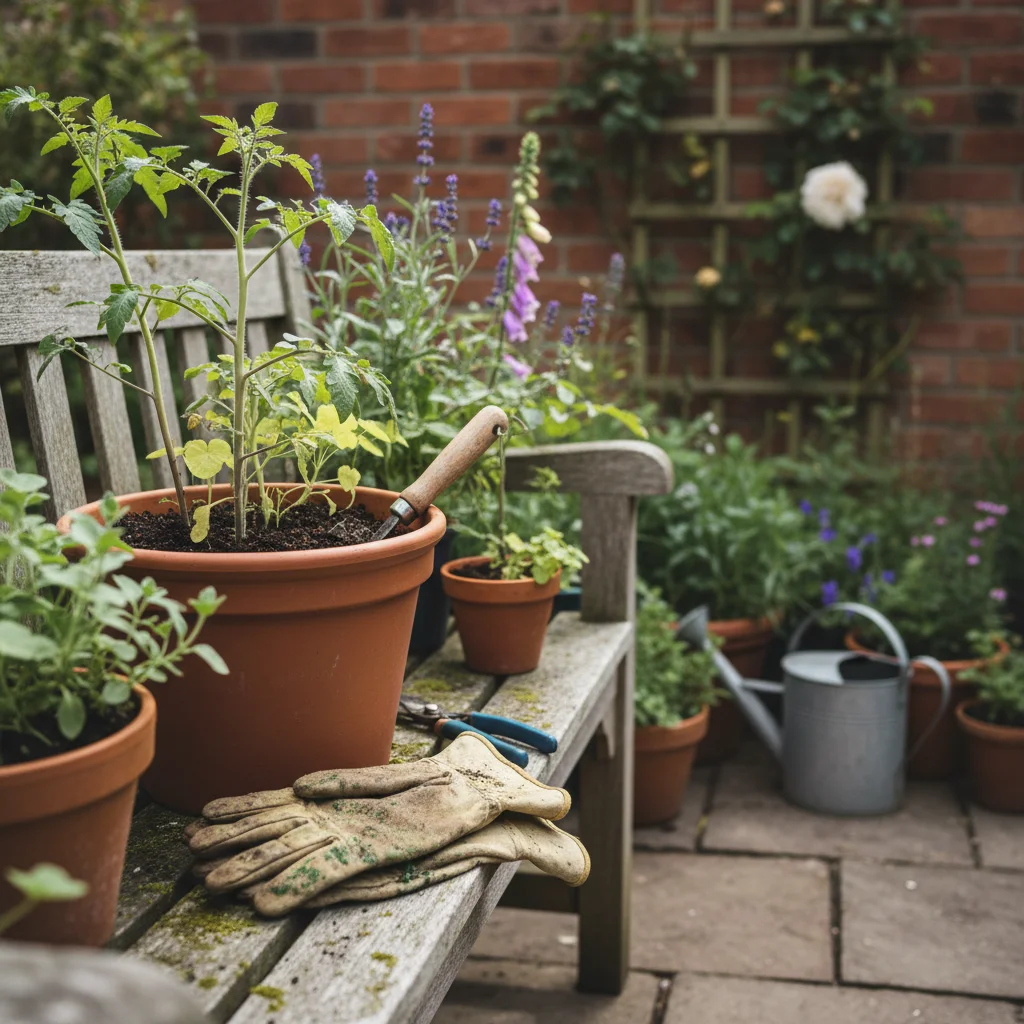
Most gardeners have a "glove graveyard" tucked away in the back of the shed. It is usually a tangled pile of stiff, mud-caked cotton or cheap rubber-coated pairs where the fingertips have worn through and the elastic has long since perished. We buy them in multi-packs from the local garden centre, thinking we are saving money, only to find they offer as much protection as a wet paper towel when we finally tackle the brambles at the bottom of the garden.
I have spent over thirty years as a head gardener, and if there is one thing I have learned about tools, it is that the most expensive item is the one you have to buy twice. When your hands are your primary tools, protecting them isn't just about comfort; it is about safety and efficiency. In our damp UK climate, a glove that cannot handle moisture or resist a hawthorn spike is worse than useless—it is a hindrance to the work we love.
Choosing the right pair requires moving beyond the "one size fits all" mentality. We need to understand the science of materials and how they interact with our specific garden tasks. Whether you are pricking out delicate seedlings in a cold frame or clearing a neglected patch of nettles, the requirements for your "second skin" change significantly.
Why British gardens are tough on gloves
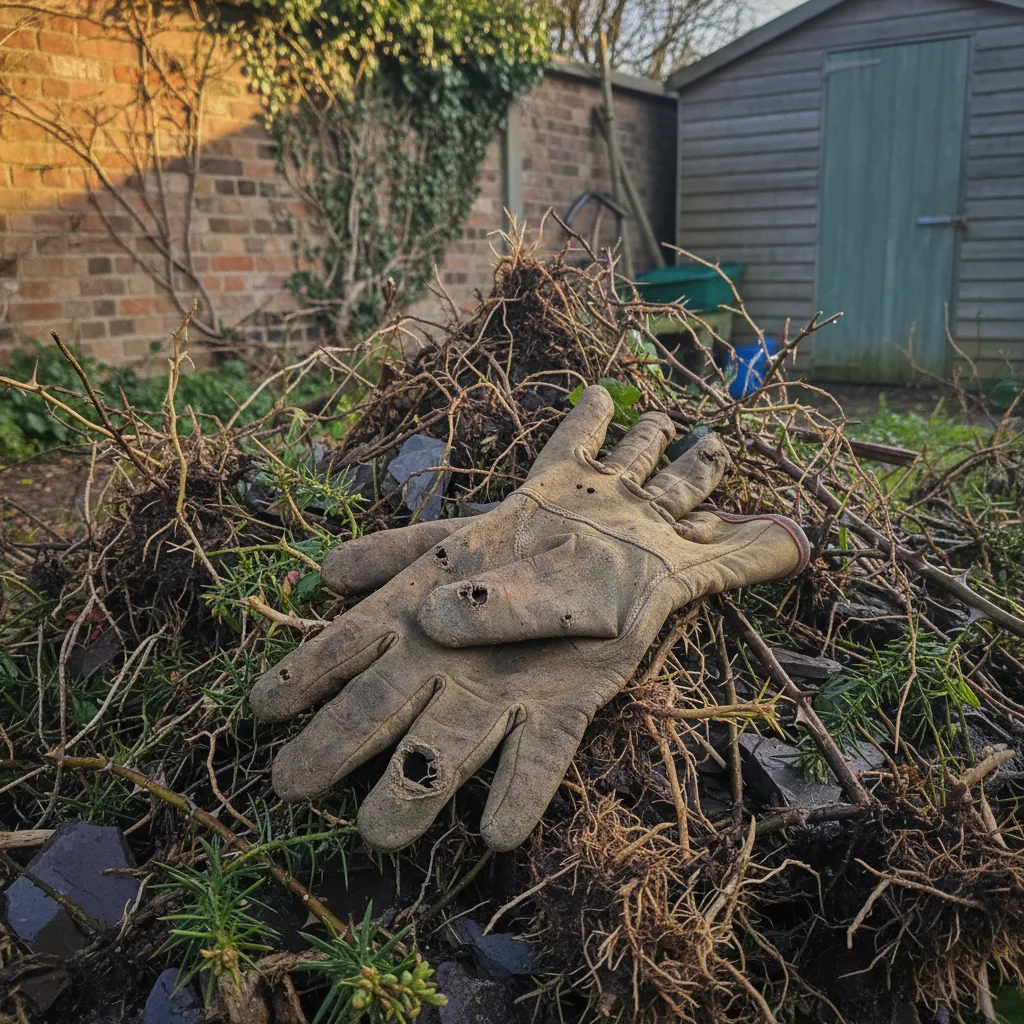
Our weather is perhaps the greatest enemy of garden gear. In the UK, we are rarely dealing with bone-dry soil for long. Even in the height of summer, a morning's weeding usually involves damp earth and dew-soaked foliage. Cheap fabric gloves act like a sponge, drawing moisture directly onto the skin, which leads to chaffing and, eventually, the breakdown of the glove's fibres.
Beyond the moisture, our common garden plants are notoriously defensive. From the serrated edges of pampas grass to the formidable thorns of a 'Mermaid' climbing rose, the hazards are constant. A standard gardening glove often lacks the puncture resistance required to stop these spikes from reaching your skin. When a thorn pierces a glove, it doesn't just hurt; it introduces soil bacteria directly into the wound, which is a recipe for infection that every gardener should take seriously.
The soil itself is also an abrasive force. If you are working with heavy clay, as many of us are in the South East or the Midlands, the grit and minerals act like sandpaper. This constant friction wears down thin coatings of latex or nitrile in a matter of weeks. To find a pair that truly lasts, we have to look for materials engineered for resilience and longevity.
The science of superior materials
When I talk about "never buying gloves again," I am referring to an investment in quality that lasts years rather than weeks. The gold standard for durability remains high-quality leather. Specifically, goatskin and cowhide offer a level of protection and breathability that synthetics struggle to match. Goatskin is particularly prized in horticulture because it contains a high level of lanolin, which keeps the leather supple even after it has been soaked and dried multiple times.
Cowhide is the heavy-duty sibling, offering incredible puncture resistance. It is the material of choice for "gauntlet" style gloves, which extend up the forearm to protect you from those hidden brambles when you are reaching into a hedge. For those who prefer a vegan alternative or need extreme dexterity, modern synthetic leathers and high-density nitrile coatings have come a long way, though they often lack the "self-healing" properties of natural hide.
Sustainability is another reason to opt for natural materials. A pair of well-made leather gloves can be composted at the very end of its long life, provided it hasn't been treated with harsh chemicals. In contrast, the millions of plastic-coated gloves that end up in UK landfills every year represent a significant environmental burden. Choosing quality is a quiet act of conservation.
Matching the glove to the task
You wouldn't use a sledgehammer to hang a picture frame, and you shouldn't use heavy rose-pruning gauntlets to sow carrot seeds. Most gardeners benefit from a two-tier system: one pair for "fine" work and one for "heavy" work. For fine work, look for a glove with a thin, breathable back and a nitrile-dipped palm. Nitrile is tougher than latex and provides an excellent grip even when the soil is greasy or wet.
For heavy-duty tasks like digging, hauling paving stones, or handling woody waste, the construction of the glove is more important than the grip. Look for reinforced palms and double-stitched seams. The thumb is usually the first place a glove fails, so a "wing thumb" design—where the thumb is sewn in as a separate piece—allows for a better range of motion and reduces stress on the fabric.
| Task Category | Recommended Material | Key Feature |
|---|---|---|
| Seedling Care | Nitrile-coated nylon | High dexterity and touch sensitivity |
| General Weeding | Goatskin or synthetic leather | Breathable and water-resistant |
| Heavy Pruning | Suede or thick cowhide | Puncture resistance and long cuffs |
| Winter Tidying | Thermal-lined waterproof | Insulation and moisture barrier |
| Tool Work | Padded palm leather | Vibration dampening and blister protection |
Achieving the perfect fit
A common mistake I see is gardeners wearing gloves that are far too large. If there is a "beak" of empty material at the end of your fingertips, you lose all sense of touch and are much more likely to accidentally crush a delicate stem or fumble your secateurs. A glove should fit like a second skin—snug but not restrictive.
When you try on a pair, make a fist. The material should stretch slightly across the knuckles without cutting off your circulation. If you are buying leather, remember that it will "give" slightly over time, moulding to the unique shape of your hand. This is why a quality leather glove becomes more comfortable the more you use it, eventually becoming a bespoke tool shaped by your own hard work.
Pay close attention to the wrist closure. In the UK, we often deal with "soil ingress"—that annoying moment when grit falls down the top of your glove and rubs against your palm. A velcro strap or an elasticated cuff is essential for keeping the inside of the glove clean. It also prevents insects, like the occasional grumpy ground beetle, from taking up residence inside while you work.
Features for heavy duty tasks
When you are scanning the shelves or browsing online, look for these specific indicators of quality. These features are what separate a professional-grade tool from a disposable fashion accessory.
- Reinforced fingertips: Extra layers of material on the areas most prone to friction.
- Keystone thumb: An ergonomic design that follows the natural movement of the hand.
- Breathable backing: Essential for preventing "sweaty hand syndrome" during summer tasks.
- Extended gauntlet cuffs: Necessary for protecting wrists and forearms from thorns.
- Double-stitched seams: Ensures the glove won't fall apart at the stress points.
- Water-repellent treatment: Helps leather resist soaking up moisture during damp morning sessions.
Managing the damp and cold
For many of us, gardening doesn't stop when the clocks go back. Winter tasks like mulching and fruit tree pruning require a different kind of protection. Cold, wet hands are not just uncomfortable; they lose the fine motor skills needed for precise pruning cuts. This is where a thermal-lined, waterproof glove becomes your best friend.
Look for gloves with a "breathable waterproof" membrane. These work similarly to high-end hiking jackets, allowing sweat vapour to escape while preventing liquid water from entering. If you are working in freezing conditions, a fleece or Thinsulate lining will keep your circulation moving. Just be aware that these thicker gloves will naturally reduce your dexterity, so save them for the "big" winter jobs like moving compost or clearing old perennial growth.
Caring for your investment
If you want your gloves to last for years, you must treat them with the same respect you give your spade or your best bypass secateurs. The biggest killer of leather gloves is heat. After a wet day in the garden, the temptation is to stick them on a radiator to dry. This is a fatal mistake; it strips the natural oils from the leather, causing it to become brittle and crack.
Instead, wipe off any excess mud with a damp cloth and allow them to dry naturally, away from direct heat sources. Once they are dry, you can apply a small amount of leather conditioner or even a bit of olive oil to keep the hide supple. For synthetic gloves, a gentle hand wash in lukewarm water with a mild soap is usually enough to remove the salts from your sweat and the acidity from the soil, both of which can degrade the material over time.
Steps for cleaning leather gloves
- Brush off dry debris: Use a soft brush to remove loose soil and grit before they become embedded.
- Wipe with a damp cloth: Use minimal water to lift stubborn mud from the palms and fingers.
- Air dry slowly: Place them in a cool, well-ventilated area—never on a radiator or in a tumble dryer.
- Reshape while damp: Put the gloves on briefly while they are still slightly moist to ensure they dry in the shape of your hand.
- Condition the leather: Once fully dry, rub in a small amount of specialist leather wax to maintain water resistance.
The path to better gardening
Investing in a high-quality pair of gloves is a foundational step in becoming a more effective gardener. When your hands are protected, you work with more confidence. You reach deeper into the hedge, you grip the spade more firmly, and you stay outside longer because you aren't fighting against cold or discomfort. It is a simple shift from seeing gloves as a consumable "extra" to seeing them as a vital piece of horticultural equipment.
By choosing durable materials and maintaining them properly, you reduce your environmental footprint and save money in the long run. There is a deep satisfaction in pulling on a pair of gloves that have aged with you—gloves that carry the stains of seasons past but remain as tough and reliable as the day you bought them.
Now that you know how to protect your hands, the next step is ensuring your other essential tools are in peak condition for the season ahead. Take a moment to check your pruning kit; a sharp, clean blade is the perfect partner to a well-protected hand, ensuring every cut you make is as healthy for the plant as it is easy for you.