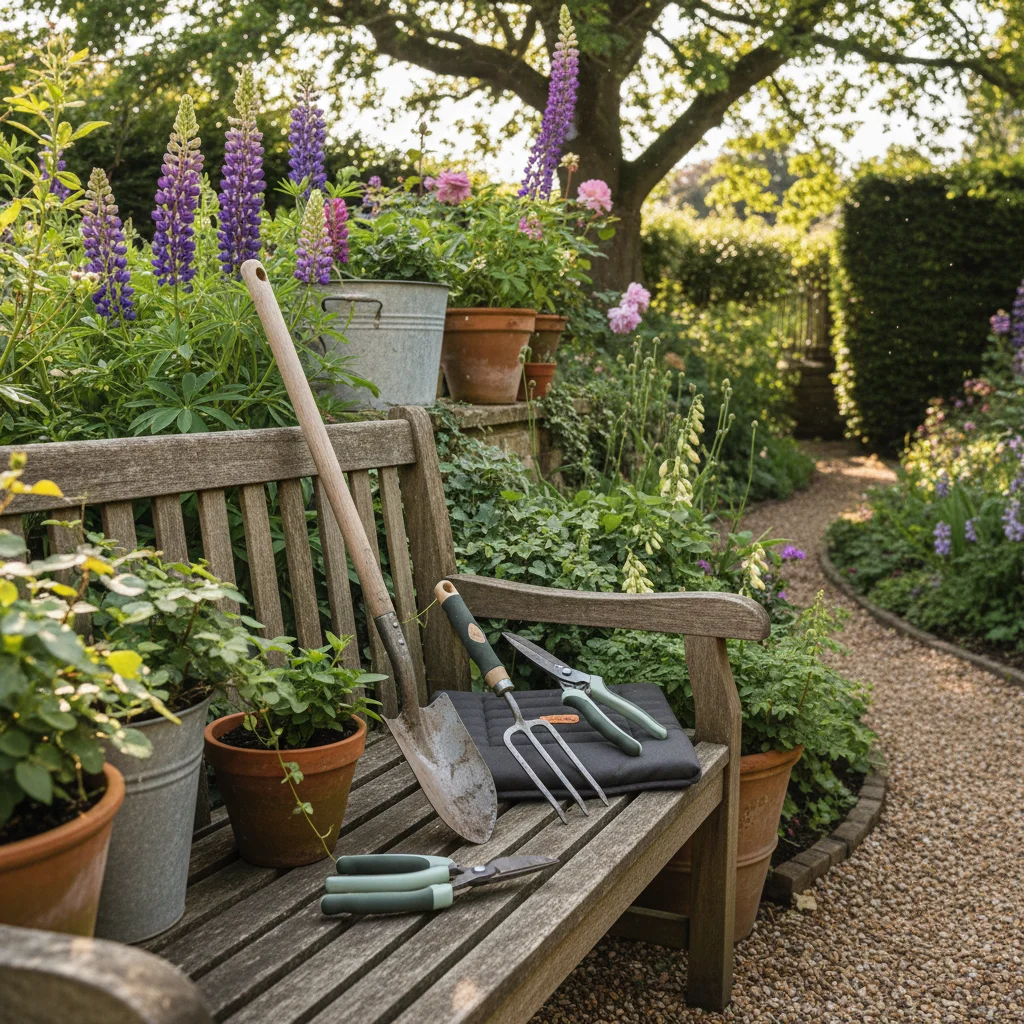
We have all felt that familiar, nagging ache in the lower back after a productive afternoon in the garden. For many of us, the transition from a weekend of weeding to a Monday morning of stiffness is an accepted part of the hobby. However, as someone who spent years as a head gardener, I can tell you that physical strain should not be the price of a beautiful border.
Gardening is a physical pursuit that involves repetitive motions, heavy lifting, and awkward angles. Over time, these actions can take a toll on our joints and spine, especially if we are dealing with heavy UK clay or stubborn perennial weeds. Ergonomic tools are designed specifically to work with the natural mechanics of your body rather than against them.
By choosing tools that offer better leverage and neutral wrist positions, we can extend our gardening years and improve our overall wellbeing. It is not just about managing existing pain; it is about preventing injury before it starts. Let's look at how the right equipment can transform your time on the plot.
How Ergonomic Tools Protect Your Body
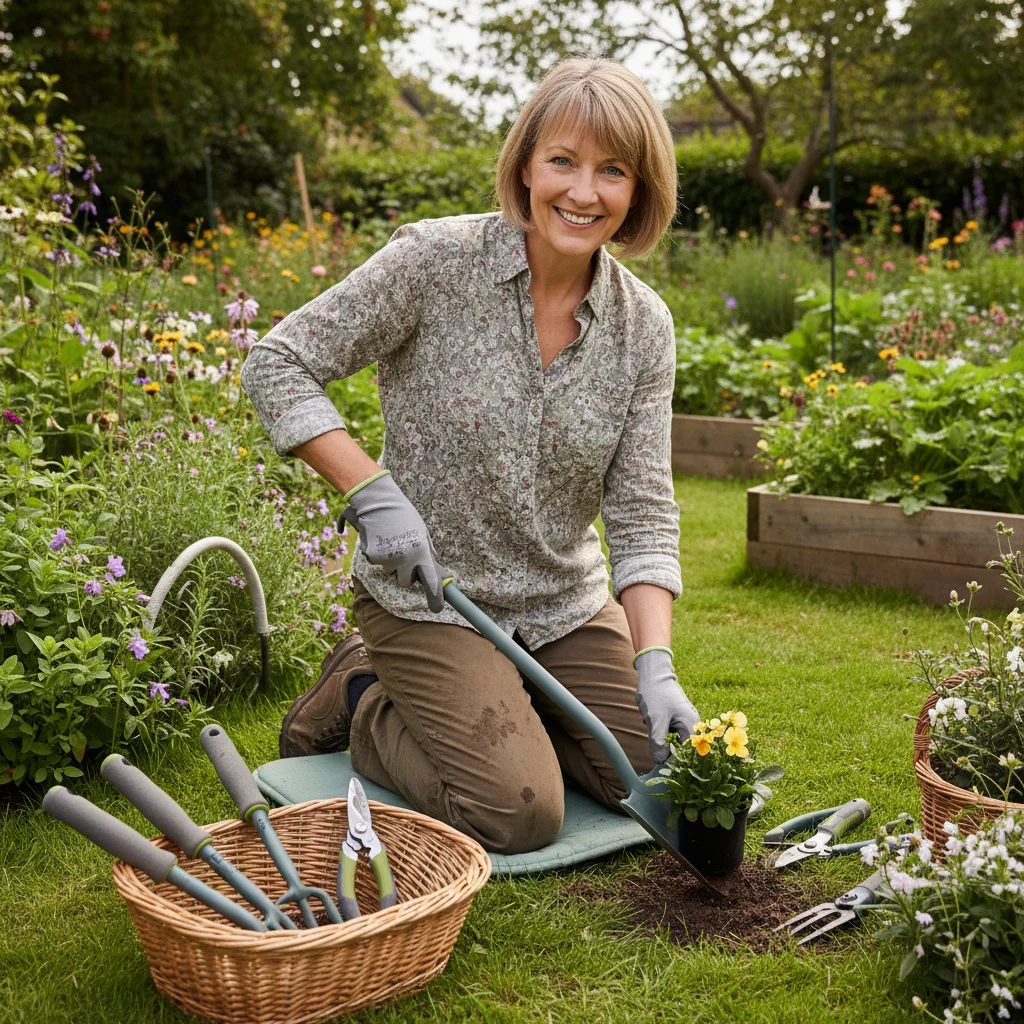
The science of ergonomics is essentially about efficiency and safety. In the garden, this means reducing the amount of force your muscles need to exert to complete a task. When you use a standard spade, for example, your back often acts as the primary lever, which puts immense pressure on your lumbar discs.
An ergonomic tool shifts that burden. It might use an angled shaft to keep your back straighter or a specially designed grip to prevent your wrist from cocking at an uncomfortable angle. These small design changes significantly reduce the risk of repetitive strain injury and tendonitis.
We should also consider the weight of the materials. While heavy-duty carbon steel has its place for breaking new ground, many modern ergonomic tools use lightweight aluminium or reinforced polymers. These materials are easier to maneuver for long periods without sacrificing the durability needed for British soil conditions.
Long Handled Tools for Better Posture
One of the most effective ways to save your back is to stop bending altogether. Long-handled trowels and forks allow you to tend to your flower beds while standing upright or sitting comfortably on a garden stool. This is particularly useful for those of us with limited mobility or chronic back issues.
When selecting long-handled tools, look for those with a "T-grip" or an "O-grip" at the end. These shapes allow you to use both hands comfortably, providing better control and distributing the weight across your shoulders rather than just your lower back. It makes tasks like light hoeing or bulb planting far less taxing.
I often recommend these tools for maintaining raised beds. Even though raised beds bring the soil higher, a standard hand trowel still requires a degree of leaning that can be avoided. A mid-length handle, around 40cm to 60cm, provides the perfect reach for most kitchen gardens and deep borders.
The Benefits of Ratchet Pruners
Pruning is one of the most repetitive tasks we perform, whether we are deadheading roses or thinning out a fruit tree. Standard secateurs require a single, strong squeeze to cut through a stem. For gardeners with arthritis or weakened grip strength, this can be both painful and difficult.
Ratchet pruners solve this by allowing you to cut in stages. You squeeze until you feel resistance, release slightly, and then squeeze again. The internal mechanism holds the progress, meaning you only need a fraction of the hand strength to cut through thick woody stems.
When shopping for pruners, look for models with a rotating handle. This feature allows the tool to move with your fingers as you squeeze, which prevents the friction that causes blisters. It also keeps your wrist in a neutral, straight position, reducing the strain on the carpal tunnel.
Making Digging Less Strenuous
Digging is arguably the most demanding job in the garden. Traditional spades require us to bend low to the ground and lift heavy clods of earth. Ergonomic spades often feature a curved or "kinked" shaft that reduces the need to lean forward, keeping your centre of gravity more stable.
The handle design is equally important. A wide D-grip handle allows you to use both hands to drive the spade into the soil, which is much more efficient than relying on one hand and a foot. This dual-handed approach uses the larger muscles in your legs and chest rather than the smaller, more vulnerable muscles in your back.
If you have heavy soil, consider a spade with a slightly pointed blade rather than a flat one. This reduces the surface area entering the ground, making it easier to slice through compacted earth or roots. It is a simple mechanical advantage that saves a surprising amount of energy over the course of an hour.
Tool Features to Look For
When you are browsing the garden centre or looking online, it can be hard to tell what is truly ergonomic and what is just clever marketing. There are a few specific features that genuinely make a difference to your comfort and safety.
- Soft touch grips which provide a non-slip surface and absorb some of the vibration from impact.
- Telescopic shafts that allow you to adjust the tool length to your specific height and reach.
- Angled heads on hoes and rakes that keep the tool flat on the ground while you stand upright.
- Enlarged grips for those who find it difficult to close their hand tightly around a thin handle.
- Lightweight alloys like tempered aluminium which offer strength without the heavy weight of traditional steel.
Investing in these features is a commitment to your long-term health. While ergonomic tools can sometimes carry a higher price tag, the cost is easily justified by the reduction in physical discomfort and the ability to stay active in the garden.
Seating and Kneeling Solutions
Sometimes the best tool isn't a spade or a pair of shears, but something that changes how you position yourself. Garden kneelers have come a long way from the simple foam pads of the past. Many now feature sturdy frames that help you lower yourself down and, more importantly, push yourself back up.
These frames often flip over to become a low stool, giving you a comfortable place to sit while pruning or harvesting. This versatility is essential for maintaining a healthy posture. Sitting rather than kneeling can take the pressure off your knees and prevent the "pins and needles" associated with restricted circulation.
For those with larger gardens, a wheeled garden stool can be a revelation. These allow you to scoot along a row of vegetables or a long border without having to stand up and move your seat every few minutes. They often include a storage tray underneath, keeping your hand tools within easy reach and reducing the need for twisting.
Watering Without the Weight
Watering a large garden in the height of a UK summer can be an exhausting chore. A full 10-litre watering can weighs 10kg, and carrying two of them across a lawn is a recipe for shoulder and back strain. Transitioning to a lightweight, expandable hose can make a world of difference.
These hoses are incredibly light when empty and shrink down to a fraction of their size for easy storage. Pair one with a long-reach watering wand. This allows you to water the base of your plants or reach hanging baskets without overextending your arms or bending down.
If you prefer using a watering can, look for "balanced" designs. These have a handle that runs from the front to the back, allowing you to shift your grip as the water level changes. This keeps the weight centered and makes the pouring motion much smoother and more controlled.
Small Habits to Protect Your Back
Even with the best tools in the world, how we use our bodies still matters. Incorporating a few simple habits into your gardening routine will help you get the most out of your ergonomic equipment and keep your joints supple.
- Warm up your muscles with a few gentle stretches before you start any heavy digging or lifting.
- Switch tasks every twenty minutes to avoid using the same muscle groups for too long.
- Keep your tools sharp because a dull blade requires significantly more force to cut or dig.
- Work close to your body instead of reaching out, which puts unnecessary leverage on your spine.
- Listen to your body and stop or take a break as soon as you feel a dull ache or sharp pain.
Maintaining your tools is also a sustainability issue. A well-made ergonomic tool, kept sharp and clean, will last a lifetime. This reduces the waste of replacing cheap, poorly designed tools every few seasons and ensures that your equipment is always performing at its most efficient.
Adapting Your Garden Design
Beyond tools, we can also look at how our garden layout contributes to physical strain. If you find that certain areas are becoming difficult to manage, it might be time to consider some structural changes. This is a proactive way to ensure your garden remains a place of joy.
Raised beds are the most obvious solution, as they bring the soil level up to a comfortable working height. However, even something as simple as widening your paths can help. Wide, flat paths allow for the use of a garden trolley or wheelbarrow, reducing the need to carry heavy bags of compost or mulch.
Consider moving your most high-maintenance plants into containers or closer to the house. Reducing the amount of "commute" time across the garden with heavy tools or water can save a lot of energy. A well-placed potting bench at the correct height can also prevent hours of hunched-over work.
Choosing Quality Over Quantity
When we talk about ergonomic tools, we are often talking about a higher level of craftsmanship. It is better to have three or four high-quality tools that fit your hand and body perfectly than a shed full of generic equipment that causes you discomfort.
Look for brands that offer long warranties, as this is usually a sign of durable construction. Stainless steel is often preferred for its rust resistance and the way it glides through the soil with less friction. While it requires a bit more of an initial investment, the ease of use makes it worthwhile.
Remember to test tools in person whenever possible. Grip the handles, check the weight, and simulate the motion you will be using in the garden. What feels comfortable for one person may not work for another, as our height and hand size vary greatly.
Final Steps for a Pain Free Garden
Taking care of your back doesn't mean you have to stop gardening; it simply means gardening smarter. By integrating ergonomic tools into your routine, you are protecting your mobility and ensuring that you can continue to enjoy your outdoor space for many years to come.
Start by identifying the one task that causes you the most discomfort and look for an ergonomic alternative for that specific job. Whether it is a ratchet pruner for your roses or a long-handled fork for your borders, you will notice the difference in how you feel the next morning. Your garden should be a source of health and happiness, not a cause of physical distress.