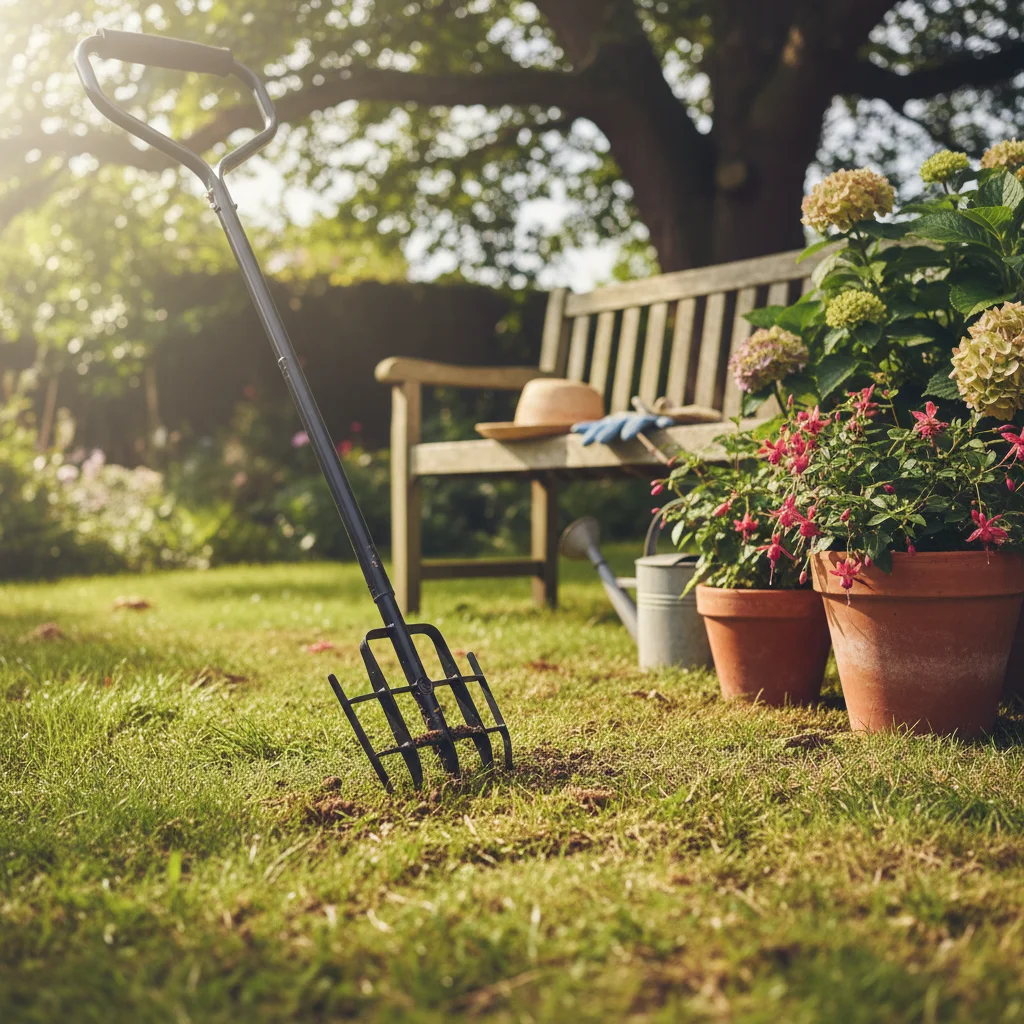
Most gardeners spend a great deal of time focusing on what happens above the surface of their lawn. We mow, we edge, and we check for weeds, yet the real secret to a resilient, lush green carpet lies entirely beneath our feet. If your grass looks tired or struggles to grow despite regular feeding, the problem is almost certainly soil compaction.
When the soil becomes packed too tightly, the tiny pockets of air that usually sit between soil particles disappear. This prevents oxygen, water, and essential nutrients from reaching the root zone, effectively suffocating your grass. Aeration is the process of creating holes in the soil to alleviate this pressure, allowing your lawn to breathe and thrive once again.
In my years as a head gardener, I have seen many lawns transformed simply by addressing the structure of the soil. It is perhaps the most overlooked task in the UK gardening calendar, yet it provides the foundation for everything else you do. Without proper aeration, even the highest quality fertilisers will sit on the surface, unable to reach the roots where they are needed most.
Understanding why your lawn needs to breathe
The biology of your soil is far more complex than it might appear at first glance. Healthy soil is a living ecosystem filled with beneficial bacteria, fungi, and earthworms that break down organic matter into nutrients. These organisms are aerobic, meaning they require oxygen to survive and perform their vital roles in the nitrogen cycle.
When soil is compacted by heavy foot traffic, garden furniture, or even the weight of winter snow, those oxygen levels plummet. This creates an anaerobic environment where "bad" bacteria thrive, often leading to issues like moss and fungal diseases. By aerating, you are reintroducing life-giving oxygen into this subterranean world, which in turn encourages stronger, deeper root growth.
Deep roots are the primary defence against the unpredictable UK weather. A lawn with a deep root system can tap into moisture reserves during a dry July and will be much less likely to suffer from waterlogging during a wet November. Aeration is not just about aesthetics; it is about building a sustainable and resilient garden environment.
Signs of soil compaction in your garden
It isn't always obvious when a lawn is compacted, especially if the grass still looks relatively green. However, there are several key indicators that the soil structure has broken down and needs intervention. If you notice any of the following symptoms, it is time to consider getting your tools out of the shed.
- Water sits on the surface in puddles long after the rain has stopped.
- The ground feels incredibly hard underfoot and is difficult to pierce with a garden fork.
- The grass looks thin or patchy in areas where people frequently walk or play.
- You notice an increase in moss growth, which thrives in damp, compacted conditions.
- The soil has a high clay content, which naturally binds together and resists drainage.
If you are unsure, you can perform a simple "screwdriver test" to check the state of your soil. Try to push a standard screwdriver into the lawn when the soil is slightly moist; if it meets significant resistance and is difficult to push in more than a few centimetres, your lawn is compacted. This is a clear signal that the roots are struggling to find the space they need to expand.
Choosing the right time for aeration
Timing is everything when it comes to mechanical lawn care. You should never aerate when the ground is frozen or during a summer heatwave, as both extremes will cause undue stress to the grass. The goal is to aerate when the grass is in its most active growth phase so that it can recover quickly from the disruption.
In the UK, the two primary windows for aeration are spring and autumn. I personally prefer an autumn treatment, usually around September or October, as the soil is still warm from the summer but the autumn rains provide the necessary moisture. This allows the roots to grow into the new spaces over the winter months without the pressure of high temperatures.
Spring aeration, typically in late March or April, is also effective if you missed the autumn window. However, you must ensure that you wait until the risk of heavy frost has passed. Aerating just before you apply a spring fertiliser can be particularly beneficial, as the nutrients will wash directly down into the root zone through the newly created channels.
The difference between spiking and hollow tining
There are two main methods of aeration, and choosing the right one depends on the severity of your soil issues. Solid tining, often called spiking, involves pushing solid metal spikes into the ground. This is an excellent maintenance task for lighter soils or for areas that only have mild compaction, as it creates paths for water and air without making too much of a mess.
Hollow tining is a more intensive process where a tool removes small plugs, or "cores," of soil from the lawn. This is the gold standard for heavy clay soils or severely compacted areas because it actually removes physical mass from the ground. By taking the soil out, you create genuine space for the surrounding earth to relax and expand into, which provides much longer-lasting relief.
If you have a typical UK garden with a fair amount of clay, I would always recommend hollow tining every two to three years. While it looks a bit more dramatic—leaving small "sausages" of soil on the surface—the results are far superior to simple spiking. It is the most effective way to permanently improve the structure of your soil and prevent the return of moss and waterlogging.
Selecting your aeration tools
For a small to medium-sized garden, a simple garden fork can be used for spiking, though it is hard work on the arms and back. You simply push the fork into the soil to a depth of about 10 to 15 centimetres and wiggle it slightly to open the hole. However, if you want to do the job properly, I recommend investing in a dedicated manual hollow tine tool.
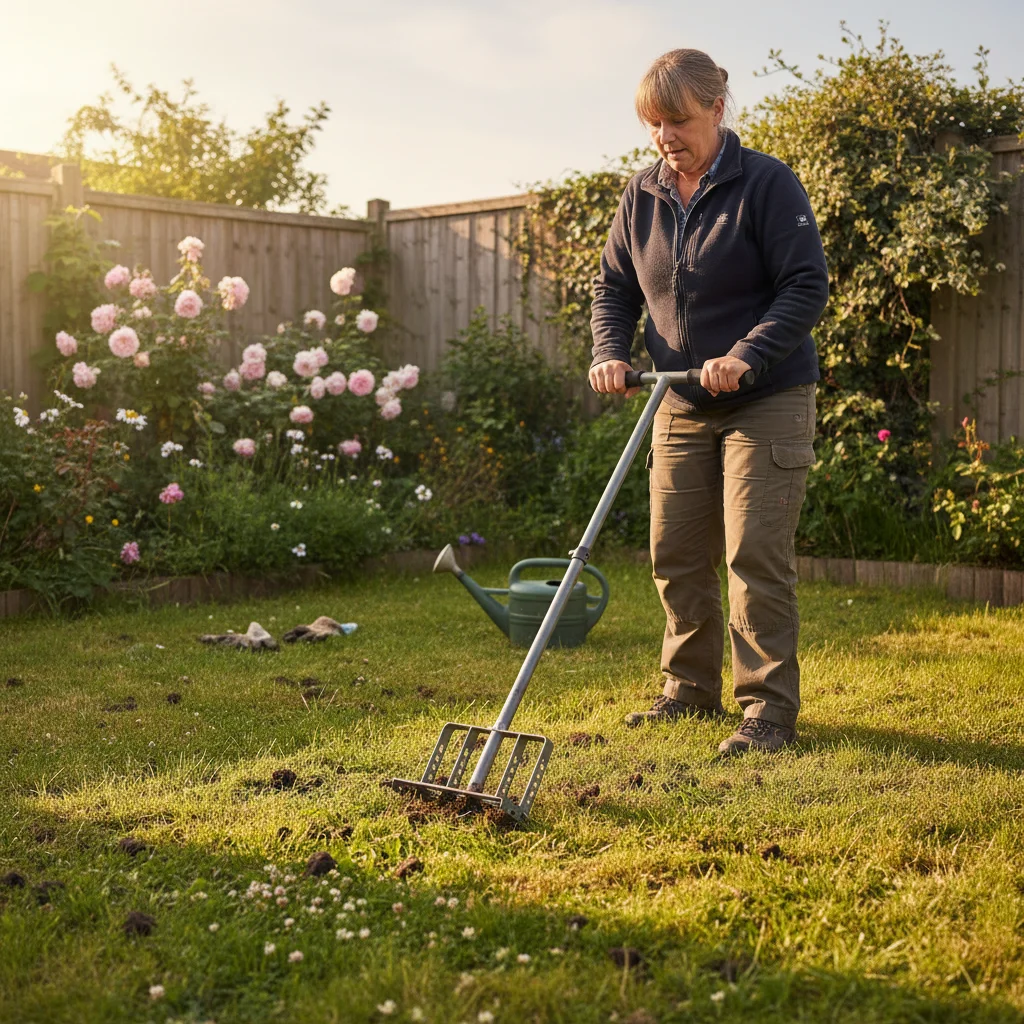
These tools usually feature two or three hollow tubes and a foot bar, allowing you to use your body weight to drive them into the turf. They are relatively inexpensive and will last a lifetime if cleaned and oiled after use. For those with very large lawns, manual work becomes impractical, and this is where a petrol-powered aerator comes into its own.
You can easily hire a mechanical aerator from most local tool hire shops for a weekend. These machines are heavy, but they make light work of large areas, pulling hundreds of cores in a fraction of the time it would take by hand. If you are sharing the cost with a neighbour, it is a very efficient way to ensure your entire street has healthy, well-drained gardens.
How to aerate your lawn like a professional
Before you begin, ensure your lawn is prepared for the process. Mow the grass a little shorter than usual and clear away any debris or fallen leaves. It is also vital that the soil is moist; if the ground is bone dry, the tines will struggle to penetrate, and if it is soaking wet, you risk smearing the soil and making the compaction worse.
Start at one end of the lawn and work your way across in straight lines, much like you would when mowing. Aim for a spacing of about 10 to 15 centimetres between each hole. If you are using a manual tool, try to maintain a consistent depth of at least 10 centimetres to ensure you are reaching the actual root zone rather than just the surface thatch.
If you have used a hollow tine aerator, you will be left with soil cores scattered across the grass. You can either leave these to break down naturally, which returns nutrients to the lawn, or rake them up and add them to your compost heap if you find them unsightly. Personally, I prefer to rake them up if the soil is heavy clay, as this allows me to replace that space with a better-quality top dressing.
What to do after aerating
Aeration opens up the perfect opportunity to perform other essential maintenance tasks. Because you have created direct channels to the roots, any treatments you apply now will be significantly more effective. This is the time to be proactive and set your lawn up for the coming season.
- Apply a top dressing of sharp sand and loam to fill the holes and improve long-term drainage.
- Overseed any thin or bare patches while the soil is exposed and receptive.
- Apply a high-quality, organic lawn feed to support new root development.
- Brush the materials into the holes using a stiff garden broom to ensure they settle deep down.
Top dressing is particularly important after hollow tining. By filling those holes with a free-draining mix, you ensure that the channels stay open for years to come. I usually recommend a mix of 70% sharp sand and 30% good quality topsoil or compost. This creates a permanent network of drainage "pipes" throughout your lawn that will keep the soil aerated long after the initial work is done.
Improving long term soil health
While mechanical aeration is a fantastic "reset button" for your lawn, we should also think about how to maintain soil health sustainably. Encouraging natural aerators, like earthworms, is one of the best things you can do. Avoid using harsh chemical pesticides or high-salt synthetic fertilisers, as these can drive away or kill the very organisms that keep your soil structure open.
Adding organic matter through top dressing or using a mulching mower also helps. A mulching mower shreds grass clippings into tiny pieces that fall between the blades and decompose quickly. This organic matter feeds the soil microbes, which in turn create a more crumbly, "friable" soil texture that is naturally resistant to compaction.
Remember that gardening is a marathon, not a sprint. You don't need to aerate every single month; in fact, doing so would be counterproductive. By observing your lawn and acting when the signs of compaction appear, you are working with nature rather than against it. This methodical approach leads to a garden that isn't just beautiful to look at, but is fundamentally healthy from the roots up.
By taking the time to aerate this season, you are investing in the long-term vitality of your outdoor space. You will find that your grass stays greener for longer, moss becomes less of a recurring headache, and your lawn becomes a much more pleasant place for your family to enjoy. Once the soil can breathe, the rest of your lawn care routine will become easier and far more rewarding.