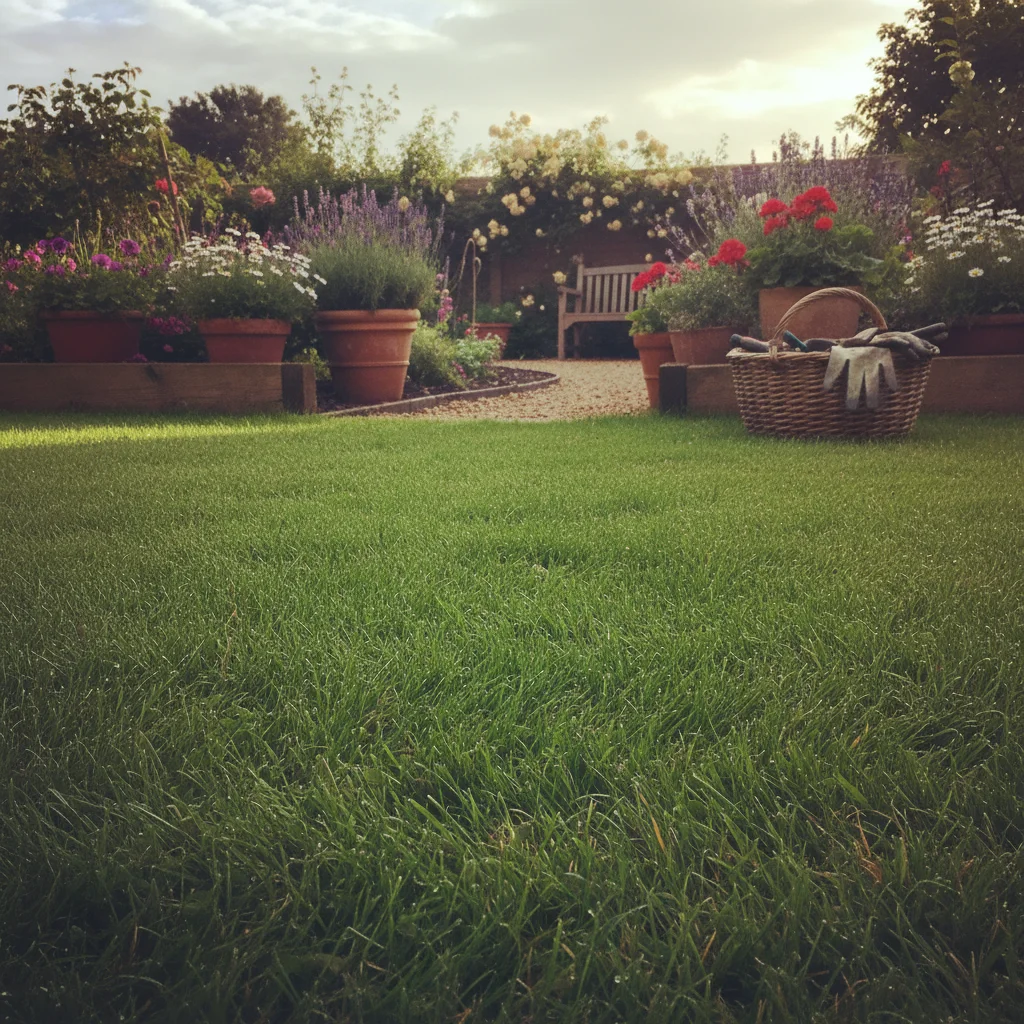
There is a particular kind of frustration that comes with looking out over a freshly mown lawn only to see the yellow heads of dandelions or the creeping stems of clover taking over. We all want that thick, velvet-like carpet of green, but in our damp UK climate, weeds are often more than happy to make themselves at home. Over my years as a head gardener, I’ve learned that a weed-free lawn isn't about finding a miracle cure; it’s about understanding the ecosystem of your soil.
Weeds are opportunists. They move in when your grass is stressed, whether that’s from drought, poor nutrition, or soil that has become as hard as a motorway. If we want to move toward a healthier, more resilient lawn, we have to stop seeing weeds as the enemy and start seeing them as messengers. They are telling us exactly what our soil is lacking, and once we listen, we can transform the garden for good.
In this guide, I want to walk you through the methodical approach I use to clear lawns and keep them clear. We will look at how to identify the culprits, the most effective ways to remove them without damaging the environment, and how to use modern herbicides responsibly when manual methods aren't enough.
Understand Why Weeds Love Your Lawn
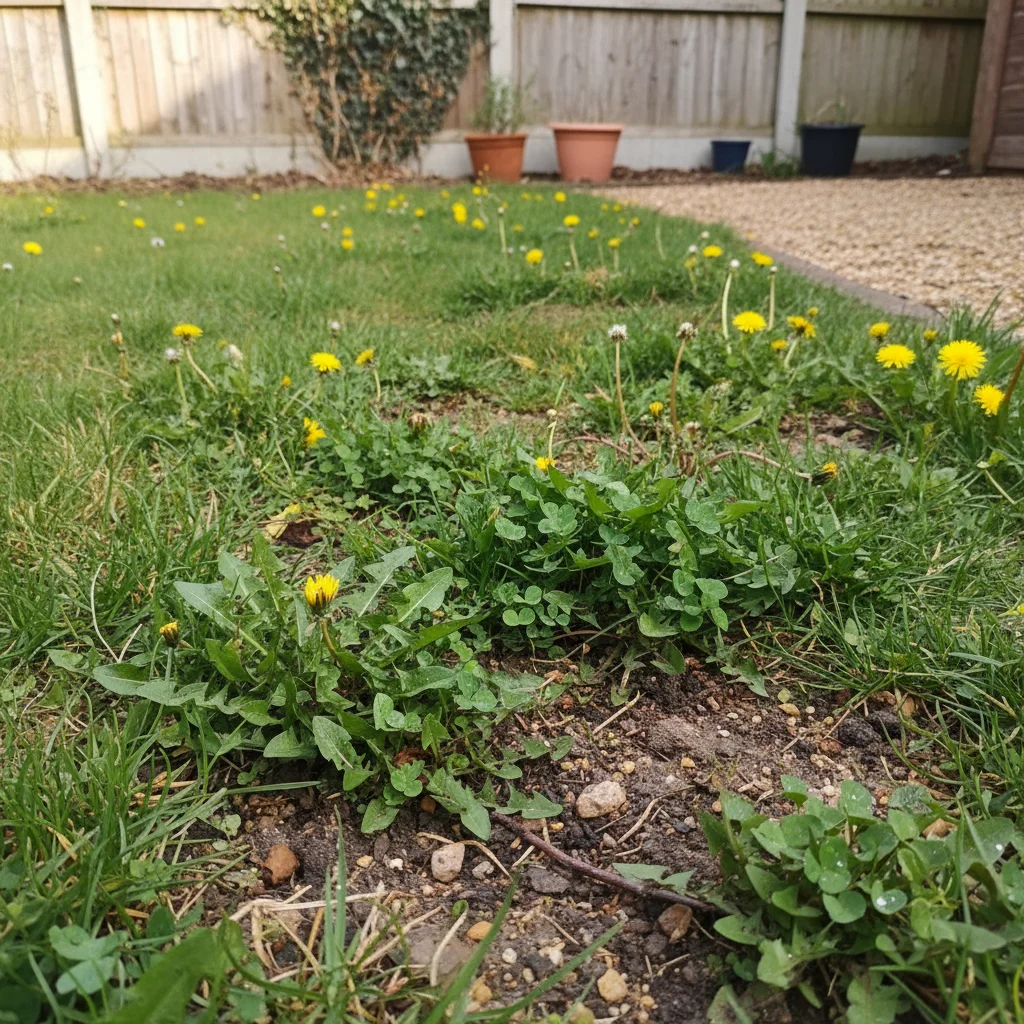
Before you reach for a trowel or a bottle of spray, it is vital to understand why the weeds are there in the first place. Most common lawn weeds thrive in conditions where grass struggles. For example, if your lawn is shaded by large trees or fences, the grass thins out, leaving bare soil that is the perfect landing pad for wind-blown seeds.
Compaction is another major factor in the UK, especially with our heavy clay soils. When we walk on the lawn or play football on it while the ground is wet, we squeeze the air out of the soil. Grass roots need oxygen to breathe and grow deep, but weeds like plantain have evolved to thrive in these suffocating, hard-packed conditions.
Soil pH also plays a quiet but significant role. Most lawn grasses prefer a slightly acidic to neutral pH, around 6.0 to 7.0. If your soil becomes too acidic, you might notice moss and woodrush taking over. Conversely, highly alkaline soils can encourage different invaders. A simple soil test kit can tell you a lot about why your grass is losing the battle.
Finally, we must look at our mowing habits. One of the most common mistakes I see gardeners make is "scalping" the lawn. By cutting the grass too short, you weaken the plants and allow sunlight to reach the soil surface, which triggers weed seeds to germinate. Keeping your mower blades a little higher can be the simplest way to shade out the competition.
Identify the Most Common UK Lawn Weeds
To treat a problem, you first have to name it. Different weeds require different strategies; a dandelion with its deep taproot needs a completely different approach to the creeping stems of slender speedwell. Knowing what you are looking at will save you hours of wasted effort and ensure you use the right tools for the job.
Here are the most frequent visitors we see in British gardens:
- Dandelions: Recognisable by their bright yellow flowers and deep, thick taproots that can reach 30cm into the earth.
- White Clover: A creeping perennial that indicates low nitrogen levels in your soil.
- Daisies: These form tight rosettes that can survive even the lowest mower settings.
- Creeping Buttercup: A sign of poor drainage or heavy, wet soil that needs aeration.
- Broadleaf Plantain: Large, ribbed leaves that hug the ground, usually found in high-traffic, compacted areas.
- Slender Speedwell: A difficult-to-control weed with tiny blue flowers that spreads through tiny fragments left behind by mowing.
Once you have identified your invaders, you can decide on the best course of action. If you only have a few dandelions, a dedicated weeding tool is often more effective than a blanket chemical treatment. However, if your lawn is more clover than grass, we need to look at nutrition and perhaps a more robust intervention.
The Sustainable Way to Manage Lawn Weeds
I always advocate for a "culture first" approach. This means making your lawn so healthy that weeds simply don't have the space to grow. The most powerful tool in your shed isn't a chemical spray; it’s a garden fork or a hollow-tine aerator. By punching holes into the lawn, you allow air, water, and nutrients to reach the root zone, which encourages the grass to thicken up naturally.
Scarifying is another essential task for a clean lawn. Over time, a layer of dead grass and moss, known as thatch, builds up on the soil surface. This thatch acts like a sponge, preventing water from reaching the roots and providing a perfect nursery for weed seeds. Using a spring-tine rake or a powered scarifier in the autumn or spring will clear this debris and let your lawn breathe.
Feeding your lawn is also a form of weed control. We use the term NPK to describe fertilisers, which stands for Nitrogen (for green growth), Phosphorus (for root health), and Potassium (for overall hardiness). A well-fed lawn grows densely, creating a canopy that prevents weeds from establishing. I recommend using a slow-release organic fertiliser that feeds the soil microbes as well as the plants.
We should also talk about the "No Mow May" movement and the value of some weeds. While a pristine lawn is a joy, allowing a small area of your garden to grow wild can support local pollinators. If you can tolerate a few daisies or some clover, you are providing a vital food source for bees. It’s all about finding the balance that works for your specific garden goals.
Master the Art of Selective Herbicide Application
Sometimes, despite our best efforts with raking and feeding, the weeds get the upper hand. This is where herbicides come in. In the UK, we have strict regulations on what can be used, which is a good thing for our water systems and wildlife. When you go to the garden centre, you are looking for a "selective" herbicide, which is designed to kill broadleaf weeds without harming the grass.
These chemicals work by mimicking plant growth hormones. They essentially cause the weed to grow so fast and uncontrollably that it collapses and dies. Because grass is a monocot (a different botanical family), it is unaffected by these specific hormones. For the best results, you should apply these treatments when the weeds are actively growing, usually between April and September.
Avoid "weed and feed" products that you spread over the entire lawn if you only have a few problem areas. These products often lead to over-application of chemicals and can be wasteful. Instead, I prefer spot-treating. Using a small pressure sprayer or a ready-to-use trigger spray allows you to target the individual weed without affecting the surrounding grass or the soil health of the whole lawn.
Timing is everything when using herbicides. Never apply them on a windy day, as the spray can drift onto your prized roses or vegetable patch. You also need to check the weather forecast; most treatments need at least six hours of dry weather to be absorbed by the leaf. If it rains too soon, the chemical simply washes away into the soil, doing more harm than good.
Repairing Your Lawn After Weed Removal
One mistake many gardeners make is thinking the job is done once the weed has withered away. If you remove a large dandelion or kill off a patch of clover, you are left with a bare patch of soil. If you leave that soil empty, the next weed seed that blows in will be more than happy to take up residence. You must fill that gap as quickly as possible.
The process of repairing these gaps is called overseeding. After removing the weed, lightly rake the surface of the bare patch to break up the soil. Mix some high-quality lawn seed with a bit of peat-free compost or top-dressing and spread it over the area. Firm it down with your hand or foot to ensure good seed-to-soil contact, and keep it watered if the weather is dry.
Choosing the right seed is just as important as the repair itself. If your lawn is under a tree, look for a "shade-tolerant" mix containing fescues. If it’s a high-traffic area where the kids play, a mix with perennial ryegrass will be much tougher. Matching the seed to your specific conditions ensures that the new grass will be strong enough to keep future weeds at bay.
I also recommend a light top-dressing across the whole lawn once a year. This involves spreading a thin layer of sand and compost mix over the grass. It levels out minor bumps, improves the soil structure, and helps to bury any remaining weed seeds so deep that they cannot germinate. It’s a professional secret that makes a huge difference to the finished look of a lawn.
Prevent Weeds Returning Throughout the Year
Consistency is the secret to a beautiful lawn. It is much easier to spend ten minutes a week pulling out a few stray seedlings than it is to spend a whole weekend trying to reclaim a lawn that has been lost to the weeds. Establishing a simple seasonal routine will keep your grass in top condition and your stress levels low.
Maintaining a healthy lawn is a marathon, not a sprint. By following a few simple steps each season, you ensure the grass stays dominant and the weeds stay away.
- Aerate in autumn to prevent winter waterlogging and compaction.
- Scarify in spring to remove thatch and encourage new growth.
- Apply a high-nitrogen feed in spring and a potassium-rich feed in autumn.
- Overseed bare patches immediately to prevent weed colonisation.
- Raise mower blades during dry spells to protect the grass roots.
- Spot treat individual weeds as soon as they appear in the spring.
By taking this proactive approach, you are working with nature rather than against it. A healthy, thick lawn is the best weed defence you can have. When the grass is vigorous, it naturally outcompetes the invaders, leaving you with more time to actually enjoy your garden rather than constantly working in it.
The reward for this methodical care is a lawn that feels wonderful underfoot and looks magnificent throughout the year. Remember that gardening is a process of observation and adjustment. Pay attention to what your lawn is telling you, give it the air and nutrients it needs, and you will find that those persistent weeds eventually become a thing of the past. Start by checking your soil compaction today, and you'll be well on your way to a pristine, green space.