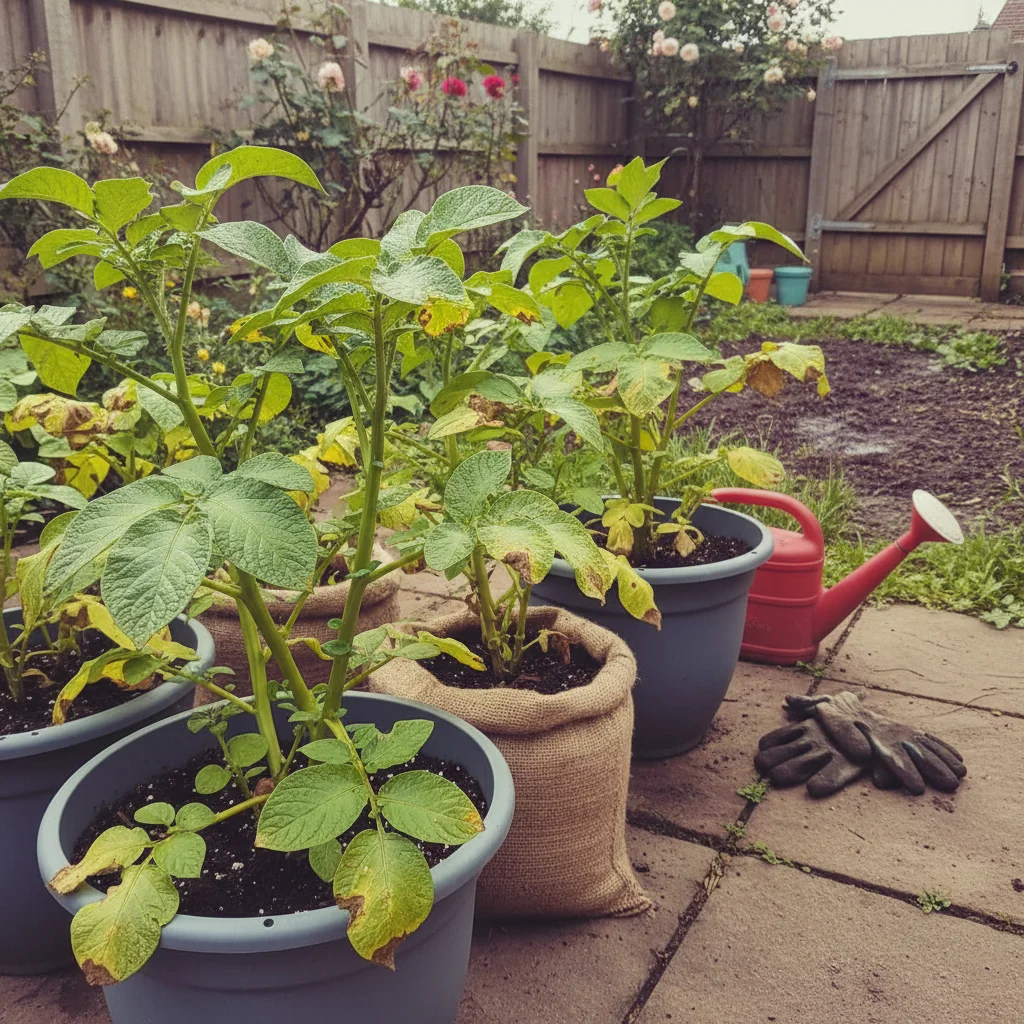
Potato blight is the bane of many a gardener's existence, especially here in the UK where our damp summers provide the perfect breeding ground for this devastating disease. The good news is, with a little knowledge and preventative action, you can significantly reduce the risk of blight ruining your potato crop and still enjoy a healthy harvest. This guide will walk you through identifying blight, implementing preventative measures, and treating it organically, so you can save your spuds this year.
Spotting the Signs of Potato Blight
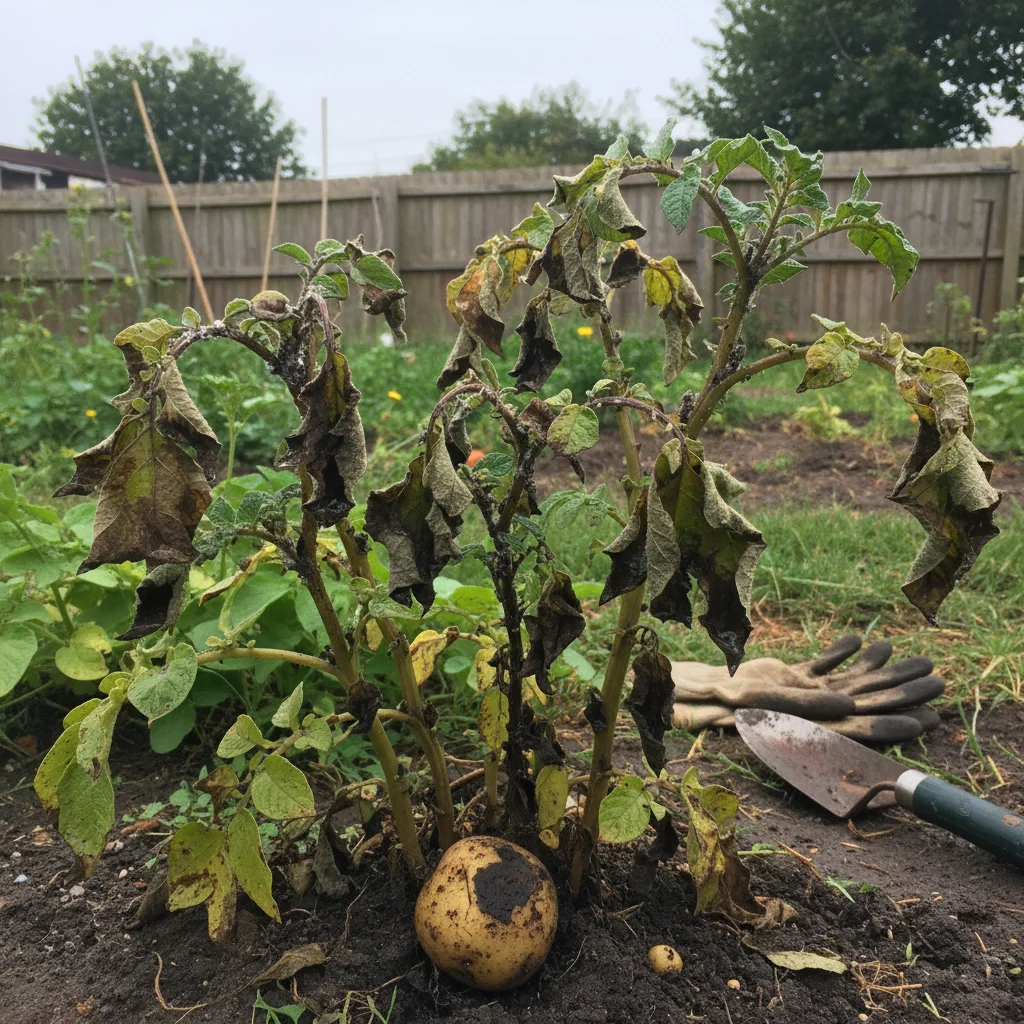
Early detection is key to managing potato blight. The sooner you identify the problem, the better your chances of saving at least some of your crop. Keep a close eye on your plants, especially during warm, humid weather.
The first signs usually appear on the leaves as small, brown blotches, often surrounded by a pale green or yellow halo. These blotches will quickly expand, and in damp conditions, you'll notice a white, cottony growth on the undersides of the leaves. This is the sporulation of the blight fungus, Phytophthora infestans, and it's a sure sign that the disease is active.
Blight doesn't just affect the leaves; it can also attack the stems, causing dark brown lesions. If left unchecked, the blight will spread to the tubers, resulting in reddish-brown, sunken patches on the skin and a reddish-brown rot beneath. Infected tubers will quickly deteriorate in storage, so it's crucial to identify and remove them before they contaminate the rest of your harvest.
Prevention is Better Than Cure
As with most garden pests and diseases, prevention is always the best approach. By taking a few simple steps, you can significantly reduce the risk of potato blight affecting your crop.
- Choose blight-resistant varieties: Opt for potato varieties that are known to have good resistance to blight. Some popular choices for UK gardens include 'Sarpo Mira', 'Carolus', and 'Lady Balfour'.
- Plant certified seed potatoes: Always use certified seed potatoes from a reputable supplier. These are guaranteed to be disease-free, giving your plants the best possible start.
- Improve air circulation: Plant your potatoes with adequate spacing between rows and plants to allow for good air circulation. This will help to reduce humidity and create a less favourable environment for blight to develop.
- Earth up your potatoes regularly: Earthing up, also known as "hilling," involves drawing soil up around the base of the potato plants as they grow. This helps to protect the developing tubers from blight spores in the soil.
- Water carefully: Avoid overhead watering, as this can create a humid environment that encourages blight. Instead, water at the base of the plants, or use a drip irrigation system.
- Practice crop rotation: Don't plant potatoes in the same location year after year. Crop rotation helps to prevent the build-up of blight spores in the soil.
Organic Treatment Options for Potato Blight
If you spot signs of blight on your potato plants, don't despair! There are several organic treatment options that can help to slow the spread of the disease and protect your remaining crop.
- Remove infected foliage immediately: As soon as you see any signs of blight, carefully remove the affected leaves and stems. Dispose of them properly – don't compost them, as this could spread the disease. Burn them or send them away with your green waste collection.
- Copper-based fungicides: Copper fungicides are an approved organic treatment for potato blight. These work by preventing the blight spores from germinating. Apply the fungicide according to the manufacturer's instructions, ensuring that you cover all parts of the plant, including the undersides of the leaves. Remember that copper-based treatments are preventative, so they are most effective when applied before blight appears or at the very first sign of infection.
- Homemade blight spray: Some gardeners have success with homemade blight sprays, such as a solution of baking soda and water. While these sprays may not be as effective as copper fungicides, they can help to slow the spread of the disease and are a good option if you prefer to avoid using any chemical treatments.
- Improve plant health: Healthy plants are better able to resist disease. Make sure your potatoes are getting enough sunlight, water, and nutrients. Apply a balanced organic fertiliser (look for a good NPK ratio – nitrogen, phosphorus, and potassium – to support overall growth) to give your plants a boost. Also ensure the soil is well-drained, adding organic matter like compost to improve its structure. Poor drainage will weaken plants and make them more susceptible to blight.
Making a Baking Soda Spray
To make a baking soda spray, mix 1 teaspoon of baking soda with 1 litre of water. You can also add a few drops of liquid soap to help the solution stick to the leaves. Spray the plants thoroughly, making sure to cover all surfaces. Reapply the spray every 7-10 days, or after heavy rain.
Harvesting and Storing Your Potatoes
Even if your potato plants have been affected by blight, you may still be able to salvage some of your harvest.
Wait until the foliage has completely died back before harvesting your potatoes. This will allow the skins to harden, making them less susceptible to rot. Carefully dig up the tubers, discarding any that show signs of blight.
Store your healthy potatoes in a cool, dark, and well-ventilated place. A traditional potato clamp is ideal, but a hessian sack in a shed or garage will also work. Check your stored potatoes regularly and remove any that show signs of rot to prevent the disease from spreading.
By taking these steps, you can minimise the impact of potato blight and still enjoy a delicious harvest of home-grown spuds. Don't let blight deter you from growing potatoes—with a bit of vigilance and the right strategies, you can successfully navigate this common gardening challenge and enjoy the fruits (or rather, tubers) of your labour.