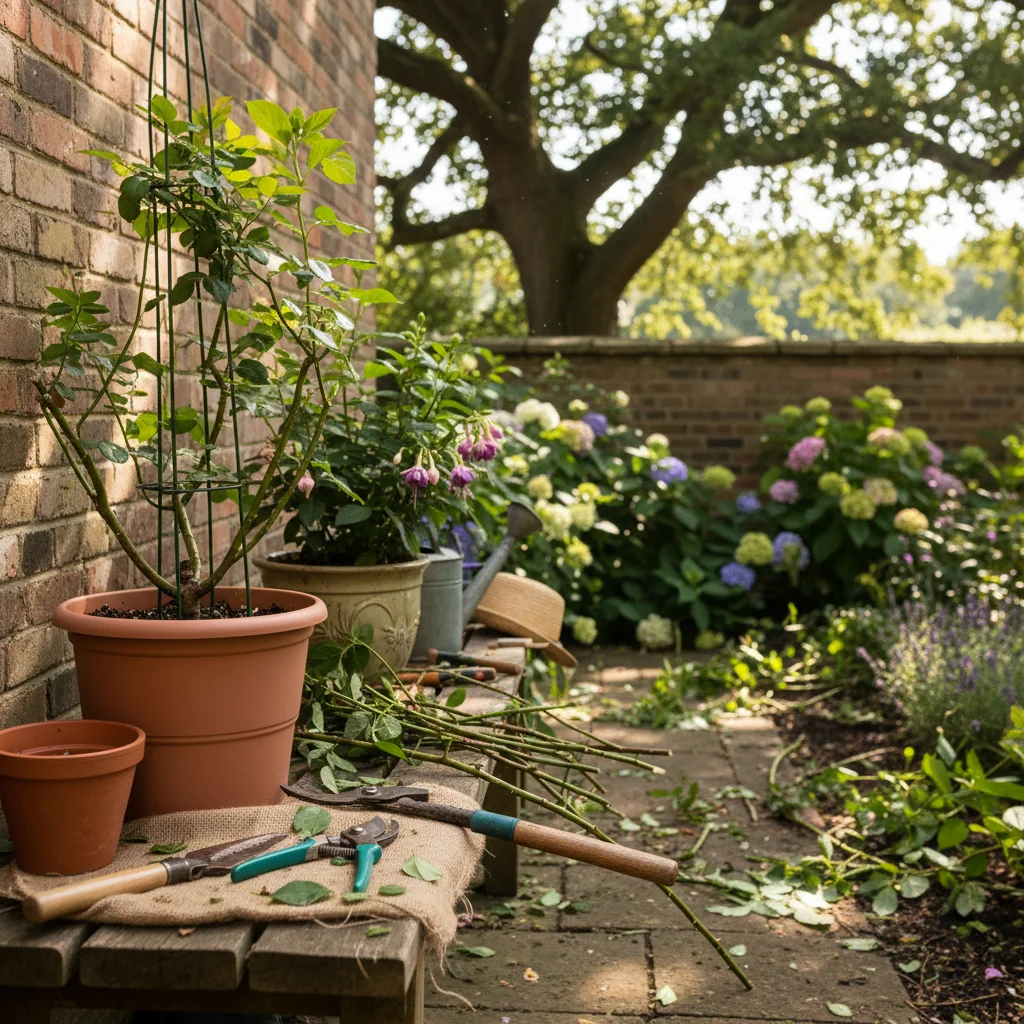
Pruning is one of the most rewarding tasks in the garden, yet it is often the one that causes the most anxiety for beginners. We often think of it as a chore to keep things tidy, but in reality, pruning is a form of plant healthcare. When we remove dead, diseased, or crossing branches, we allow the plant to focus its energy on new growth and better fruit or flower production.
To do this effectively, you need more than just a sharp eye; you need the correct tools for the job. Using the wrong tool doesn't just make your work harder; it can actively harm your plants. A blunt blade or an inappropriate mechanism can crush delicate stems, leaving ragged wounds that invite fungal infections and pests. By investing in a few high-quality items and learning how to use them, you can ensure every cut you make helps your garden thrive.
Selecting the right equipment involves understanding the thickness of the wood you are cutting and the specific needs of the plant. Whether you are deadheading roses, thinning out an overgrown apple tree, or shaping a beech hedge, there is a specific tool designed to make that task safer for you and better for the plant. Let’s look at how to build a toolkit that will last a lifetime.
Master the Basics with the Right Secateurs
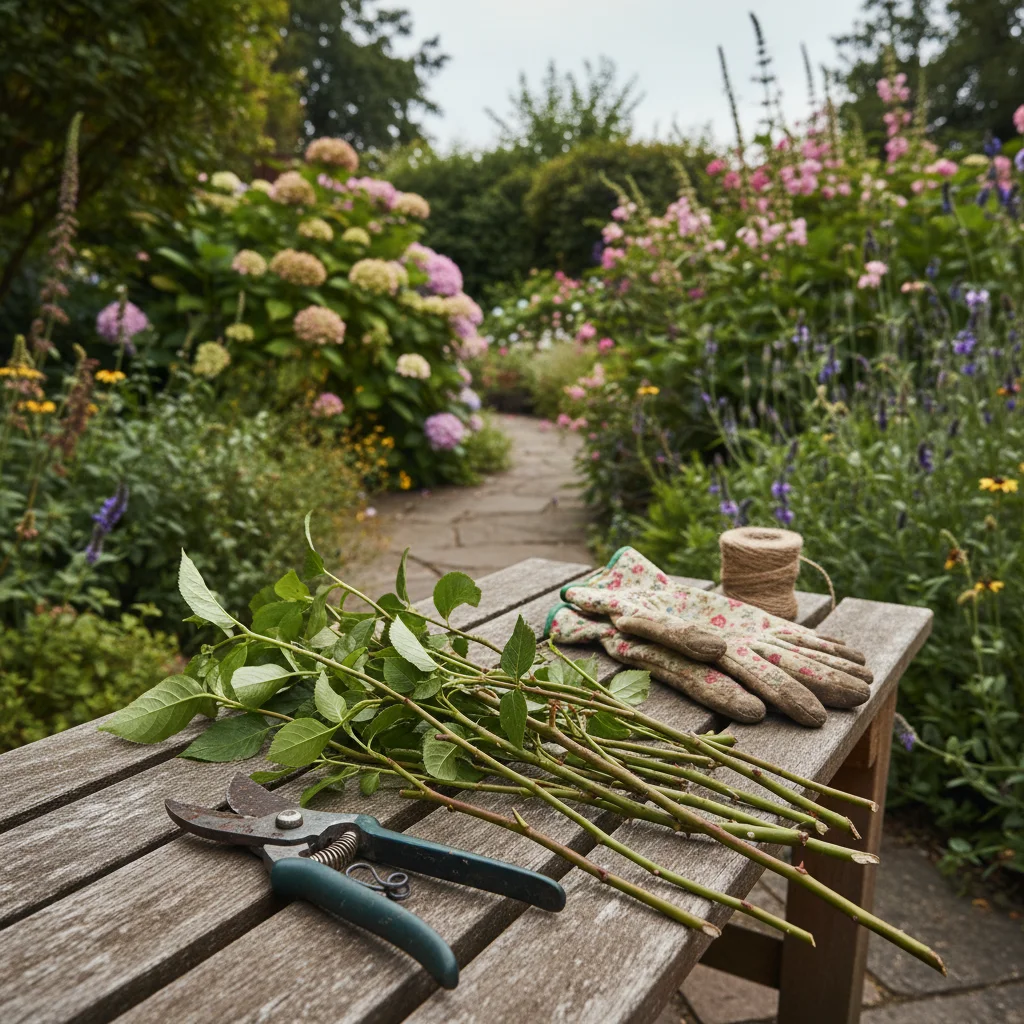
Secateurs are the most frequently used tool in any gardener's holster. They are designed for one-handed use and are perfect for stems up to about the thickness of your little finger, or roughly 1.5cm to 2cm. Because they are used so often, ergonomics and blade type are the two most important factors to consider before you buy.
There are two main types of secateurs: bypass and anvil. Bypass secateurs work like a pair of scissors, with two blades passing each other to make a clean, precise cut. These are the gold standard for live wood because they don't crush the delicate cambium layer—the living tissue just under the bark that transports water and nutrients. For roses, shrubs, and general herbaceous pruning, bypass secateurs are always the best choice.
Anvil secateurs, on the other hand, have a single sharpened blade that closes down onto a flat metal or plastic block. Think of it like a knife on a chopping board. These are much more likely to crush green stems, so we generally reserve them for cutting through dead, brittle wood where precision is less important than raw crushing power. If you are clearing out old, dry brambles or dead twigs, an anvil pair will save your bypass blades from unnecessary wear.
When you are choosing a pair, pay attention to the weight and the grip. Many high-end brands offer different sizes for smaller or larger hands, and some even feature rotating handles that reduce the strain on your wrist during long pruning sessions. A good pair of secateurs should feel like an extension of your hand, allowing you to work for an hour or more without feeling the pinch in your palm or fatigue in your forearm.
Increase Your Reach with Quality Loppers
Once a branch becomes too thick for secateurs—usually anything over 2cm—you should reach for your loppers. Attempting to force secateurs through a thick branch will likely result in a jagged cut and may even bend the tool's pivot pin. Loppers use long handles to provide leverage, making it much easier to cut through branches up to 5cm in diameter.
Like secateurs, loppers come in bypass and anvil varieties. Bypass loppers are excellent for thinning out fruit trees or reducing the size of a vigorous shrub like a Buddleja. The long handles allow you to reach into the centre of a thorny bush without getting scratched, and the extra leverage ensures the cut is finished in one smooth motion. This is vital for the health of the tree, as a clean surface calluses over much faster than a torn one.
Some loppers feature a "geared" or "ratchet" mechanism. These are particularly helpful if you have limited grip strength or if you are tackling particularly tough wood. A ratchet system allows you to cut in stages; you squeeze, the tool clicks and holds its place, and then you squeeze again with renewed force. It effectively multiplies your strength, allowing you to handle substantial tasks without the need for a saw.
When working with loppers, always try to get the branch deep into the "jaw" of the tool rather than cutting with the tips of the blades. This provides the most power and prevents the handles from twisting under pressure. If you find yourself having to strain or "wrestle" with the tool to get it through a branch, it is a clear sign that the wood is too thick and you should switch to a pruning saw.
Manage Large Branches with Pruning Saws
For any wood thicker than 5cm, or for branches in awkward positions where loppers cannot reach, a pruning saw is essential. Unlike a standard carpenter’s saw, a pruning saw is designed to cut through "green" or live wood without the teeth getting gummed up with sap and moisture. Most modern pruning saws use a "pull-stroke" action, meaning they cut as you pull the saw towards you, which gives you much more control and reduces the risk of the blade buckling.
Folding saws are incredibly popular for general garden maintenance because they can be tucked safely into a pocket or a tool belt. They are perfect for quick jobs like removing a low-hanging branch or thinning out a crowded canopy. If you are doing more intensive work, such as renovating an old orchard, a fixed-blade saw with a slightly curved edge will be more efficient. The curve helps the teeth "bite" into the wood, making the job faster and less tiring.
When using a saw, it is important to follow the three-cut rule for larger branches to prevent the bark from stripping down the trunk. You make a small notch on the underside of the branch, then a second cut further out to remove the weight of the limb, and finally a clean finishing cut just outside the branch collar. This technique ensures the tree can heal properly without leaving a large, open wound.
Sustainability in the garden also means looking after your tools so they don't end up in landfill. Many high-quality pruning saws now feature replaceable blades. Instead of throwing the whole tool away when the teeth eventually dull, you can simply bolt on a new blade. This is not only better for the environment but also more cost-effective in the long run, as the handle and sheath can last for decades.
Shape Your Garden with Shears and Snips
While secateurs and loppers are for individual stems, shears are for volume. We use garden shears for "blanket" pruning, such as trimming a box hedge, shaping a privet, or shearing back lavender after it has finished flowering. Because you are cutting many stems at once, the sharpness of the blades is paramount. Dull shears will "chew" the foliage, leading to brown, tattered edges that look unsightly and can allow disease to take hold.
For the finer details, such as deadheading delicate flowers or harvesting herbs, a pair of garden snips or "micro-snips" is a wonderful addition to your kit. These are essentially small, pointed scissors that allow you to get into very tight spaces without damaging the surrounding buds. I find them indispensable for thinning out grape bunches or tidying up container displays where a standard pair of secateurs would be too clumsy.
When buying shears, consider the weight of the tool, especially if you have a lot of high hedging to maintain. Lightweight aluminium handles are much easier on the shoulders than traditional wooden ones. Some shears also come with "wavy" blades, which are designed to trap the stems and prevent them from sliding out of the tip as you close the handles. This is particularly useful when trimming waxy leaves like laurel or holly.
Maintain Your Tools for a Lifetime of Use
Even the most expensive tool will perform poorly if it isn't maintained. Sap is naturally acidic and sticky; if left on the blades, it will corrode the metal and cause the mechanism to seize. After a day of pruning, I always make it a habit to wipe down my blades with a bit of soapy water or a specialised tool cleaner. This simple act prevents the spread of plant diseases from one part of the garden to another.
Sharpening is the other half of the maintenance equation. A sharp blade requires less force, which is better for your joints and better for the plant’s recovery. You don't need a professional setup to keep your tools in top condition; a simple diamond whetstone or a sharpening steel can be used to hone the edge of your secateurs and loppers in just a few minutes.
- Clean blades with methylated spirits to disinfect them after pruning diseased wood.
- Use a fine-grade whetstone to sharpen the beveled edge of the blade.
- Apply a light coating of 3-in-1 oil or linseed oil to prevent rust during winter.
- Tighten the pivot nut occasionally to ensure the blades meet perfectly without a gap.
- Store your tools in a dry place, ideally hanging up rather than in a damp pile.
By following these steps, you reduce the need for replacements and ensure that your tools are always ready for action. It is a more sustainable way to garden, focusing on repair and care rather than a "buy and throw away" culture. A well-maintained tool becomes a trusted companion over the years, and there is a real satisfaction in using a piece of equipment that has been kept in peak condition.
Select the Best Materials for Durability
When you are browsing the aisles of a garden centre or looking online, the choice of materials can be overwhelming. Generally, you will see blades made from either stainless steel or carbon steel. Stainless steel is popular because it is resistant to rust and looks great, but it can be harder to sharpen once it eventually loses its edge. It is a fantastic choice for the casual gardener who might occasionally forget to dry their tools after use.
Carbon steel is the choice of many professionals because it can be honed to a much finer, sharper edge than stainless steel. However, it requires more discipline; if you leave carbon steel secateurs in a damp shed, they will begin to rust within days. Many high-end Japanese tools are made from high-carbon steel, offering incredible precision for those willing to put in the effort to keep them clean and oiled.
- Carbon steel for superior sharpness and professional-grade precision.
- Stainless steel for low maintenance and rust resistance in damp climates.
- Forged aluminium handles for a balance of strength and light weight.
- Replaceable parts to ensure the tool can be repaired if a spring or blade breaks.
Ultimately, the best pruning tools are the ones that you feel comfortable using and that you are committed to looking after. When you choose quality over quantity, you aren't just buying a piece of metal and plastic; you are investing in the future health of your garden. A clean cut made with a sharp, appropriate tool is the first step toward a garden that is not only beautiful but also resilient and full of life.
Now that you know how to select the right equipment, take a moment to look at your current toolkit and see if anything needs a sharpen or an upgrade. Starting your next pruning session with the right tool in your hand will make the work faster, safer, and far more enjoyable for both you and your plants.