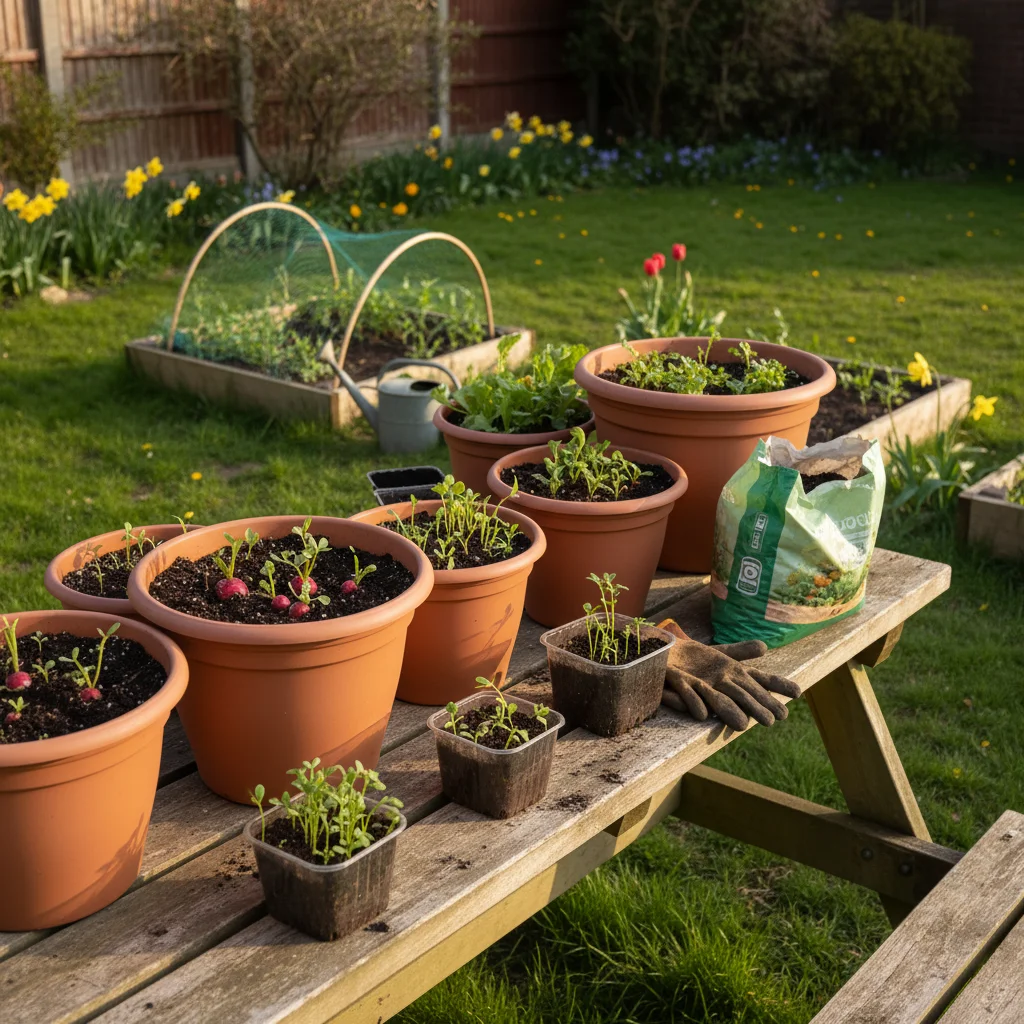
April is the month when everything in the UK gardening calendar finally shifts up a gear. The days are noticeably longer, the sun actually has a bit of warmth in it, and that restless "need to grow something" feeling starts to kick in. Even if you are working with a tiny balcony in East London or a single sunny windowsill, this is your moment to get stuck in. You don’t need a sprawling allotment or a fancy greenhouse to start producing your own food; you just need a few pots, some decent compost, and the right seeds for the job.
We often think of gardening as something that requires a lot of heavy lifting and a shed full of tools, but for the urban grower, it is much simpler. April is the sweet spot because the risk of those biting winter frosts is receding, yet it is early enough to get a full season of growth. It is the time for "quick wins"—crops that germinate fast and make your small space feel like a productive little farm before the month is even out.
Why April is the Perfect Time to Start
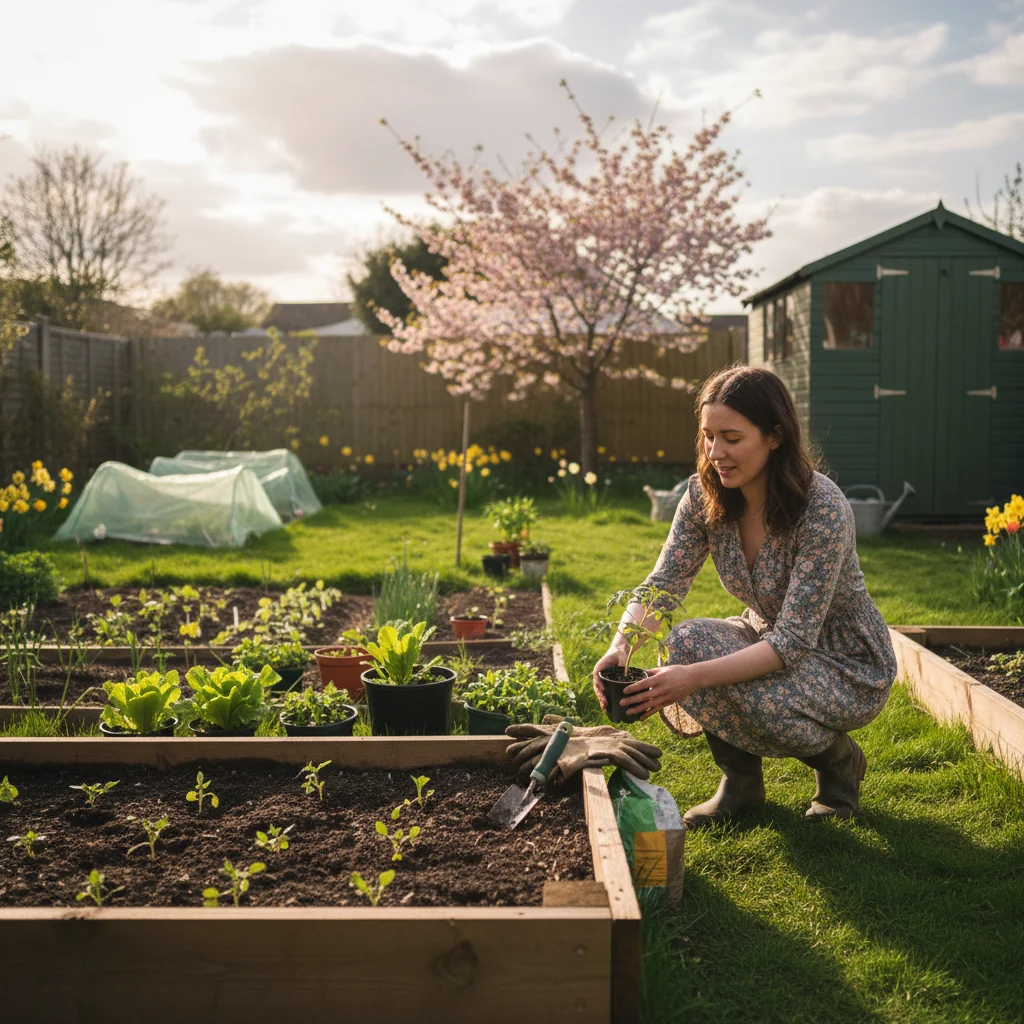
The beauty of April in the UK is the balance of light and temperature. While we can still get the occasional sharp frost, especially in more northern cities or on exposed balconies, the soil is finally warming up. For those of us growing in containers, this is even better news. Pots and troughs warm up much faster than the ground, meaning your seeds get a gentle "thermal boost" that helps them pop up sooner than they would in a traditional garden bed.
It is also the time of year when the gardening centres and local DIY stores are stocked with the best variety of seeds. If you wait until June, you’ll be left with the leftovers. By starting now, you have your pick of compact, high-yielding varieties that are specifically bred for small spaces. We are looking for things that grow "up" rather than "out," or crops that can be tucked into a window box alongside some flowers.
Choosing the Right Containers for Your Space
Before you rip open a packet of seeds, we need to talk about where they are going to live. In a small urban space, weight and drainage are your two biggest priorities. If you are gardening on a balcony, you want to avoid heavy stone or ceramic pots that might put too much pressure on the structure. Plastic, resin, or fabric "grow bags" are much lighter, easier to move around, and surprisingly durable.
Drainage is the non-negotiable rule of container gardening. Most plants hate having "wet feet," which happens when water sits at the bottom of a pot with no way out. Make sure every container has holes in the bottom. If you’ve found a beautiful tin or a wooden crate that doesn’t have holes, grab a drill and make some. A layer of "crocks"—broken bits of old pots or even just some large stones—at the bottom helps the water flow through freely and keeps your roots healthy.
Quick and Easy Salad Leaves
If you want the fastest possible return on your investment, salad leaves are the way to go. You can grow a "cut and come again" salad mix in something as shallow as a takeaway container or a standard window box. These mixes are designed to be harvested while the leaves are young and tender. Once you snip them off, they grow back a second and even a third time, giving you weeks of fresh greens for the price of a single seed packet.
When sowing salad in April, try to spread the seeds thinly across the surface of your compost. If they are too crowded, the seedlings will struggle for air and light, which can lead to mould in the damp UK spring. A light dusting of compost over the top and a gentle misting of water is all they need. Within ten days, you should see the first green shoots appearing on your windowsill or patio.
Growing Potatoes in Bags and Buckets
Most beginners think potatoes are off-limits if they don't have a big vegetable patch, but they are actually one of the easiest things to grow in a container. You can buy dedicated potato bags, but an old heavy-duty rubble bag or a large bucket with holes drilled in the bottom works just as well. The trick is to start with only a few inches of compost at the bottom, place your "seed potatoes" on top, and cover them with another layer of soil.
As the green leafy stems grow upwards, you keep adding more compost to cover them. This process is called "earthing up," and it encourages the plant to grow more potatoes along the buried stem. By the time you reach the top of the bag, you’ll have a huge vertical column of growing tubers. It’s incredibly satisfying to tip the bag out in a few months and find a "treasure hunt" of fresh spuds that taste infinitely better than anything from the supermarket.
Sowing Herbs for Your Kitchen Windowsill
April is the ideal time to start a miniature herb garden. Many of the herbs we use most—parsley, coriander, and chives—can be sown now and will thrive in small pots. Coriander, in particular, is a great one for the UK climate because it actually prefers the cooler spring temperatures. Once the heat of mid-summer hits, coriander tends to "bolt" (go to seed) very quickly, so getting an early start in April ensures you get plenty of leaves for your spring cooking.
When growing herbs on a windowsill, remember that they will naturally lean towards the light. To keep them from getting "leggy" and weak, give the pots a quarter-turn every few days. This ensures that the stems grow strong and upright. If you have a balcony, rosemary and thyme are brilliant choices as they are hardy enough to handle the wind and don't mind the occasional forgetful watering session once they are established.
Getting a Head Start on Summer Tomatoes
While it is still too cold to put tomato plants outside in most of the UK, April is the perfect time to sow them indoors. If you have a sunny spot by a window, you can start your tomato journey now. For urban gardeners, look for "bush" or "determinate" varieties. These stay compact and don't require the complicated staking and pruning that traditional tall tomato plants need. Varieties like 'Terenzo' or 'Tiny Tim' are perfect for hanging baskets or small pots.
The key to healthy indoor tomatoes is warmth and light. If they don't get enough light, they will become tall, thin, and spindly. If your flat doesn't get a huge amount of sun, wait until the end of the month to sow, when the days are longer. Once the plants have two "true" leaves, you can move them into their own individual small pots. This is called "potting on," and it gives the roots the space they need to build a strong foundation before they move outside in late May.
Managing Wind and Light on a Balcony
One of the biggest challenges for the city gardener is the microclimate of a balcony. If you live on a higher floor, the wind can be much stronger than it is at ground level. This can dry out your pots in a matter of hours and physically damage delicate seedlings. To counter this, try to group your pots together. This creates a little humid micro-environment where the plants protect each other.
Light can also be tricky if you are surrounded by tall buildings. Most food crops need at least six hours of sunlight to thrive, but don't despair if your space is a bit shady. Leafy greens like spinach, kale, and rocket are much more tolerant of shade than "fruiting" plants like tomatoes or peppers. If your balcony only gets morning sun, focus on the greens and herbs; they will be perfectly happy without the scorching afternoon heat.
Watering and Feeding Your New Crops
In a small garden, your plants are entirely dependent on you for their food and water. Because the volume of soil in a pot is limited, it dries out much faster than the ground. In April, you might only need to water once every few days, but as the weather warms up, you’ll need to check them daily. A good rule of thumb is to stick your finger an inch into the soil; if it feels dry, it’s time for a drink.
Feeding is the other half of the equation. Most multi-purpose compost only has enough nutrients to last about six weeks. After that, your plants will start to look a bit yellow and tired. You don’t need anything fancy; a simple organic liquid seaweed feed or a general-purpose vegetable fertiliser used once a fortnight will make a massive difference. It’s the difference between a struggling plant and a thriving, productive one.
The Best Varieties for Small Spaces
Choosing the right seeds is half the battle when you have limited room. Some plants are naturally "hungry" for space, while others have been bred to stay neat and tidy. When you are looking at seed packets this month, keep an eye out for these reliable performers that we have tested in urban conditions.
- Tom Thumb Lettuce: A tiny, butterhead variety that grows no bigger than a tennis ball, perfect for small pots.
- Swift Potatoes: An "early" variety that grows quickly and is ideal for container bags.
- Regatta Dwarf French Beans: These don't need tall poles to climb; they stay as a small, productive bush.
- Zest Basil: A compact variety that grows in a neat mound, perfect for a kitchen windowsill.
- Potter’s Parsley: A very hardy variety that handles the unpredictable UK spring weather with ease.
Essential Steps for Sowing Success
Getting your seeds off to a good start is easier than you think if you follow a few basic principles. Most beginners fail because they either plant too deep or water too heavily, but a little bit of care in the first few days goes a long way.
- Use fresh compost: Avoid using old soil from last year’s pots, as it will be depleted of nutrients and might harbour pests.
- Don't bury the seeds: Most small seeds only need to be covered by a layer of soil as thick as the seed itself.
- Label everything: You think you’ll remember what you planted where, but trust us, you won't.
- Keep it consistent: Seeds need steady moisture to germinate; don't let them bone dry and then drown them.
- Watch the weather: If a late frost is forecast, bring your outdoor pots inside or cover them with some fleece for the night.
April is all about the promise of what is to come. There is something incredibly grounding about getting your hands in some soil after a long, grey winter, even if that soil is in a pot on a balcony. By starting small and choosing crops that fit your lifestyle, you are far more likely to stick with it and enjoy the process. There is no feeling quite like harvesting your first handful of salad leaves that you grew yourself, just a few feet from your kitchen.
The most important thing is simply to start. Don't worry about having the perfect setup or the most expensive equipment. Grab a bag of peat-free compost, a few packets of seeds, and whatever containers you have to hand. By this time next month, your small space will be transformed into a living, breathing larder, and you’ll be well on your way to your first home-grown harvest.