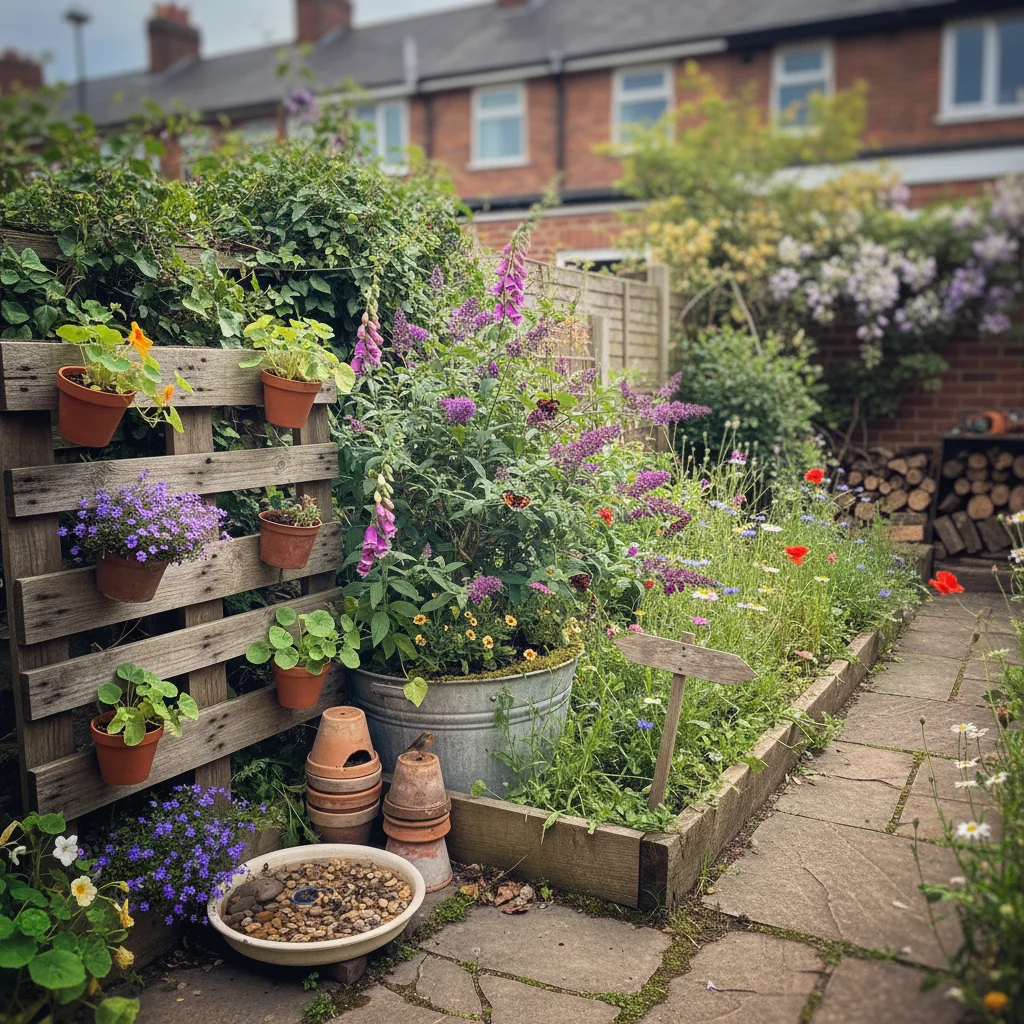
You might think that you need a rolling countryside manor or a sprawling woodland to truly welcome wildlife. I used to think the same when I first moved into my small terrace house in Yorkshire. My "garden" was little more than a concrete patch with a few tired pots, and I assumed the local birds and bees would simply fly right over me in search of greener pastures.
I was wrong, and I’m so glad I was. It turns out that nature isn't particularly picky about square footage. Whether you have a tiny courtyard, a balcony three floors up, or a small suburban plot, you can create a vital pit stop for all sorts of creatures. It’s easier than you think to turn a sterile space into a living, breathing sanctuary.
When we garden for wildlife in small spaces, we aren't just helping the planet. We are also giving ourselves the gift of daily wonder. There is something incredibly grounding about watching a blue tit forage in a hanging basket while you drink your morning tea. It reminds us that we are part of something much bigger, even if our own patch of earth is only a few metres wide.
Why water is the quickest win
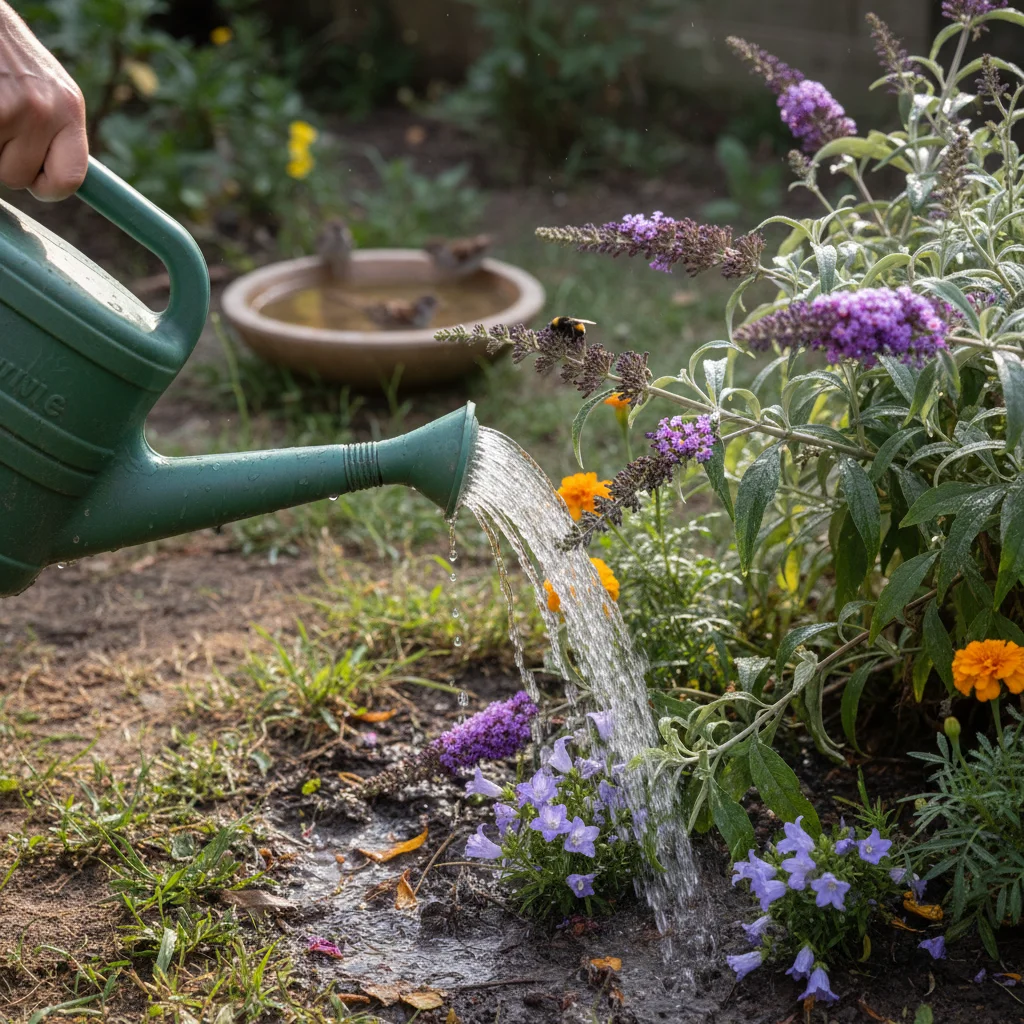
If you do only one thing to attract wildlife this weekend, make it water. Every living thing needs to drink, and in our increasingly paved-over urban areas, finding a safe source of clean water can be a struggle for birds and insects. You don't need a massive pond with a fountain to make a difference.
A simple birdbath is a fantastic start. If you’re short on floor space, you can find lovely versions that clip onto balcony railings or hang from a sturdy bracket on the wall. The key is to keep it clean and topped up, especially during a typical UK summer when smaller volumes of water evaporate quickly.
You can even create a "mini pond" using nothing more than a large, watertight glazed pot or an old butler sink. I’ve seen wonderful examples where people have tucked a few aquatic plants into a container on their patio. Just make sure there is a way for creatures to get out if they fall in; a few well-placed stones or a small ramp made of pebbles will act as a life raft for tired bees or adventurous frogs.
Bees actually prefer shallow water where they can land safely without drowning. A saucer filled with pebbles and just enough water to reach halfway up the stones is perfect. They can land on the dry tops of the pebbles and sip comfortably from the edges. It’s a tiny addition that makes a huge impact on a hot afternoon.
Planting a nectar buffet in pots
In a small garden, every plant has to work twice as hard. When I choose flowers, I always look for those that offer a "double win" by looking beautiful and providing plenty of nectar. We often call this "sowing" (which just means planting seeds) for pollinators, and it’s one of the most rewarding parts of gardening.
Lavender is an absolute must-have for any small UK garden. It thrives in pots, loves the sun, and the scent is heavenly for us and irresistible to bees. If you choose a variety like 'Hidcote' or 'Munstead', they stay relatively compact, making them perfect for containers or narrow borders.
Don't forget about the night-shift workers either. Moths are vital pollinators, and they love pale, evening-scented flowers. Planting something like night-scented stock or jasmine near your seating area means you get to enjoy the fragrance as the sun goes down, while providing a feast for the local moth population.
When you're shopping at the garden centre, look for the "Plants for Pollinators" logo, but also use your eyes. If you see a plant covered in bees, that’s usually a better recommendation than any label. Try to avoid "double" flowers where the petals are so tightly packed that insects can't actually reach the nectar in the middle.
Making use of your walls and fences
When you run out of floor space, the only way is up. Vertical gardening is a game-changer for small-space wildlife enthusiasts. Your fences and walls aren't just boundaries; they are potential nesting sites and foraging grounds.
Climbing plants like honeysuckle or ivy provide incredible cover for birds to hide from predators. Ivy is particularly wonderful because it flowers late in the year when other food sources are scarce, and its berries are a lifesaver for birds in the depths of winter. It’s a myth that ivy always damages walls; if your brickwork is in good repair, a well-managed climber is a huge asset.
You can also hang bird boxes and bug hotels directly onto your walls. For a small garden, a solitary bee house is a brilliant choice. Unlike honeybees or bumblebees, solitary bees don't live in colonies and they don't swarm. They are fascinating to watch as they check into their little wooden "hotel rooms" to lay eggs, and they are fantastic for pollinating your flowers.
Make sure to place your bird boxes away from where cats can easily reach them. I usually tuck mine quite high up, sheltered from the prevailing wind and rain. Watching a pair of birds scout out a box you’ve put up is one of those simple joys that makes all the effort worthwhile.
The magic of a wild corner
We’ve all been told that a "good" garden should be tidy, but wildlife actually prefers a bit of a mess. In a tiny garden, you might feel like you can't afford to let things go wild, but even a tiny "untidy" corner can become a five-star resort for insects and small mammals.
I like to designate one small, out-of-the-way spot—perhaps behind a shed or in a shady corner where nothing much grows—as my wild zone. Instead of clearing away every fallen leaf or dead stem, I leave them there. This decaying organic matter is the foundation of a healthy garden ecosystem.
A small log pile is another great addition. You only need three or four logs tucked together to create a damp, dark home for beetles and centipedes. These insects are the unsung heroes of the garden, breaking down waste and providing food for birds and hedgehogs. If you’re lucky enough to have a hedgehog visit your small urban plot, they will thank you for the snack bar.
If you have a small patch of grass, try leaving a square of it to grow long. You don't have to let the whole lawn go, but a "mini meadow" the size of a doormat can host different types of grasses and wildflowers that wouldn't survive a weekly mow. It’s all about creating different textures and habitats within your limited space.
Feeding your feathered friends all year
Feeding the birds is perhaps the easiest way to feel an immediate connection to nature. In a small garden, you can see them much closer than you would in a large park. I’ve found that consistency is the secret to success; once the birds know your garden is a reliable food source, they will visit every single day.
During the winter and early spring, birds need high-energy foods to survive the cold nights and the exertion of nesting. Suet balls and sunflower hearts are brilliant because they provide lots of calories with very little waste. In the summer, you can switch to mealworms or specialist seed mixes, but do avoid whole peanuts during nesting season as small chicks can choke on them.
Small space wildlife essentials
If you're wondering what to buy first to get your sanctuary started, these are the items I've found most effective in my own small plots over the years. You don't need all of them at once, but picking two or three will make a noticeable difference within weeks.
- A shallow bird bath or a heavy-duty saucer filled with clean water.
- A "solitary bee house" with various sizes of hollow tubes.
- At least three nectar-rich plants like Lavender, Salvia, or Sedum.
- A high-quality bird feeder with a "guardian" cage if you have lots of squirrels.
- A small pile of logs or stones tucked into a quiet, shady corner.
- A packet of wildflower seeds specifically for pots or small borders.
Starting with these basics allows you to observe what works in your specific microclimate. You might find that your balcony gets a lot of wind, which means you'll need heavier pots, or perhaps your courtyard is very shady, meaning you should focus on ferns and foxgloves rather than sun-loving lavender.
Keeping your space safe and natural
One of the most important things we can do for wildlife is to stop using harsh chemicals. It can be tempting to reach for the slug pellets when your prize hostas are being nibbled, but those chemicals can work their way up the food chain. If a bird eats a slug that has ingested poison, it can be fatal for the bird too.
Instead, try to embrace a natural balance. If you attract more birds and frogs to your garden, they will eventually do the pest control for you. In the meantime, I use simple barriers like copper tape around pots or eggshells on the soil surface. They aren't always 100% effective, but they are much kinder to the environment.
We should also be mindful of our garden lighting. While a few fairy lights look lovely for an evening drink, bright security lights or permanent outdoor LEDs can confuse nocturnal wildlife like moths and bats. Using solar lights that aren't too bright, or simply turning the lights off when you go inside, helps keep the natural rhythms of your garden intact.
Joining the bigger picture
It’s easy to feel like your small garden doesn't matter, but I want you to think of it as a single piece of a giant jigsaw puzzle. When you and your neighbours all provide a little bit of water, a few flowers, and a safe place to rest, you create a "wildlife corridor." These corridors allow animals to move through our towns and cities safely.
I’ve seen hedgehogs travel through three or four tiny terraced gardens in one night because each owner left a small gap under their fence. Your tiny garden is a vital link in that chain. By making these small changes, you are contributing to a much larger effort to protect our UK biodiversity.
The best part is that you don't have to wait years to see the results. Nature is incredibly resilient and quick to respond. If you put out a dish of water today and plant a pot of marigolds tomorrow, I can almost guarantee you’ll have a visitor within the week. Start small, stay curious, and enjoy the wonderful company of the wild neighbours who are just waiting for an invitation to move in.