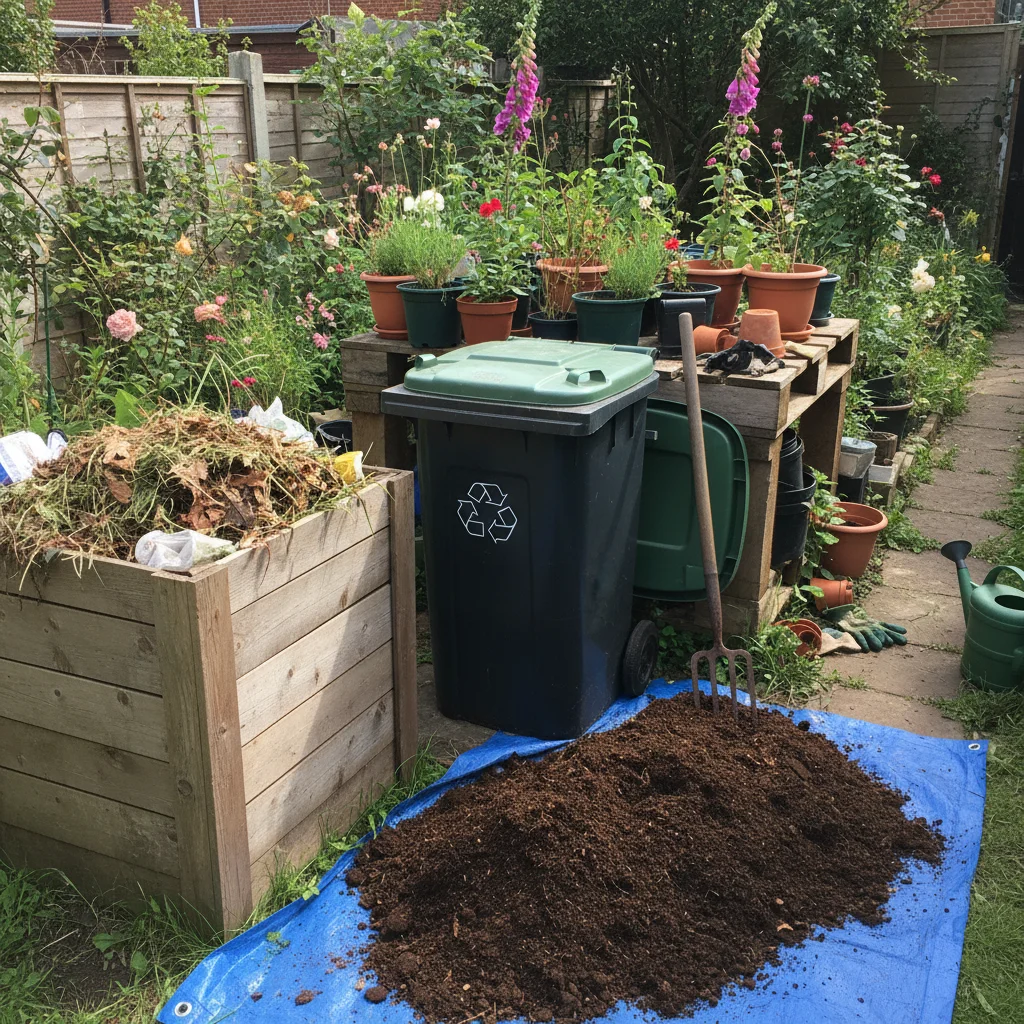
We have all been there, standing in the garden centre aisle, staring at the price of peat-free compost and wondering if our bank accounts can handle another spring. Gardening is a wonderful hobby, but the costs can creep up quickly when you are trying to fill raised beds or improve heavy clay soil. I remember starting my first small plot in Yorkshire and feeling quite overwhelmed by how much "black gold" I needed just to get my vegetables off to a good start.
The good news is that you do not have to spend a fortune to get the high-quality organic matter your plants crave. Across the UK, local councils and community groups are working hard to turn our kitchen scraps and garden clippings into something useful. Many of these schemes offer free or heavily discounted compost to residents, helping us close the loop on waste while feeding our flowers and veg.
Finding these deals is easier than you think, but it does require a little bit of local detective work. Whether you have a sprawling allotment or a few pots on a balcony, accessing these schemes can save you a significant amount of money over the growing season. It is a win-win situation that helps the environment and your prize-winning tomatoes at the same time.
Why Councils Give Away Compost
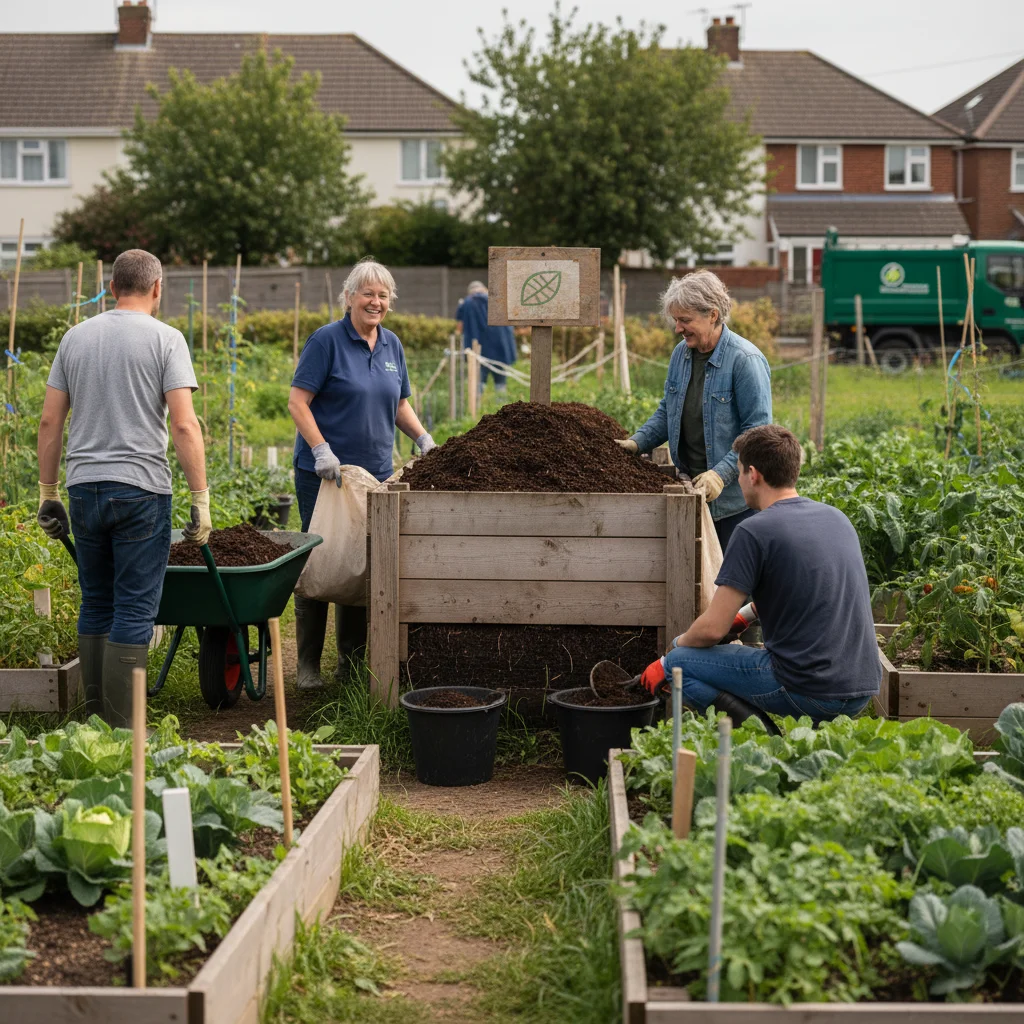
You might wonder why a local authority would give away something so valuable for free. It all comes down to the circular economy and waste management targets. Every time we put our garden waste bins out or take a carload of hedge trimmings to the local tip, the council has to process that material. By turning it into compost and giving it back to the community, they reduce the amount of waste sent to landfill and save on disposal costs.
Most councils partner with large-scale industrial composting facilities. These sites use high-heat processes to break down organic matter much faster than we can in our back gardens. This heat is a real benefit because it is usually intense enough to kill off most weed seeds and pathogens. The result is a consistent, dark, and crumbly material that is perfect for improving soil structure.
When you use this municipal compost, you are effectively using the recycled waste from your own neighbourhood. It is a lovely thought that your neighbour’s grass clippings from last summer could be helping your roses bloom this year. It keeps the carbon footprint of your garden low and supports local sustainability goals.
How to Find Your Nearest Scheme
The first place to look is your local council’s website, specifically the section on "bins and recycling" or "garden waste." Many councils hold annual or bi-annual "Compost Giveaway" events, often around International Compost Awareness Week in May. These events are usually advertised a few weeks in advance, so it pays to keep an eye on their social media pages or sign up for their community newsletters.
If your council does not offer a free giveaway day, they might have a permanent discounted scheme. Some local authorities sell bags of their own-brand soil improver at household waste recycling centres for a fraction of the price you would pay at a commercial nursery. I have found that these bags are often larger and more robust than the ones in the shops, making them great value for money.
Do not be afraid to look slightly further afield if your immediate council doesn't have a scheme. Sometimes neighbouring boroughs allow residents from nearby areas to participate, or they might have different rules for their recycling centres. A quick search for "community composting" in your county can often reveal hidden gems that aren't widely advertised.
What to Expect From Local Authority Compost
It is worth noting that council-produced compost is often technically a "soil conditioner" or "soil improver" rather than a multi-purpose potting mix. Because it is made from a huge variety of garden waste, the texture can be a bit coarser than the fine, sifted bags you buy for seed sowing. You might find the occasional small twig or a bit of stony grit in the mix, but for most garden tasks, this is perfectly fine.
The quality is generally very high because most UK municipal compost is produced to a specific standard called PAS 100. This is a rigorous certification that ensures the compost is safe, reliable, and consistent. When you see this label, you can be confident that the material has been properly matured and monitored for quality. It is a great way to ensure you aren't bringing anything nasty into your garden.
In a typical UK summer, this heavier compost is brilliant for moisture retention. It helps sandy soils hold onto water and breaks up heavy clay, making it much easier for you to dig over your beds in the spring. I find it particularly useful for mulching around established fruit bushes and perennial flowers, where its slightly chunkier texture helps to suppress weeds effectively.
Essential Gear for Your Compost Collection
If you are heading to a free giveaway event, you need to be prepared. These events are often "self-serve," meaning you will be faced with a giant mountain of compost and will need to do the heavy lifting yourself. It can be a bit of a workout, but the reward of a boot full of free garden fuel is well worth the effort.
To make the most of the day and keep your car clean, you should pack a few essentials before you set off. Most events happen in large car parks or recycling centres where things can get a bit dusty or muddy depending on the weather.
- Sturdy rubble sacks or old compost bags to hold the material.
- A reliable garden spade or a wide shovel for quick loading.
- A pair of tough gardening gloves to protect your hands.
- An old tarpaulin or plastic sheet to line your car boot.
- A bottle of water and a bit of patience, as these events can get busy.
I always recommend bringing more bags than you think you will need. There is nothing worse than getting to the front of the queue and realising you have space for more but nothing to put it in. If you are using a small car, be mindful of the weight; compost can be surprisingly heavy when it is damp, so don't overfill your vehicle beyond its safe capacity.
Community Projects and Shared Soil
Beyond the council, there are many community-led initiatives that focus on shared resources. Allotment associations often buy compost in bulk and sell it on to members at cost price. Even if you don't have an allotment, some associations are happy to let local residents join for a small fee to access their shop and communal deliveries.
Community gardens and "In Bloom" groups are also fantastic sources of information. These volunteers are often the first to know about local deals or surplus soil from construction projects. Getting involved with a local gardening club not only gives you access to cheaper materials but also connects you with experienced growers who know exactly which local schemes are worth your time.
You might even find that your neighbours are looking to get rid of compost or topsoil. Apps like Olio or Freecycle are brilliant for this. People often over-order for a landscaping project and are more than happy for someone to come and take the leftovers away for free. It is always worth a quick check on these platforms before you head out to buy a fresh bale.
Using Council Compost Safely in Your Garden
When you get your haul home, it is important to use it in the right way. Because municipal compost is very rich in nutrients and can have a high pH, it is usually too "strong" to use for delicate seedlings or acid-loving plants like blueberries and azaleas. For most other things, however, it is like a vitamin boost for your soil.
I love using this type of compost as a "no-dig" mulch. Simply spread a layer about two inches thick over your garden beds in the autumn or early spring. You don't need to work it in; the worms will do all the hard work for you, pulling the organic matter down into the soil and improving the structure. It is the easiest way to feed your soil without breaking your back.
If you want to use it for potting up larger plants, I suggest mixing it with a bit of garden soil or some coconut coir. This helps to balance the nutrients and creates a better texture for root growth. It is a fantastic way to stretch your budget, making one bag of expensive shop-bought compost go twice as far when blended with your free council find.
- Mulching around fruit trees and established shrubs.
- Top-dressing raised beds before planting out hardy vegetables.
- Mixing with existing soil to improve drainage in heavy clay areas.
- Filling the bottom half of large decorative planters to save on potting mix.
- Revitalising tired lawn areas by raking a thin layer over the surface.
Making the Most of Local Deals
If you can't find a free scheme, keep an eye out for "buy one get one free" deals at local independent nurseries during the off-season. While the big chains have their own promotions, local businesses often need to clear space for new stock in late autumn or mid-winter. This is the perfect time to stock up and store bags in a dry corner of the shed or under a tarpaulin.
Another tip is to look for "damaged" bags at the back of the garden centre. Often, a small tear in the plastic means the shop can't sell it at full price, even though the compost inside is perfectly fine. I have often managed to get 50% off just by asking a member of staff if they have any split bags they want to move on. It never hurts to ask, and most managers are happy to see the stock go rather than wasting it.
Remember that the best compost is the stuff you make yourself, but these council and community schemes are the perfect bridge while your own heap is maturing. By taking advantage of what is available in your area, you can build a lush, productive garden that doesn't cost the earth. Take a moment this week to check your local council's website or pop into a nearby allotment site—you might just find your next load of black gold is waiting for you just around the corner.