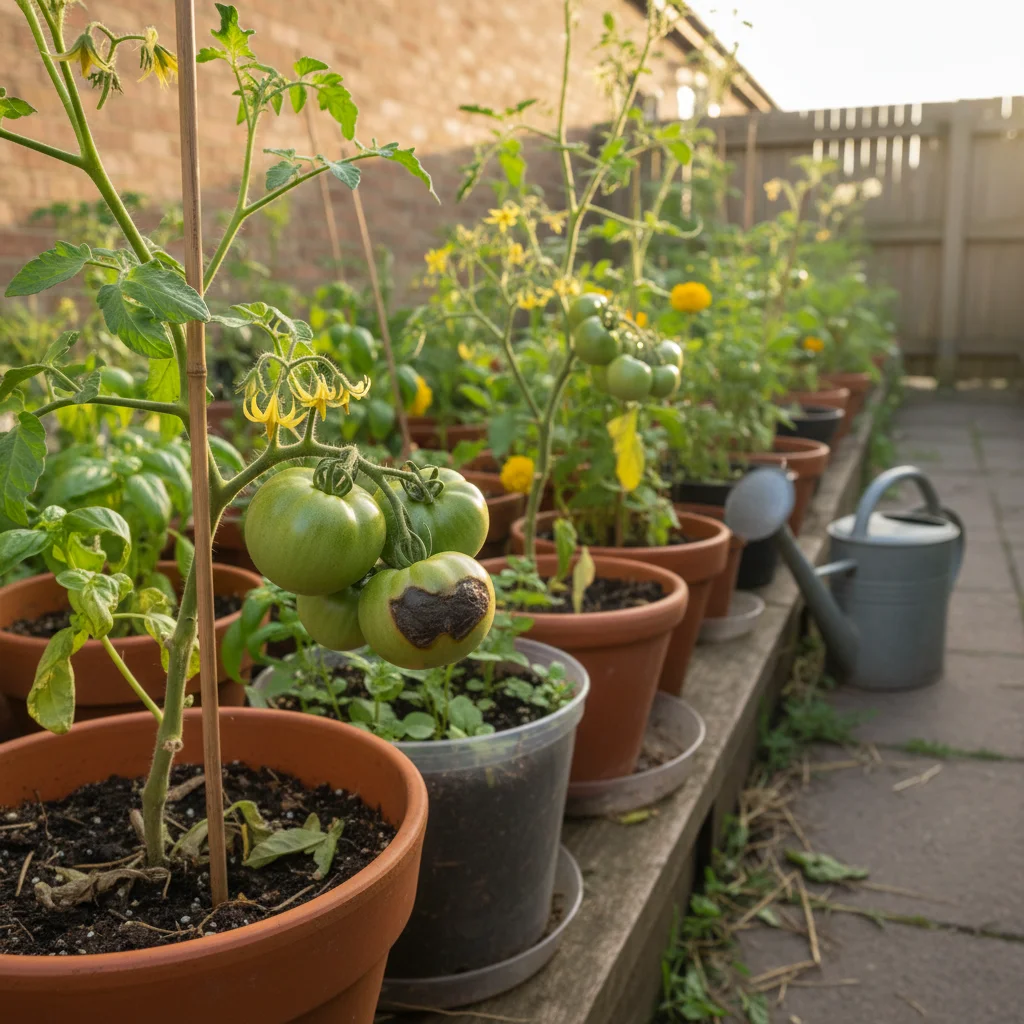
There is nothing quite like the excitement of seeing your first tomatoes of the season begin to swell on the vine. Whether you are growing a classic 'Gardener's Delight' on a sunny windowsill or a heavy-cropping beefsteak in a traditional greenhouse, that transition from tiny yellow flower to green fruit is a magical moment for any gardener. We spend weeks nurturing our seedlings, potting them on, and pinching out side shoots, all in anticipation of that first juicy, sun-warmed bite.
However, many of us have experienced that sinking feeling when we go to harvest a beautiful-looking tomato, only to turn it over and find a dark, leathery, sunken patch on the bottom. It looks like the fruit is rotting away before it even has a chance to ripen. This is the dreaded blossom end rot, and while it looks devastating, I want you to know that it is much easier to manage than you might think.
I remember my first few years growing vegetables in a small, windswept plot in Yorkshire. I was convinced I had some terrible disease sweeping through my greenhouse and nearly gave up on tomatoes altogether. It took a bit of trial and error to realise that blossom end rot isn't actually a disease at all. It is a physiological hiccup, a sign that the plant is struggling with its environment rather than being attacked by a fungus or bacteria.
The good news is that because it isn't a contagious disease, you don't need to worry about it spreading from plant to plant like blight. Once you understand why it happens, you can take a few simple steps to stop it in its tracks. You can grow healthy, flawless tomatoes even in a tricky UK summer, and it starts with understanding the relationship between water and nutrients.
What is blossom end rot
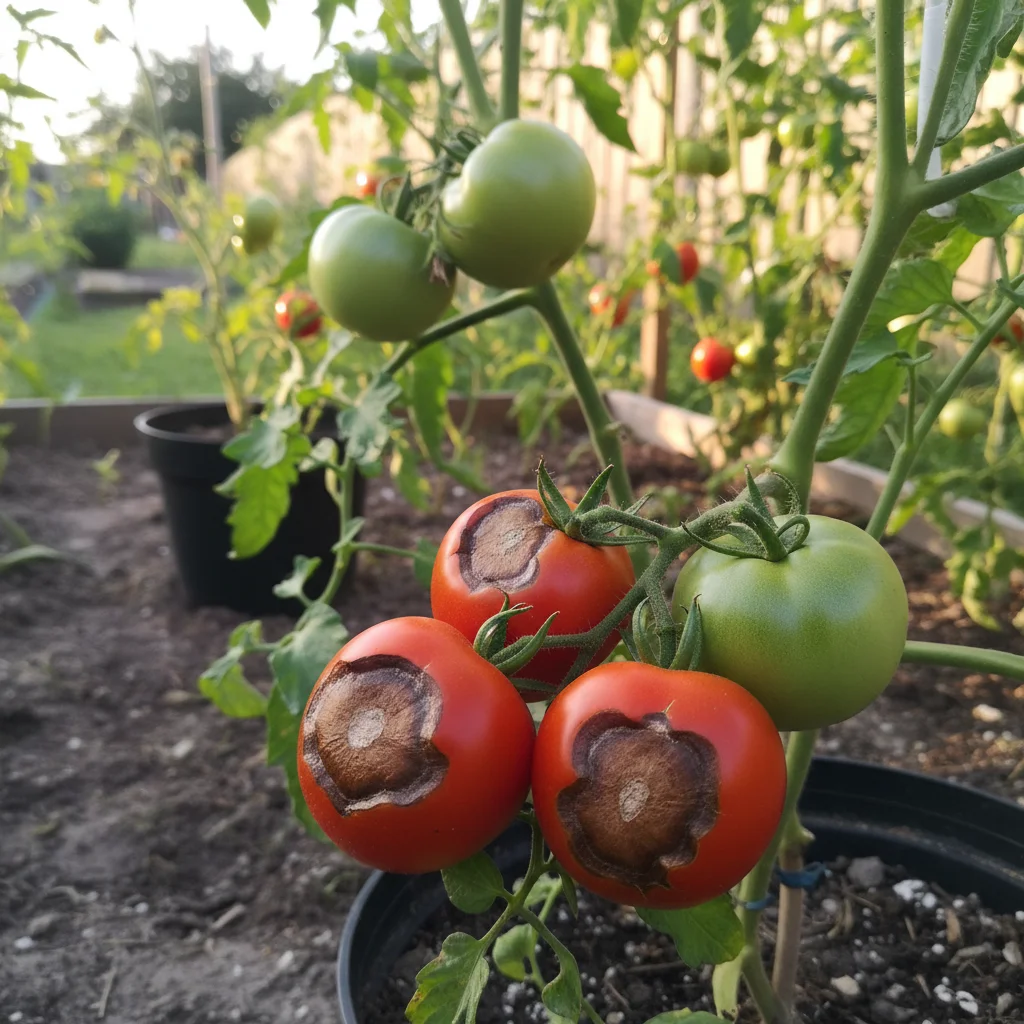
To fix the problem, we first need to understand what is actually happening inside the plant. Blossom end rot is essentially a calcium deficiency within the developing fruit. Calcium is a vital building block for plants; it helps create strong cell walls, acting much like the mortar between bricks in a house. When there isn't enough calcium available as the tomato is growing, the cells at the furthest end of the fruit—the blossom end—simply collapse.
You might be tempted to rush out and buy a calcium supplement or start crushing eggshells into your soil, but here is the secret most experienced gardeners know. In the vast majority of cases, there is plenty of calcium already in your garden soil or potting compost. The problem isn't a lack of calcium in the ground; it is a problem with the plant's delivery system.
Plants move nutrients like calcium through their stems and leaves using water. Think of it like a plumbing system where water acts as the transport vehicle. If the water supply is interrupted or inconsistent, the "delivery truck" carrying the calcium can't reach the very tip of the fruit. This is why we see the damage at the bottom of the tomato, which is the point furthest away from the main stem.
Identifying the signs early
It is helpful to know exactly what you are looking for so you can act quickly. Blossom end rot usually appears when the fruit is about half its full size, though it can show up on very tiny tomatoes too. It starts as a small, light brown, water-soaked spot at the very base of the fruit, right where the flower used to be.
As the tomato continues to grow, this spot becomes larger, darker, and more leathery in texture. It eventually turns into a sunken black or dark brown patch that can cover a significant portion of the base. While the rest of the tomato might look perfectly healthy and even start to turn red, the bottom remains tough and unsightly.
Sometimes, you might notice the fruit ripening prematurely. This is the plant's way of trying to finish its job quickly because it is under stress. If you see a tiny tomato turning red far earlier than its siblings, give it a quick check underneath. Catching these signs early is the best way to adjust your care routine before the rest of your harvest is affected.
The importance of consistent watering
If there is one thing I have learned over the years, it is that tomatoes crave consistency. In our unpredictable UK climate, we often go from a week of drizzly grey skies to a sudden heatwave. These swings in temperature and moisture are the primary cause of blossom end rot because they disrupt the flow of water through the plant.
When the soil or compost dries out completely, the plant can no longer pull up calcium. Even if you give it a massive soak the following day, the damage to those developing cells might already be done. The "wet-dry-wet" cycle is the enemy of a healthy tomato. We want to aim for soil that feels like a wrung-out sponge—moist but never waterlogged.
If you are growing in pots or grow bags, this is especially important. Containers dry out much faster than the ground, sometimes needing water twice a day during a hot July spell. I always suggest the "finger test" for beginners. Simply poke your finger into the soil up to the second knuckle; if it feels dry at the tip, it is time to water.
Simple ways to keep moisture steady
Since watering is the most common culprit, finding ways to keep the root zone hydrated is your best line of defence. One of my favourite tricks for tomatoes grown in the ground or in large pots is mulching. By spreading a layer of organic matter—like well-rotted garden compost, straw, or even grass clippings from a chemical-free lawn—around the base of your plants, you can trap moisture in the soil.
Mulching acts like a blanket, protecting the earth from the drying heat of the sun and preventing evaporation. It also helps to suppress weeds that would otherwise compete with your tomatoes for every drop of water. It is a simple, low-cost job that makes a world of difference during a dry spell.
For those of you using grow bags on a patio, consider using "watering halos" or even homemade versions using upturned plastic bottles with the bottoms cut off. By burying the neck of the bottle near the roots and filling it with water, you ensure the moisture goes straight to where it is needed rather than running off the surface. This encourages the roots to grow deeper, making the plant more resilient.
Feeding your plants the right way
While we want our tomatoes to be lush and productive, it is possible to have too much of a good thing. Many gardeners reach for high-nitrogen fertilisers early in the season to encourage lots of green growth. However, too much nitrogen can actually trigger blossom end rot.
When a plant grows too quickly, it produces a massive amount of foliage. All those leaves need calcium too, and because leaves transpire (breathe out water) more effectively than fruit, they often "win" the competition for available calcium. The leaves stay green and healthy while the fruit is left wanting.
Once your tomatoes start to produce their first cluster of flowers—what we call the "first truss"—it is time to switch to a high-potash feed, such as a liquid seaweed or a dedicated tomato fertiliser. Follow the instructions on the bottle, usually feeding once a week. This encourages fruit development rather than just more leaves, helping the plant balance its nutrient needs more effectively.
Choosing the right varieties
If you find that you struggle with blossom end rot year after year despite your best efforts, it might be worth looking at the varieties you are growing. Some tomatoes are simply more prone to this issue than others. In my experience, plum and San Marzano types are the most sensitive. Their elongated shape means the calcium has a longer journey to reach the tip of the fruit.
If you are a beginner or have a very busy schedule, you might want to start with cherry tomatoes. Varieties like 'Sungold' or 'Rosella' are incredibly resilient and rarely suffer from blossom end rot because the fruit is so small. Round, standard-sized salad tomatoes like 'Moneymaker' are also generally quite reliable.
Managing your greenhouse environment
For those of you lucky enough to have a greenhouse or a polytunnel, temperature control plays a huge role in preventing rot. On a scorching summer day, temperatures inside glass structures can soar well above 30°C. High heat causes the plant to lose water through its leaves very rapidly.
When the plant is losing water faster than the roots can suck it up, it shuts down the flow to the fruit to save itself. You can help by keeping the space well-ventilated. Open the doors and windows early in the morning before the heat builds up. I often use "shading paint" on the glass or hang thin fleece to take the sting out of the midday sun.
Damping down is another old gardener's trick that works wonders. On hot days, simply pour water onto the greenhouse floor or paths. As it evaporates, it increases the humidity and cools the air, which reduces the stress on your plants. It creates a much more comfortable environment for both you and your tomatoes.
Growing in containers and grow bags
Many of us grow our tomatoes in containers because we have limited space or want to keep them close to the kitchen door. While this is a brilliant way to garden, it does require a bit more attention to detail. The smaller the volume of soil, the faster the nutrient and moisture levels will fluctuate.
If you are using grow bags, try to use the deepest ones you can find, or "double up" by cutting the bottom out of a large pot and sitting it on top of the bag, filling it with extra compost. This gives the roots more room to range and creates a larger reservoir of moisture.
What to do with affected fruit
It is a common question: should you pick the tomatoes that have blossom end rot or leave them on the plant? My advice is to remove them as soon as you spot the damage. The plant is putting energy into developing those fruits, and since the damaged parts won't "heal," it is better to let the plant focus its resources on the healthy tomatoes instead.
You don't need to throw the whole plant away. In fact, most plants will grow out of blossom end rot as the season progresses and the root system becomes more established. Just because the first few fruits are affected doesn't mean the rest of the harvest is doomed.
If the rot is only very small and the rest of the tomato has ripened, you can actually cut the bottom off and eat the top part. It isn't toxic; it just doesn't taste very nice in the blackened area. However, for the best flavour and texture, it is usually best to compost the affected ones and look forward to the next batch.
Quick tips for a healthy harvest
To help you stay on track, here is a simple checklist you can use throughout the growing season to keep your plants in tip-top shape.
- Check the soil moisture every single morning, especially during hot spells.
- Water at the base of the plant to keep the leaves dry and prevent other issues.
- Apply a thick layer of mulch to help the soil stay damp for longer.
- Ensure your greenhouse has plenty of airflow by opening vents and doors.
- Switch to a high-potash tomato feed as soon as the first flowers appear.
- Pick off any damaged fruit immediately to encourage new, healthy growth.
Preparing for next year
While we are focusing on the current season, it is worth thinking about how you can improve your soil for next year. If you are growing in the ground, adding plenty of well-rotted manure or garden compost in the autumn will improve the soil structure. Better soil structure means it can hold onto water much more effectively.
If you grow in the same spot every year, consider a simple crop rotation. Moving your tomatoes to a different patch can prevent the build-up of specific nutrient imbalances. Even in a small garden, swapping your tomato pots with your bean containers can make a noticeable difference to the health of your plants.
Gardening is always a learning curve, and even the most experienced growers deal with blossom end rot from time to time. Don't let a few black spots discourage you. Each season brings its own challenges, but that is part of what makes the eventual harvest so rewarding.
By focusing on consistent watering and a little bit of environmental care, you can ensure your tomato plants stay strong and productive all summer long. There is nothing quite like the pride of harvesting a basket full of perfect, blemish-free tomatoes that you grew yourself. Keep those watering cans ready, and you will be enjoying the fruits of your labour in no time.