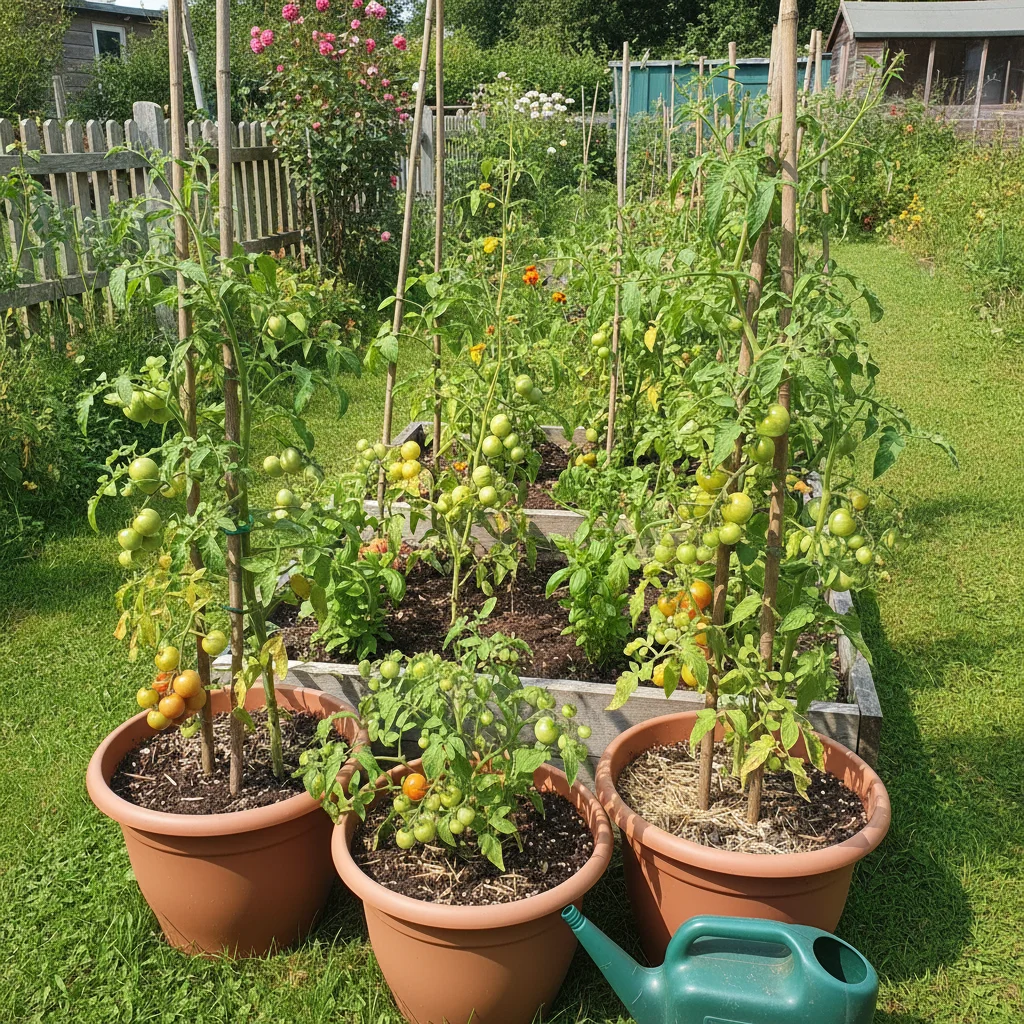
There is nothing quite like the smell of a tomato plant. That earthy, spicy scent that clings to your fingers after you’ve brushed past the leaves is, for me, the true scent of summer. If you’ve only ever eaten tomatoes from a supermarket plastic punnet, you are in for a life-changing experience. A home-grown tomato, warmed by the sun and picked seconds before eating, has a sweetness and depth of flavour that you simply cannot buy.
I know it can feel a bit daunting if you are just starting out. We’ve all seen those professional-looking greenhouses overflowing with perfect vines and wondered if we can replicate that success in a small Yorkshire garden or on a breezy balcony. The good news is that you absolutely can. Tomatoes are surprisingly resilient and, with a few simple tricks, they are one of the most rewarding crops you can grow.
Whether you have a sprawling allotment or just a couple of pots by the back door, you can harvest a mountain of fruit. It’s all about working with our unique UK climate and choosing the right plants for your specific space. Let’s walk through the process together, from that very first seed to the final, delicious harvest.
Choosing the right tomato varieties
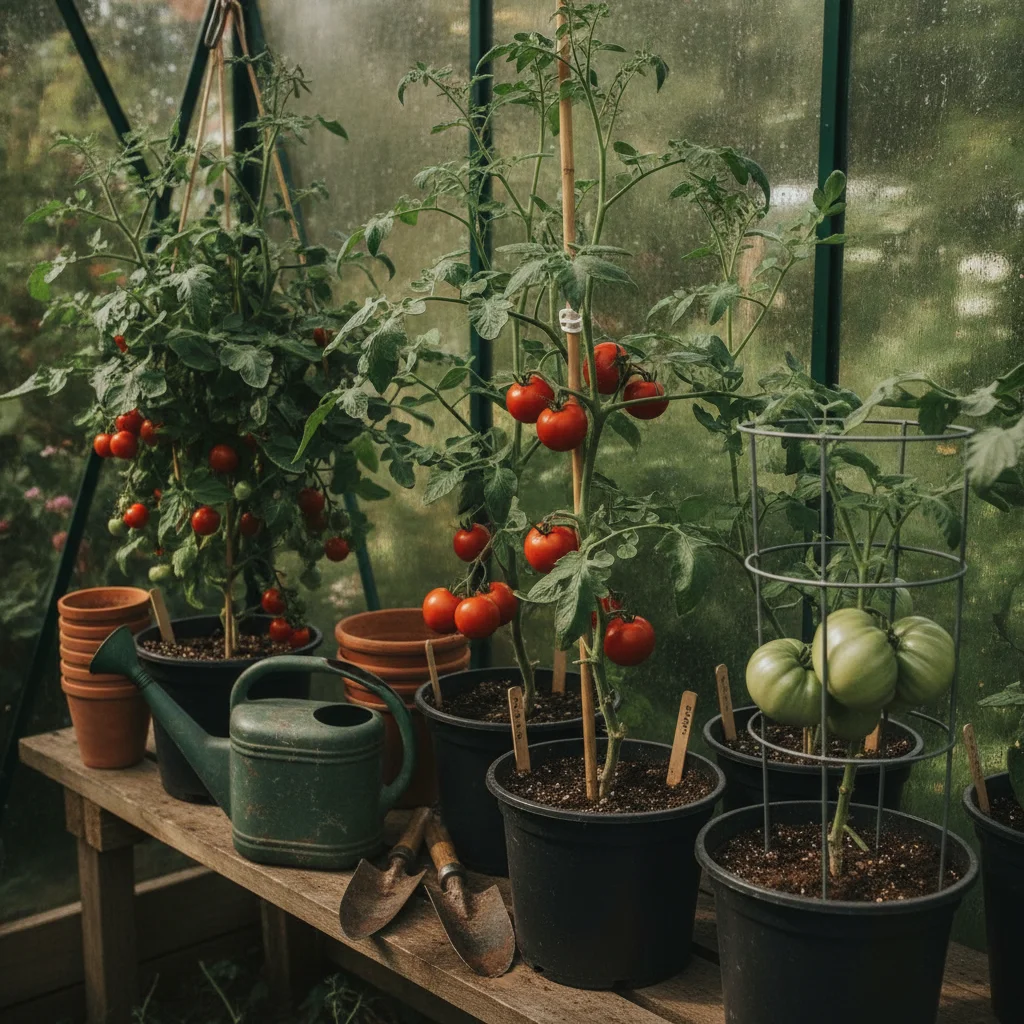
Before you buy a single packet of seeds, you need to decide what kind of tomato experience you want. In the UK, we generally categorise tomatoes into two main growth habits. Understanding these is the secret to not feeling overwhelmed by a plant that wants to take over your entire garden.
First, we have "determinate" or bush tomatoes. These stay relatively small and compact, making them perfect for pots, hanging baskets, or small patios. They grow to a certain size, produce all their fruit at once, and don't require much maintenance. If you are short on time or space, varieties like 'Tumbler' or 'Terrenzo' are fantastic choices that will spill beautifully over the edges of a container.
Then there are "indeterminate" or cordon tomatoes. These are the ones you see growing tall up a string or a bamboo cane. They keep growing and producing fruit until the first frosts arrive. While they require a bit more work in terms of support and pruning, they often provide a much larger harvest over a longer period. 'Gardener's Delight' is a classic cordon variety that has stood the test of time in British gardens for its incredible sweetness.
You also want to think about the size of the fruit. Cherry tomatoes are the easiest for beginners because they ripen quickly, which is a huge advantage in a typical UK summer where sun can be hit-or-miss. Beefsteak tomatoes are magnificent and meaty, but they need a lot of heat and a long season to ripen fully. If you don't have a greenhouse, I usually recommend sticking to cherry or medium-sized salad tomatoes to ensure you actually get a red harvest before October.
Getting started with seeds
You can start your tomatoes from seed as early as late February if you have a heated propagator, but for most of us, March or even early April is the sweet spot. If you start too early without enough light, your seedlings will become "leggy." This is when they grow tall, thin, and weak as they stretch desperately towards the window.
I like to sow my seeds in small pots or modular trays using a good quality seed compost. You only need to bury them about half a centimetre deep. Give them a gentle water and find the warmest spot in your house. A sunny windowsill above a radiator is often perfect. You don't need fancy equipment; an old clear plastic fruit punnet placed over the pot makes a brilliant mini-greenhouse to keep the moisture in.
Once those first two little leaves appear, which are called seed leaves, your plants need as much light as possible. We’ve all had a tray of seedlings go leggy at some point, but don't panic if it happens. When you move them to their next, larger pot, you can actually bury the stem a little deeper than it was before. Tomatoes have a clever trick where they can grow extra roots from their stems, which helps stabilise a lanky plant.
Moving to bigger pots
As your plants grow, they will eventually outgrow their first small home. This process is called "potting on." You’ll know it’s time when you see roots starting to peek out of the holes at the bottom of the pot. Moving them into a larger container gives them fresh nutrients and more room to build a strong root system.
When you pot on, handle the plants by their leaves rather than the stems. Stems are easily bruised and can lead to disease, but a plant can easily grow a new leaf. I usually move my seedlings from a tiny cell into a 9cm pot, and then eventually into a 1-litre pot before they go to their final home.
During this stage, keep an eye on the temperature. While your house is nice and warm, the air outside in April and May can still be very chilly. Tomatoes are tropical plants at heart and they really hate the cold. If the temperature drops below 10°C, they can stop growing altogether. This is why we keep them indoors or in a protected space until the "Chelsea Flower Show" window in late May.
Hardening off and planting out
One of the biggest mistakes you can make is taking a plant that has lived its whole life in a warm kitchen and putting it straight outside into the wind and rain. This causes "transplant shock." To avoid this, we use a process called "hardening off."
About two weeks before you plan to plant them outside permanently, start taking your pots outdoors during the day and bringing them back in at night. Start with just an hour or two in a sheltered spot and gradually increase the time. This toughens up the leaves and gets the plant used to the fluctuating temperatures of a British spring.
When it comes to the final planting, you have a few options depending on your space. If you have a greenhouse, you can plant directly into the ground or into large grow bags. If you are growing on a patio, a large pot (at least 10 litres) is essential. Tomatoes are hungry and thirsty plants, and they need plenty of soil to thrive.
Essential kit for a great harvest
You don't need a shed full of gadgets to grow great tomatoes, but having a few basics will make your life much easier. Investing in these items early in the season will save you from scrambling when your plants suddenly put on a growth spurt.
- Sturdy bamboo canes: Cordon varieties can grow over six feet tall and get very heavy with fruit.
- Soft garden twine: Use this to tie your plants to their supports without cutting into the delicate stems.
- High-potash fertiliser: Often sold as "Tomato Feed," this is vital for encouraging flowers and fruit.
- A long-necked watering can: This helps you get water right to the roots without wetting the leaves.
- Large pots or grow bags: Ensure they have drainage holes to prevent the roots from rotting.
The art of watering and feeding
Watering is perhaps the most important part of tomato care. The goal is consistency. If the soil goes from bone dry to soaking wet repeatedly, the fruit can't handle the sudden intake of water and the skins will literally pop. This is called splitting. Even worse, inconsistent watering can lead to "blossom end rot," where the bottom of the tomato turns black and leathery.
I find it best to water my plants in the morning. This gives the plant all day to soak up the moisture and ensures the leaves have time to dry off if they get splashed. Avoid watering the foliage if you can, as damp leaves are an open invitation for diseases like blight. Aim your watering can at the base of the plant and give it a good, long soak.
Once you see the first tiny yellow flowers appearing, it’s time to start feeding. Tomatoes are greedy feeders. A liquid seaweed or tomato fertiliser once a week will provide the potassium they need to turn those flowers into fruit. I always say that if you feed your tomatoes, they will feed you back.
Training and pruning your plants
If you are growing cordon (tall) tomatoes, you need to learn the "pinch out" technique. As the plant grows, it will try to grow new branches in the "V" shape between the main stem and a leaf. These are called side shoots. If you leave them, the plant becomes a tangled mess of leaves and produces very little fruit.
Once a week, walk around your plants and simply snap off these little side shoots with your thumb and forefinger. It feels a bit mean at first, but you are actually helping the plant focus all its energy on the main clusters of fruit. Bush varieties don't need this, which is why they are often preferred by busy gardeners.
As the season progresses and the plant reaches the top of its support, you might want to "stop" the plant. This involves cutting off the very top of the main stem. In the UK, we usually do this in late August. It tells the plant to stop growing taller and put all its remaining energy into ripening the tomatoes that are already on the vine before the weather turns cold.
Dealing with common problems
Even the most experienced gardener faces a few hurdles. The most famous one in the UK is tomato blight. This is a fungal disease that thrives in warm, wet weather. It starts as brown spots on the leaves and can quickly rot the fruit. The best way to avoid it is to grow your plants in a greenhouse or choose blight-resistant varieties like 'Crimson Crush'.
If you notice your leaves curling, don't panic immediately. Sometimes this is just the plant's way of dealing with a hot day or a big temperature swing between day and night. However, if the leaves look mottled or distorted, keep an eye out for aphids. These tiny green or black insects love the tender new growth of tomato plants.
A quick blast with a garden hose or a spray of soapy water is usually enough to move aphids along. If you can, encourage ladybirds into your garden. They are the ultimate natural predator for aphids and will do the hard work for you. Gardening is always easier when you have a few tiny allies on your side.
Harvesting and enjoying your crop
The moment of truth arrives when your tomatoes start to change colour. While it’s tempting to pick them the second they show a hint of red, they will have much more flavour if you leave them on the vine until they are fully coloured and slightly soft to the touch.
If we have a particularly cold or wet autumn and you still have plenty of green tomatoes left on the vines, don't worry. You can pick them and bring them indoors. Placing them in a bowl with a ripe banana or an apple will speed up the ripening process thanks to the natural gases the fruit releases. And if they stay green? Well, that’s what green tomato chutney was invented for.
Growing your own tomatoes is a journey that connects you to the seasons in a way that few other things can. From that tiny seed on a March windowsill to the first bite of a sun-warmed fruit in August, it’s a process full of small wonders. Even if you only have space for one pot on a doorstep, give it a go this year. You’ll never look at a supermarket tomato the same way again.
The best part about gardening is that there is always something new to learn, and every season brings a fresh start. If you’ve enjoyed getting your hands in the soil today, why not take the next step and look into companion planting? Growing basil or marigolds alongside your tomatoes can help deter pests and might even improve the flavour of your harvest.