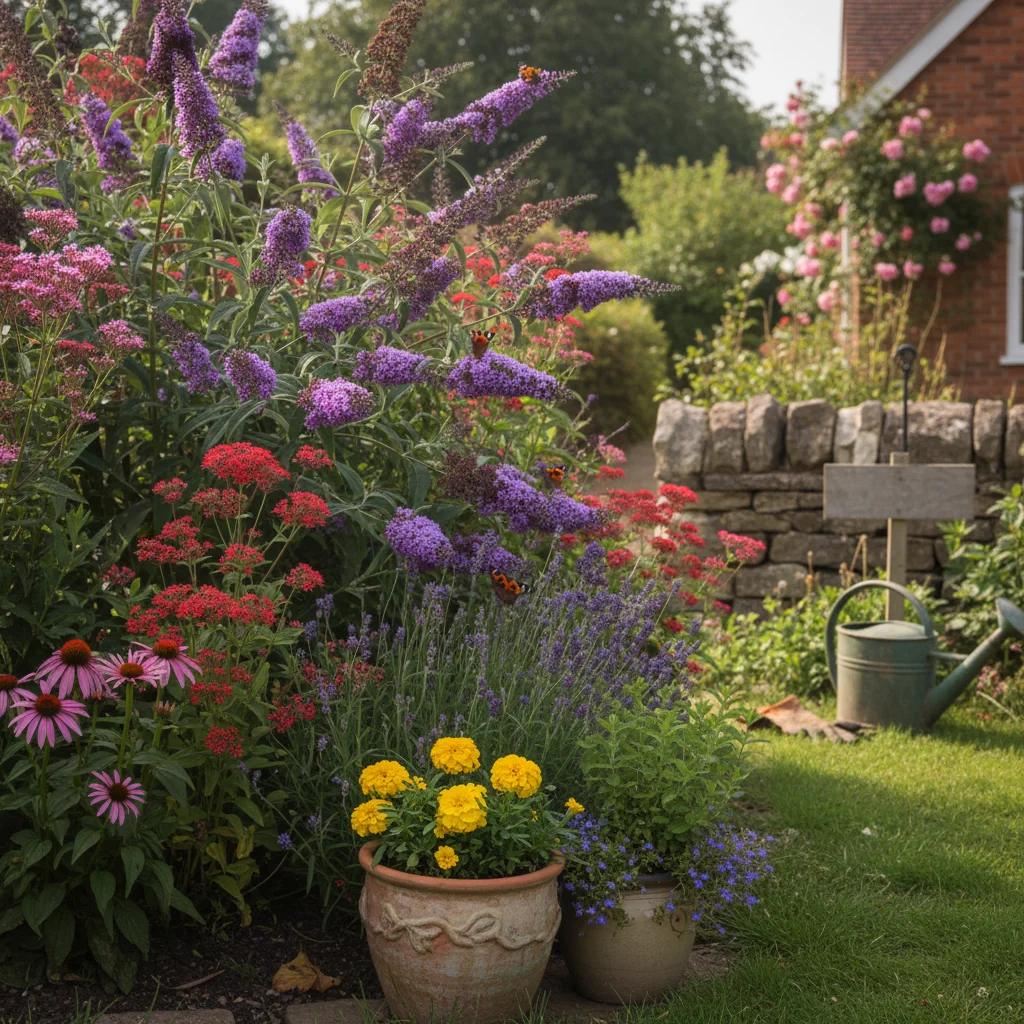
There is something truly magical about spotting a bright Red Admiral or a delicate Holly Blue fluttering past your window, especially when you live in the heart of a city. We often think of butterfly gardens as sprawling country meadows filled with wildflowers, but that is a bit of a myth. You do not need an acre of land or even a lawn to make a meaningful difference to our local butterfly populations.
In fact, urban gardens and balconies act as vital "pit stops" for pollinators moving through our concrete landscapes. A single window box filled with the right nectar-rich flowers can provide the energy a butterfly needs to find a mate or lay its eggs. Whether you have a tiny courtyard in London or a windy balcony on the coast, you can create a sanctuary that brings these beautiful insects right to your doorstep.
Why urban gardens are butterfly hotspots
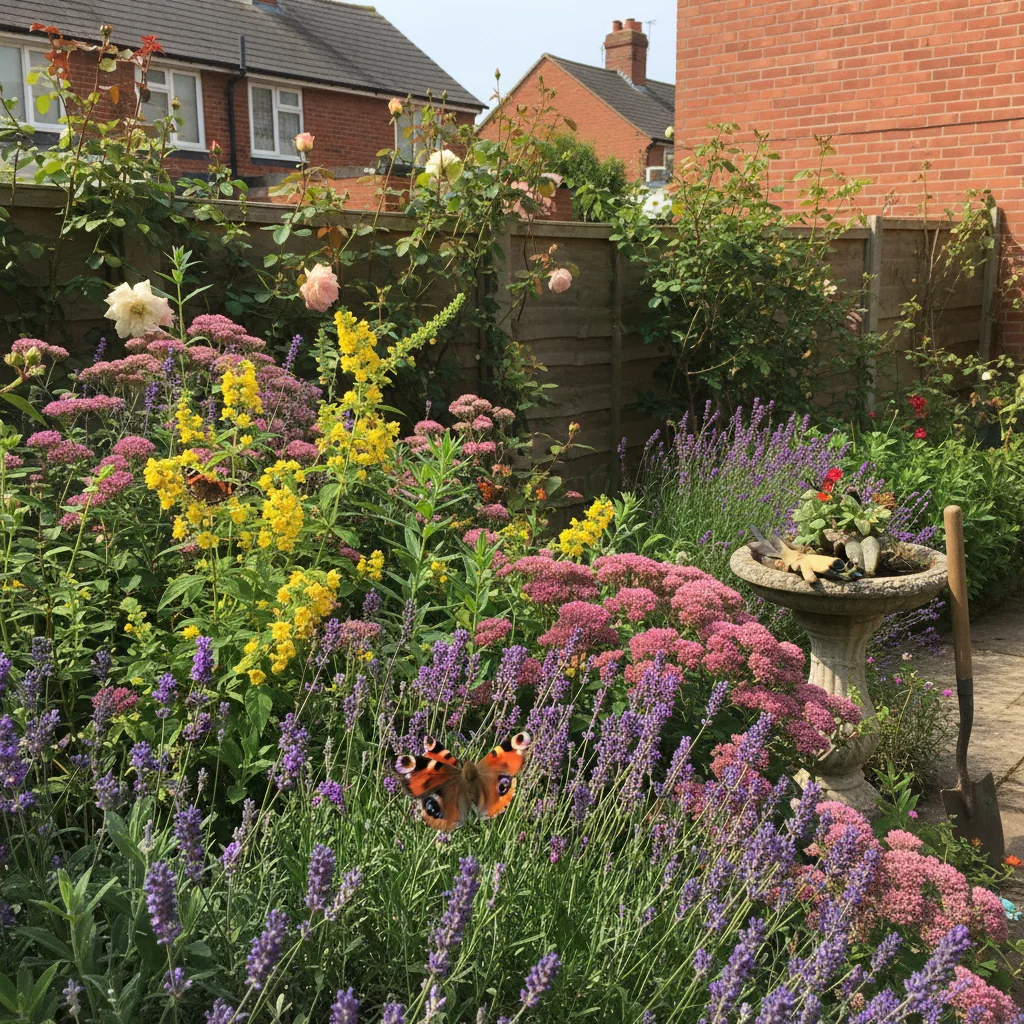
Our cities are often warmer than the surrounding countryside due to the "urban heat island" effect. Butterflies are cold-blooded and rely on the sun to warm their wing muscles for flight, so they often find city microclimates quite agreeable. Your sun-baked brick wall or sheltered patio might actually be the warmest spot in the neighbourhood, making it a prime real estate for a butterfly.
Because many natural habitats have been lost to development, the patchwork of gardens in our towns has become a critical lifeline. When we plant for butterflies in small spaces, we are contributing to a massive, invisible corridor of food. Even if you only have room for three or four large pots, those containers represent a reliable food source in a sea of grey pavement.
Choosing the right nectar plants for pots
When space is tight, every plant has to earn its keep by being both beautiful and highly functional. We want varieties that offer high nectar rewards but stay compact enough not to take over a small patio. Many traditional butterfly plants can get quite leggy and wild, but there are modern cultivars designed specifically for container life.
Look for plants that have "simple" flowers where the nectar is easy to reach. Highly bred "double" flowers often have so many petals that butterflies cannot get their proboscis down to the sugar. Stick to heritage varieties or species-specific plants that look more like their wild cousins.
If you are just starting out and want the biggest impact for the least amount of effort, focus on these reliable performers:
- Buddleja ‘Buzz’ varieties: These are dwarf versions of the classic butterfly bush that stay under four feet tall and thrive in large pots.
- English Lavender: Varieties like ‘Munstead’ are compact, smell incredible, and are absolute magnets for Gatekeepers and Common Blues.
- Oregano and Marjoram: These herbs are dual-purpose; you can use them in the kitchen, and if you let them flower, they produce clusters of tiny purple blossoms that butterflies adore.
- Sedum (Hylotelephium): Often called ice plants, these are succulent-like perennials that bloom late in the summer when other food sources are fading.
- Verbena bonariensis ‘Lollipop’: This is a shorter version of the tall, wiry Verbena that provides a see-through effect without blocking the light on a balcony.
- Wallflowers (Erysimum ‘Bowles’s Mauve’): This plant is a powerhouse because it flowers for months on end, providing nectar from early spring right through the summer.
The power of a sunny and sheltered spot
Butterflies are sun-seekers by nature, so placement is everything when you are gardening in a restricted space. If you have a south-facing balcony or a patio that gets at least six hours of sunlight, you are in a great position. If your space is partially shaded, focus on white flowers like Sweet Alyssum, which tend to be more visible in lower light levels.
Shelter is just as important as sun, especially if you are gardening several floors up. Strong winds can batter delicate wings and make it impossible for butterflies to land on flowers. If your balcony is a bit of a wind tunnel, try using a trellis with a hardy climber like Honeysuckle to create a natural windbreak.
We can also create "basking spots" using simple materials. A few flat, dark stones placed on the surface of your pots will soak up the afternoon sun. Butterflies will often land on these warm surfaces to raise their body temperature before heading off to the next flower.
Thinking beyond the flowers
To truly support the butterfly lifecycle, we have to think about more than just the adults. While nectar is the fuel for flight, caterpillars are the future of the species, and they have very specific dietary requirements. Many people are hesitant to invite caterpillars because they fear their plants will be stripped bare, but in a small garden, we can strike a balance.
Nasturtiums are a fantastic "sacrificial" plant for small spaces. They grow rapidly in window boxes and are the preferred food for Large and Small White butterflies. By tucking a few nasturtiums in a corner, you can encourage the butterflies to lay their eggs there instead of on your precious kale or ornamental plants.
Bird’s-foot trefoil is another brilliant addition for a hanging basket or a small pot. It is the primary food plant for the Common Blue caterpillar and produces lovely yellow flowers that look great trailing over the edge of a container. It is a tough, drought-tolerant plant that doesn't mind the harsh conditions of an urban balcony.
Managing water and moisture
Watering is often the biggest challenge for urban gardeners, and it affects our butterflies too. Nectar is essentially sugar water, and if a plant is thirsty, it will stop producing nectar to save moisture. This means a wilted plant is useless to a butterfly, even if it is still covered in flowers.
During a hot British summer, container plants can dry out in a matter of hours. Using self-watering pots or adding water-retaining granules to your compost can help keep the nectar flowing. We should aim to water our pots in the evening or early morning so the plants are fully hydrated by the time the sun comes out and the butterflies start foraging.
It is also a lovely idea to provide a "puddling station." Butterflies cannot drink from open water like a bird bath because they risk drowning. Instead, fill a shallow saucer with damp sand or gravel and a pinch of sea salt. They will land on the damp surface to drink and take up essential minerals from the soil.
Creating a seasonal nectar calendar
One of the most common mistakes we make is having a garden that is a riot of colour in July but a desert in April and September. Butterflies like the Brimstone emerge from hibernation early in the spring and need immediate energy. Likewise, species like the Red Admiral need to bulk up on sugar before they migrate or settle down for winter.
In early spring, primroses and crocuses are excellent choices for pots. They take up very little room and can be planted underneath larger shrubs to maximise space. These early bloomers provide that first vital meal when there is very little else available in the city.
As we move into autumn, ivy becomes the hero of the garden. While many people think of ivy as a nuisance, its late-season flowers are one of the most important nectar sources in the UK. If you have a wall or a fence, letting a small patch of ivy grow can support a huge variety of insects well into October.
Simple ways to help butterflies this weekend
You do not need to do a complete garden overhaul to start seeing results. Small, incremental changes are often more sustainable and give you a chance to see what works in your specific microclimate. If you have an hour or two this weekend, you can make your space significantly more attractive to wildlife.
- Deadhead your flowers: Removing faded blooms from plants like lavender and buddleja encourages them to produce a second flush of nectar-rich flowers.
- Put out a piece of overripe fruit: Butterflies like the Comma and Red Admiral love the sugar in fermenting plums or bananas; just place a slice on a saucer in a sunny spot.
- Stop using pesticides: Even "organic" sprays can be lethal to caterpillars and butterflies, so try to tolerate a few aphids or use a blast of water to clear them.
- Leave a little mess: If you have a corner of a patio, leave a small pile of twigs or dried leaves where a butterfly might find a spot to hide from the rain.
- Check your saucers: Ensure your pots have saucers to catch excess water, which helps keep the humidity up around the plants on hot days.
Dealing with urban constraints
We have all dealt with the frustrations of gardening in a city—limited light, no outdoor tap, and the occasional gust of wind that knocks over a pot. The key is to work with what you have rather than fighting against it. If your balcony is very high up, focus on strong-smelling plants like lavender and thyme, as the scent helps guide butterflies to your location.
If you are worried about the weight of large pots on a balcony, use lightweight resin containers instead of heavy terracotta. You can also use "vertical gardening" techniques, like hanging pockets or wall-mounted planters, to increase the number of flowers without taking up floor space. This creates a "flower wall" that is very easy for flying insects to navigate.
Remember that gardening is a journey of trial and error. Some years the Painted Ladies will arrive in droves, and other years you might only see a few Meadow Browns. The joy comes from knowing that your small patch of greenery is part of a larger effort to keep our British wildlife thriving in an ever-changing world.
By choosing the right plants and providing a little bit of shelter, you can turn your urban space into a vibrant, living ecosystem. There is no better feeling than sitting out with a cup of tea and watching a butterfly enjoy the flowers you planted just for them. Start with one or two pots this season, and you will be amazed at how quickly the local wildlife finds you.