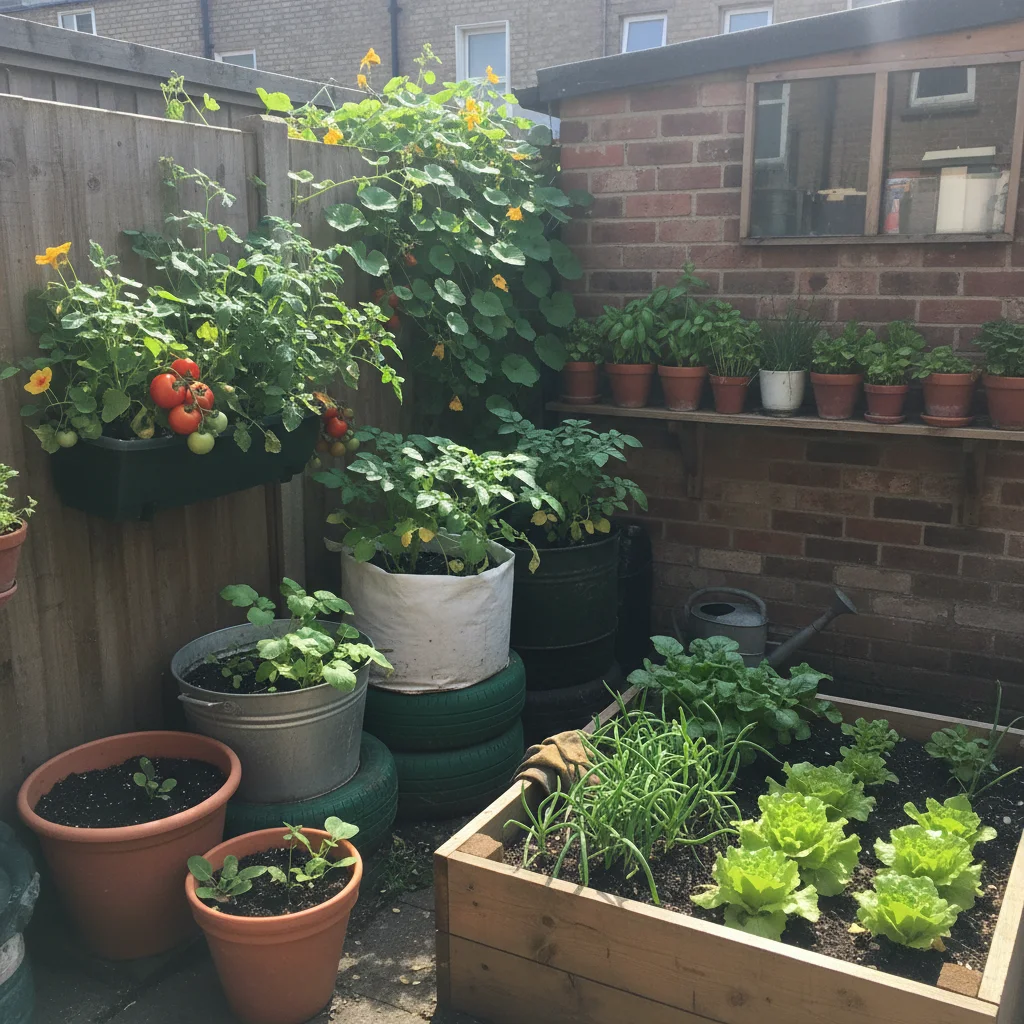
I used to think that to grow a decent amount of food, you needed a sprawling allotment or a massive country garden. For years, I looked at my small Yorkshire patio and thought it just wasn't possible. I felt like I was missing out on that wonderful feeling of picking something fresh for dinner just because I didn't have the "right" kind of space.
The truth is, you can grow an incredible amount of food in a space no bigger than a couple of doorsteps. Whether you have a tiny balcony in London, a paved courtyard, or just a sunny windowsill, you can be a vegetable gardener. It is much easier than you think to get started, and the rewards are so much better than anything you can buy in a plastic packet at the supermarket.
Growing in a small space actually has some hidden benefits. You can keep a much closer eye on your plants, which means you’ll spot any thirsty leaves or cheeky pests much faster than you would at the far end of a big garden. It’s about being clever with what you have and choosing the right plants that are happy to live in close quarters.
Look at your space in a new way
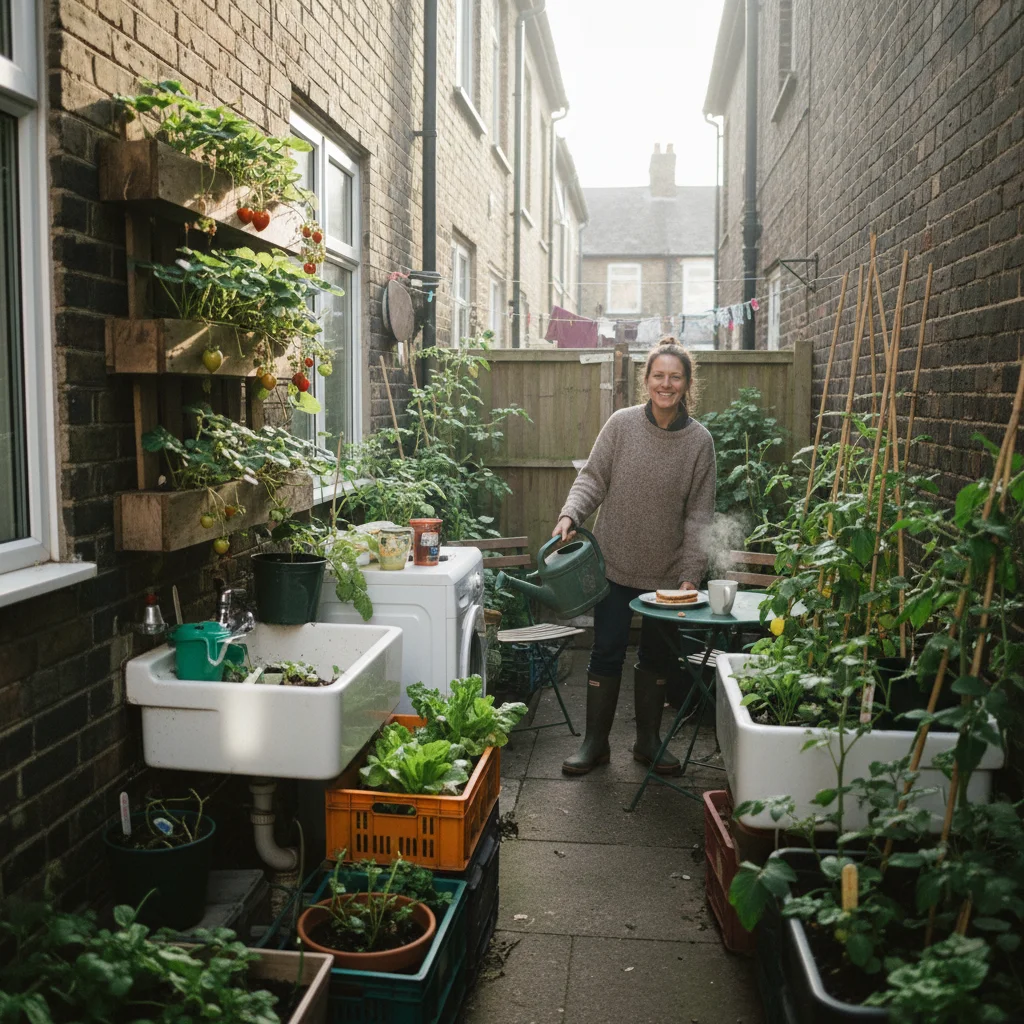
When we have a small garden, we often look at the ground and see how little room there is for a traditional veg patch. But in a small space, the ground is only the beginning. You need to start looking up at your walls, fences, and even the railings of a balcony. These are all prime real estate for growing food.
Think about where the sun falls during the day. Most vegetables love at least six hours of sunlight, but don't worry if your garden is a bit shaded. Leafy greens like spinach and lettuce are actually quite happy in cooler, shadier spots. Take a day to watch how the light moves across your space so you know exactly where the "hot spots" are for sun-loving plants like tomatoes.
If you only have a patio, containers are going to be your best friends. The great thing about pots is that they are portable. If a particular corner gets too much wind or not enough sun, you can simply pick up your garden and move it. I’ve spent many a spring morning shuffling pots around my patio to catch the best of the British sunshine. For compost, watering, and pot sizes in more depth, see grow vegetables in pots.
Choosing the right crops for tiny plots
The secret to success in a small garden is picking plants that give you a lot of food for a little bit of effort. You want to avoid things that take up a huge amount of room for a single harvest, like giant cauliflowers or maincrop potatoes that stay in the ground for months. Instead, look for "cut and come again" varieties.
Salad leaves are perfect for this. You can sow them (which just means planting the seeds) in a shallow window box and start harvesting individual leaves in just a few weeks. If you only take a few leaves from each plant, they will keep growing back, giving you fresh salad for months on end. It’s a brilliant way to make the most of a tiny footprint.
Radishes are another fantastic choice for beginners and small spaces. They are incredibly fast, often going from seed to your salad bowl in just four weeks. Because they grow so quickly, you can tuck them into the small gaps between slower-growing plants. I often sow a few radish seeds around the edge of a larger pot while I'm waiting for something else to grow.
The best varieties for containers
When you are shopping for seeds or young plants, look for words like "dwarf," "patio," or "determinate." These varieties have been specially bred to stay compact while still producing plenty of fruit. They won't try to take over your entire patio or grow three metres tall before they give you a single tomato.
For example, 'Tumbler' tomatoes are a classic choice for hanging baskets or high wall pots. Instead of growing upwards and needing a tall stake for support, they trail downwards in a beautiful green curtain. You can hang them right outside your kitchen door and pick handfuls of sweet cherry tomatoes every time you walk past.
Dwarf French beans are another winner. Unlike climbing beans that need tall bamboo tepees, these stay in neat little mounds about 30–45cm high. They are very happy in pots and produce beautiful flowers followed by heaps of crunchy beans. We’ve all had a tray of seedlings go a bit leggy because they didn't get enough light, but these sturdy little plants are much more forgiving.
Vertical growing secrets
If you run out of floor space, it is time to use your walls. Vertical gardening is just a fancy way of saying "growing upwards." You can use trellises, hanging pockets, or even old wooden pallets leaned against a wall to create more growing room. This is especially useful for things like peas or climbing cucumbers.
Cucumbers might seem like a strange choice for a small garden, but if you grow them up a trellis, they take up almost no ground space at all. Look for a variety like 'Marketmore' which is very reliable in the UK climate. The fruits will hang down, making them easy to spot and harvest, and they’ll stay much cleaner than if they were trailing on the soil.
You can even grow strawberries vertically. There are brilliant "strawberry towers" available, or you can simply use a stack of pots of different sizes. Strawberries love being off the ground because it keeps the fruit away from slugs and snails. Plus, there is nothing quite like the taste of a sun-warmed strawberry picked straight from the plant on a June afternoon.
Getting your soil right
Because your plants will be growing in a limited amount of soil, that soil needs to be top-notch. In a small garden, your plants can't send their roots deep into the earth to find nutrients, so they rely entirely on what you give them. Always use a good quality, peat-free potting compost.
I like to mix in a little bit of slow-release fertiliser at the start of the season. This acts like a multivitamin for your plants, giving them a steady stream of food over several weeks. As the plants grow and start to produce flowers or fruit, you can give them an extra boost with a liquid seaweed feed every fortnight.
Remember that pots dry out much faster than the ground. In a typical UK summer, a small pot might need watering every single day, or even twice a day if it’s particularly hot. If you stick your finger about an inch into the soil and it feels dry, it’s time to give them a drink. Rainwater is always best, so if you can squeeze a small water butt into a corner, your plants will thank you for it.
Essential tools for your mini garden
You don't need a shed full of expensive equipment to get started. In fact, one of the joys of small-space gardening is how little you actually need. Most of the jobs can be done with just a few basic items that will last you for years.
- A sturdy hand trowel for planting and moving compost.
- A small watering can with a "rose" (the sprinkler attachment) for gentle watering.
- A pair of sharp secateurs or strong kitchen scissors for harvesting and pruning.
- A few different sizes of pots with good drainage holes in the bottom.
- A bag of high-quality, peat-free multi-purpose compost.
Having these basics ready means you can jump into gardening whenever you have a spare ten minutes. I find that keeping my tools in a small bucket near the back door makes it so much easier to stay on top of things. You can just grab the bucket, do a quick bit of weeding or harvesting, and be back inside before the kettle has boiled.
Sowing and growing through the seasons
Many people think gardening is just something you do in the spring, but in a small space, you can keep things moving all year round. Sowing simply means planting your seeds, and the trick to a constant supply of food is to sow little and often. This is what we call successional sowing.
Instead of planting a whole packet of lettuce seeds at once and having twenty lettuces ready on the same day, just plant a few seeds every two weeks. This way, as you finish eating one batch, the next one is just getting ready. It’s a much more manageable way to garden when you don't have a huge family to feed or a giant fridge for storage.
As the first frosts come in late autumn, you don't have to stop. You can move smaller pots onto a sunny windowsill inside or use a "cold frame" (a small box with a clear lid) to protect your plants from the worst of the weather. Growing a few herbs like parsley or chives on a kitchen windowsill means you can have fresh flavours even in the middle of January.
Managing pests in close quarters
One of the worries people have about small gardens is that pests will find their plants more easily. While it’s true that a hungry slug can make short work of a pot of lettuce, it’s also much easier for you to manage. You aren't patrolling a massive field; you are just checking a few pots.
I find that the best way to deal with pests in a small space is to encourage "good bugs" to do the work for you. Planting a few marigolds or nasturtiums among your vegetables will attract ladybirds and hoverflies, which love to eat the aphids that can bother your crops. It also makes your vegetable patch look beautiful with a splash of orange and yellow.
If you do find slugs or snails, the simplest thing to do is to go out at dusk with a torch and move them away from your precious plants. Because you're working in a small area, this only takes a few minutes. You can also use "copper tape" around the rim of your pots, which gives the slugs a tiny, harmless electric shock that discourages them from climbing up.
Making it work for your lifestyle
The most important thing to remember is that your garden should work for you. If you are a busy person, don't try to grow twenty different types of veg. Start with two or three things you really love to eat. There is no point growing radishes if you don't like the taste of them, no matter how easy they are to grow!
Start small and gain confidence. Once you’ve successfully grown a pot of salad or a handful of tomatoes, you’ll feel much more ready to try something a bit more challenging next year. Gardening is a skill that you learn by doing, and every "mistake" is just a lesson for next time. We’ve all had crops fail, and that’s perfectly okay.
Even a single pot of mint or a window box of basil can transform your cooking and give you that wonderful connection to the seasons. You don't need a big garden to be a gardener; you just need a bit of soil, some seeds, and the willingness to give it a go.
The best time to start is right now, even if it’s just by ordering a packet of seeds or picking up a bag of compost on your next trip to the shops. You’ll be amazed at how much you can grow in just a few weeks, and there is nothing quite like the pride of serving a meal that you grew yourself. Pick one sunny corner of your patio or balcony this weekend and turn it into your very own mini-farm.