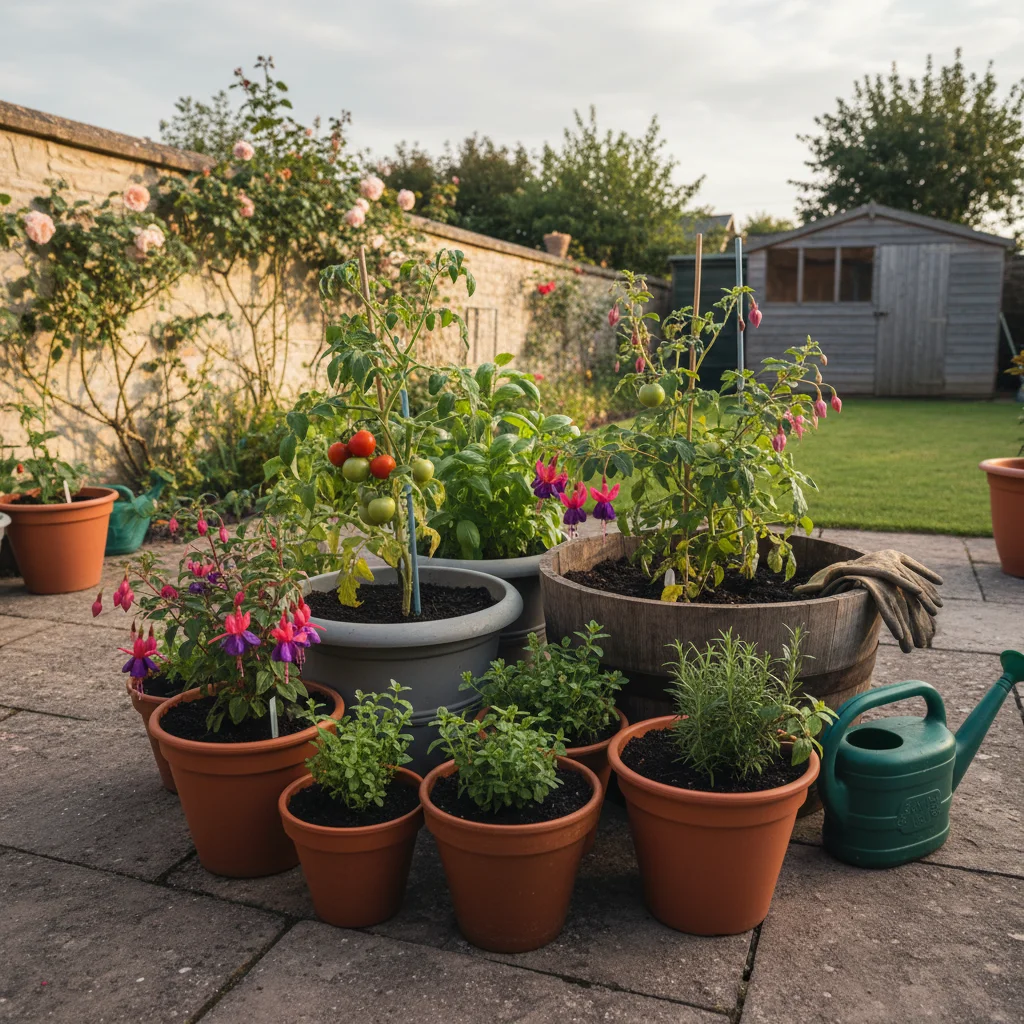
Standing in the middle of a garden centre aisle, surrounded by towering stacks of colourful plastic bags, can feel a little bit like being lost in a maze. We have all been there, squinting at the fine print on a bag of multi-purpose, wondering if it is really any different from the premium potting mix sitting right next to it. It is easy to think that soil is just soil, but when you are growing in containers, that bag of compost is the single most important investment you will make for your plants.
In a traditional garden bed, plants can send their roots deep into the earth to find moisture and nutrients. In a pot, a trough, or a hanging basket, they are entirely dependent on what you provide within those four walls. Whether you are growing 'Tumbler' tomatoes on a sunny balcony in Manchester or tending to a few pots of lavender on a London windowsill, the right compost makes the difference between a plant that merely survives and one that truly thrives.
I remember my first attempts at container gardening in a tiny courtyard in Yorkshire. I thought I could save a few pounds by using garden soil from a friend’s allotment. Within weeks, my pots were heavy, waterlogged, and the plants were struggling to breathe. It was a messy lesson, but it taught me that container gardening is its own unique world. Once you understand what your plants need from their compost, everything becomes much easier.
Why your choice of compost matters
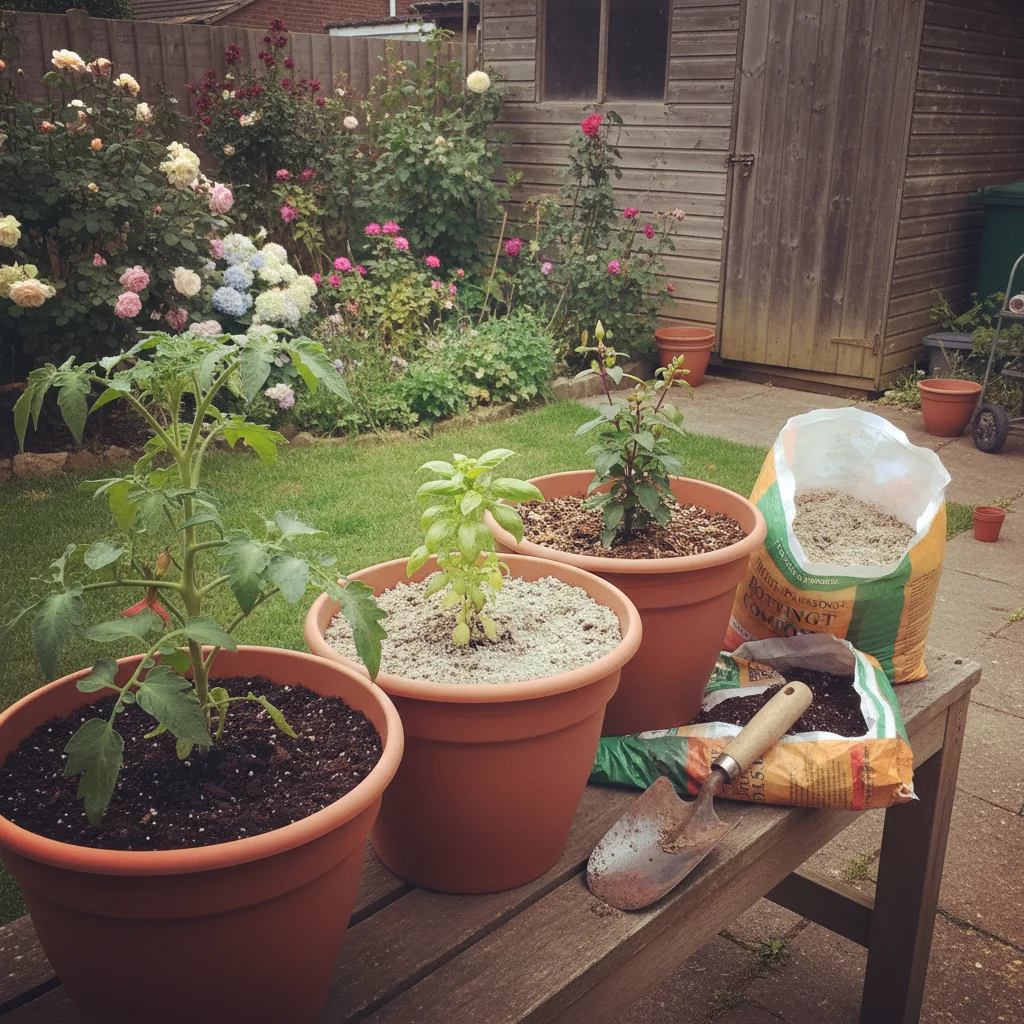
When we grow in containers, we are essentially creating a tiny, self-contained ecosystem. Because the volume of soil is limited, it needs to work much harder than the ground in a garden. A good container compost has three main jobs: it must hold onto enough water to keep the plant hydrated, allow excess water to drain away so the roots don't rot, and provide a steady supply of nutrients.
In the UK, our weather can be quite unpredictable. We might have a week of scorching sunshine followed by three days of torrential rain. A high-quality compost acts as a buffer against these extremes. It stays open and airy even when wet, ensuring that oxygen can still reach the roots. Without that oxygen, roots can’t function, and your plants will quickly turn yellow and look unhappy.
Most modern composts are "soil-less," meaning they are made from materials like composted bark, wood fibre, coir (coconut husk), or green waste. These materials are much lighter than traditional garden soil, which is a huge benefit if you need to move your pots around or if you are gardening on a balcony with weight restrictions. They are also heat-treated to ensure they are free from weed seeds and soil-borne diseases.
The shift to peat free gardening
You have likely noticed that the garden centre shelves look quite different than they did a few years ago. The UK is moving away from peat-based composts to protect our precious peatlands, which are vital for carbon storage and wildlife. While some of us grew up using peat-based mixes, the new generation of peat-free composts is excellent once you know how to handle them.
Peat-free mixes are often made from a blend of different materials, and they can behave a bit differently when it comes to watering. I’ve found that some peat-free brands can look dry on the surface while still being quite damp underneath. It’s always worth poking a finger an inch or two into the mix to check the moisture levels before you reach for the watering can.
Because peat-free composts use varied ingredients, they also have different textures. Some might feel a bit "woody" or "shaggy" compared to the smooth, dark peat we used to see. Don't let this put you off. These fibres are brilliant for creating the air pockets that roots love. If you find a brand you like, stick with it, as you’ll get used to how it dries out and when it needs a feed.
Understanding multi purpose compost
For most of us starting out, a bag of multi-purpose compost is the go-to choice. As the name suggests, it is designed to be a "jack of all trades." It is perfect for potting on young plants, filling hanging baskets, and growing most annual flowers. If you are planting up a display of petunias or marigolds for the summer, a good quality multi-purpose will do the job beautifully.
Most multi-purpose mixes come with enough added fertiliser to keep your plants fed for about four to six weeks. After that, the plants will have used up the available nutrients, and you will need to start adding a liquid feed to your watering routine. I usually mark a date on my calendar a month after planting so I don't forget to start the feeding regime.
While multi-purpose is great for short-term displays, it can sometimes lose its structure over a long growing season. If you are growing something that will stay in the same pot for more than a year, such as a rose or a small fruit tree, you might want something a bit more substantial. This is where we start looking at loam-based mixes.
The magic of John Innes mixes
If you have been browsing the compost aisle, you have almost certainly seen the name "John Innes" followed by a number. This isn't a brand, but rather a traditional recipe developed decades ago. These mixes are loam-based, which means they contain a portion of sterilised soil. This makes them heavier, more stable, and better at holding onto nutrients over a long period.
The numbers on the bags tell you exactly what is inside and what the mix is intended for. This system takes the guesswork out of gardening, which is something I always appreciate when I’m busy. Here is a quick guide to what those numbers actually mean for your containers:
- John Innes No. 1: This has a low nutrient level, making it ideal for pricking out young seedlings or potting on very small, delicate plants.
- John Innes No. 2: The most popular choice for general potting. It has double the nutrients of No. 1 and is perfect for most houseplants and established vegetable plants.
- John Innes No. 3: This is the "heavy lifter" of the group. It has the highest nutrient content and is designed for final potting of large, long-term plants like shrubs, trees, and climbers.
- John Innes Seed Compost: A very fine, low-nutrient mix specifically designed to give tiny seeds the best start without burning their delicate new roots.
I often use a John Innes No. 2 or No. 3 for my permanent containers, like the rosemary bush that sits by my back door. The added weight of the loam stops the pot from blowing over in a stiff breeze, and the soil content means I don't have to be quite as frantic about watering during a dry spell in July.
Specialist composts for specific plants
While multi-purpose and John Innes covers most bases, some plants are a bit more demanding. The most common specialist mix you will encounter is ericaceous compost. This is an acidic mix designed specifically for "lime-hating" plants. If you try to grow blueberries, camellias, or azaleas in standard compost, they will struggle to take up iron, their leaves will turn yellow, and they eventually won't survive.
If you are dreaming of home-grown blueberries on your patio, you must use ericaceous compost. It is also a good idea to water these plants with rainwater rather than tap water if you live in a hard-water area, as tap water can slowly turn the compost more alkaline over time. It sounds a bit technical, but it’s as simple as buying the bag with the purple label instead of the green one.
There are also specialist mixes for cacti and succulents. These are very gritty and free-draining, mimicking the desert conditions these plants love. If you are someone who tends to be a bit heavy-handed with the watering can, using a cactus mix for your indoor succulents can be a real lifesaver. It allows the water to zip straight through, preventing the dreaded root rot.
Feeding your container plants
One of the most common mistakes I see beginners make is assuming that the compost provides food forever. Even the best premium compost will eventually run out of steam. In the height of summer, a fast-growing tomato plant or a basket full of surfinias is incredibly hungry. They are using up those minerals every single day to produce leaves and flowers.
Once your compost has been in the pot for about six weeks, it is time to start a feeding schedule. For flowering plants, a high-potash feed (like a liquid tomato fertiliser) is brilliant for encouraging more blooms. For leafy greens or herbs, a general-purpose balanced feed will keep the foliage lush and green.
I like to use a "weakly, weekly" approach. Instead of one big dose of fertiliser, I add a half-strength dose to my watering can once a week. This provides a steady stream of nutrients rather than a "feast or famine" situation. It’s a simple habit that makes a massive difference to how your garden looks by August.
Improving drainage and water retention
Sometimes, you can give your compost a little extra help by adding a few simple ingredients. If you are planting something that hates "wet feet," like Mediterranean herbs (thyme, oregano, or rosemary), try mixing in a couple of handfuls of horticultural grit or perlite. Perlite looks like little bits of white polystyrene, but it is actually a volcanic mineral that helps keep the compost open and airy.
On the flip side, hanging baskets can dry out incredibly fast in a breeze. To help them stay hydrated, you can buy water-retaining granules. These are tiny crystals that swell up into a gel when wet, holding onto water and releasing it slowly back to the plant roots as the compost dries out. They are a brilliant "insurance policy" for those days when you might be late getting home to water the garden.
| Additive | What it does | Best for |
|---|---|---|
| Horticultural Grit | Improves drainage and adds weight | Herbs, alpines, and large shrubs |
| Perlite | Increases aeration and lightens the mix | Houseplants and young cuttings |
| Vermiculite | Holds moisture and nutrients near seeds | Sowing seeds and starting bulbs |
| Water Granules | Stores water to reduce watering frequency | Hanging baskets and small pots |
Reusing compost and staying sustainable
Gardening can get expensive if you buy fresh bags for every single pot every year. While it is always best to use fresh compost for seeds and young, delicate plants, you can often "refresh" the compost from your large decorative pots. If the plants from the previous year were healthy and didn't have any pests or diseases, there is no reason to throw that soil away.
At the start of the spring, I often tip the top third of the old compost out of my large pots and onto the compost heap. I then loosen the remaining soil and mix in some fresh compost and a handful of slow-release fertiliser granules. This gives the "tired" soil a boost of nutrients and improves the texture without the cost and waste of replacing the whole lot.
If you have the space, starting a small compost bin or a wormery is a wonderful way to create your own "black gold." Home-made compost is incredibly rich and full of life. While it can be a bit too strong to use on its own in a pot, mixing it 50/50 with a shop-bought multi-purpose creates a fantastic, sustainable growing medium that your plants will absolutely love.
Choosing the right bag for the job
When you are finally ready to make your purchase, take a moment to look at the bag itself. Avoid bags that have been sitting out in the rain for months and feel sodden and heavy. Saturated compost can become compacted and "sour" inside the plastic. Look for bags that are stored under cover or at least feel relatively light and springy when you give them a prod.
To make your gardening journey as smooth as possible, keep these few simple things in mind before you head to the checkout:
- Check if the plant needs acidic (ericaceous) soil before you buy.
- Choose a loam-based John Innes mix for any plants staying in pots for more than a year.
- Look for the "Peat-Free" label to ensure you are gardening in an eco-friendly way.
- Pick up a bottle of liquid feed at the same time so you are ready when the initial nutrients run out.
- Consider a bag of grit or perlite if you are planning to grow drought-loving herbs.
Choosing the right compost is the foundation of everything you do in your container garden. It might not be as exciting as picking out a tray of vibrant bedding plants or a new rose bush, but it is the secret ingredient that will keep your garden looking lush and healthy all summer long. Once you have the right base, you can relax and enjoy the process of watching your little green space grow.
Now that you know which bag to pick up, why not start by planting a simple herb pot? A mix of mint, parsley, and chives in a good multi-purpose compost is the perfect way to see just how much of a difference quality soil can make to your cooking and your garden.