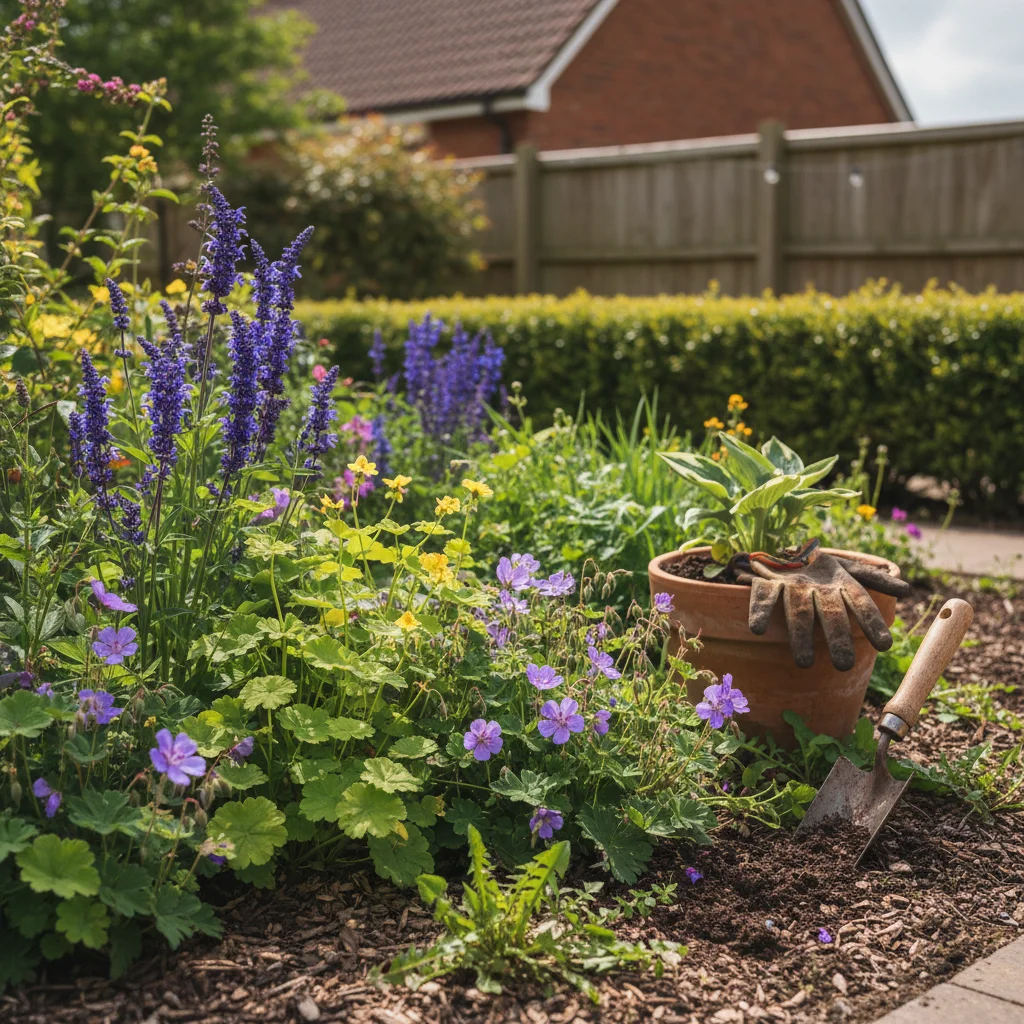
Border maintenance is the regular weeding, pruning, feeding, and mulching that keeps beds looking intended rather than overgrown. Most homeowners hire it as part of a garden maintenance round.
A well-maintained garden border is the backbone of any British landscape. It provides the structure, colour, and texture that define your outdoor space, but keeping it in top condition requires more than an occasional bit of weeding. For many homeowners, hiring a professional gardener or landscaping business is the most effective way to ensure these vital areas remain healthy and vibrant throughout the changing seasons.
Border maintenance is a specialised task that sits between general lawn mowing and high-end garden design. It requires a fundamental understanding of plant biology, soil health, and seasonal timing. When you hire a professional for this service, you are investing in the longevity of your plants and the overall health of your garden's ecosystem.
What border maintenance typically involves
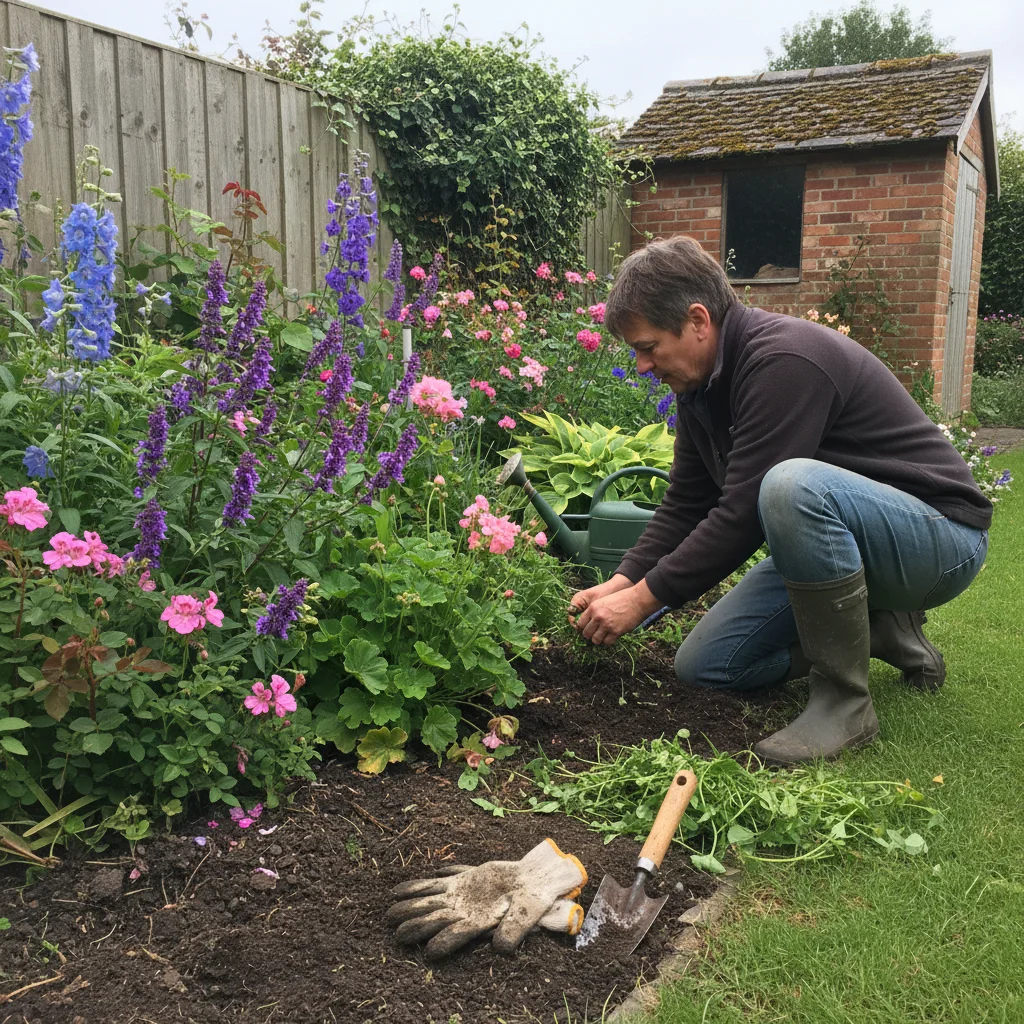
At its heart, border maintenance is about managing the competition between the plants you want and the ones you do not. A professional service usually begins with thorough weeding, which is more than just pulling up what is visible on the surface. A skilled gardener will identify perennial weeds with deep taproots, such as dandelions or docks, and ensure they are removed entirely to prevent regrowth.
Beyond weeding, the service covers the general health and aesthetics of your ornamental plants. This includes deadheading spent flowers to encourage further blooming and prevent the plant from putting all its energy into seed production. It also involves "lifting and dividing" congested perennials every few years, which rejuvenates the plants and gives you free specimens to plant elsewhere in the garden.
Structure is also a key component of the work. This might involve staking taller plants like delphiniums or lupins before they flop over in the wind, or lightly pruning shrubs to maintain their shape and health. Finally, a good gardener will focus on the edges, using a half-moon tool or shears to create a crisp line between the soil and the lawn, which instantly makes any garden look professionally tended.
The importance of soil health
We often focus on what is happening above the ground, but the success of your borders depends almost entirely on the quality of the soil beneath. A professional gardener will look at your soil texture—whether it is heavy clay, free-draining sand, or a balanced loam—and manage it accordingly. They will check the drainage to ensure your plants aren't sitting in waterlogged ground, which can lead to root rot during our wet UK winters.
Feeding is another critical element of soil care. Most borders benefit from a balanced fertiliser that provides the three essential macronutrients: Nitrogen (N) for leaf growth, Phosphorus (P) for root development, and Potassium (K) for flowering and fruiting. A professional will know when to apply these, usually in early spring as the growing season begins, to give your plants the best possible start.
Sustainability is a core part of modern soil management. I always recommend using peat-free compost or well-rotted garden manure to improve soil structure and nutrient levels. Moving away from peat-based products is essential for protecting our natural peatlands, and a good gardener will be happy to work with these environmentally friendly alternatives to build long-term soil fertility.
Seasonal timing for your borders
The needs of your garden change significantly as we move through the year. In the spring, the focus is on preparation and protection. This is the time for clearing away the last of the winter debris, applying a thick layer of mulch, and getting supports in place for fast-growing herbaceous plants. It is a busy period where the groundwork is laid for the summer display.
As we move into the summer months, the work shifts towards maintenance and hydration. Deadheading becomes a weekly task to keep the borders looking fresh and to extend the flowering season of many perennials. During dry spells, a gardener will focus on deep watering, ensuring the moisture reaches the roots rather than just dampening the surface, which can encourage shallow rooting.
Autumn is the season for "putting the garden to bed." This involves cutting back faded perennials, though many gardeners now choose to leave some seed heads standing to provide food and shelter for birds and insects over winter. It is also the ideal time for planting spring-flowering bulbs and dividing large clumps of plants while the soil is still warm but the plants are entering dormancy.
How to set expectations with a professional
When you hire someone to look after your borders, clarity is the most important factor. Border maintenance can be subjective; one person’s "natural look" is another person’s "untidy mess." You should discuss exactly what you want to achieve, whether that is a pristine, show-home finish or a more relaxed, wildlife-friendly cottage garden style.
It is also vital to discuss the practicalities of the job before work begins. Not every gardener provides the same level of service, and some may focus purely on the horticultural side while others handle the heavy lifting and waste removal. To ensure a smooth working relationship, you may want to clarify a few specific points:
- Do you provide your own professional-grade tools and equipment?
- How do you handle the disposal of green waste and do you offer composting advice?
- Are you able to identify and care for specific or rare plant varieties in my garden?
- Do you prefer to work on a fixed schedule or a flexible, as-needed basis?
- Can you provide advice on sustainable practices, such as using peat-free mulches?
Waste management is a significant consideration in the UK, where green waste bins can fill up quickly. A professional should be able to tell you if they have a waste carrier licence to take debris away, or if they can help you set up a dedicated compost heap. Composting on-site is the most sustainable way to manage garden waste, turning your old clippings into "black gold" for future soil improvement.
Practical tips for border success
While a professional will do the heavy lifting, there are things you can do to make the maintenance more effective. One of the best investments you can make is a thick layer of mulch applied in late winter or early spring. A 5cm to 7cm layer of bark chippings or leaf mould suppresses weed seeds, retains moisture during the summer, and slowly breaks down to improve the soil.
Another tip is to avoid "digging for the sake of digging." In the past, it was common practice to turn over the soil between plants every year. We now know that this can damage the delicate network of mycorrhizal fungi that help plants take up nutrients. It also brings dormant weed seeds to the surface where they are more likely to germinate. A "no-dig" approach, where you simply lay organic matter on top, is often much better for the soil.
If you have a large garden, consider tackling the borders in sections rather than trying to do everything at once. This makes the task less daunting for you and allows a hired gardener to focus their energy on one area at a time, ensuring a higher quality of finish. It also allows you to stagger the flowering times across different parts of the garden for year-round interest.
Tools and techniques used by experts
A professional gardener will arrive with a specific set of tools designed for efficiency and plant health. You will often see them using a Dutch hoe for clearing small weeds on a dry day, or a hand fork for more precise work around delicate stems. High-quality bypass secateurs are essential for clean pruning cuts that heal quickly, reducing the risk of disease entering the plant.
The technique used for weeding is also important. For annual weeds, cutting the heads off before they set seed is the priority. For perennials, the entire root must be removed. If a gardener uses a systemic weedkiller, they should be qualified to do so and use it sparingly and targetedly to avoid harming beneficial insects or neighbouring plants.
Finally, edge definition is the secret weapon of the professional. Even a border with a few weeds will look intentional if the line between the soil and the grass is sharp. A long-handled edging shear or a traditional spade can be used to maintain this boundary. This simple act of "framing" the border makes the colours of the plants pop and gives the entire garden a sense of order.
By understanding the technical needs of your plants and the importance of soil health, you can work more effectively with a professional gardener to create a landscape that thrives. Regular, expert care prevents small issues from becoming expensive problems and ensures your garden remains a source of pride and relaxation throughout the year. Your next step is to find a local tradesperson who shares your passion for plants and understands the unique requirements of your specific garden soil.
Frequently asked questions
What does border maintenance include?
Weeding by the root, deadheading, seasonal pruning, mulching, and staking. It is not a one-off redesign — that is a separate planting or renovation job.
How often should borders be maintained?
Fortnightly in the growing season is typical. Monthly in winter is enough for structure, leaves, and any pruning that should not wait until spring.
Can I do border maintenance myself?
Yes, if you have time in spring and summer. Hire when beds are large, weeds are perennial (bindweed, ground elder), or you want someone who knows what not to pull up.