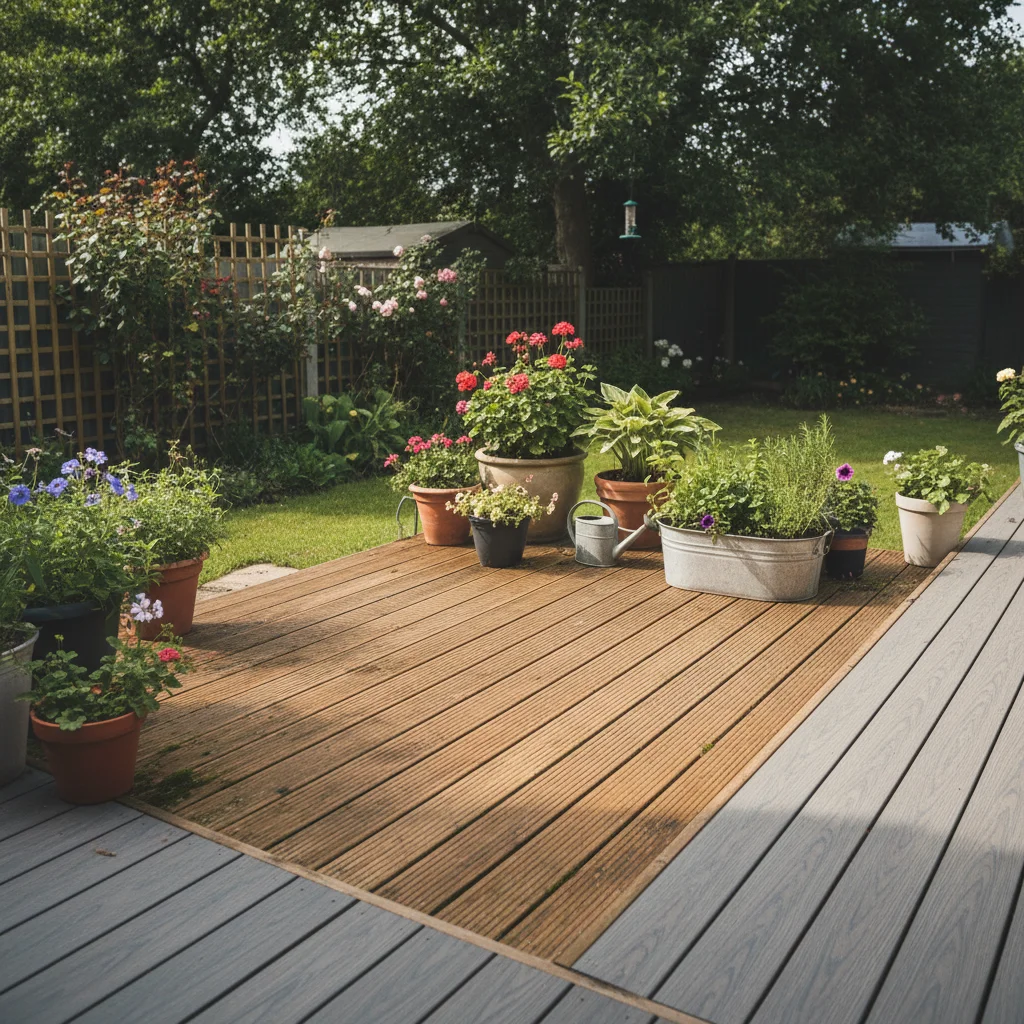
Garden decking only lasts if the sub-frame, joist spacing, and ventilation are right for UK weather. Timber needs more upkeep; composite costs more up front and less each year.
A well-constructed deck is more than just a platform for a table and chairs. It serves as a vital bridge between the comfort of your home and the natural beauty of your garden. In our often damp UK climate, a deck provides a level, stable surface that allows us to enjoy the outdoors without worrying about muddy lawns or uneven paving.
Choosing the right material and ensuring the structure is sound are the most important decisions you will make. Whether you are looking for the natural warmth of real wood or the low-maintenance appeal of modern alternatives, understanding how these materials interact with our weather is essential. A deck that is poorly planned or neglected can quickly become a liability rather than an asset.
When we approach decking from a horticultural perspective, we must also consider the environment beneath and around the structure. Proper airflow and drainage are not just about protecting the timber; they are about maintaining the health of your garden soil and preventing the build-up of stagnant moisture. A thoughtful installation respects the land it sits upon while providing a durable space for relaxation.
Choosing between timber and composite
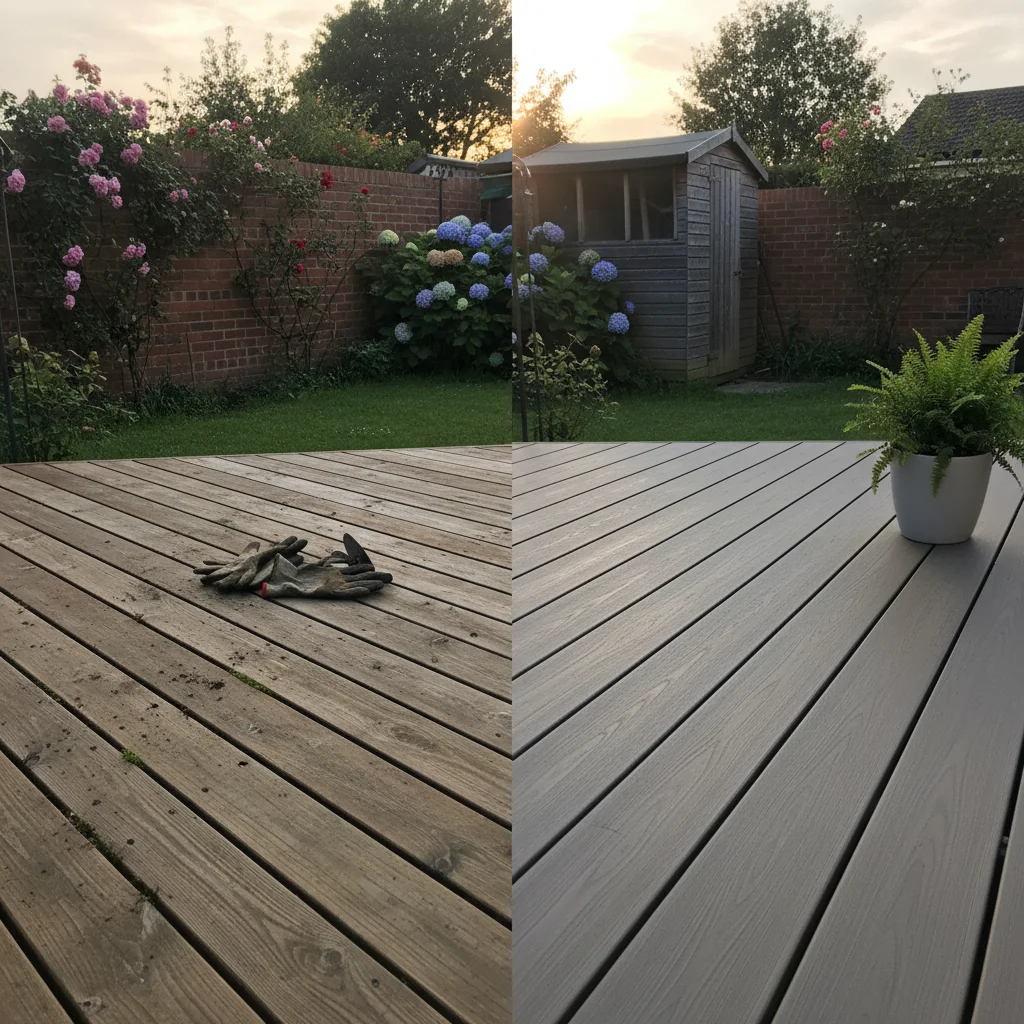
Timber remains the traditional choice for many British gardeners, offering a natural aesthetic that blends seamlessly with planting schemes. Most entry-level timber decking is made from pressure-treated softwood, usually pine or spruce. This wood is infused with preservatives to resist rot and insect attack, though it still requires regular treatment to stay in peak condition.
For those seeking more durability and a distinct look, hardwoods like Oak, Ipe, or Balau are excellent options. These woods are naturally dense and contain oils that protect them from the elements without the need for heavy chemical treatments. While they are more of an investment initially, their lifespan often justifies the cost, provided they are sourced from FSC-certified forests to ensure environmental responsibility.
Sustainability is a key consideration when selecting wood. I always recommend looking for the FSC or PEFC logos to ensure the timber has been harvested from managed forests. Using locally grown larch or cedar can also reduce the carbon footprint of your project while offering natural resistance to decay due to the high resin content in the wood.
The rise of composite decking
Composite decking has transformed the way we think about outdoor living over the last decade. Made from a blend of wood fibres and recycled plastics, these boards are designed to mimic the appearance of wood while eliminating many of its drawbacks. They do not splinter, warp, or rot, making them a practical choice for busy households or those who prefer to spend their weekends gardening rather than staining planks.
One of the primary benefits of composite is its performance in the shade. In the UK, timber decks in north-facing or heavily shaded spots often become incredibly slippery due to algae growth. Composite boards are generally less hospitable to organic growth, though they still require a quick occasional wash to remove surface debris that could harbour spores.
When choosing composite, look for "capped" boards. These have an extra protective layer that further resists fading from UV rays and prevents stains from food or drink spills. While the plastic content is a consideration for the eco-conscious gardener, many high-quality brands now use a high percentage of recycled milk jugs or plastic bags, giving a second life to materials that might otherwise end up in landfill.
Building a solid foundation
The longevity of your deck depends entirely on what lies beneath the surface. A common mistake is focusing on the beauty of the top boards while neglecting the subframe. In the UK, the most frequent cause of deck failure is "ground-up" rot, where moisture is trapped against the wooden joists, leading to structural decay long before the surface boards wear out.
To prevent this, the subframe should ideally be elevated off the ground using adjustable pedestals or concrete plinths. This creates a vital air gap that allows the soil to breathe and keeps the timber dry. If you are building directly over soil, a heavy-duty weed membrane topped with a layer of gravel will prevent unwanted growth from pushing up through the boards while allowing rainwater to permeate back into the earth.
For the joists themselves, using "joist tape" is a professional touch that adds years to a deck’s life. This waterproof flashing tape is applied to the top of the timber beams before the decking boards are screwed down. It prevents water from sitting in the screw holes and seeping into the grain of the joists, which is where rot usually begins its work.
Managing drainage and airflow
Water is the primary enemy of any garden structure in our climate. When designing your deck, you must incorporate a slight gradient, often referred to as a "fall." A slope of about 1 in 80 is usually sufficient to ensure that rainwater runs off the surface rather than pooling in the middle. This is particularly important for grooved boards, which can trap water if installed perfectly level.
Airflow is just as critical as drainage. If a deck is completely enclosed around the sides, humidity builds up underneath, creating a greenhouse effect that accelerates rot and encourages fungal growth. Using decorative lattice or leaving small gaps between the side skirting boards ensures that air can circulate freely, keeping the entire structure seasoned and dry.
Consider where the water goes once it leaves the deck. If your deck sits next to the house, the fall must always lead water away from the building's walls to protect your damp-proof course. Directing runoff into a nearby border or a specially designed rain garden is a wonderful way to recycle that water for your plants, turning a structural necessity into a horticultural benefit.
Safety and the British weather
Safety should never be an afterthought, especially given how much rain we receive. Slips and trips are the most common issues with garden decking. While many people believe that grooved boards are "anti-slip," they can actually be more dangerous if the grooves become clogged with wet leaves and algae. Smooth boards are often easier to keep clean and can be less slippery if maintained correctly.
For areas that are frequently wet, such as around a pond or at the bottom of a slope, consider boards with integrated grit strips. These provide a high-friction surface without compromising the look of the wood. Railings and balustrades are also essential for any deck raised more than 30cm off the ground, providing both a safety barrier and a structural frame for climbing plants like clematis or jasmine.
Lighting is another safety feature that doubles as a design element. Recessed LED deck lights or post-mounted lanterns ensure that steps and edges are clearly visible after dark. In a sustainable garden, solar-powered options are excellent, as they require no trenching for cables and take advantage of the long daylight hours during the summer months.
Maintaining your deck for longevity
A regular maintenance routine will significantly extend the life of your deck. Every spring, give the surface a thorough sweep to remove organic matter. If left to sit, damp leaves break down and create a compost-like film that feeds algae and fungi. For timber decks, a gentle wash with a stiff brush and a specialised deck cleaner will restore the colour and remove slippery biofilms.
Avoid the temptation to use a high-pressure power washer on timber. The intense pressure can strip the soft summerwood fibres, leaving the surface "furry" and more prone to splintering and water absorption. A garden hose and a bit of elbow grease are much kinder to the wood. Once clean and completely dry, applying a high-quality deck oil will nourish the timber and provide a water-repellent barrier.
Composite decks require much less work, but they are not "zero maintenance." They should be washed periodically with soapy water to remove dust and pollen. If you notice any grease stains from a barbecue, it is best to clean them immediately with a mild detergent, as the porous nature of the wood fibres in the composite can occasionally absorb oils if left for too long.
| Feature | Softwood Timber | Hardwood Timber | Composite Decking |
|---|---|---|---|
| Lifespan | 10–15 years | 25–40 years | 20–30 years |
| Maintenance | High (Annual oiling) | Medium (Occasional oil) | Low (Washing only) |
| Slip Resistance | Moderate (when clean) | Moderate | High (often textured) |
| Sustainability | Good (if FSC) | Variable | Good (if recycled) |
Knowing when to replace your deck
Even with the best care, all garden structures eventually reach the end of their functional life. It is important to inspect your deck annually, ideally in the autumn before the heavy rains arrive. Focus your attention on the points where the wood meets the ground or where the joists are joined together, as these are the areas most vulnerable to failure.
You should consider a replacement if you notice any of the following signs:
- The wood feels soft or "spongy" when stepped on, indicating internal rot.
- Visible fungal growth or large mushrooms appearing from the sides of the joists.
- Posts that wobble or feel unstable when you lean against the railing.
- Significant warping or "cupping" of the boards that creates a trip hazard.
- Fasteners and screws are rusting through or pulling out of the wood.
Replacing a deck is also an opportunity to rethink your garden layout. Perhaps your needs have changed, and you require a larger space for entertaining, or maybe you want to incorporate more planting pockets into the deck design. When the time comes to dismantle an old timber deck, remember that pressure-treated wood should not be burned in a garden fire; it must be disposed of at a licensed waste facility to prevent the release of chemicals.
Taking the time to choose the right materials and focusing on a high-quality installation will ensure your deck remains a beautiful, safe, and functional part of your garden for decades. By understanding the needs of the material and the realities of our climate, you can create an outdoor space that truly stands the test of time. Reach out to a professional to discuss how a new deck can best serve your garden's unique landscape.
Frequently asked questions
Timber or composite garden decking?
Timber is cheaper to install and warmer underfoot, but needs staining or oiling. Composite resists rot and splinters, costs more, and still needs a proper ventilated frame.
What should a decking quote include?
Sub-frame, boards, fixings, edge trim, and how they handle levels and drainage. Ask whether old decking removal and waste are extra.
Is decking a DIY job?
A small, low, rectangular deck on a level plot can be DIY. Raised decks, steps, and anything needing building control is work for a landscaper.