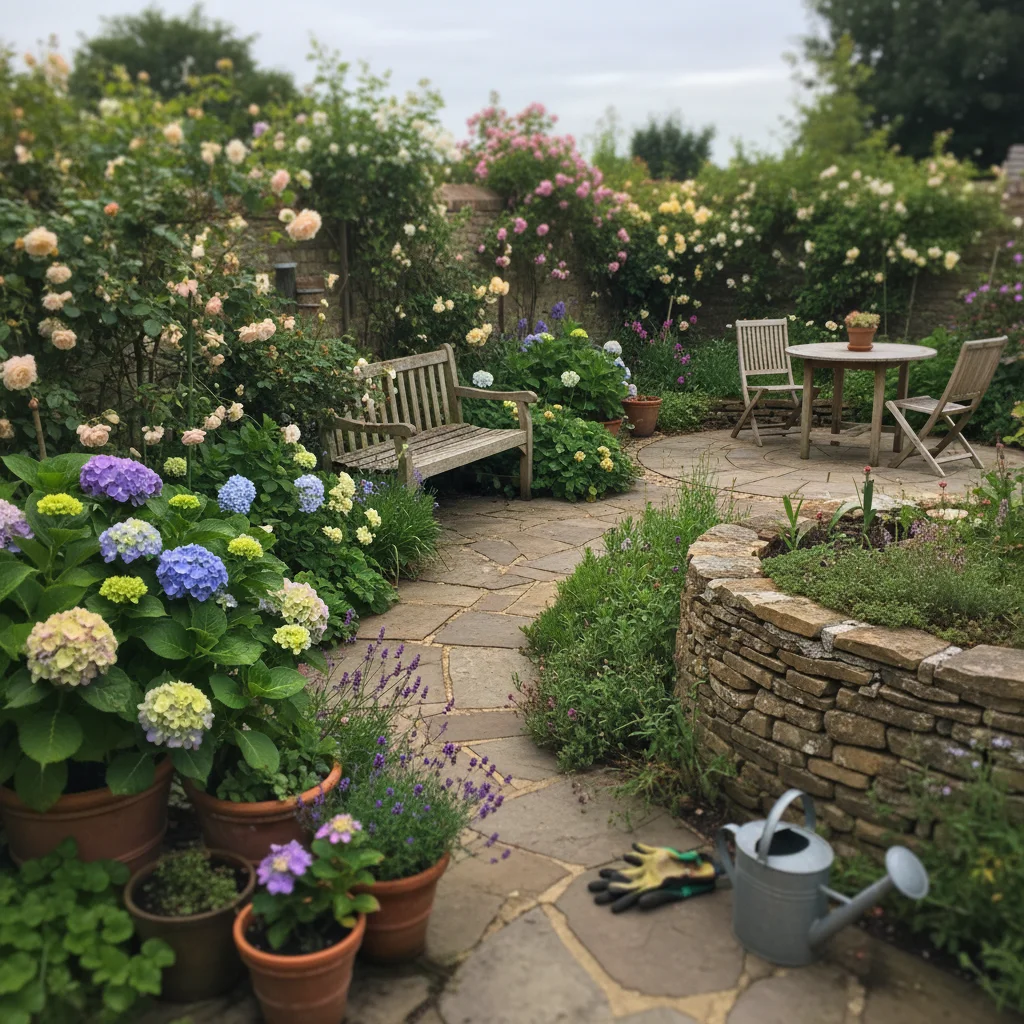
Garden landscaping is the build: paving, levels, lawns, and planting put in as a project. Soft landscaping is plants and soil; hard landscaping is everything that does not grow.
When we think about our gardens, we often picture the end result: a lush lawn, a sun-drenched terrace, or a border bursting with perennial colour. However, getting to that point requires a clear understanding of the two fundamental pillars of garden design. These are known as hard and soft landscaping, and they work together to create a functional, beautiful outdoor room.
Many homeowners use the term landscaping to mean "doing the garden," but in the professional trade, it refers to a specific set of disciplines. Hard landscaping provides the architecture and the "bones" of the space, while soft landscaping provides the life, texture, and movement. Understanding the distinction is the first step toward a successful renovation that stands the test of time and weather.
In the UK, our climate plays a significant role in how we approach these two elements. We have to consider high rainfall, frost-thaw cycles that can crack paving, and varying soil types from heavy London clay to the thin, acidic soils of the highlands. A well-planned landscape balances these environmental challenges with your personal aesthetic and how you intend to use the space.
The structural role of hard landscaping
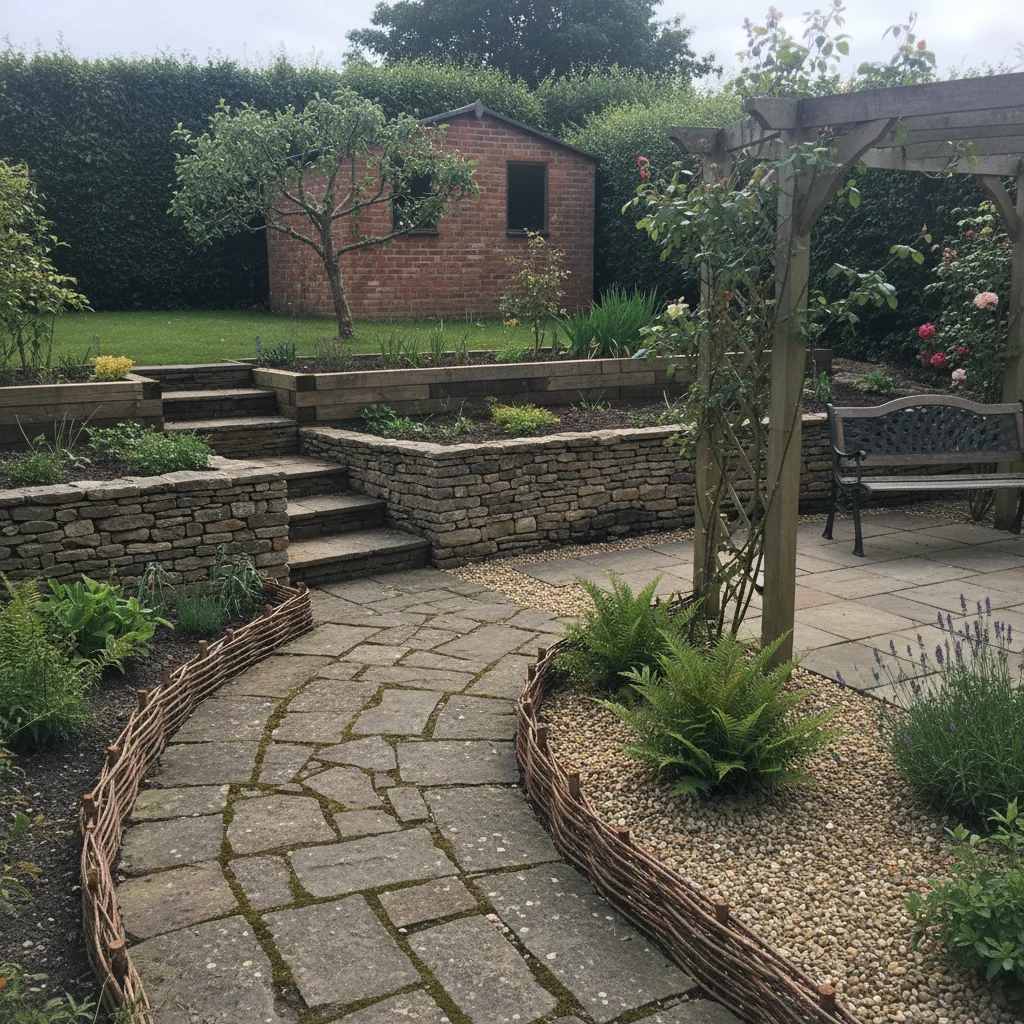
Hard landscaping refers to the non-living, "hard" elements of your garden. These are the permanent structures that define the shape of the space and provide the foundation for everything else. Without solid hard landscaping, a garden can feel aimless or, worse, become a muddy and unusable bog during a typical British winter.
The primary purpose of hard landscaping is utility and longevity. It creates level areas on sloping sites, provides stable paths for access, and ensures that water is directed away from your home’s foundations. Because these elements involve significant groundworks and heavy materials, they are usually the most expensive and labour-intensive part of any garden project.
Sustainability is becoming increasingly important in this area of gardening. When choosing materials for your hard landscaping, we should look for permeable options that allow rainwater to soak back into the ground rather than overwhelming our drainage systems. Using locally sourced stone or reclaimed bricks also reduces the carbon footprint of your project while ensuring the garden feels like it belongs in its natural setting.
Common hard landscaping elements
Every garden has different requirements, but most structural designs will draw from a specific set of features. These elements work together to create the "floor" and "walls" of your outdoor living area.
- Patios and terraces made from natural stone, porcelain, or concrete pavers.
- Retaining walls and decorative boundaries built from brick, flint, or timber sleepers.
- Garden paths and walkways using gravel, setts, or stepping stones.
- Decking areas constructed from durable hardwoods or recycled composite materials.
- Driveways and parking areas that require heavy-duty sub-bases and drainage.
- Permanent structures like pergolas, gazebos, or built-in outdoor kitchens.
Why hard landscaping requires professional planning
It is tempting to think of a patio as simply laying stones on the ground, but the reality is much more technical. Proper hard landscaping involves managing levels and ensuring correct drainage. In the UK, we often deal with heavy rain, and if a patio is not tilted slightly away from the house (known as the "fall"), you risk damp issues or standing water.
The "sub-base" is the most critical part of any hard landscaping feature, even though you never see it. This is usually a compacted layer of crushed stone (often called Type 1 MOT) that prevents the paving from shifting or sinking over time. A poorly installed sub-base will lead to uneven slabs and cracked pointing after just one or two winters of frost.
We must also consider the "muck away" process, which is the removal of excess soil and old materials from the site. This often requires skips or "grab lorries" and can be a significant part of the budget. A professional landscaper will calculate exactly how much spoil needs to be removed and how much new material is required to ensure the garden remains level and stable.
The living world of soft landscaping
Soft landscaping is the "soft" or living part of your garden. This includes the soil, the turf, the trees, and the herbaceous plants that bring the space to life. If hard landscaping is the furniture and the flooring of a room, soft landscaping is the upholstery, the wallpaper, and the atmosphere.
This element of the garden is fluid and ever-changing. Unlike a stone wall, a hedge will grow, a perennial border will change with the seasons, and a lawn will require regular feeding and mowing. Soft landscaping is where we connect with nature, encouraging pollinators and creating a space that feels calm and restorative.
The success of soft landscaping depends almost entirely on the health of your soil. Before any planting begins, we must assess the soil texture and pH level. Adding organic matter, such as well-rotted garden compost or leaf mould, improves the soil structure and provides the nutrients plants need to thrive without the need for heavy chemical fertilisers.
Essential components of soft landscaping
While plants are the stars of the show, soft landscaping covers everything that grows or supports growth. It is about creating an ecosystem that can support itself with minimal intervention over time.
Selecting the right plants for the right place is the golden rule of soft landscaping. A plant that loves the damp, acidic soil of a woodland edge will struggle in a dry, chalky south-facing border. By matching the plant to your garden's specific microclimate, you ensure it stays healthy and resists pests and diseases naturally.
Tree planting is perhaps the most impactful soft landscaping choice you can make. Trees provide height, shade, and privacy, and they are vital for carbon sequestration. Even in a small UK garden, a well-chosen ornamental tree like a Sorbus or a Malus can provide year-round interest while supporting local bird populations.
How hard and soft landscaping work together
A truly successful garden is a seamless marriage of these two disciplines. Hard landscaping provides the frame, and soft landscaping fills it with colour and texture. For example, a harsh concrete wall can be transformed by the "soft" addition of climbing roses or ivy, which blurs the lines and makes the structure feel integrated.
We often use soft landscaping to solve problems created by the hard elements. If a new patio feels too exposed, a row of pleached trees or a tall hedge can provide an instant sense of enclosure. Conversely, a beautiful planting scheme can be let down if there isn't a solid path to reach it, leading to trampled borders and muddy boots.
The balance between the two also determines how much maintenance your garden will require. A garden dominated by hard landscaping like large paved areas will be easier to keep tidy but can feel cold and sterile. A garden that is mostly soft landscaping will be a haven for wildlife but will demand more of your time for pruning, weeding, and lawn care.
When to start a landscaping project
Timing is everything when it comes to garden renovations in the UK. Most people start thinking about their gardens in the spring, but this is often the busiest time for contractors. Starting your planning in the autumn or winter allows you to get the hard landscaping finished while the plants are dormant, ready for a spring planting session.
Hard landscaping can technically be done at any time of year, though heavy rain can make groundworks difficult and deep frost can prevent mortar from setting. If you are planning a major overhaul involving diggers and heavy machinery, it is often best to do this in the drier months to avoid compacting and damaging the soil structure.
Soft landscaping has its own calendar. Bare-root trees and hedging are best planted between November and March, as this is more cost-effective and allows the roots to settle before the heat of summer. Turf is best laid in autumn or spring when the weather is mild and there is plenty of natural rainfall to help it knit together.
How to brief a landscaper effectively
When you are ready to hire a professional, a clear brief is the best way to ensure you get the results you want within your budget. You don't need to be a designer to create a good brief; you just need to be clear about how you live and what you value in an outdoor space.
Think about the "must-haves" versus the "nice-to-haves." If you have young children or pets, you might prioritise a flat lawn and safe boundaries. If you love entertaining, a large, level terrace with space for a dining table will be at the top of your list. Being honest about your budget from the start helps the landscaper suggest the right materials for the job.
It is also vital to discuss the long-term maintenance of the garden. There is no point in having an intricate parterre garden if you only have an hour a week to spend on gardening. A good landscaper will help you choose "low-maintenance" options, such as slow-growing shrubs and high-quality artificial or durable natural stone, if that fits your lifestyle better.
Questions to ask your landscaper
Before the first spade hits the ground, you should have a detailed conversation with your contractor. This ensures everyone is on the same page regarding the timeline and the final finish.
- Will you be managing the drainage and where will the surface water go?
- What depth of sub-base are you planning to use for the paved areas?
- Are the plants you've chosen suited to my specific soil type and aspect?
- How will you protect the existing soil from compaction during the build?
- Will you be using peat-free compost and sustainably sourced materials?
- What is the plan for waste removal and is it included in the quote?
The stages of a typical landscaping project
A professional landscaping project usually follows a set sequence to ensure efficiency and a high-quality finish. It starts with the "site survey," where levels are measured and the soil is tested. This is followed by the design phase, where the layout of the hard and soft elements is finalised on paper.
The "groundworks" phase is often the most shocking for homeowners. This involves clearing the site, digging foundations, and installing drainage. Your garden will look like a building site during this period, but it is the most important stage for the longevity of the garden. Once the foundations are in, the "hard" elements like walls and patios are constructed.
The final stage is the "soft" phase. This is when the topsoil is prepared, the lawn is laid, and the plants are put into the ground. This is the most rewarding part of the process, as the garden suddenly transforms from a construction zone into a living space. A good landscaper will also provide you with a "care plan" to help you look after your new plants as they establish.
Making sustainable choices for the future
As gardeners, we have a responsibility to look after the environment. When planning your landscaping, consider how you can give back to nature. Instead of a solid concrete driveway, could you use reinforced gravel that allows water to permeate? Instead of a fence, could you plant a native hedge that provides a home for nesting birds?
We should also be mindful of the materials we bring into our gardens. Responsibly sourced timber, certified by the FSC, ensures that your deck doesn't contribute to deforestation. Choosing UK-grown plants reduces the risk of importing pests and diseases, and using peat-free growing media protects our precious peatland habitats.
By balancing the structural needs of hard landscaping with the ecological benefits of soft landscaping, you create a garden that is not only beautiful but also resilient. A well-designed landscape increases the value of your home, improves your well-being, and provides a vital sanctuary for local wildlife. Once the work is complete, you can step out into a space that feels perfectly tailored to your life and the natural world around you.
Frequently asked questions
What is hard landscaping vs soft landscaping?
Hard is patios, walls, steps, and drainage. Soft is turf, trees, and borders. Most jobs need both, sequenced so planting is not standing in a building site.
Designer or landscaper first?
A plan helps on expensive hard landscaping. For a straightforward patio and lawn, an experienced landscaper can design as they quote — still get it in writing.
What should a landscaping quote show?
Each area priced, materials, drainage, waste, and who is responsible for making good. A one-line “landscaping £X” is not a quote you can hold anyone to.