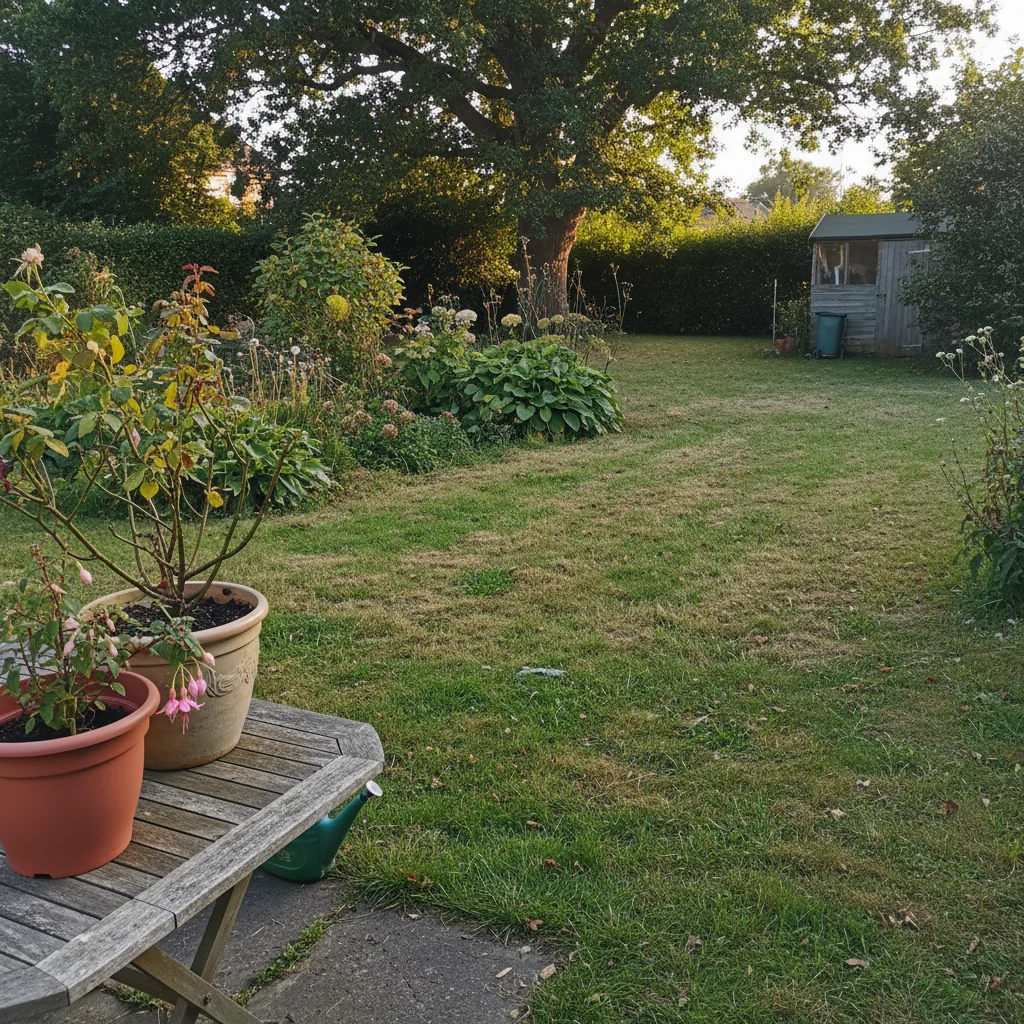
We often view mowing as a simple chore, a routine task to be ticked off the list on a sunny Saturday afternoon. However, as a former head gardener, I can tell you that more damage is done to British lawns through poor mowing habits than almost any other gardening activity. It is the most frequent interaction you have with your grass, and getting it wrong can lead to a thin, patchy, and weed-prone sward.
A lawn is not just a green carpet; it is a collection of thousands of individual living plants. Each time you pass over it with a mower, you are essentially performing a form of pruning. When done correctly, this encourages the grass to grow thicker and more resilient. When done poorly, you strip the plant of its ability to feed itself, leaving it vulnerable to the unpredictable UK weather and common garden pests.
The Golden Rule of Mowing Height
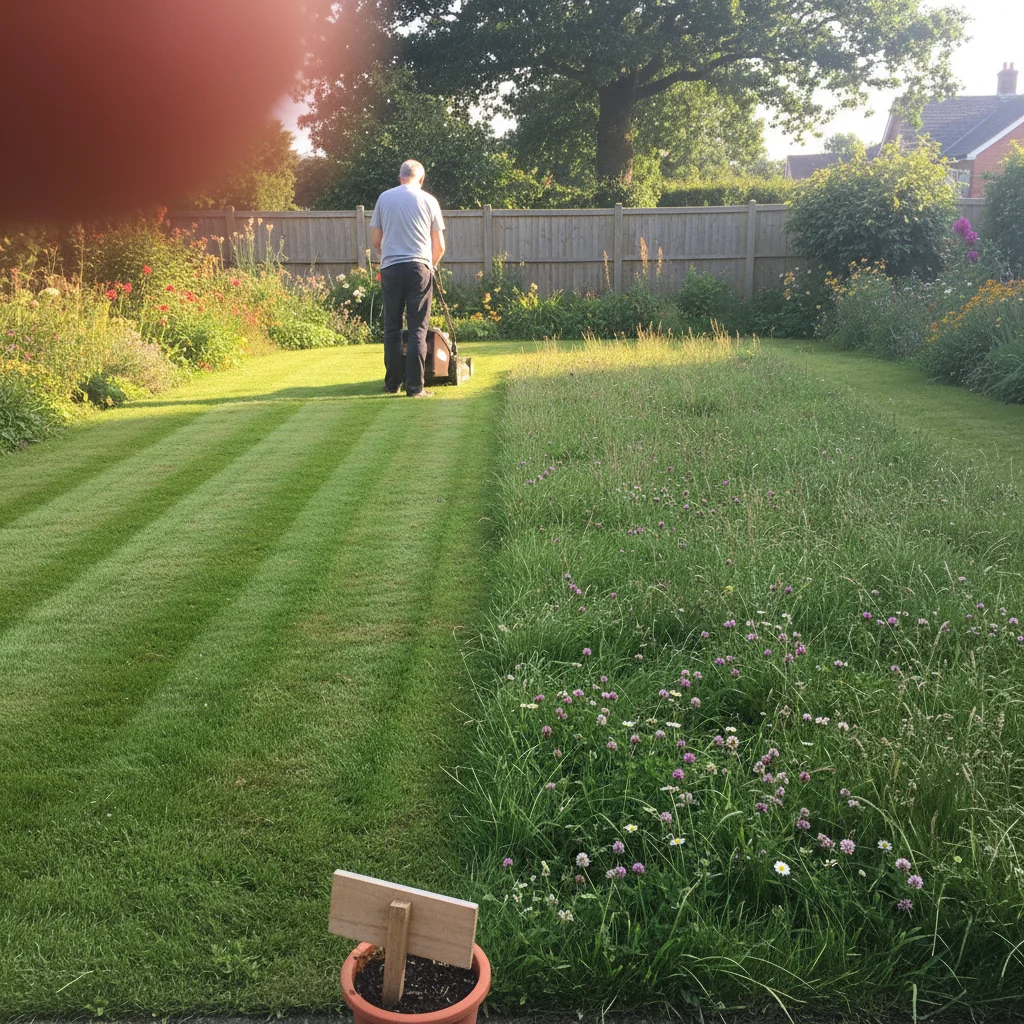
The most prevalent mistake I see in domestic gardens is "scalping" the lawn. This happens when the mower blades are set too low, removing more than a third of the grass blade in a single session. This is a significant shock to the plant's system because the leaves are the primary site of photosynthesis. By removing too much leaf area, you deprive the grass of its ability to produce energy, forcing it to draw on its stored reserves in the roots.
When you repeatedly scalp your lawn, the root system begins to shrink. A shallow root system is a disaster during a dry British summer, as the grass cannot reach the moisture deeper in the soil. Furthermore, a thin canopy of grass allows light to reach the soil surface, which is exactly what dormant weed seeds need to germinate. By keeping your grass a little longer, you create a natural shade that suppresses moss and weeds.
For a standard domestic lawn, you should aim for a height of around 3.5cm to 5cm. During periods of drought or in heavily shaded areas, I recommend increasing this to 6cm or even 7cm. This extra length provides more surface area for the plant to stay healthy and helps the soil retain much-needed moisture. It might mean you are out with the mower a little more often, but the reward is a much denser, greener finish.
Why Sharp Blades Matter
I often ask gardeners when they last sharpened their mower blades, and the answer is usually a blank stare. Using a dull blade is like trying to cut your hair with a pair of blunt kitchen scissors; instead of a clean slice, you end up tearing and shredding the tissue. If you look closely at your grass a day after mowing and see white, ragged tips, your blades are likely blunt.
These shredded ends are more than just an aesthetic issue. A jagged tear creates a much larger wound than a clean cut, allowing moisture to escape the plant rapidly. This is why lawns often look "silver" or greyish immediately after being cut with a blunt mower. More importantly, these open wounds are the perfect entry point for fungal diseases like Red Thread or Fusarium patch, which thrive in the damp UK climate.
Sharpening your mower blade is a straightforward task that makes a world of difference. Most local garden machinery specialists offer a sharpening service, or you can do it yourself with a metal file if you are comfortable removing the blade. I make it a habit to check my blades every 25 hours of use. A clean, sharp cut ensures the grass heals quickly, maintaining that deep green colour we all strive for.
The Perils of Mowing Wet Grass
In the UK, if we waited for the grass to be perfectly dry, we might only mow three times a year. However, mowing when the lawn is saturated is a recipe for long-term soil issues. When the ground is soft, the weight of the mower—especially heavy petrol models—compresses the soil particles. This leads to soil compaction, which squeezes out the air pockets that roots need to breathe.
Compacted soil prevents water from draining away, leading to surface ponding and the inevitable arrival of moss. Additionally, wet grass clippings are heavy and sticky. Instead of being dispersed or collected efficiently, they tend to clump together and drop onto the lawn. These clumps smother the grass beneath them, creating yellow patches and inviting slugs and snails.
If the grass is only slightly damp with dew, you can usually proceed with caution, but if your boots are making a "squelch" sound, it is best to wait. If you absolutely must mow when it’s damp, ensure your collector is empty and your blades are at their highest setting to reduce the drag on the turf. Always give the lawn a quick brush with a birch broom or a plastic rake beforehand to knock off the worst of the moisture.
Varying Your Mowing Pattern
It is human nature to follow the path of least resistance, which often means we mow the lawn in the exact same direction every single time. While this might be efficient, it can cause the grass to develop a "grain." This means the grass blades start to grow horizontally in the direction of the cut rather than standing upright. Over time, this makes the lawn look flattened and uneven.
Repeatedly following the same tracks also leads to permanent ruts in the soil. This is particularly common around the edges of the lawn or where you turn the mower. Once these ruts form, the mower will naturally sit lower in the "grooves," leading to accidental scalping in those specific areas. It is a cycle that is difficult to break once the soil structure has been compromised.
To keep your grass standing tall and the soil level, you should change your starting point and direction every time you mow. If you went north-to-south last week, try east-to-west this week. Occasionally mowing on a diagonal can also help to break up the grain. This simple change encourages upright growth and ensures that every grass blade is cut at a consistent angle, leading to a much more professional, striped finish.
Managing Your Grass Clippings
One of the most debated topics in lawn care is whether to collect clippings or leave them on the lawn. Many modern mowers come with a mulching plug, which shreds the clippings into tiny pieces and blows them back into the base of the turf. This is a fantastic way to practice sustainable gardening, as those clippings contain about 4% nitrogen, 0.5% phosphorus, and 2% potassium—the essential NPK nutrients your lawn craves.
However, mulching only works if you are mowing frequently and removing only a small amount of growth. If you leave long, heavy clippings on the lawn, they will form a layer of "thatch." While a little thatch is good for cushioning, too much of it creates a waterproof barrier that prevents rain and fertiliser from reaching the soil. It also becomes a breeding ground for pests and fungal spores.
Before you decide whether to mulch or collect, consider the current state of your lawn and your equipment.
- Mulch when the grass is dry, you are cutting less than 1cm of growth, and you want to return nutrients to the soil naturally.
- Collect when the grass is long, damp, or if you have a significant weed or clover problem you don't want to spread.
- Compost your clippings by mixing them with "brown" materials like shredded cardboard or dry leaves to avoid a slimy, smelly mess in the compost heap.
- Avoid mulching if you have recently applied a weed-and-feed treatment, as the chemicals in the clippings can sometimes affect the grass as they break down.
Adjusting for the British Seasons
Our lawn care calendar is dictated by the shifting UK seasons, and your mowing height must reflect this. In early spring, usually around March, I start with the mower on its highest setting. This "light tip" encourages the grass to start tillering (producing new side shoots) without exhausting its winter energy reserves. As the weather warms and growth accelerates in May and June, you can gradually lower the blades.
When the summer heat arrives, it is vital to raise the height again. High temperatures and direct sunlight can bake the soil, leading to cracks and root death. Longer grass provides shade for the soil, keeping the root zone cool. If we experience a particularly dry spell, I often stop mowing altogether. Grass is remarkably resilient and will go dormant (turn brown) to protect itself; mowing it during this time only adds unnecessary stress.
As we move into autumn, keep the blades high to help the grass strengthen before the frost. The final cut of the year, usually in late October or November, should leave the grass at about 5cm. This is long enough to protect the crown of the plant from cold but short enough to prevent it from becoming matted under the weight of winter snow or heavy rain.
Maintaining Your Mower for Success
A well-maintained mower is safer, more efficient, and better for the environment. Whether you use a petrol, electric, or battery-powered model, a few minutes of care after each use will extend the life of your machine. I always recommend checking the underside of the mowing deck; dried grass clippings can build up and restrict the airflow that is necessary for a clean cut and efficient collection.
Before you pull the mower out of the shed for the first time each spring, it is worth performing a basic safety and performance check. This ensures you aren't fighting against your equipment all summer.
- Inspect the power cable or battery casing for any signs of wear or damage.
- Check the oil levels in petrol mowers and replace the spark plug if it looks fouled.
- Ensure the blade is securely fastened and free from large nicks or cracks.
- Clean the air filter to ensure the engine isn't straining or wasting fuel.
- Tighten any loose bolts that may have vibrated free during the previous season.
By taking a methodical approach to your lawn care, you transform a chore into a precise horticultural practice. It isn't about how short you can get the grass, but how healthy you can keep the plants. When you avoid these common pitfalls—the blunt blades, the wet soil, and the aggressive heights—you'll find that your lawn becomes much easier to manage. A healthy lawn is its own best defence against the challenges of the garden, leaving you with more time to simply sit back and enjoy the view.