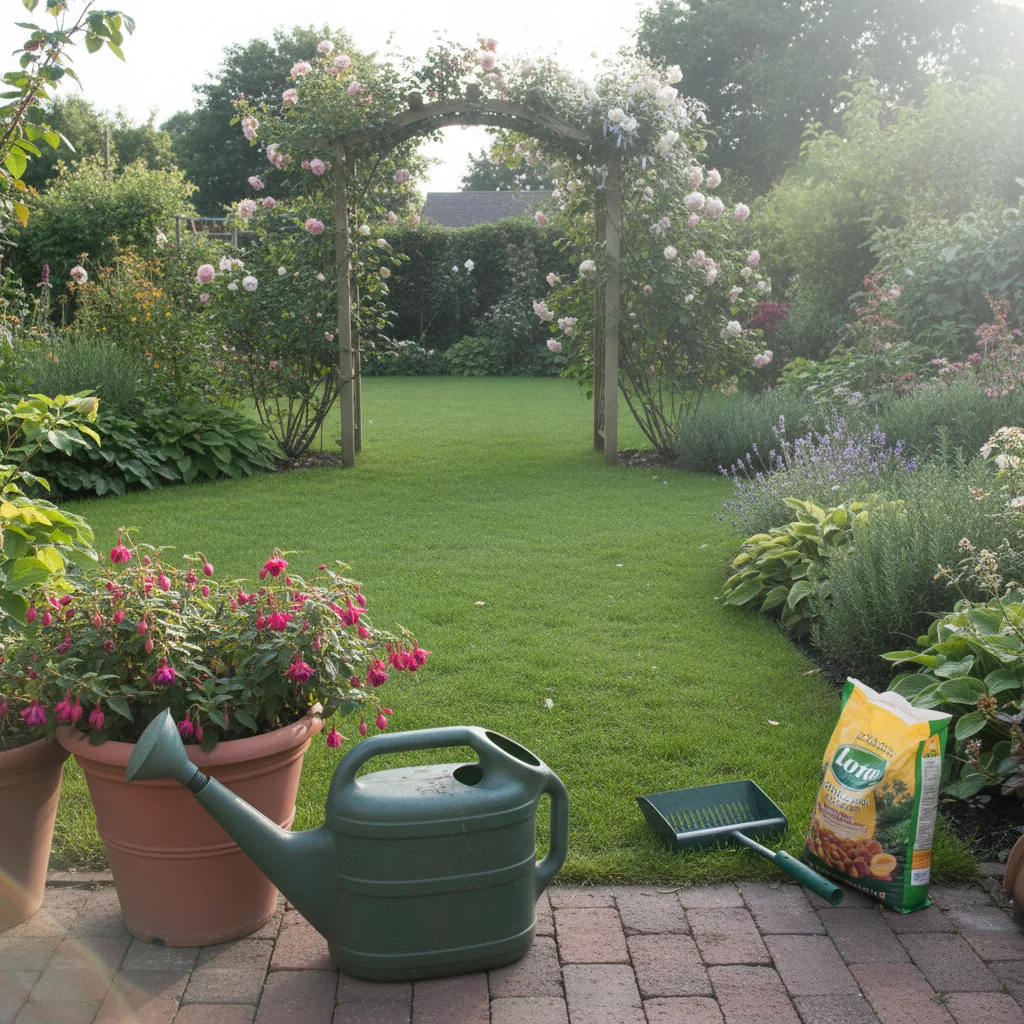
Having a beautiful lawn doesn't have to mean endless hours of back-breaking work. There are plenty of clever tools and techniques you can use to achieve a lush, healthy green space with minimal effort. It's all about working smarter, not harder, and choosing the right approaches for your specific lawn and lifestyle.
Right Plant, Right Place: Grass Varieties
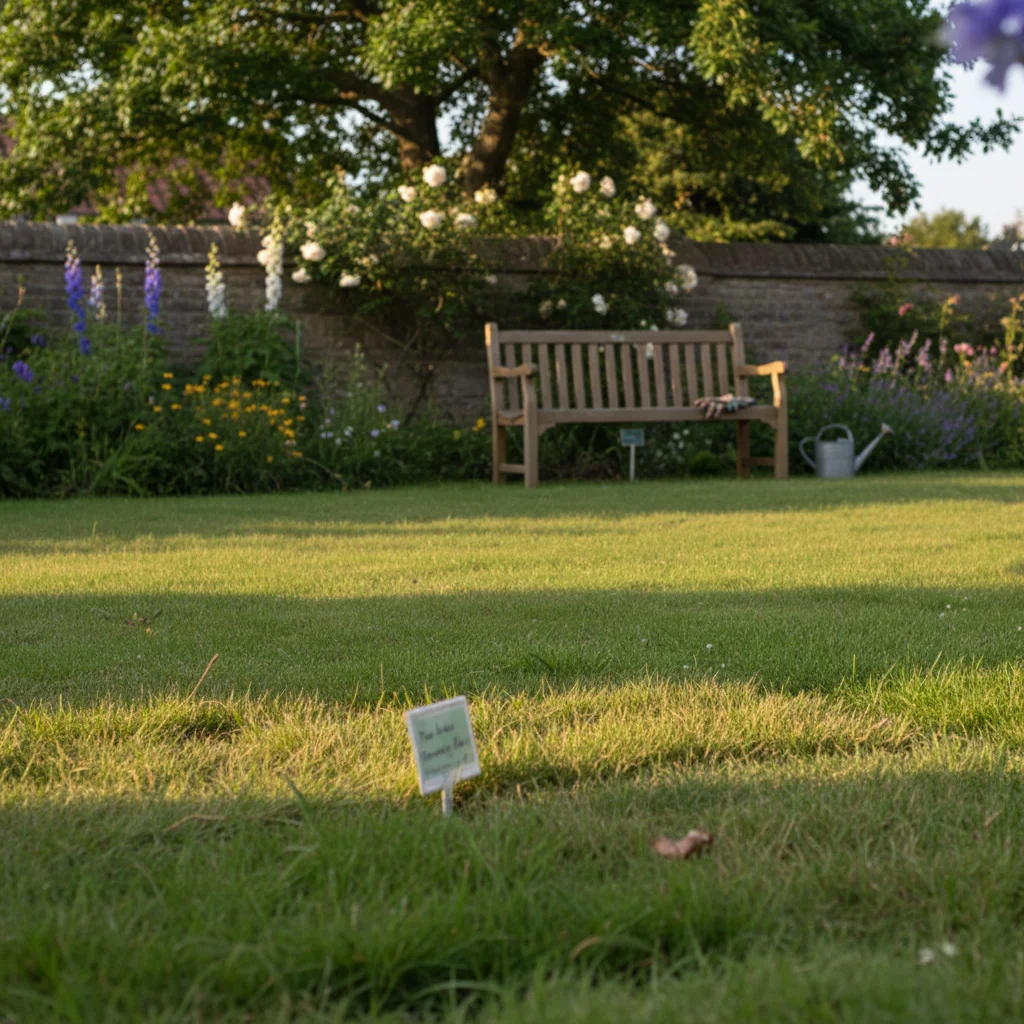
The foundation of any low-maintenance lawn is selecting the right grass variety for your conditions. Consider your local climate, soil type, and the amount of sun your lawn receives.
- Ryegrass: Quick to establish and hardwearing, ideal for high-traffic areas.
- Fescues: Drought-tolerant and require less mowing, perfect for drier regions.
- Bentgrass: Creates a fine, dense sward, suited for ornamental lawns with well-drained soil.
- Kentucky Bluegrass: Self-repairing and forms a dense turf, but needs more watering and feeding.
Mixing different grass seeds can also create a more resilient and adaptable lawn. Consult your local garden centre for the best blend for your area.
Smarter Mowing
Mowing is an unavoidable task, but you can make it easier and less frequent. Raise the cutting height of your mower – longer grass blades shade the soil, reducing weed growth and moisture loss. This also encourages deeper root growth, making your lawn more drought-tolerant.
Consider a robotic mower. These little helpers can be programmed to mow regularly, keeping your lawn perfectly trimmed without you lifting a finger. They're also quiet and energy-efficient.
Watering Wisely
Watering is crucial, but overwatering can lead to problems like fungal diseases. Water deeply and infrequently, allowing the soil to dry out slightly between waterings. This encourages deep root growth, making your lawn more resilient to drought. The best time to water is early morning, when evaporation rates are lower.
Consider installing a smart irrigation system. These systems use sensors to monitor soil moisture levels and adjust watering schedules accordingly, ensuring your lawn gets the right amount of water without wasting any.
Feeding for Less Effort
A well-fed lawn is a healthy lawn, and a healthy lawn is less susceptible to weeds and diseases. Use a slow-release fertiliser in spring and autumn. These fertilisers release nutrients gradually over several months, reducing the need for frequent applications. Look for organic options that improve soil health and reduce the risk of scorching.
Compost is your lawn's best friend! A light top dressing of compost in spring provides essential nutrients and improves soil structure. You can even make your own compost from garden waste and kitchen scraps, reducing waste and saving money.
Weed Control Strategies
Dealing with weeds can be a major headache, but there are ways to minimise their impact without resorting to harsh chemicals. Regular mowing helps to prevent weeds from seeding.
Here are a few other strategies:
- Hand weeding: For small infestations, pull weeds out by hand, ensuring you remove the entire root system.
- Spot treatments: Use a selective herbicide to target specific weeds without harming the grass.
- Corn gluten meal: A natural pre-emergent herbicide that prevents weed seeds from germinating.
- Improve lawn health: A dense, healthy lawn naturally outcompetes weeds.
Tackle Thatch
Thatch is a layer of dead organic matter that builds up on the soil surface. A thin layer of thatch is beneficial, but excessive thatch can prevent water and nutrients from reaching the roots.
You can remove thatch by:
- Raking: Use a thatching rake to manually remove the thatch.
- Scarifying: A more aggressive method that uses a machine to cut through the thatch.
- Aerating: Improves soil drainage and aeration, which helps to break down thatch.
Aeration is especially important for compacted soils. You can aerate your lawn with a garden fork or a hollow-tine aerator.
Embrace Mulching Mowers
Mulching mowers chop grass clippings into fine pieces and return them to the lawn as fertiliser. This reduces the need for chemical fertilisers and helps to retain moisture in the soil. The clippings decompose quickly, providing essential nutrients to the grass.
Automate the Tasks
Technology can be a gardener's best friend. From robotic mowers to smart irrigation systems, there are plenty of ways to automate lawn care tasks and free up your time. While the initial investment might be higher, the long-term benefits in terms of time savings and reduced effort are well worth it.
Regular Maintenance is Key
Even with the best tools and techniques, regular maintenance is essential for a healthy, low-maintenance lawn. A little bit of effort on a regular basis will save you a lot of work in the long run. This includes mowing, watering, feeding, and weed control.
By implementing these labour-saving tools and techniques, you can achieve a beautiful, healthy lawn without sacrificing your precious time and energy. So, put your feet up, relax, and enjoy your stunning, low-maintenance green space.