Finding a bustling colony of ants right in the middle of your carrot row can be a frustrating moment for any gardener. We spend so much time nurturing our soil and protecting our seedlings from slugs and pigeons that a sudden influx of tiny, scurrying insects feels like an unfair invasion. However, before you reach for the nearest bottle of chemical spray, it is important to pause and look at the bigger picture of your garden’s health.
In my years managing large kitchen gardens, I have learned that ants are rarely the primary villain in the story. They are usually a symptom of another issue or simply a sign that your soil is a little too dry for its own good. While they don't eat your vegetables directly, their nesting habits can disturb delicate root systems and they often act as "bodyguards" for more destructive pests like aphids.
Managing ants in a vegetable garden requires a methodical approach that respects the local ecosystem. We want to encourage a diverse range of life in our soil, but we also need to ensure our crops have the space and stability they need to thrive. By understanding why the ants have chosen your veg patch, you can use gentle, sustainable methods to move them along without harming your plants or the beneficial microbes in the earth.
The hidden problem with ants in the veg patch
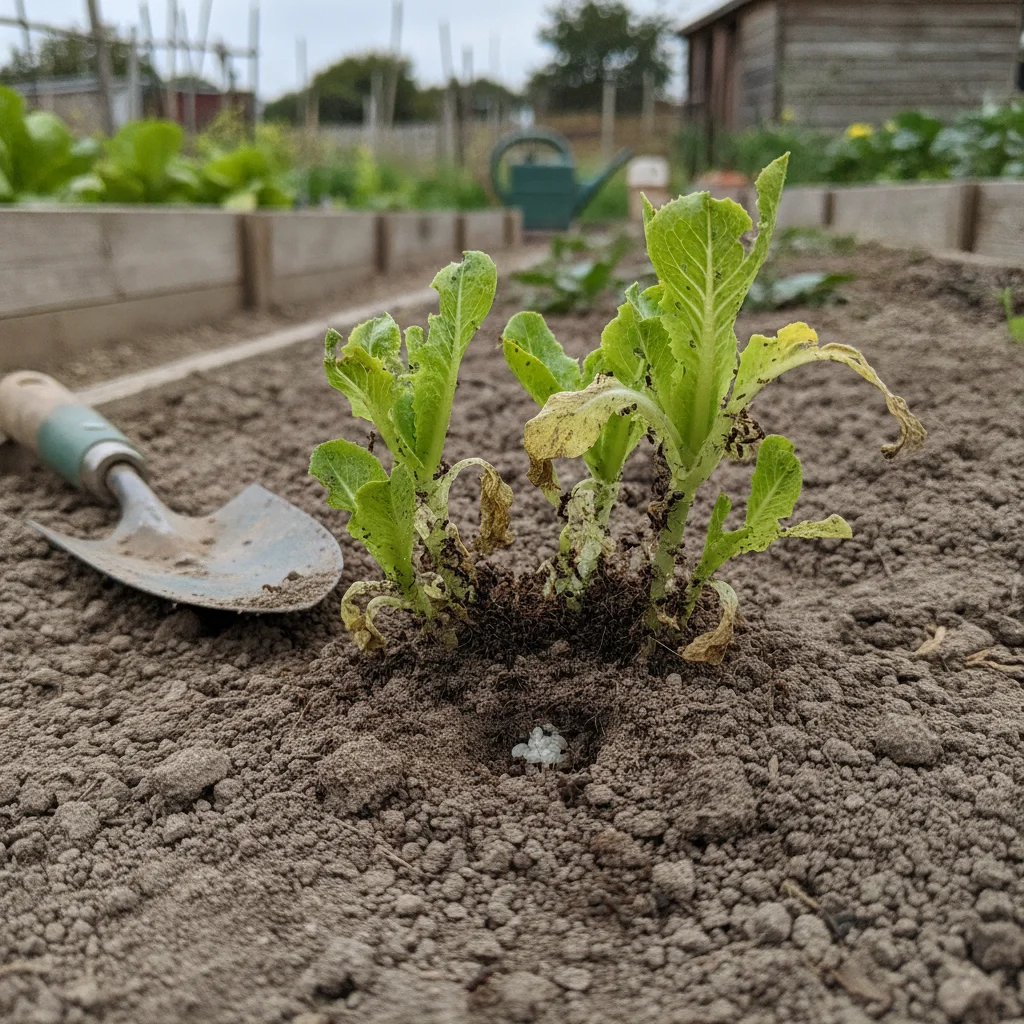
While ants are often praised for their ability to aerate the soil through their tunnelling, they can be a real nuisance in a concentrated vegetable bed. The most common species we see in the UK is the black garden ant, Lasius niger. These insects are incredibly industrious, but their underground galleries can lead to air pockets around the roots of your plants.
When air pockets form, the roots cannot efficiently take up water or nutrients from the soil. This often leads to wilting, even if you feel you are watering regularly. Young seedlings are particularly vulnerable, as their small root systems can be completely undermined by a single nest, causing them to keel over and die before they’ve had a chance to establish.
The second major issue is their relationship with sap-sucking insects. Ants have a "mutualistic" relationship with aphids, scale insects, and whiteflies. They "farm" these pests, protecting them from natural predators like ladybirds in exchange for honeydew, a sugary substance the aphids excrete. If you see ants running up and down your bean stalks, they are almost certainly tending to an aphid colony that is draining the life from your crop.
Identifying when you need to act
A few ants wandering across your mulch are nothing to worry about and are actually part of a healthy garden. They act as scavengers, cleaning up organic debris and even preying on some smaller pests. I generally advise leaving them alone unless you see clear evidence that they are causing harm to your vegetables.
You should consider intervention if you notice mounds of fine soil appearing directly at the base of your plants or if your crops are wilting despite damp soil. Another clear sign is a sudden explosion in the aphid population. If you see ants actively attacking ladybird larvae or other beneficial insects, it is time to step in and rebalance the scales in your garden.
It is also worth checking the moisture levels in your beds. Ants prefer dry, loose soil because it is easier for them to build stable tunnels. If your veg patch has become an ant haven, it might be a signal that your soil is too dry and needs a more consistent watering regime or a thicker layer of organic mulch to retain moisture.
Natural ways to deter ants
If you decide that the ants have become a problem, there are several household items and natural substances that can encourage them to relocate. Ants rely heavily on their sense of smell to follow pheromone trails, which act like a GPS for the colony. By disrupting these scents, you can make your veg patch a much less attractive place for them to set up home.
We can use strong-smelling botanicals to confuse the ants and break their communication lines. These methods are safe for your vegetables and won't leave toxic residues in the soil. Here are some of the most effective natural deterrents you can use today:
- Peppermint oil mixed with water and sprayed around the perimeter of your beds.
- Dried coffee grounds sprinkled on the surface of the soil to provide a textured barrier.
- Cinnamon powder dusted over the entrance of a nest to disrupt their scent markers.
- Lemon juice or vinegar diluted in water to wipe down the edges of raised beds.
- Cayenne pepper or chilli flakes scattered sparingly where you see high ant activity.
When using these methods, remember that they are temporary measures. Rain or heavy watering will wash them away, so you will need to reapply them until the ants have moved their nest elsewhere. I find that peppermint is particularly effective as it also helps to deter some other common garden pests without bothering the bees.
Managing the aphid connection
Since ants are often in your veg patch to farm aphids, the most effective way to get rid of the ants is to remove their food source. If you clear the aphids from your runner beans or brassicas, the ants will quickly lose interest and move on to find a new "pasture." This is a classic example of integrated pest management where we solve one problem by addressing another.
Start by giving your plants a firm blast with a garden hose. This is often enough to dislodge aphids without damaging the plant. Once the aphids are on the ground, the ants struggle to round them up again. You can also use a simple spray made from water and a small amount of eco-friendly, plant-based soap to coat the aphids, which prevents them from breathing.
Long-term control involves inviting the "cavalry" into your garden. By planting flowers like calendula, alyssum, and poached egg plant near your vegetables, you attract hoverflies and ladybirds. These predators will feast on the aphids, and the ants will eventually give up their defensive positions once they realise they are outnumbered.
Using physical barriers and soil care
Sometimes the best way to manage ants is to make it physically difficult for them to reach your plants. If you are growing vegetables in pots or raised beds, you can apply a layer of horticultural grease or a special non-toxic glue band around the base. This creates a sticky barrier that the ants cannot cross, effectively cutting off their access to the plants above.
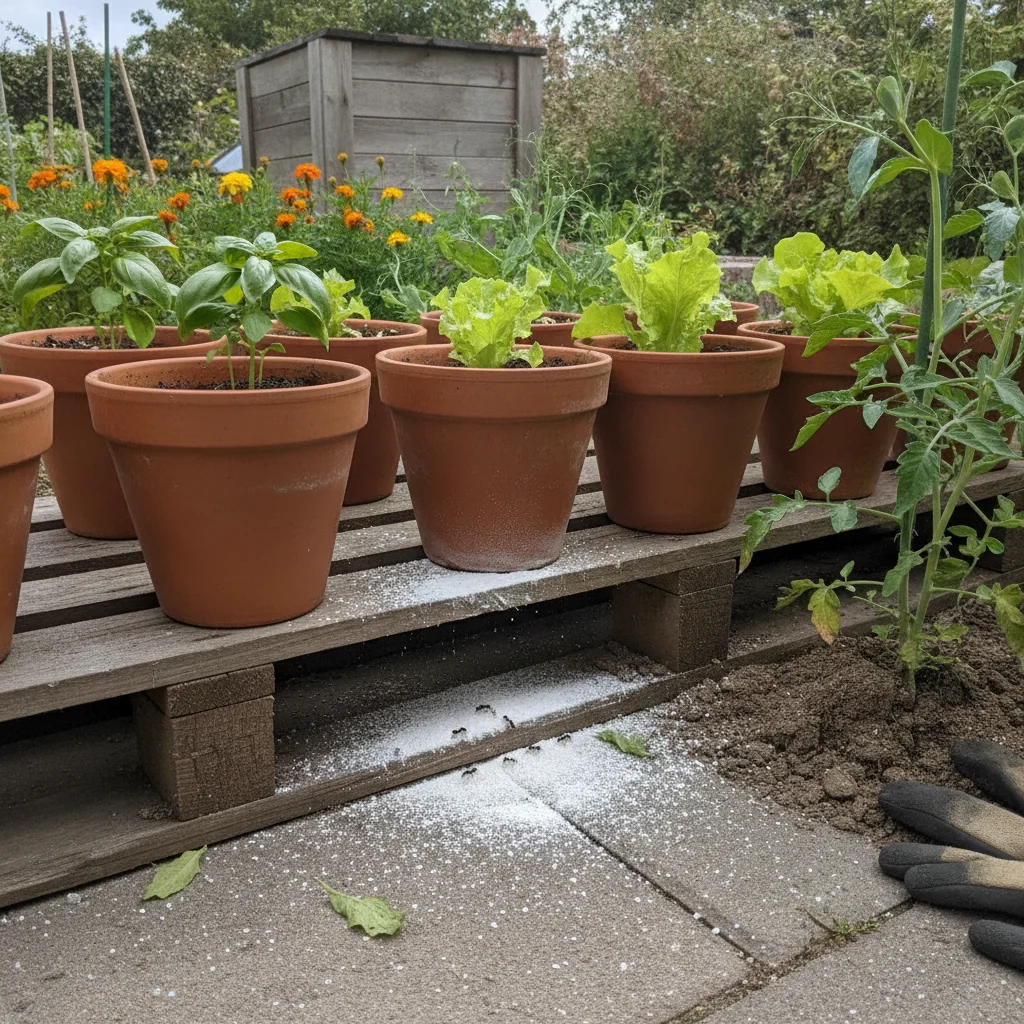
Another excellent tool in the organic gardener's arsenal is Diatomaceous Earth (DE). This is a natural powder made from the fossilised remains of tiny aquatic organisms called diatoms. While it feels like a soft powder to us, on a microscopic level, it is incredibly sharp. When ants walk over it, it pierces their exoskeleton, causing them to dehydrate.
When using DE, ensure you buy "food-grade" versions to ensure it is safe for use around edible crops. Simply sprinkle a thin circle of the powder around the stems of vulnerable plants. It only works when it is dry, so you will need to reapply it after rain. It is a mechanical control rather than a chemical one, meaning the ants cannot develop a resistance to it.
The role of watering and mulch
As I mentioned earlier, ants love dry soil. One of the simplest ways to move a nest is to keep the area consistently moist. Ants will not tolerate a nest that is constantly damp, as it threatens the health of their larvae and can lead to fungal outbreaks within the colony. If you find a nest in a spot where it shouldn't be, regular, deep watering can encourage them to move to a drier part of the garden.
I always recommend using a high-quality organic mulch, such as garden compost or well-rotted manure, around your vegetables. This helps to regulate soil temperature and keep moisture where it belongs—in the ground. A well-mulched bed is less likely to develop the dry, dusty conditions that ants find so appealing for their construction projects.
If you are dealing with a particularly stubborn nest in a container, you can try "submerging" the pot. Place the entire pot in a bucket of water for about 20 minutes. This forces the ants to evacuate the soil and head for higher ground. Once they have left, you can remove the pot and let it drain, having effectively cleared the colony without using a single drop of pesticide.
Biological controls for larger infestations
In cases where the ant population has become overwhelming and natural deterrents aren't quite doing the trick, you might consider biological controls. These are living organisms that target specific pests. For ants, the most common biological control is the use of nematodes, specifically Steinernema feltiae.
These microscopic worms are watered into the soil where they hunt out the ant larvae. The ants find the presence of these nematodes so distressing that they will usually pack up the entire colony and move it away from the treated area. It is a brilliant, nature-led solution that leaves no chemical footprint and is completely safe for your vegetables, pets, and children.
To get the best results from nematodes, you must apply them when the soil temperature is above 10°C, usually from April through to September. The soil needs to be kept moist for at least two weeks after application to allow the nematodes to move through the earth. It is a methodical process, but it is incredibly effective for clearing large areas like a dedicated vegetable plot.
Maintaining a balanced ecosystem
The key to a successful vegetable garden is balance. We aren't aiming for a sterile environment; we want a garden that is teeming with life, where no single species becomes a dominant pest. By focusing on soil health and encouraging a wide variety of insects, you create a self-regulating system that requires much less intervention from you.
Avoid using broad-spectrum insecticides at all costs. These chemicals don't just kill the ants; they kill the bees that pollinate your courgettes, the worms that aerate your soil, and the ladybirds that eat your aphids. When you wipe out the natural predators, you often find that the pests return even faster because there is nothing left to keep them in check.
Instead, spend your time building a healthy "tilth"—that crumbly, dark soil that gardeners dream of. Feed your soil with home-made compost, avoid over-digging which can disrupt the natural layers of the earth, and keep your plants well-fed with organic fertilisers like seaweed extract. A strong, healthy plant is much better equipped to withstand the minor stresses caused by a few ants.
By taking these steps, you are doing more than just moving a few insects; you are investing in the long-term productivity of your garden. When the soil is healthy and the ecosystem is balanced, your vegetables will be more resilient, your harvests will be more bountiful, and you can spend more time enjoying your garden rather than fighting it. Consistently monitoring your veg patch and acting early with these gentle methods will ensure your plants stay healthy and your soil remains a thriving, living environment for years to come.