As the days lengthen and the first hints of warmth touch the soil, we gardeners naturally feel a surge of excitement. The sight of snowdrops fading and daffodils taking centre stage is a signal that the growing season is finally upon us. However, we aren't the only ones waking up from a winter slumber. Beneath the leaf litter and inside the crevices of our garden sheds, a multitude of garden pests are also preparing for the year ahead.
In my years as a head gardener, I learned that the secret to a healthy, thriving garden isn't how well you react to a problem, but how effectively you prevent it. Early spring is what I call the "golden window" for pest management. By taking a few methodical steps now, you can significantly reduce the pressure on your plants later in the summer. It is far easier to disrupt a lifecycle in March than it is to battle an established infestation in July.
This proactive approach is about more than just protecting your prize roses or your vegetable patch. It is about fostering a balanced ecosystem where nature does much of the work for you. When we focus on garden hygiene and soil health, we build resilience into our outdoor spaces. This reduces the need for interventions and allows us to enjoy the therapeutic rhythm of gardening without the constant stress of failing crops.
The logic of the early strike
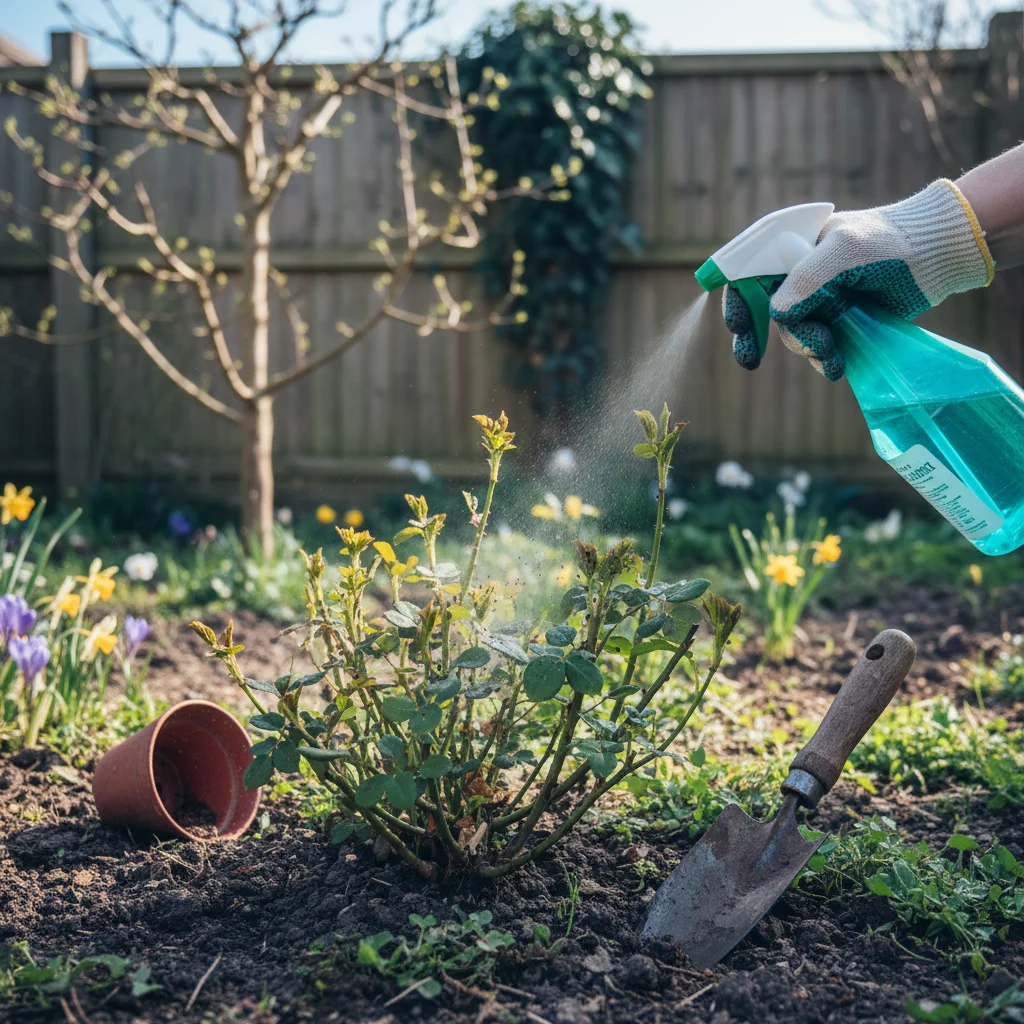
The primary goal of early spring pest control is to eliminate overwintering adults and their eggs before they have the chance to multiply. Many common UK pests, such as aphids, spider mites, and scale insects, spend the winter in a state of diapause, tucked away in the bark of trees or the nooks of garden structures. As temperatures rise, they emerge with one goal: to feed on the tender new growth of your emerging plants.
By intervening now, you are essentially lowering the "baseline" population of pests in your garden. Think of it like a preventative health check for your borders. If you can remove the initial generation of aphids before they start producing young, you prevent the exponential growth that leads to distorted leaves and weakened stems. It is a calm, methodical way to ensure your garden starts the year on the front foot.
Furthermore, early spring is the time when many beneficial insects are also beginning to emerge. By using non-toxic, cultural methods of control now, you ensure that you aren't accidentally harming the ladybirds, lacewings, and solitary bees that will eventually become your best allies. A sustainable garden is one where the gardener acts as a curator, balancing the needs of the plants with the natural cycles of the local wildlife.
Sanitation as your first line of defence
One of the most effective tools in your arsenal isn't a spray or a trap, but a simple garden rake and a bucket of soapy water. Garden hygiene is the foundation of any successful pest management strategy. Over the winter, fallen leaves and dead plant stems provide the perfect damp, sheltered environment for slugs, snails, and various fungal spores to hide.
I always recommend a thorough "spring clean" of the borders as soon as the soil is dry enough to walk on without compacting it. Carefully clear away the remaining debris from last year’s perennials, but be mindful of where you put it. If you suspect the material is harbouring pests or diseases, it is better to send it to the local authority green waste collection rather than your own compost heap, as domestic heaps rarely reach the temperatures required to kill off resilient larvae or spores.
Don't forget the structures in your garden either. Greenhouse glass, cold frames, and even the underside of staging can harbour overwintering pests like red spider mite or whitefly. A simple wash with a mild, environmentally friendly detergent will remove the grime that blocks light and dislodge any hidden insects. It is a satisfying task that sets a clean slate for your seed sowing.
Essential spring cleaning tasks
While every garden is different, there are several key areas where hygiene makes a measurable difference to pest levels. Focus your energy on these specific tasks during the first few dry weekends of the season to ensure you aren't providing a five-star hotel for unwanted visitors.
- Scrub out all used terracotta and plastic pots with a stiff brush and water to remove hidden vine weevil eggs.
- Clear away leaf litter from the base of "high-risk" plants like hostas, delphiniums, and lilies to expose slugs to natural predators.
- Inspect the bark of fruit trees and roses for any signs of scale insects or overwintering aphid eggs, gently brushing them away.
- Empty and clean bird feeders and water baths to prevent the spread of avian diseases and encourage healthy predators back to the garden.
- Check the corners of your garden shed and greenhouse for spider webs and egg sacs that might belong to invasive species.
Building resilience through soil health
We often talk about soil in terms of plant growth, but it plays a crucial role in pest resistance too. A plant growing in nutrient-rich, well-structured soil is like a person with a strong immune system. When the soil is healthy, plants produce stronger cell walls and more robust chemical defences, making them much less attractive to sap-sucking insects.
In early spring, I focus on top-dressing my beds with a generous layer of well-rotted organic matter. Whether you use your own garden compost or a high-quality peat-free alternative, this mulch does several things at once. It suppresses weeds that might host pests, improves moisture retention, and provides a slow-release source of nutrients. Avoid high-nitrogen synthetic fertilisers at this stage, as they can cause a flush of soft, sappy growth that is like a magnet for aphids.
Instead, look for a balanced approach. If you are growing vegetables, consider the NPK (Nitrogen, Phosphorus, and Potassium) levels of your soil. Potassium, in particular, is vital for strengthening plant tissues. Applying a small amount of organic comfrey pellets or a seaweed-based feed can help your plants stand up to the first wave of spring pests. Remember, we are feeding the soil, not just the plant.
Understanding the vine weevil cycle
If you grow plants in containers, the vine weevil (Otiorhynchus sulcatus) is likely your number one enemy. In early spring, the damage is often hidden beneath the surface. The C-shaped, creamy-white larvae spend the winter munching on the roots of your favourite heucheras, primulas, and strawberries. By the time the plant starts to wilt in the spring sun, the root system may be entirely gone.
Now is the time to act before these larvae pupate and emerge as adult beetles in late spring. If you notice plants looking sickly or "loose" in their pots, turn them out and inspect the root ball. You can manually remove the larvae, but for a more comprehensive solution, consider using biological controls. Nematodes are microscopic worms that seek out and kill the larvae without harming other garden life.
For nematodes to be effective, the soil temperature needs to be consistently above 5°C, which usually happens in late March or April in most parts of the UK. Applying them as a drench to your pots and borders is a brilliant example of working with nature. It is a targeted, sustainable way to deal with a persistent problem without resorting to harsh chemicals that can leach into the wider environment.
Physical barriers and protection
Sometimes the simplest solutions are the best. Physical barriers are an incredibly effective way to prevent pests from ever reaching your plants. In early spring, as you begin to plant out your first hardy vegetables or tender ornamentals, think about how you can "lock them away" from trouble.
Cloches and fleece are excellent not just for frost protection, but for keeping out early-flying insects. Cabbage root fly and carrot fly are both active as the soil warms up. By covering your crops with a fine insect-mesh or horticultural fleece immediately after planting, you create an impenetrable wall. Ensure the edges are buried or weighted down, as these pests are experts at finding even the smallest gap.
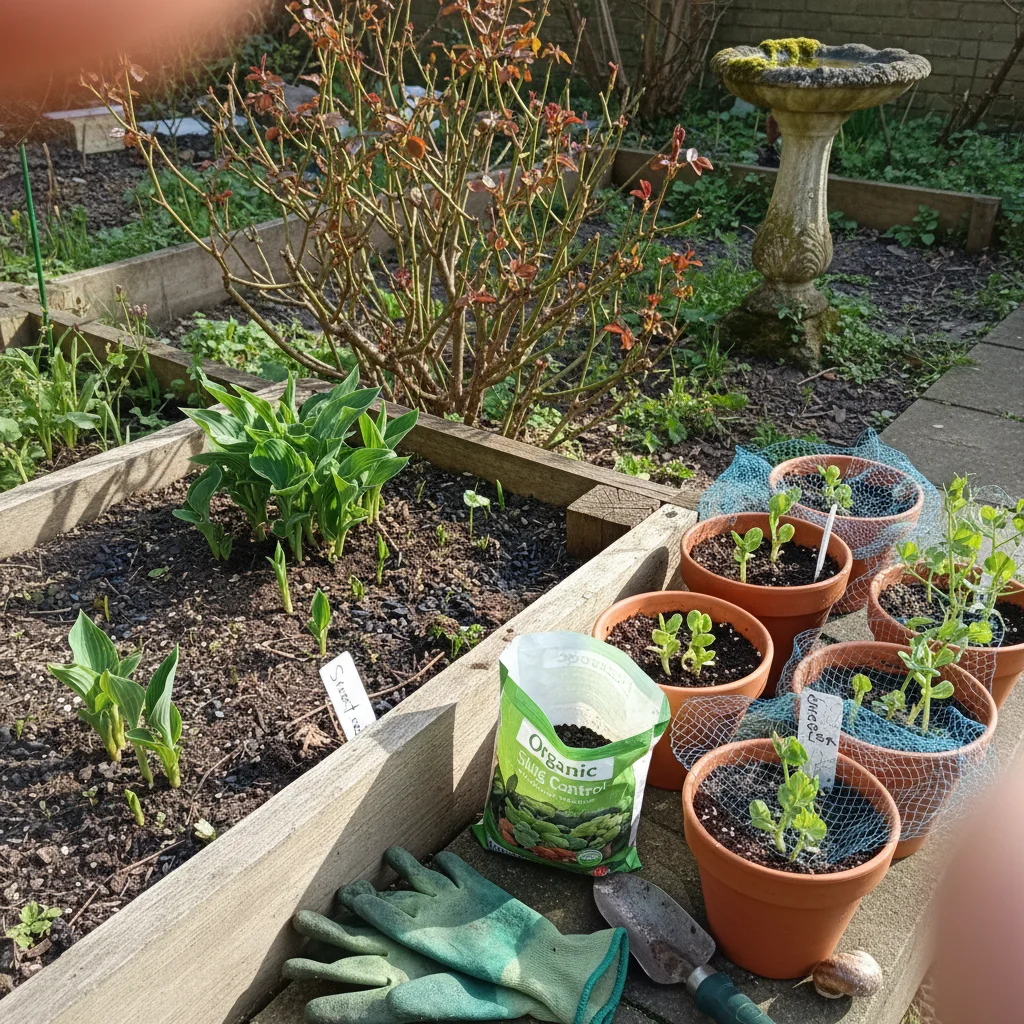
For those of us who struggle with slugs and snails—which is most UK gardeners—early spring is the time to set up your defences. Copper tape around the rims of pots and the use of cloches can provide a vital head start for young seedlings. I also find that a "sacrificial" barrier of sharp grit or crushed eggshells can deter some molluscs, though nothing beats a nightly patrol with a torch during a damp spring evening.
Inviting the garden police
One of the most rewarding aspects of sustainable gardening is watching the natural balance return to your plot. We often view pests in isolation, but they are a vital food source for a host of beneficial creatures. If you want fewer aphids, you need more ladybirds, hoverflies, and birds. Early spring is the perfect time to make your garden as hospitable as possible for these "garden police."
Installing bird boxes now gives local blue tits and great tits a place to nest. A single pair of blue tits can catch thousands of caterpillars and aphids to feed their chicks during the spring. Similarly, leaving a small corner of the garden a bit "untidy" with a pile of logs or some hollow stems provides a home for predatory ground beetles and centipedes, which are voracious hunters of slug eggs.
If you have space, a small pond—even one made from a buried bucket—can transform your pest control efforts. Frogs, toads, and newts are among the best slug predators we have. By providing them with a habitat in early spring, you ensure they are on-site and ready to work just as the slug population begins to boom. It is a holistic way to manage your garden that benefits the entire local ecosystem.
Monitoring and early detection
The final piece of the early spring pest patrol puzzle is regular monitoring. I make it a habit to walk my garden every morning with a cup of tea, looking closely at the new growth. This isn't just a pleasant ritual; it is a vital part of my pest management strategy. You are looking for the very first signs of trouble: a curled leaf, a sticky residue (honeydew), or tiny clusters of eggs.
Pay close attention to the tips of roses and the undersides of leaves on fruit bushes. If you catch an aphid colony when it consists of only five or six individuals, you can simply squash them between your thumb and forefinger. This "finger and thumb" method is the most eco-friendly pest control there is. It prevents the need for any further intervention and keeps the plant growing strongly.
Check your lily plants for the bright red lily beetle as soon as the foliage appears. These striking insects are easy to spot, but they are fast; they will drop to the ground and turn upside down to hide if they feel threatened. Catching them early in the season before they lay their orange eggs on the leaf undersides is the only way to save your lilies from being stripped to the stem.
Managing the greenhouse environment
For many of us, the greenhouse is the engine room of the garden in early spring. It is a place of warmth and protection, but it can also become a pressure cooker for pest problems if not managed correctly. The combination of tender seedlings and rising temperatures is exactly what pests like whitefly and thrips thrive on.
Ventilation is your best friend here. On bright spring days, even if the air outside is cool, the temperature inside a glasshouse can soar. Opening vents and doors not only regulates the heat but also improves air circulation, which helps prevent the damp, stagnant conditions that many pests and fungal diseases love. A healthy breeze makes it much harder for flying pests to settle and breed.
I also recommend using yellow sticky traps hung just above the height of your seedlings. These aren't just for catching pests; they serve as an early warning system. By checking the traps every few days, you can see exactly which insects are active in your greenhouse. If you see a few whiteflies, you know it’s time to increase ventilation or introduce biological controls like Encarsia formosa before the situation escalates.
Preparing for a successful season
Taking these preventative measures in early spring requires a bit of effort and foresight, but the rewards are well worth it. By focusing on hygiene, soil health, and natural predators, you are moving away from a "war" on pests and towards a more harmonious way of gardening. You will find that your plants are stronger, your harvests are more bountiful, and your garden feels more alive.
As the season progresses, continue to observe and learn. Every garden is a unique microclimate, and you will soon discover which areas are pest hotspots and which plants are your "sentinels" that show signs of trouble first. This knowledge is what turns a hobby into a craft.
By acting now, you are ensuring that when the heat of summer arrives, you can spend your time enjoying the scent of your flowers and the flavour of your home-grown veg, rather than reaching for the spray bottle. A little work today means a much more relaxing and productive garden tomorrow.