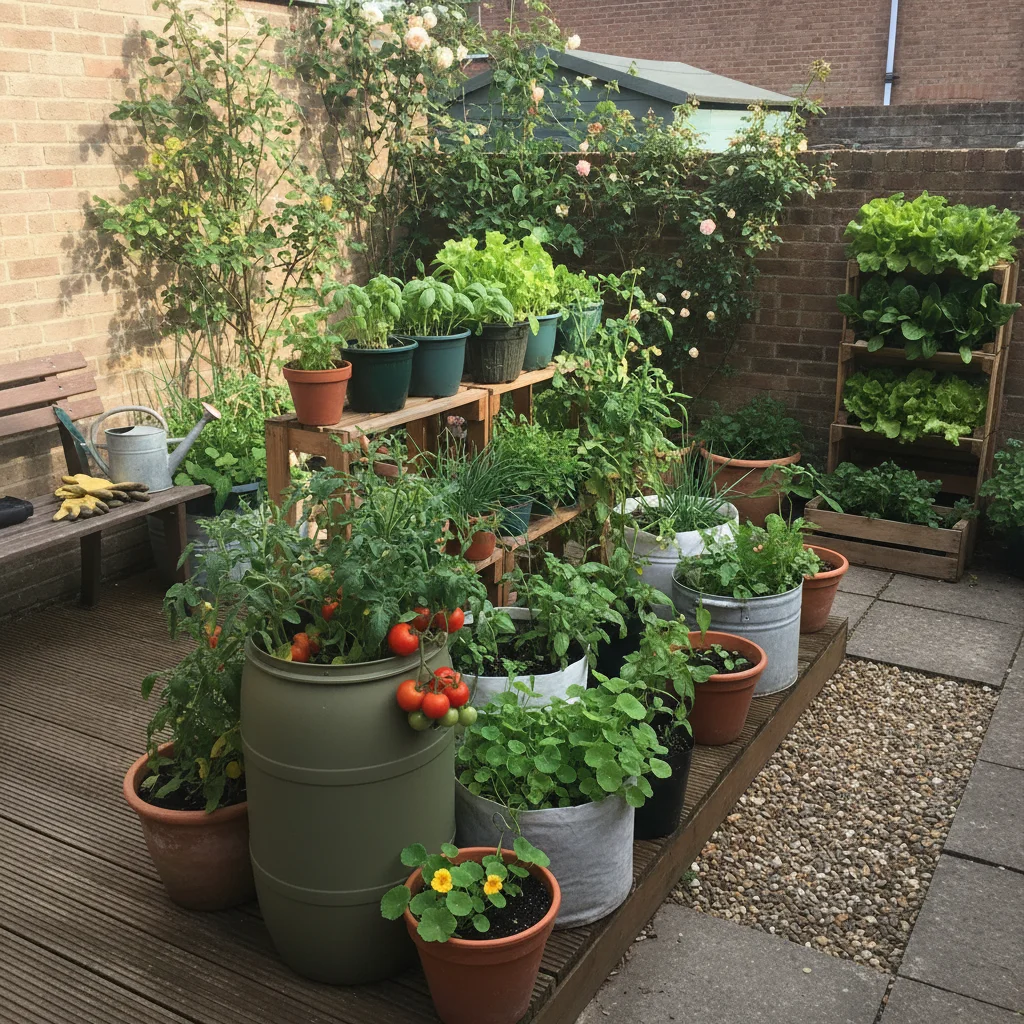
I used to think that to grow a decent amount of food, I needed a massive allotment or a sprawling country garden. For years, I lived in a small terrace with nothing but a concrete yard, and I assumed my dreams of fresh tomatoes and crisp lettuce were out of reach. It was only when I started experimenting with a few pots and old buckets that I realised just how wrong I was.
You really can grow vegetables in pots in a tiny space. Whether you have a sunny balcony, a small patio, or even just a wide windowsill, container gardening opens up a world of possibilities. It is often much easier than traditional gardening because you have total control over the soil, you can move your plants to follow the sun, and there is almost no weeding involved.
If you are just starting out, it is easier than you think to get your first harvest. We have all seen those perfect pictures of kitchen gardens, but the reality is much more accessible. You don't need expensive equipment or years of experience to produce something delicious for your dinner table.
Why container gardening works
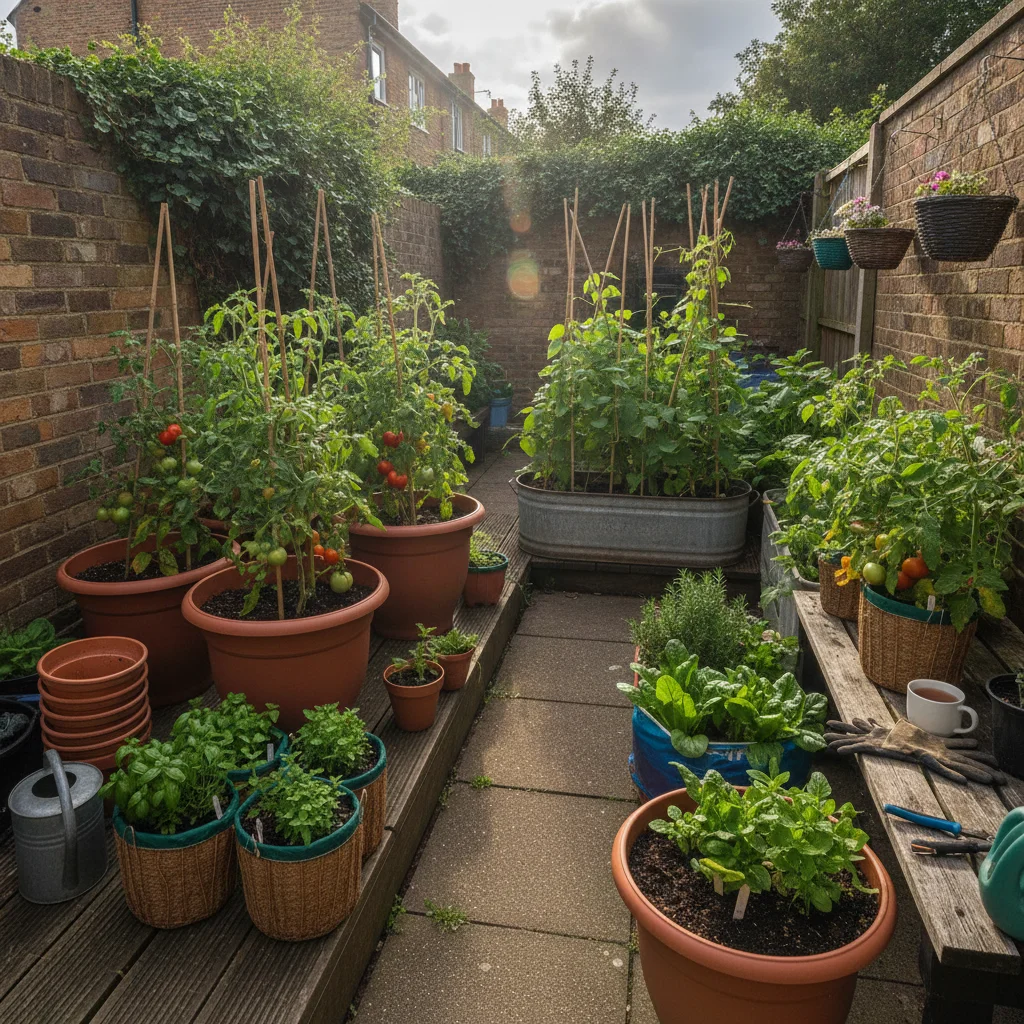
Growing in pots is the ultimate way to garden on your own terms. In a typical UK summer, the weather can be a bit unpredictable, but containers allow you to be flexible. If a late frost is forecast, you can simply tuck your smaller pots into a shed or cover them up much more easily than a whole garden bed.
Containers also help you manage pests like slugs and snails. While they are persistent little creatures, it is much harder for them to reach a plant sitting on a tall stand or a hanging basket than one growing directly in the ground. You can also use copper tape around the rim of your pots to give your greens an extra layer of protection.
One of the biggest benefits is the lack of heavy digging. For those of us with busy schedules or limited mobility, tending to a few pots is a joy rather than a chore. You can sit comfortably while you work, and you won't spend your weekends battling stubborn perennial weeds that seem to appear overnight in open ground.
Picking the right containers
When you are choosing pots, the most important thing to look for is drainage. Most vegetables hate having "wet feet," which happens when water sits at the bottom of the pot and rots the roots. Always ensure there are holes in the base of your containers so excess water can escape freely.
The material of the pot matters more than you might think. Terracotta pots look beautiful and traditional, but they are porous and dry out very quickly in the sun. Plastic or resin pots hold moisture much better, which is a lifesaver during a dry spell in July or August. If you use old household items like large yogurt pots or wooden crates, just remember to drill those all-important drainage holes first.
Size is another crucial factor for success. It is tempting to put a small plant in a small pot, but remember that most vegetables grow rapidly and need plenty of room for their roots. A larger pot holds more compost, which means it stays moist for longer and provides more nutrients to your growing plants.
The best compost for your pots
You might be tempted to dig up some soil from a corner of the garden, but I would strongly advise against it for containers. Garden soil is often too heavy and can become compacted in a pot, making it hard for roots to breathe. It can also harbour pests and weed seeds that you really don't want in your controlled environment.
Instead, look for a good quality multipurpose compost. I always recommend choosing a peat-free variety, as it is much better for the environment and modern mixes are now excellent for growing vegetables. These mixes are designed to be light, airy, and moisture-retentive, giving your seeds the best possible start.
Some plants, like blueberries, need a specific type of acidic soil known as ericaceous compost, but for most common vegetables, a standard multipurpose mix is perfect. If you are growing something that will stay in the pot for a long time, like a fruit bush, you might want to mix in some "John Innes No. 2" which contains loam and holds onto nutrients longer.
Essential kit for your new hobby
You don't need a shed full of tools to get started with container gardening. Most of the work can be done with just a few basic items that will last you for years if you look after them.
- A sturdy hand trowel for filling pots and moving small plants.
- A watering can with a "rose" attachment to provide a gentle spray.
- A pair of sharp secateurs or kitchen snips for harvesting and pruning.
- Support sticks or bamboo canes for taller plants like beans or tomatoes.
- A liquid seaweed fertiliser to give your plants a boost during the summer.
Watering and feeding your plants
Because the roots of your plants are confined to a pot, they are entirely dependent on you for food and water. In the height of summer, a container can dry out in just a few hours. I usually check my pots every morning; if the top inch of compost feels dry to the touch, it is time for a drink.
Try to water early in the morning or late in the evening. This prevents the water from evaporating in the heat of the sun and ensures it reaches the roots where it is needed most. Avoid splashing the leaves too much, as damp foliage can sometimes lead to fungal problems like powdery mildew.
Plants in containers also need regular feeding because they quickly use up the nutrients in the compost. After about six weeks, the initial goodness in the soil will be gone. I like to use a liquid tomato feed once a week for anything that produces fruit, like peppers or cucumbers, as this encourages more flowers and a better harvest.
Vegetables that love growing in pots
Not every vegetable is a fan of life in a container, but many of our favourites absolutely thrive in them. Choosing the right varieties can make the difference between a struggling plant and a bumper crop.
- Salad leaves: These are perfect for shallow pots and can be harvested in as little as four weeks.
- Tomatoes: Look for "bush" or "determinate" varieties like 'Tumbler' which don't need lots of pruning.
- Chillies and Peppers: They love the extra warmth that a pot on a sunny patio provides.
- Radishes: These are incredibly fast and easy, perfect for getting children involved.
- Runner Beans: These can grow up a wigwam of canes in a large, deep pot.
- Potatoes: You can grow these in special heavy-duty bags, making harvesting as simple as tipping the bag out.
Success with container tomatoes
There is nothing quite like the taste of a sun-warmed tomato straight from the vine. In the UK, tomatoes do brilliantly in pots because you can place them in the warmest, most sheltered spot you have. If you have a small balcony, a hanging basket with a trailing variety like 'Garden Pearl' is a fantastic use of vertical space.
When you are sowing (planting seeds), start them on a warm windowsill in March or April. They need plenty of light to prevent them from becoming "leggy"—this is when the stems grow long and thin as they stretch towards the sun. Once the risk of frost has passed in late May or June, you can move them outside to their final home.
Remember that tomatoes are hungry and thirsty plants. Keep the watering consistent, as erratic watering can cause the skins to split or lead to "blossom end rot," where the bottom of the fruit turns black. A regular schedule will keep them happy and productive all summer long.
Growing crisp salad and herbs
Salads are perhaps the most rewarding thing to grow in a small space. You can use "cut and come again" mixes, where you just snip off the leaves you need for your lunch and let the rest keep growing. This way, a single pot can provide you with fresh greens for several months.
Herbs are also perfect candidates for container life. Most of the herbs we use in the kitchen, like basil, parsley, and coriander, are very happy in pots. Mint is actually better in a pot because it has a habit of taking over the whole garden if you plant it in the ground.
Keep your salad pots in a bit of light shade during the hottest part of the day. If they get too hot, they can "bolt," which means they suddenly grow a tall flower stalk and the leaves become bitter. Regular harvesting and a little bit of afternoon shade will keep them sweet and tender.
Root vegetables in small spaces
You might think that carrots and potatoes are only for people with large vegetable patches, but they are surprisingly easy to grow in containers. For carrots, the trick is to choose shorter varieties like 'Chantenay' or 'Paris Market' which don't need deep soil. Because they are in a pot, you can use a stone-free compost, which means you'll get perfectly straight carrots every time.
Potatoes are even easier. You only need a large bucket or a dedicated potato bag. Start by putting about ten centimetres of compost in the bottom, place your "seed potatoes" on top, and cover them with another ten centimetres of soil. As the green shoots grow, keep adding more compost until you reach the top of the bag.
This process is called "earthing up," and it encourages the plant to grow more potatoes along the buried stems. When the foliage starts to turn yellow and die back in late summer, you can simply tip the whole bag out and hunt for your "buried treasure." It is one of the most satisfying jobs in the garden.
Dealing with garden pests
Even in a high-rise balcony, pests can sometimes find your plants. Aphids (greenfly) are common, but they are easy to manage. I usually just squish them with my fingers if I see a few, or give the plant a gentle blast with the garden hose to knock them off.
If you find that birds are eyeing up your young seedlings, a bit of netting or even some recycled fruit punnets placed over the pots can work wonders. The key is to check your plants regularly. Catching a problem early makes it much easier to deal with using natural methods rather than reaching for chemicals.
Companion planting works in containers too. I often plant a few marigolds in the same pot as my tomatoes. The bright flowers don't just look lovely; they also have a scent that helps deter whitefly. It is a simple, natural way to keep your mini-garden healthy and vibrant.
Sunlight and shelter
Most vegetables need at least six hours of sunlight a day to grow well. When you are setting up your container garden, take a day to watch how the sun moves across your space. A south-facing wall is like gold dust for heat-loving plants like chillies and aubergines.
If your space is quite windy, which can be an issue on balconies or in coastal areas, your pots will dry out even faster. Try to group your pots together to create a little microclimate, or use larger, heavier pots that won't blow over in a gust. Providing a bit of shelter will help your plants focus their energy on growing food rather than surviving the wind.
Don't worry if your garden is a bit shady. You can still grow plenty of leafy greens like spinach, kale, and chard, which actually prefer the cooler conditions. Part of the fun of container gardening is learning what works best in your specific little corner of the world.
The first time you sit down to a meal featuring vegetables you grew yourself, you will feel an incredible sense of pride. It doesn't matter if it's just a handful of salad leaves or a single sun-ripened tomato; the flavour is always better when it hasn't travelled miles to get to your plate. Start with just one or two pots this weekend and see how easy it is to bring a bit of the countryside to your doorstep.
If you have a patio or balcony rather than a collection of pots, our small space vegetable garden guide covers walls, vertical growing, and making a tiny plot work.