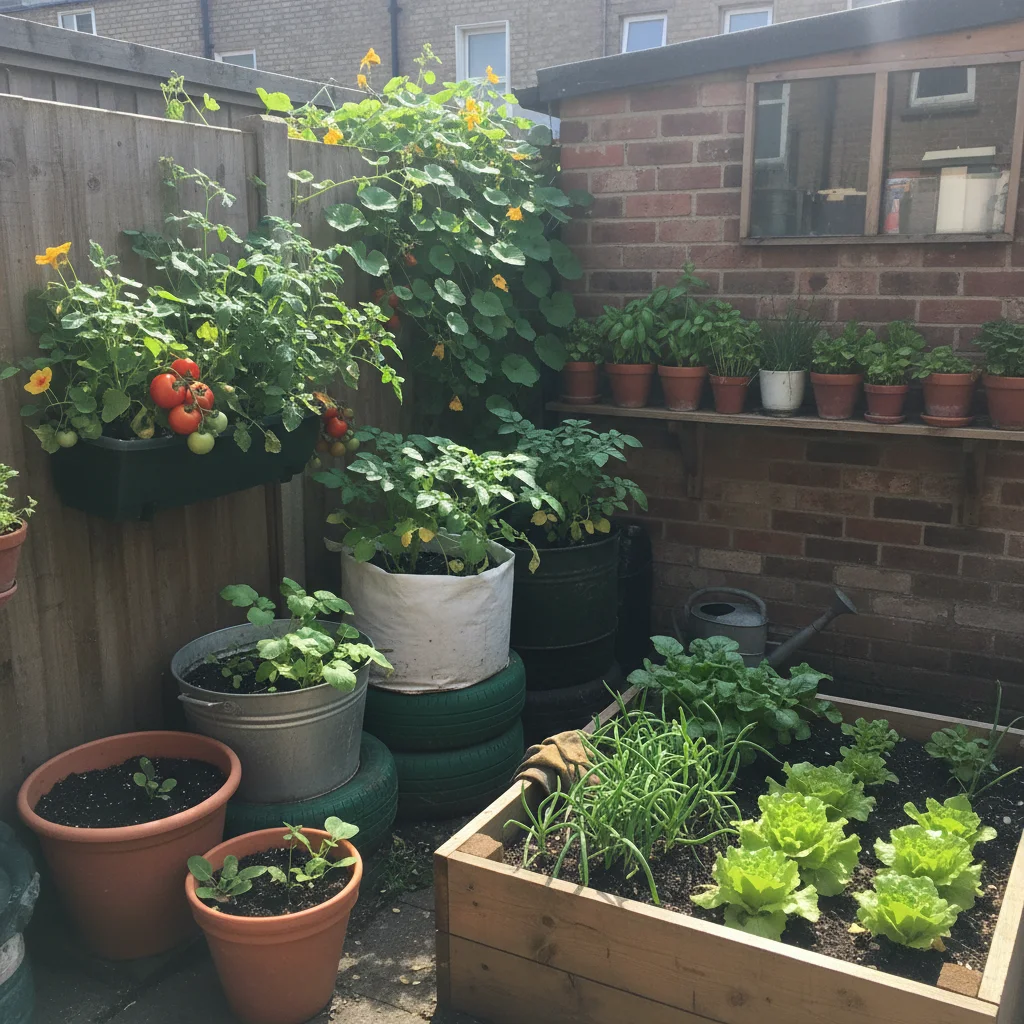
Growing your own vegetables is incredibly rewarding. There's nothing quite like the taste of freshly picked tomatoes or the satisfaction of a homegrown salad. But what if you don't have a sprawling garden? Don't worry! You can absolutely grow a surprising amount of food, even in the smallest of spaces. With a bit of planning and some clever techniques, you can transform a patio, balcony, or even a sunny windowsill into a productive vegetable patch.
Choosing the Right Veg
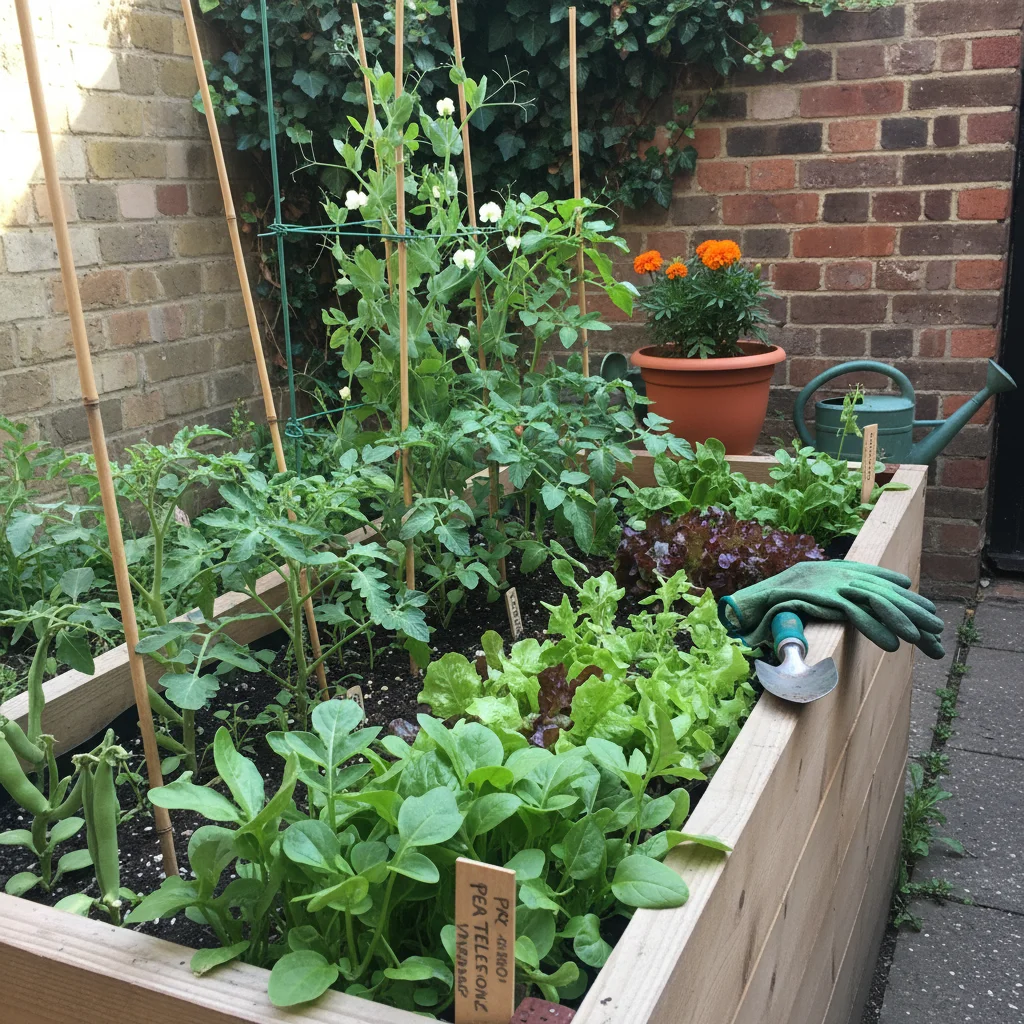
Not all vegetables are created equal when it comes to small-space gardening. Some are naturally more compact and productive than others. Think about what you enjoy eating and then select varieties that are well-suited to container growing or vertical gardening.
Here are a few excellent choices for small UK gardens:
- Tomatoes: Bush or dwarf varieties like 'Tumbler' or 'Balcony' are perfect for hanging baskets or containers. They produce delicious, bite-sized fruits all summer long.
- Salad Leaves: Loose-leaf lettuce, spinach, and rocket are quick to grow and can be harvested repeatedly. Sow seeds every few weeks for a continuous supply.
- Herbs: Herbs are incredibly versatile and thrive in pots. Basil, mint, thyme, rosemary, and chives are all easy to grow and will add flavour to your meals.
- Peppers: Compact pepper plants like 'Patio Fire' produce colourful and spicy fruits. They also look beautiful.
- Radishes: Radishes are one of the fastest vegetables to grow, maturing in just a few weeks. They're perfect for filling gaps between slower-growing plants.
Container Gardening for Maximum Yield
Container gardening is your best friend when space is limited. It allows you to create ideal growing conditions for each plant and move them around to maximise sunlight.
First, choose the right containers. Make sure they are large enough for the mature size of the plant, and that they have drainage holes. Terracotta pots look lovely, but plastic pots are lighter and retain moisture better – useful in a typical UK summer!
Next, use a good quality potting mix. Don't be tempted to use garden soil, as it can become compacted in containers. A peat-free multi-purpose compost is a good choice.
Finally, consider these tips for successful container gardening:
- Water regularly. Containers dry out quickly, especially in warm weather. Check the soil moisture daily and water when the top inch feels dry.
- Feed your plants. Use a liquid fertilizer every few weeks to provide essential nutrients. Tomato feed is great for tomatoes, peppers, and aubergines.
- Provide support. Tall plants like tomatoes and peppers may need staking or cages to prevent them from toppling over.
Vertical Gardening: Growing Upwards
When floor space is limited, think vertically! Vertical gardening is a fantastic way to increase your growing area and add visual interest to your garden.
Climbing plants like runner beans and peas can be trained up trellises or fences. They not only produce delicious crops but also create a beautiful green screen.
You can also use hanging baskets to grow trailing vegetables like tomatoes, strawberries, and herbs. Wall-mounted planters are another great option for growing herbs, salads, and strawberries.
Don't forget about stacking planters! These tiered planters are perfect for growing a variety of herbs and salad leaves in a small space.
Companion Planting: Helping Plants Help Each Other
Companion planting is the practice of growing different plants together to benefit each other. Some plants can help to deter pests, attract pollinators, or improve soil health.
For example, planting basil near tomatoes can help to repel whiteflies and other pests. Marigolds are also great companion plants for tomatoes, as they deter nematodes and attract beneficial insects.
Here are a few more companion planting ideas:
- Carrots and onions: Onions repel carrot root fly, while carrots repel onion fly.
- Cabbage and rosemary: Rosemary deters cabbage white butterflies.
- Lettuce and chives: Chives repel aphids, which can be a problem for lettuce.
Succession Planting: Keeping the Harvest Coming
Succession planting is the technique of sowing seeds or planting seedlings at regular intervals to ensure a continuous harvest throughout the growing season.
For example, you can sow a row of lettuce every two weeks to have a constant supply of fresh leaves. You can also succession plant radishes, spinach, and other quick-growing vegetables.
This is especially important in the UK where our growing season can feel short. Start seeds indoors early to get a head start, and then plant them out when the weather warms up. When the first frosts come, you can extend your harvest by using cloches or a cold frame.
Making the Most of Sunlight
Sunlight is essential for vegetable growth. Most vegetables need at least six hours of sunlight per day.
Observe your garden throughout the day to see where the sun shines. Position your containers and vertical gardens in the sunniest spots.
If your garden is shaded for part of the day, choose vegetables that can tolerate partial shade, such as lettuce, spinach, and herbs. You can also use reflective surfaces, such as mirrors or white walls, to bounce sunlight onto your plants.
Dealing with Pests and Diseases
Even in a small garden, pests and diseases can be a problem. Regularly inspect your plants for signs of trouble.
Here are a few common garden pests and how to deal with them:
- Aphids: These tiny insects suck sap from plants. Blast them off with a strong jet of water or use an insecticidal soap.
- Slugs and snails: These pests love to munch on leaves. Use slug pellets, beer traps, or copper tape to protect your plants.
- Cabbage white butterflies: These butterflies lay eggs that hatch into caterpillars that eat cabbage and other brassicas. Cover your plants with netting to prevent them from laying eggs.
For diseases, ensure good air circulation and avoid overwatering. Remove any infected leaves promptly to prevent the disease from spreading.
Growing your own vegetables in a small space is easier than you might think. By choosing the right varieties, using clever planting techniques, and providing proper care, you can enjoy a bountiful harvest, no matter how small your garden. Why not start with a few containers of herbs or a hanging basket of tomatoes? You’ll be amazed at what you can grow, and you’ll enjoy the fresh, delicious flavours of homegrown vegetables all season long.