We have all been there. You spend weeks nurturing your tiny seedlings on a sunny windowsill, carefully potting them on and finally tucking them into their outdoor beds. You go to bed feeling proud, only to wake up the next morning to find nothing but a few sticky slime trails and some sad, leafless stalks. It is heartbreaking, especially when you are just starting out.
In a typical UK summer, where a sudden downpour is always just around the corner, slugs and snails can feel like an unbeatable army. But I promise you, it is easier than you think to keep them at bay. You do not need to reach for blue pellets or harsh chemicals that can harm our garden birds and hedgehogs. With a few simple, natural tweaks, you can protect your harvest and keep your garden ecosystem healthy.
Why Slugs Love Your Garden
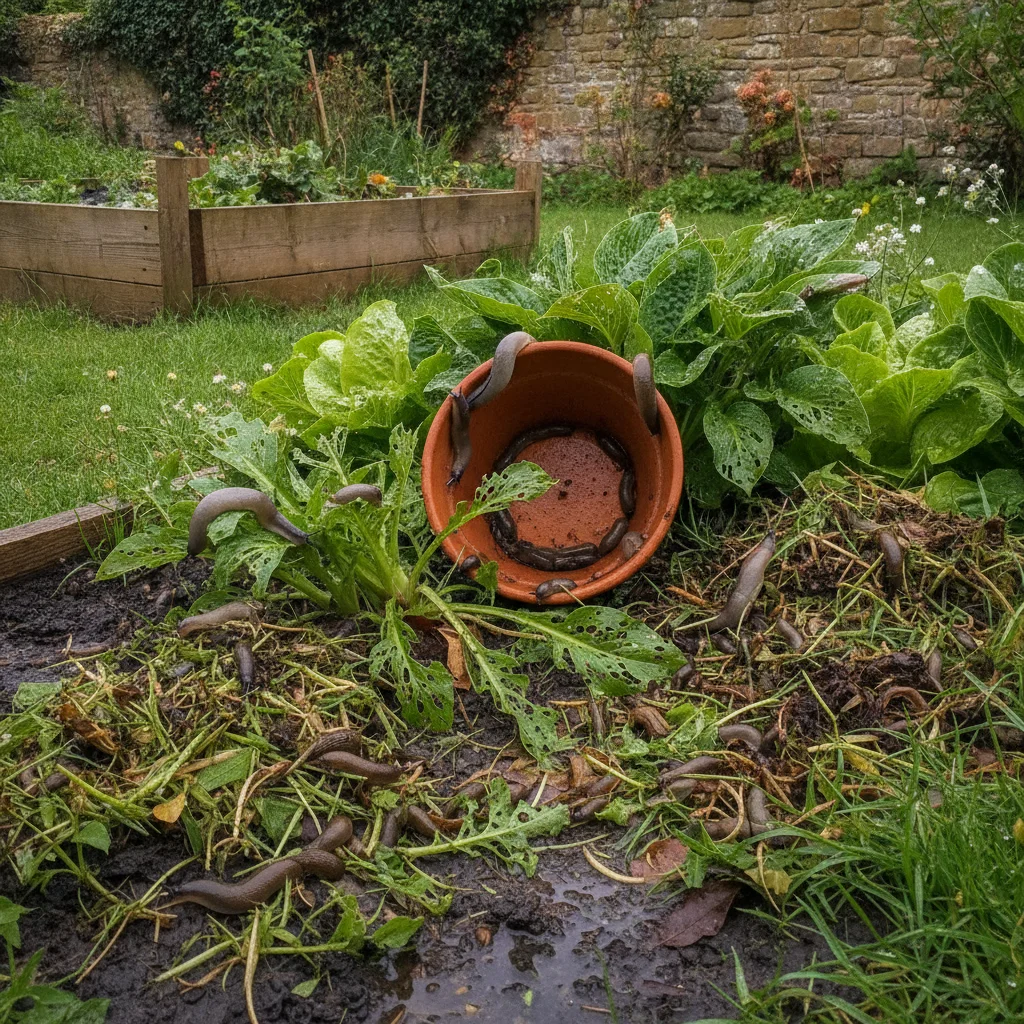
Understanding your opponent is the first step to winning the battle. Slugs and snails are essentially moisture-seeking missiles. They need a damp environment to survive and move around, which is why they are most active at night or after a heavy British rain shower. Our lush, soft vegetable leaves are like a five-star buffet for them.
Most of the damage happens under the cover of darkness. They hide during the heat of the day in cool, damp spots like under large leaves, stones, or wooden boards. If you can make your garden just a little bit less hospitable for them, they will often move on to easier pickings elsewhere.
Change Your Watering Routine
One of the simplest things you can do to protect your veg is to change when you water. Many of us find it easiest to water the garden in the evening after work. While this feels productive, it actually creates a perfect "slip and slide" for slugs. You are providing them with a damp surface right as they are waking up for their nightly feast.
Try switching to morning watering instead. By giving your plants a good soak early in the day, the surface of the soil has time to dry out before the sun goes down. Slugs find it much harder to travel over dry, crumbly soil than wet, slick earth. It is a small change that can make a massive difference to your seedling survival rate.
Create Natural Barriers
If you have a particularly precious crop, like a fresh tray of 'Little Gem' lettuces, you might want to create a physical "no-go zone" around them. The idea is to use materials that are uncomfortable for slugs to crawl over. These barriers work best in dry weather, so keep an eye on the forecast.
There are several household and garden waste items that work brilliantly for this. You want something that is either sharp, drying, or absorbent. I’ve used these methods on my small Yorkshire plot for years, and they are great for protecting individual plants or small rows.
- Crushed eggshells: These are sharp and uncomfortable for soft bodies to cross.
- Sharp grit or gravel: Creates a rough terrain that slugs generally avoid.
- Wool pellets: These swell up when wet and have a texture that slugs hate.
- Coffee grounds: The caffeine is a natural deterrent and the texture is drying.
- Strulch or straw: Mineralised straw can be very effective as a mulch.
Use Copper for Pots and Raised Beds
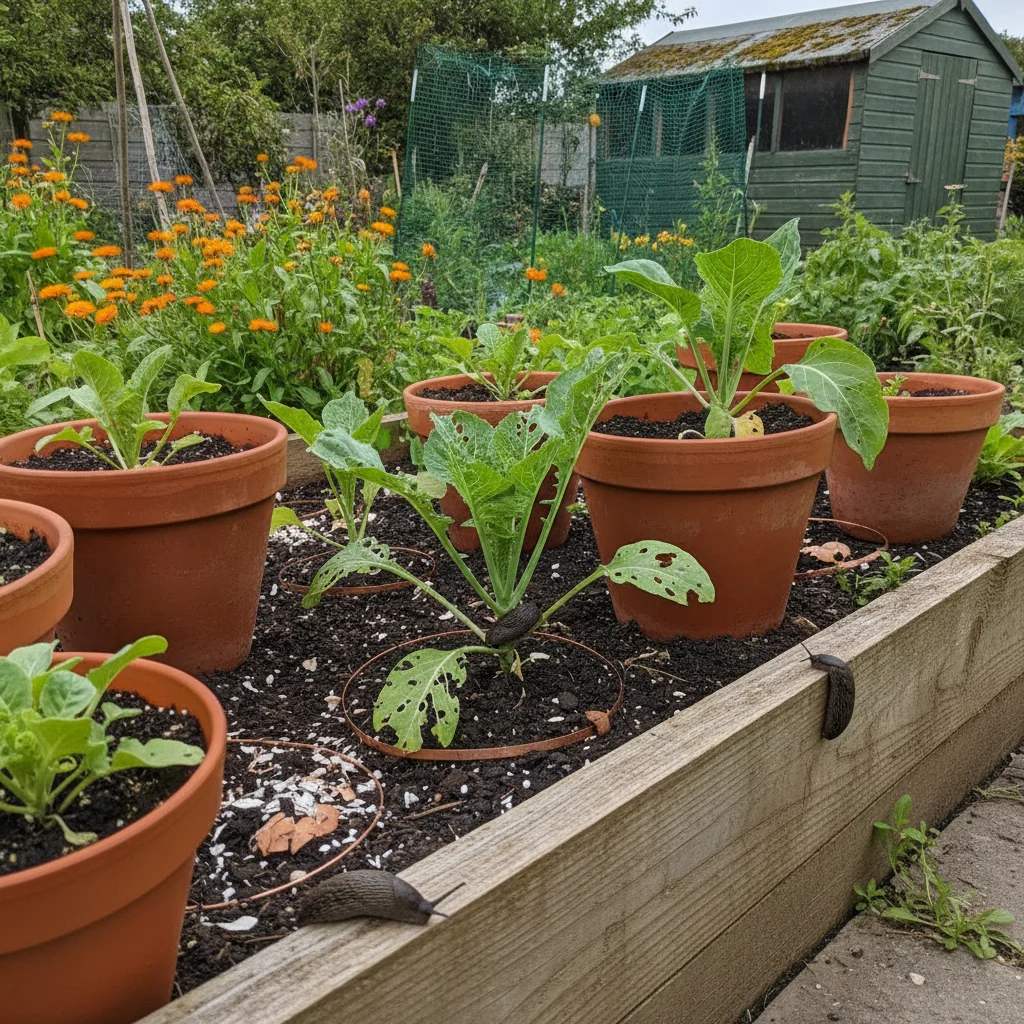
If you are growing on a patio or in raised beds, copper is your best friend. When a slug touches copper, it receives a tiny, harmless static shock. It is enough to make them turn around and head the other way. You can buy adhesive copper tape that you simply wrap around the rim of your pots or the top edge of your wooden beds.
For this to work effectively, you must make sure no leaves are overhanging the tape. A single leaf touching the ground acts like a bridge, allowing the slugs to bypass your copper security system entirely. It is also worth checking that there are no slugs already hiding inside the pot before you apply the tape, otherwise you are just trapping them in with their favourite meal.
Try the Classic Beer Trap
The beer trap is a gardening classic for a reason—it really works. Slugs are incredibly attracted to the scent of yeast. To make one, you just need a shallow container like an old yoghurt pot or a jam jar. Sink it into the soil near your vulnerable plants, leaving about an inch of the rim sticking out above the ground.
Fill the container halfway with cheap bitter or lager. The slugs are lured in by the smell, fall in, and drown. It is important to leave that inch of rim above the soil to prevent helpful ground beetles—who actually eat slug eggs—from falling in by accident. Remember to empty and refresh your traps every few days, especially after it has rained.
Go on a Night Patrol
It might sound a bit extreme, but the most effective way to reduce the slug population in a small space is to head out with a torch after dark. This is particularly useful in the spring when seedlings are at their most vulnerable. You will be amazed at how many you can find in just ten minutes.
Collect them in a bucket and move them to a compost heap far away from your veg patch, or dispose of them however you feel comfortable. If you do this for a few nights in a row, you can significantly knock back the local population. It is a bit of a faff, but it is the most direct way to protect your 'Tumbler' tomatoes or runner beans during those first few weeks of growth.
Invite Natural Predators to Help
The best long-term solution is to let nature do the hard work for you. If you have a healthy balance of wildlife in your garden, you will rarely have a slug "plague." Many garden visitors consider slugs a delicacy. By making your space friendly for these creatures, you are hiring a 24-hour security team.
Frogs, toads, and newts are fantastic slug hunters. Even a tiny pond—literally a washing-up bowl sunk into the ground with some stones for an easy exit—will attract them. Hedgehogs and birds like thrushes also love a slug snack. Leave a small corner of your garden a bit wild with some logs or leaf litter to give these helpful predators a place to hide during the day.
Use Nematodes for Invisible Protection
If you have a large area to cover or a serious infestation, you might want to try nematodes. These are microscopic organisms that occur naturally in the soil. You buy them as a powder, mix them with water, and pour them over your soil using a watering can. They find the slugs underground and infect them, stopping them from eating within days.
This is a brilliant biological control because it is completely safe for children, pets, and other wildlife. It is most effective when the soil is warm and moist, usually from spring through to late summer. One application can protect your crops for up to six weeks. It is an "invisible" solution that works beneath the surface where many slugs hide during the day.
Choose Plants Slugs Dislike
Sometimes the easiest path is to grow things that slugs simply don't find tasty. While they seem to love almost everything, there are certain vegetables and herbs they tend to leave alone. If you are struggling with a particularly damp, slug-prone corner of your garden, try planting these instead of delicate lettuces.
Slugs generally dislike plants with strong scents, tough leaves, or bitter tastes. By mixing these in with your more vulnerable crops, you can confuse the slugs and make it harder for them to find their targets. It is a bit like hiding the chocolate at the back of the cupboard.
- Onions and garlic: Their pungent scent is a natural turn-off.
- Asparagus: The tough stems are not very appealing to slugs.
- Rhubarb: The leaves are toxic and the stalks are too fibrous.
- Hairy-leaved kale: The texture of some kale varieties is a great deterrent.
- Red-leaved lettuces: For some reason, slugs often prefer green leaves over red ones.
Keep Your Garden Tidy
Slugs love to hide under things. Old bits of carpet, piles of damp cardboard, or stacks of empty pots are like luxury hotels for them. By keeping your vegetable patch relatively tidy, you remove their daytime shelters. This forces them to travel further to find a hiding spot, making them more vulnerable to predators.
Try to clear away dead leaves and garden debris from around the base of your plants. If you use wooden planks for paths, occasionally flip them over during the day. You will often find a dozen slugs clinging to the underside. You can then remove them all at once, which is a very satisfying way to tidy up.
Protecting your crops doesn't have to be a constant battle against nature. By using a combination of these simple, chemical-free methods, you can create a garden that thrives. Start small by switching your watering to the morning and perhaps setting up a single beer trap. You will soon see your plants growing stronger and your harvest getting bigger, all without a blue pellet in sight.